A highball can fail before the whisky is poured.
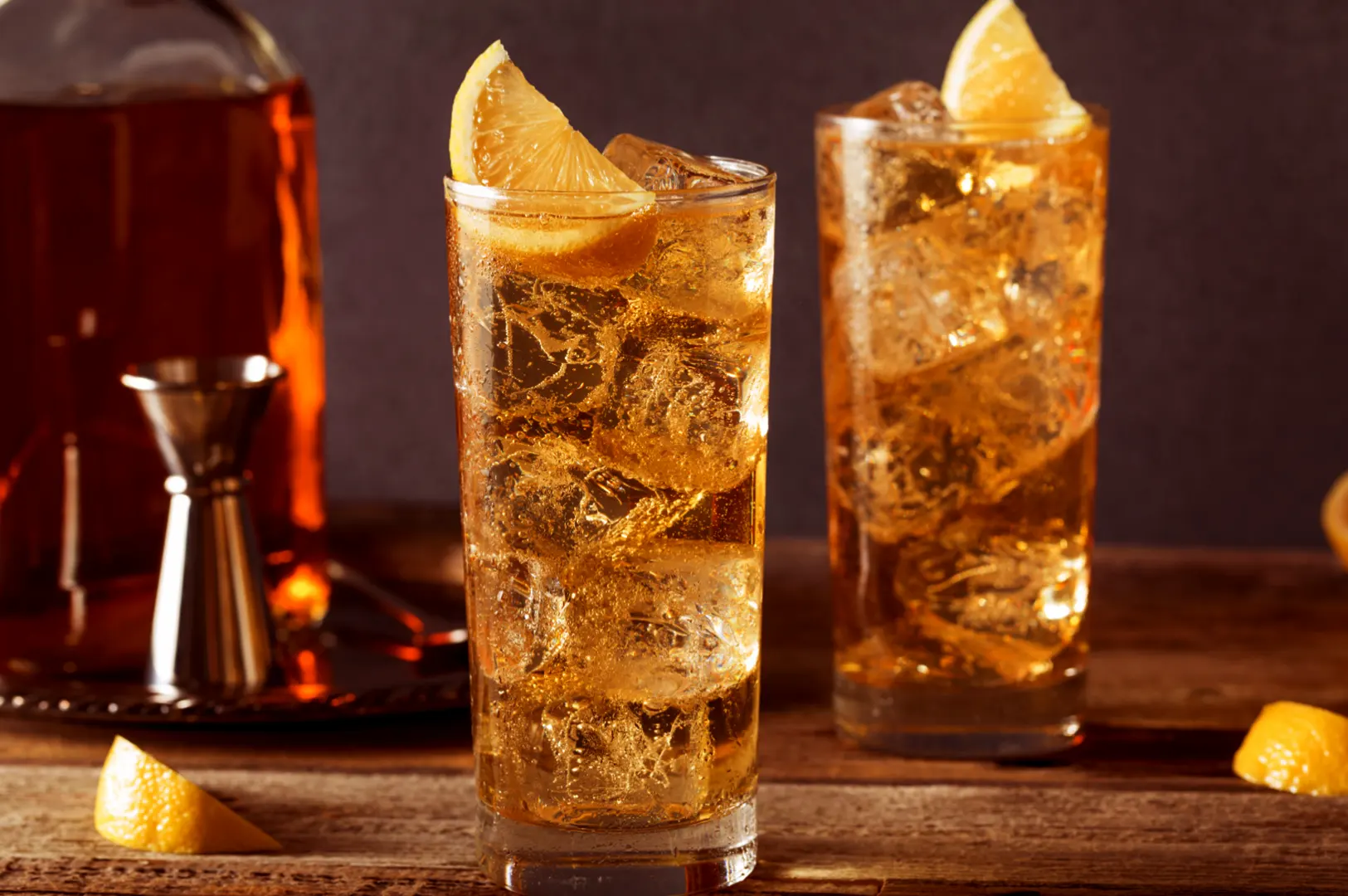
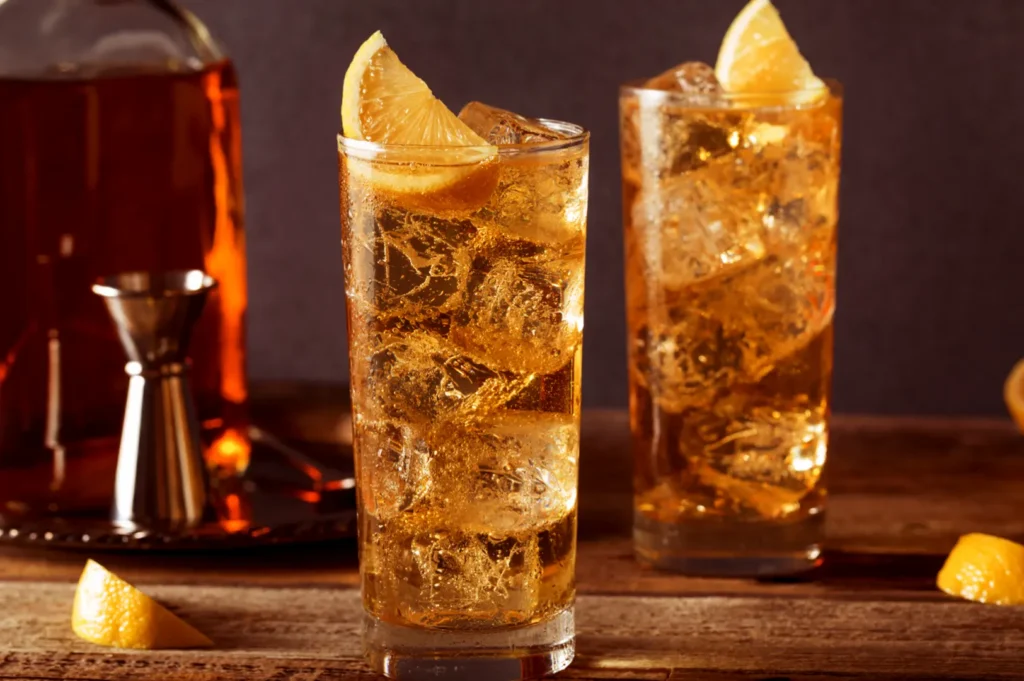
That may sound excessive, but ice is one of the main reasons. In an izakaya, a highball looks simple: whisky, soda, ice, and a tall glass. Because the drink is straightforward, each part matters more.
When we assess highball service, we look beyond the brand of whisky. Ice size, melt rate, carbonation, and glass temperature all affect whether the drink stays crisp or becomes flat and diluted too quickly.
For Singapore izakayas, this matters because highballs are often ordered in rounds. Consistency affects the whole table.
The same is true of sake, where the drink does not just sit beside the food but quietly changes the pace of the night, something explored in how sake changes izakaya rhythm.
Ice Controls Dilution
Ice does more than chill the drink.
It controls dilution, which is the gradual mixing of melted water into the highball. Some dilution is expected. Too much changes the balance.
Large, dense ice melts more slowly and keeps the drink colder for longer. Small or wet ice melts faster, especially in warm dining rooms or during busy service. When this happens, the highball can lose structure before the diner finishes it.
A good highball should remain refreshing from the first sip to the last few minutes.
That depends heavily on ice quality.
Carbonation Needs Protection
Soda water is the second major factor.
A highball should feel bright, clean, and lifted. If the soda has weak carbonation, the drink becomes heavy quickly. If it is stirred too aggressively, the bubbles disappear before the glass reaches the table.
This is why bar technique matters.
The drink should be built carefully, with enough mixing to combine whisky and soda, but not so much that the carbonation is lost. Ice also helps here. Properly chilled glassware and firm ice reduce temperature shock and help preserve bubbles.
The result is a highball that tastes lighter and stays lively.
Glass Temperature Changes the Drink
Glassware is easy to overlook.
A warm glass can weaken the drink immediately. It speeds up ice melt and reduces the chilled effect that makes a highball appealing. A cold glass protects the drink from the start.
This is especially relevant in Singapore, where room temperature, humidity, and outdoor heat can affect how quickly a drink warms.
In a good izakaya, glassware is part of the service system, not only presentation.
Consistency Matters During Service
One strong highball is useful. Ten consistent highballs are harder.
During peak hours, staff must manage ice supply, glassware, soda, whisky measures, and repeated rounds. If any step becomes careless, the difference is noticeable.
For diners, consistency means the second round should taste like the first.
For the izakaya, it shows discipline.
Service Implications for Izakaya Highballs
Ice quality is not a small detail.
It shapes dilution, carbonation, temperature, and overall drink balance. Highballs may look simple, but simple drinks expose weak technique quickly.
A good izakaya highball should stay cold, crisp, and balanced long enough to support the food, the table, and the pace of the night. It should remain precise without needing decoration, extra sweetness, or a stronger pour later either.