“The chef noticed immediately.”
I did not think much of it at first.
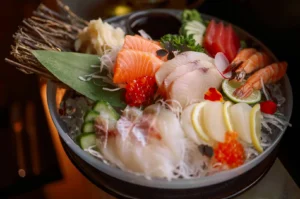
It was a busy evening, the kind where the room settles into its rhythm by 8 PM. Skewers moved steadily across the grill, highballs clinked against wooden tables, and the smell of charcoal lingered quietly in the air. Nights like these are part of what continues to draw people toward the growing culture of affordable Japanese food in Orchard Singapore, where izakayas quietly shape the atmosphere long after the shopping crowds disappear.
At the table beside me, four office workers had already started their second round.
“Another beer.”
“Two more highballs.”
No sake.
The chef glanced toward the table briefly before returning to the grill. Later, while speaking softly with one of the staff members, he said something I kept thinking about afterward:
“You can usually tell the pace of the night from the drinks.”
At first, I assumed he meant alcohol tolerance. He did not.
Beer Changes the Rhythm
Beer and highballs create a certain kind of atmosphere in an izakaya.
The table moves faster.
Drinks arrive quickly, and so do the orders. Plates disappear before the next round even lands. Fried dishes appear earlier. Conversations overlap more easily.
The room becomes louder without anyone noticing.
There is nothing unusual about this. Many izakayas are built around exactly this kind of energy. But the pacing changes in subtle ways.
Beer encourages momentum.
People order more impulsively. Someone suddenly adds another round of karaage. A few extra skewers appear. The table keeps moving forward.
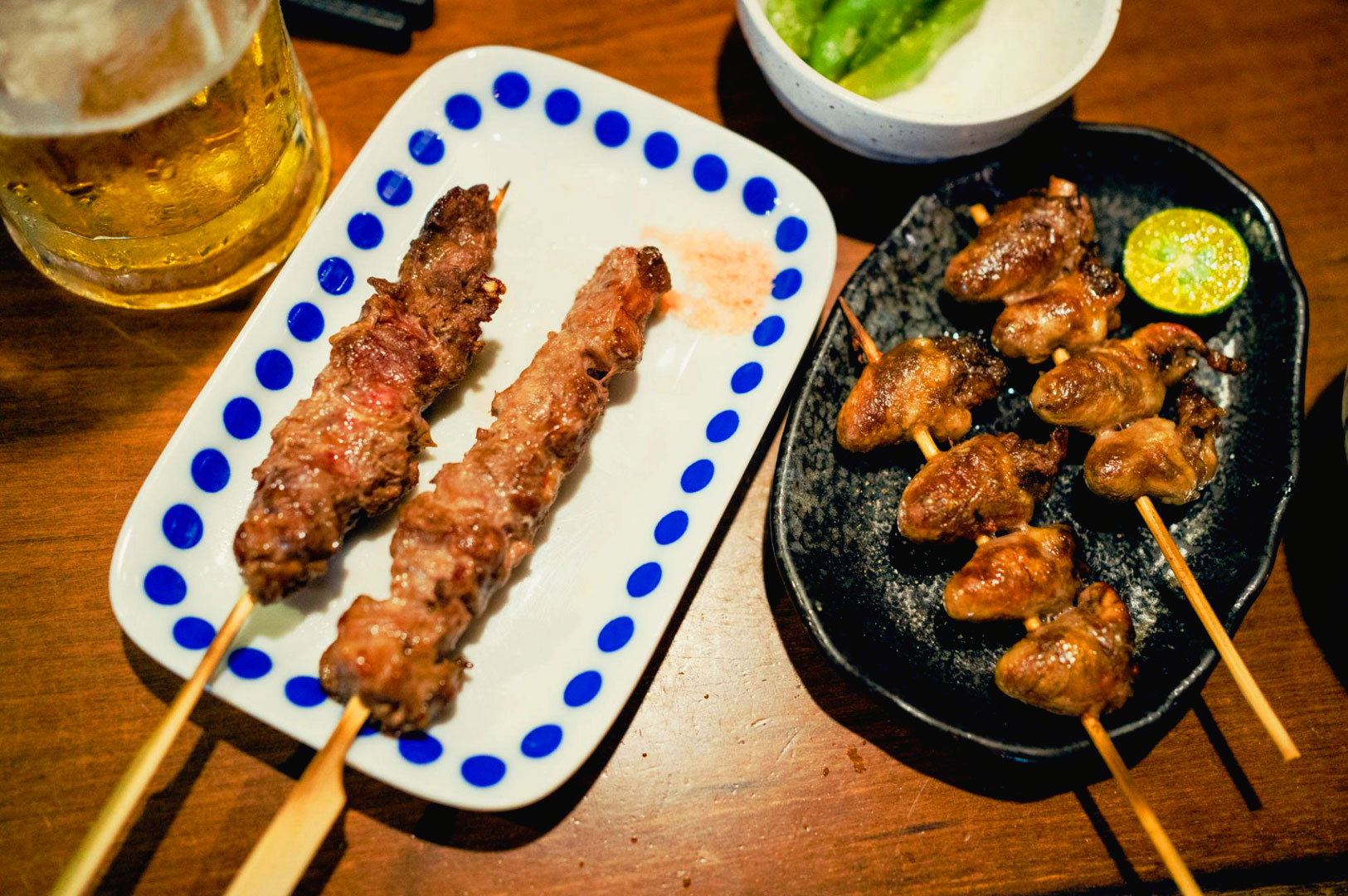
That night, the group beside me reordered chicken skin three separate times before 9 PM.
Sake Slows Things Down
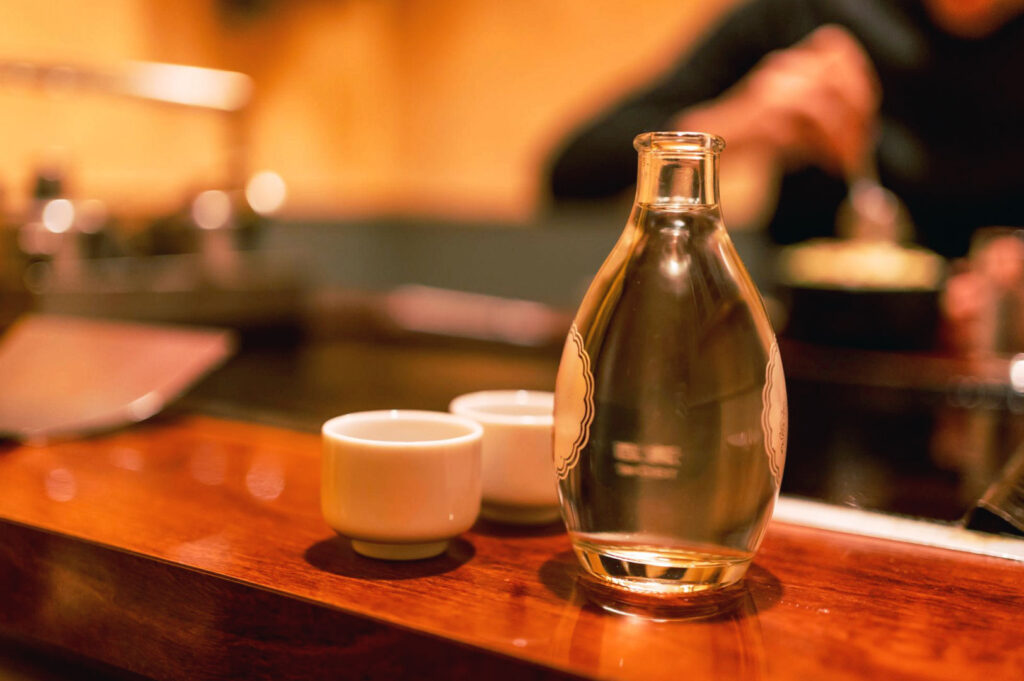
Sake changes the rhythm differently.
Unlike beer, sake is rarely rushed. It is poured slowly, shared carefully, and often paired with quieter dishes. Even the act of drinking it creates pauses between conversations and bites.
The pace softens.
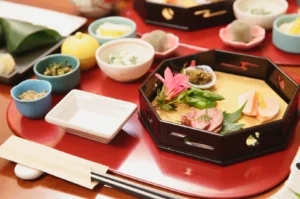
People stop reaching for the next order so quickly. Food arrives more gradually because the table is no longer chasing speed. Diners start paying closer attention to texture, temperature, seasoning.
You can feel the difference across the room.
A sake table tends to lean inward.
A beer table expands outward.
Neither is better. But they create very different evenings.
The Kitchen Notices Too
What surprised me most was learning how closely chefs watch these patterns.
The chef explained that tables drinking sake usually order:
- slower-paced dishes
- seasonal specials
- lighter grilled items
Beer-heavy tables tend to move toward:
- fried food
- stronger flavors
- faster reorders
Without announcing it openly, the kitchen adjusts around this rhythm. Timing changes. Recommendations shift. The grill moves differently depending on what the table is drinking.
I had always thought drinks followed the meal.
In reality, they shape it.
A Different Kind of Night
When I left the restaurant, the highball table was still lively, adding one last order before final call.
At the counter, another group had just opened a bottle of sake.
The room felt quieter there somehow. Slower, but not less warm.
And for the first time, I understood why the chef noticed the absence of sake so quickly.
Not because it was missing from the order.
Because it changes the entire rhythm of the night.