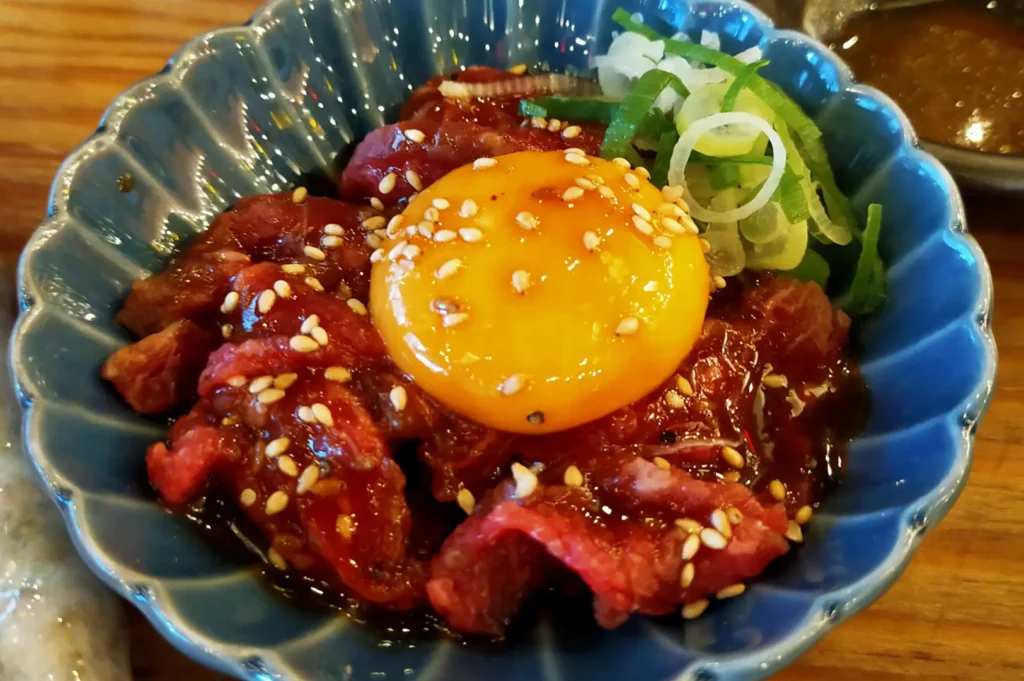
Two plates of raw tuna can arrive at the same table and ask for entirely different attention. One holds clean slices beside wasabi. The other brings smaller pieces together with a glossy dressing, perhaps finished with sesame or egg yolk.
Both begin with tuna. Yet the difference is more than presentation. It is also a small example of how food traditions travel.
Sashimi Lets the Tuna Speak First
Maguro means tuna in Japanese. In ordinary tuna sashimi, the fish is generally sliced and served without being mixed into a dressing. Soy sauce and wasabi sit alongside it, leaving diners to decide how much seasoning to add.
That simplicity makes the cut and texture noticeable. A slice holds together as we lift it; its flavour arrives before any condiment we choose. It is not necessarily plain or austere. Rather, the arrangement leaves room to appreciate the fish on its own terms.
For those who enjoy this quieter way of tasting fish, our guide to the best sashimi Singapore for fresh seafood and traditional Japanese dining explores the different settings in which those simple slices become the centre of a meal.
Yukke Brings Another Tradition to the Table
Yukke draws its name and inspiration from Korean yukhoe, a preparation traditionally associated with seasoned raw beef. Japanese menus have adapted that approach to ingredients including tuna.
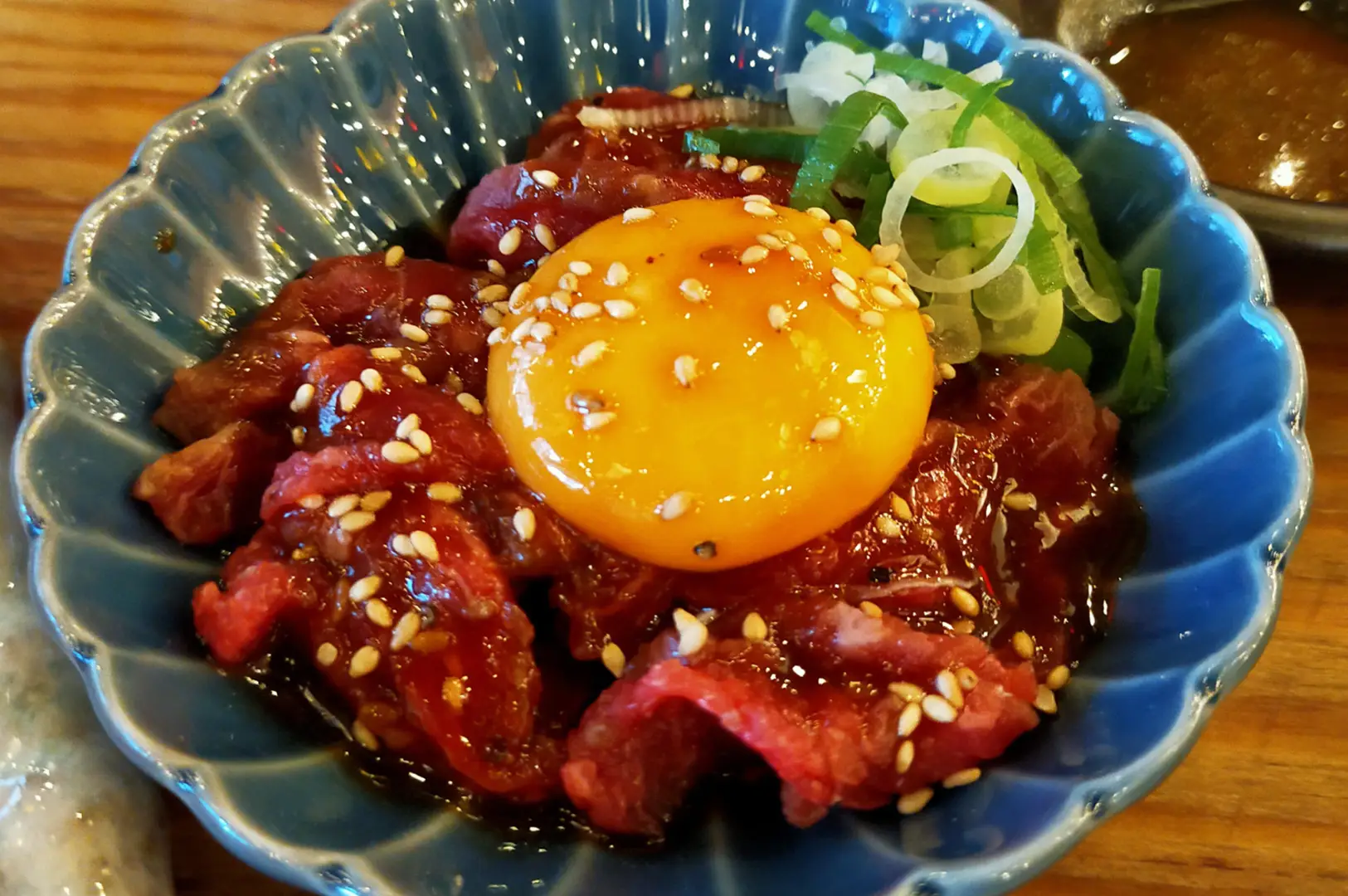
In maguro yukke, the tuna is often diced or cut into strips, then dressed before serving. Recipes differ. Some use soy sauce and sesame oil; others add spring onions, sesame seeds, miso or egg yolk.
It would be misleading to call this simply sashimi with extra sauce. The seasoning is part of the preparation, not merely something offered beside it. Korean influence remains visible even as the dish takes a place on Japanese menus.
The Change You Notice in a Bite
With sashimi, each slice keeps its individual shape. We can taste the tuna first, then introduce soy sauce or wasabi if we wish.
Yukke feels different. Smaller pieces meet the dressing in every bite. Sesame oil can add fragrance, soy sauce brings saltiness, and egg yolk, where used, creates a smoother coating. None of these ingredients is compulsory, and no single recipe represents every restaurant.
The contrast is not about which preparation respects tuna more. One leaves seasoning largely to the diner. The other makes it a deliberate part of the dish.
A Place Among Shared Plates
At an izakaya, maguro yukke can sit beside sashimi, grilled dishes and other small plates. Its seasoned character gives the table another way to enjoy raw seafood without making the meal exclusively about tuna.
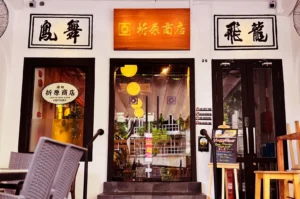
Singapore’s Shukuu Izakaya, for example, is noted for Maguro Yukke, although its precise recipe should not be assumed from the name alone.
Both dishes require properly sourced, refrigerated and hygienically handled raw fish. Dressing cannot make unsafe seafood safe.
What stays with us is the distinction: the same ingredient can express two food traditions without either cancelling out the other. Sashimi lets us meet the tuna directly. Yukke shows what happens when seasoning joins the conversation. It is a useful reminder that familiar ingredients rarely belong to one interpretation alone.