I still remember walking out of a well-known Japanese restaurant along Orchard Road a few years ago—$180 poorer and strangely unsatisfied. The sushi, including the tuna and eel, felt forgettable, the pacing was rushed, and no one bothered explaining the seasonal seafood or the pickles that were supposed to complement the meal. Even the miso soup lacked depth, missing that comforting warmth I usually crave.
It was my introduction to what I now call the Orchard illusion: assuming that a high price tag and a polished mall setting automatically guarantee a great meal.
Spend enough time in Singapore, and you’ll realize Orchard isn’t just for shopping; it’s one of the densest clusters of Japanese dining in the city. Within the same building, you can find a $12 rice bowl tucked in a basement food hall and a $300 omakase counter just a few floors above. The range is huge, and that’s exactly why so many people get it wrong.
Working closely with the Best Izakaya Team, I’ve spent years navigating Orchard’s hidden basements and high-rise dining rooms. I’ve made the costly mistakes, sat through underwhelming meals, and found the spots that actually deliver authentic Japanese flavours that remind me of Tokyo’s vibrant palate. Whether you’re grabbing a quick lunch or planning a proper dinner, this is how to approach Japanese food in Orchard with clarity.
Japanese Food Orchard: The Orchard Illusion and What Most People Get Wrong
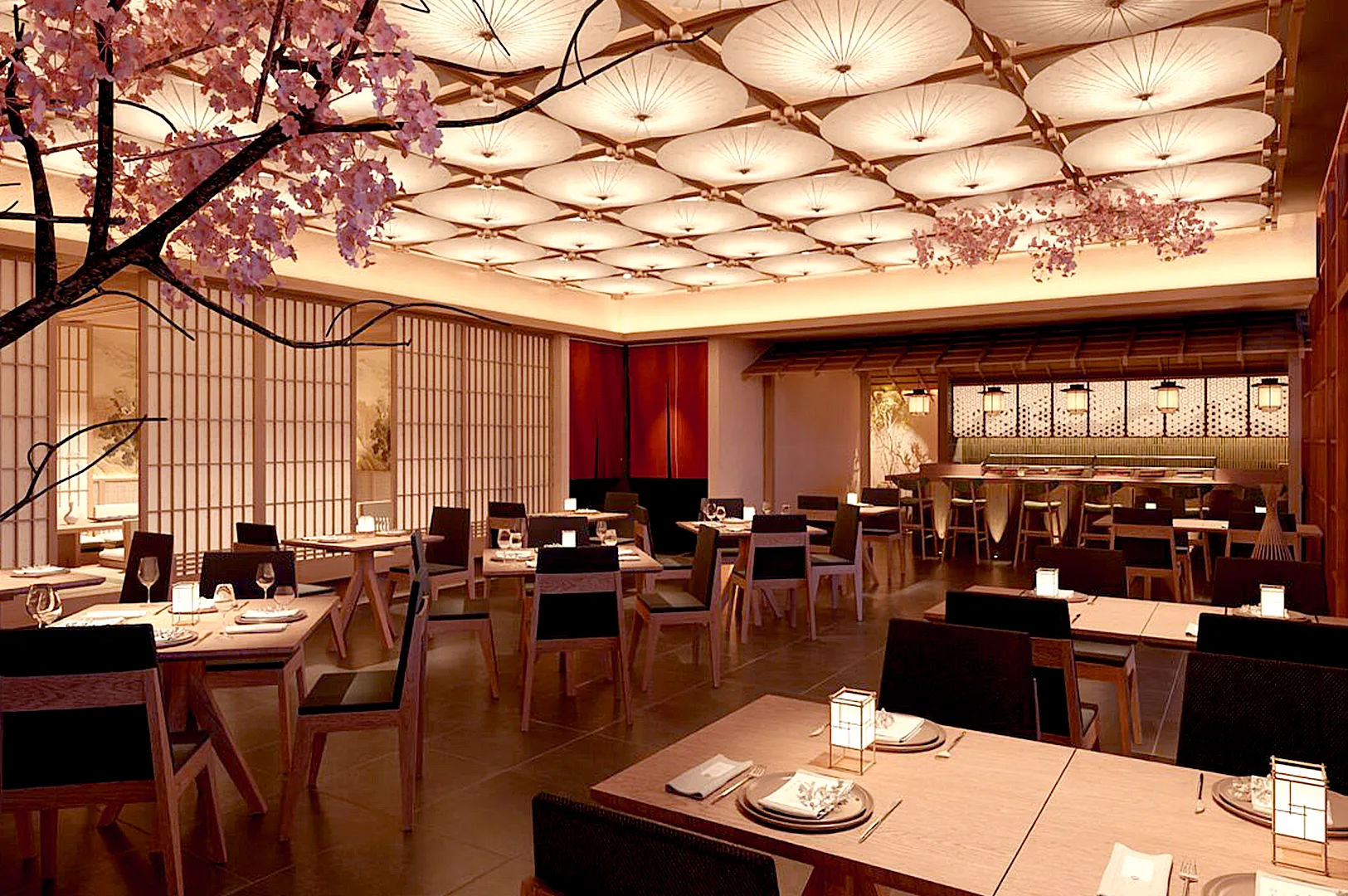
When people ask me about Japanese food in Orchard, the same concerns always surface:
“Is it authentic traditional Japanese cuisine?”
“Am I ordering the right dishes?”
“Am I about to overpay my total bill?”
These questions usually come from a few persistent assumptions.
One of the biggest is believing that higher prices automatically mean better quality. In Orchard, that’s rarely true. You’re often paying for rent, branding, and location as much as the food itself. Some of the most satisfying meals I’ve had here were at modest izakayas in the $40–$60 range: far more memorable than certain high-end omakase experiences, where you end up waiting too long and your appetite fades.
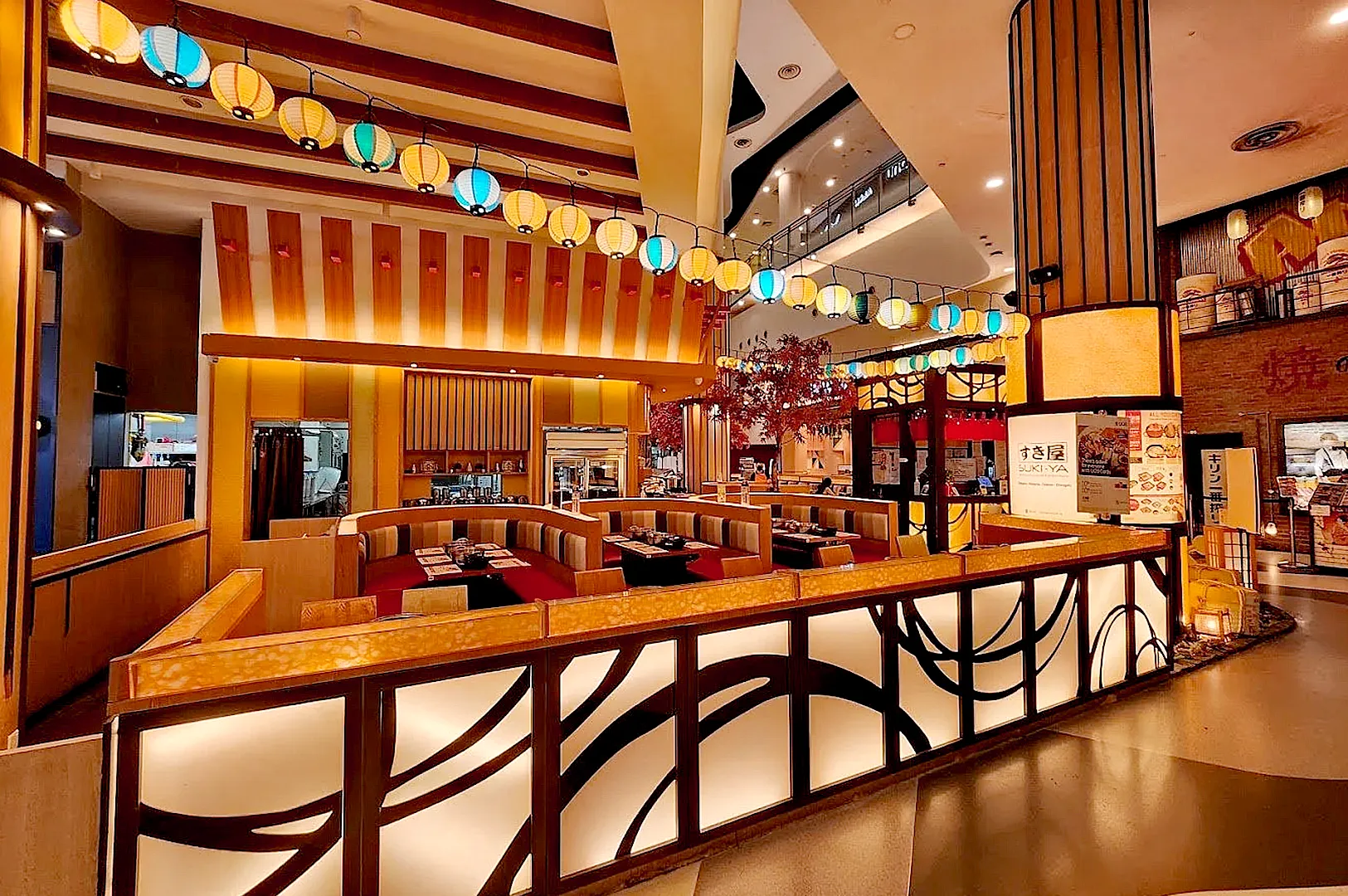
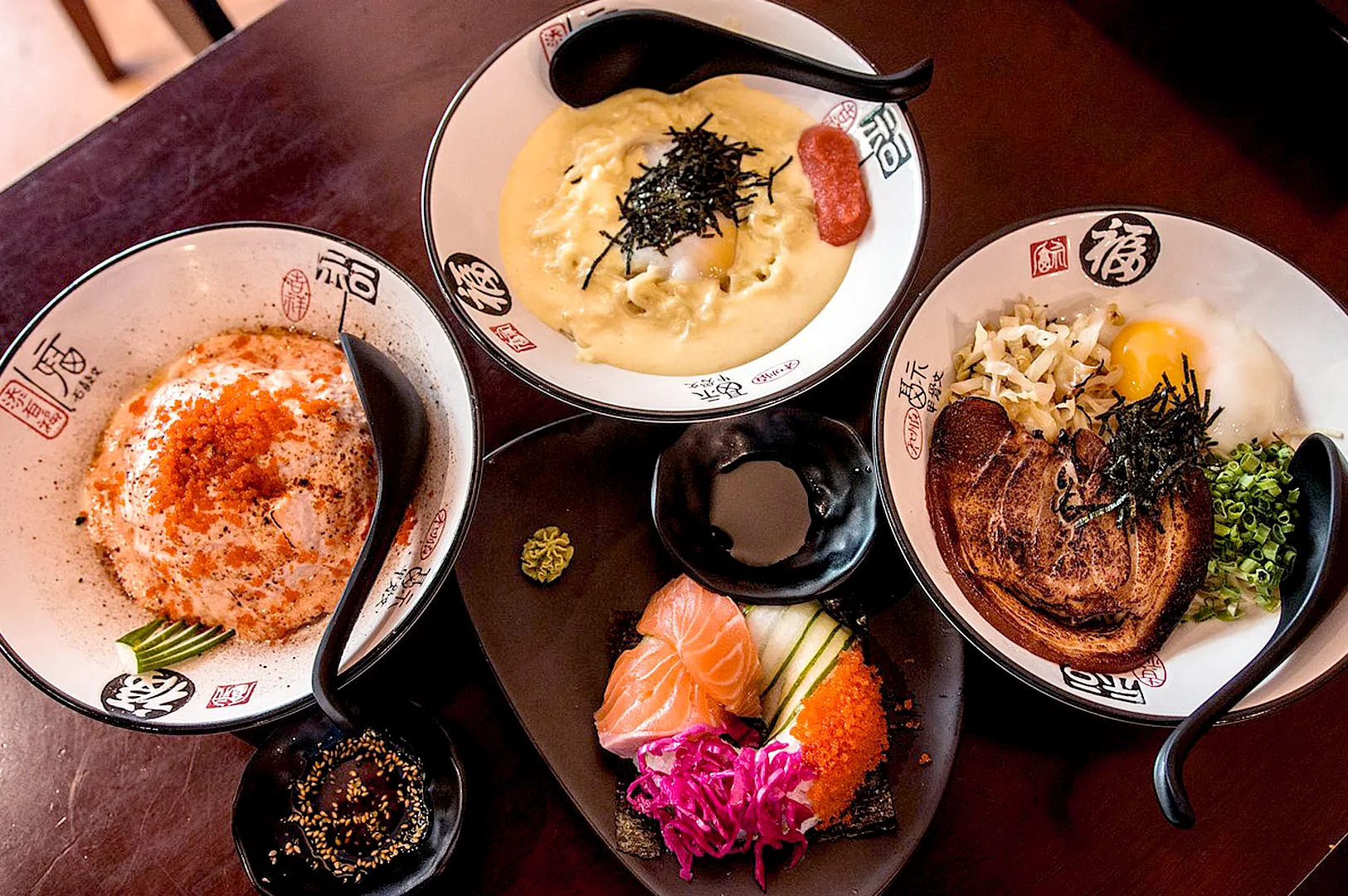
Another misconception is that Japanese restaurants here are interchangeable. They’re not. The ecosystem is actually very structured: casual mall chains, focused specialists (ramen with thick broth and ginger notes, rice bowls topped with tender meat or fresh vegetables, yakitori skewers), izakayas built for social dining, and premium omakase counters. Treating them as the same leads to mismatched expectations and a confused palate.
And then there’s the idea that omakase is always worth the splurge. It can be, but Orchard’s high foot traffic also attracts underwhelming versions of it. Heavy discounts, flashy promotions, or overly aggressive deals are usually signs that something is being compromised.
Japanese Cuisine in Orchard Road: A Practical Way to Choose Where to Eat
Walking into the first Japanese restaurant you see in Orchard is essentially a gamble. A little structure makes all the difference.
Start by deciding your intent and budget.
If you’re looking for a quick meal under $20, basement food halls like those in Takashimaya or ION Orchard near Ngee Ann City are your best bet. For a proper dinner in the $30–$80 range, look for specialist shops or izakayas where the menu focuses on quality sushi, fresh sashimi, ramen, and yakitori skewers. If you’re not sure where to start, here’s a curated list of the best izakaya in Orchard Singapore to help you narrow it down.
Next, think about the setting and opening hours.
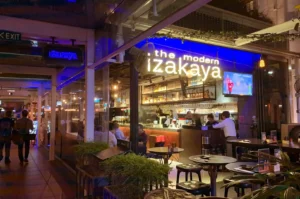
Dining alone? A ramen counter with a comforting bowl of rich broth and freshly made noodles works perfectly. Catching up with friends after work? Izakayas like those in Cuppage Plaza offer the right atmosphere, with small plates served gradually alongside sake under the soft glow of the sun setting over Orchard. Celebrating something meaningful? A quiet omakase counter will feel more appropriate.
Before you even step out, check the menu.
This is one of the simplest but most overlooked steps. If a restaurant offers sushi, ramen, tempura, curry, and teppanyaki all in one place, it’s usually a sign of diluted focus. The best Japanese dining experiences are built on specialization and seasonal fish that highlight the quality and freshness of the ingredients.
Insider Insight: The Lunch Set Advantage in Japanese Restaurants
If you’re curious about premium Japanese dining but hesitant about the price, lunch is your window.
Many of the best Japanese restaurants in Orchard offer lunch sets that are 20% to 40% cheaper than dinner. You’re often getting the same chef, the same kitchen, and a very similar level of quality—just in a more wallet-friendly format.
The only thing to watch out for is timing. The 12:00 pm to 2:00 pm window can get hectic with the office crowd, so arriving slightly earlier or later makes the experience far more enjoyable and spares you the waiting that can dull your appetite.
Hard Lessons From Real Japanese Dining Experiences
Early on, I made the mistake of treating Japanese restaurants like Western ones, ordering across categories just to try everything. At one Orchard spot, I ordered ramen, sushi, and tempura in one sitting. None of them stood out. The broth lacked depth, the sushi rice felt off, and the tempura was greasy.
That experience made one thing clear: specialization matters. Japanese cuisine is built on mastering a single craft, not juggling five.
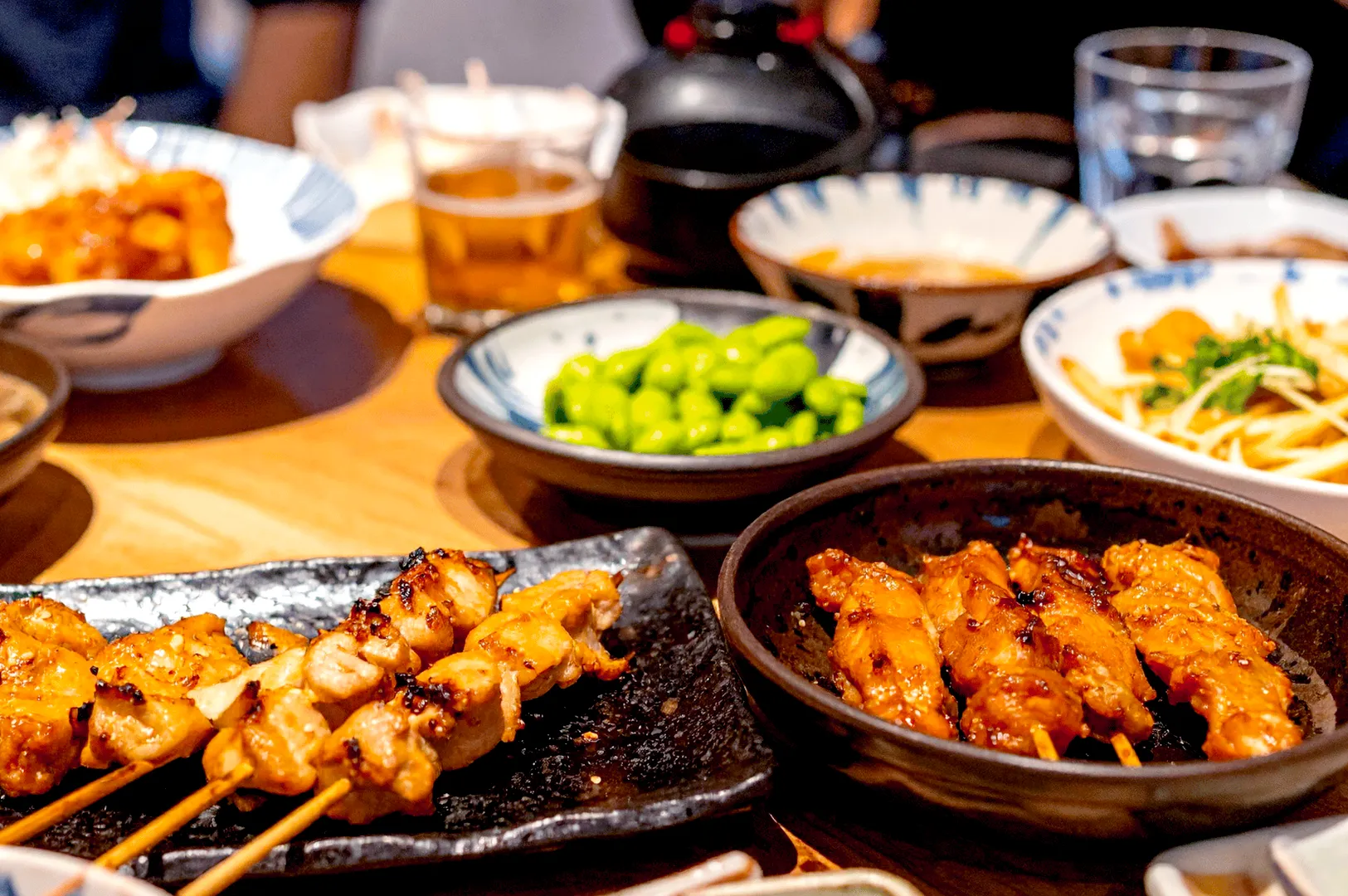
I’ve also misread how izakayas are meant to work. On my first visit to a cozy Cuppage Plaza spot, I ordered a full spread upfront. Everything arrived almost at once, overwhelming the table and ruining the pacing.
Izakayas aren’t designed that way. They’re meant to unfold gradually—start with a couple of small dishes, then add more as the evening progresses, letting the meal follow the rhythm of your conversation and your palate.
Even small etiquette details took time to understand. I used to mix wasabi into soy sauce and rub wooden chopsticks together out of habit. Over time, I realized these actions can come across as disrespectful in more traditional settings. At a good sushi bar, the chef has already balanced the wasabi for you—you just have to trust it.
How to Spot a Good Japanese Restaurant in Orchard Road
Over time, you start to notice patterns.
Whenever possible, I go for counter seating—whether at a sushi bar or an intimate izakaya like MOMOYA in Orchard Plaza. The experience feels more immediate, the food arrives at the right moment, and you get a direct view of the craftsmanship behind each dish.
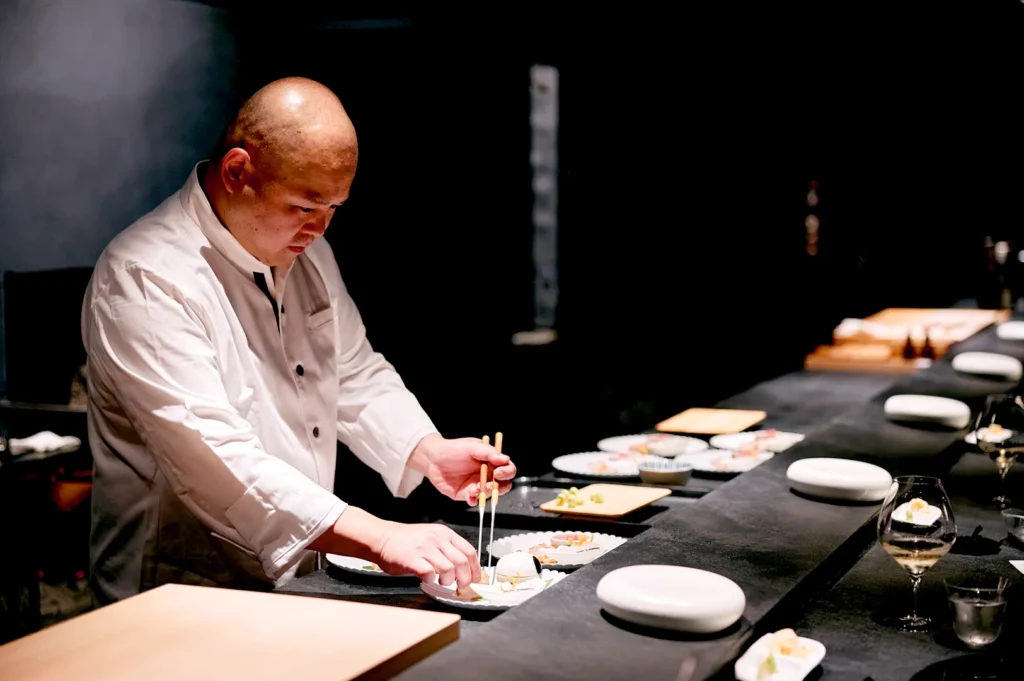
A focused menu is always a strong sign. So is a restaurant that highlights seasonal items, especially if they’re written or updated regularly. It shows attention to sourcing and freshness.
On the flip side, certain signals are hard to ignore.
An empty restaurant during peak dinner hours usually tells a story. So does an overly long, unfocused menu. Both often point to inconsistency.
Understanding Orchard’s Local Context for Japanese Food
Orchard is built around convenience, polish, and accessibility. Japanese food here is often adapted slightly; sometimes a bit sweeter, sometimes more approachable for a broader audience.
If you’re chasing deeply traditional, old-school Japanese dining, areas like Tanjong Pagar might feel more authentic. But if you want variety, comfort, and a reliable experience right after shopping or work, Orchard delivers in a way few places can.
Frequently Asked Questions About Japanese Food in Orchard
Will I overspend?
Only if you walk in without a plan. Food courts sit around $10–$20, casual restaurants $20–$40, izakayas $40–$80, and omakase from $120 upwards. Knowing where you stand before sitting down makes all the difference.
Is there a dress code?
Casual works for most places. For higher-end omakase, smart casual is a safe choice—think trousers or dark jeans with a collared shirt. Avoid overly casual attire like flip-flops.
What if I don’t eat raw fish?
You’ll still have plenty of options. Yakitori, tonkatsu, teppanyaki, and udon-focused spots are everywhere. Izakayas are especially versatile, offering a wide range of cooked dishes.
Do I need to tip?
No. Singapore includes a 10% service charge and GST in your bill. Tipping is optional and not expected.
Should I make reservations?
For casual spots, usually not. For omakase, always. For popular izakayas on busy nights, it’s highly recommended—places like Izakaya Naniwa fill up quickly.
The Orchard Dining Mindset: Eat With Intention
Navigating Japanese food in Orchard isn’t about spending more: it’s about choosing better.
Match the restaurant to your goal. Don’t expect intimacy from a ramen shop or speed from an omakase counter. Understand that price doesn’t always reflect quality. And above all, look for places that do one thing exceptionally well.
The next time you’re in Orchard, skip the sprawling menu and the obvious storefront. Find the specialist, take a seat at the counter, and let the experience unfold properly.