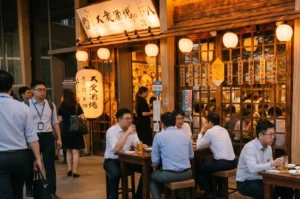
I still remember the blank stares from my friends during a Friday night dinner in Telok Ayer. We managed to secure a table at a bustling Japanese tavern, and I handed them the menus. Within seconds, the excitement drained from their faces. They were confronted with pages of unfamiliar words: junmai, toripaitan, negima, shio, tare. They just wanted a good meal, but suddenly they felt like they needed a translator.
I took the menu back and ordered for the table. That night taught me an important lesson. Telok Ayer has plenty of incredible Japanese restaurants, but the real challenge is not finding the food. The challenge is understanding what kind of Japanese night you actually want to have, and knowing how to order it.
If you search for Japanese cuisine in this neighborhood, you will find izakayas, sake bars, ramen shops, and handroll counters all sitting shoulder-to-shoulder. If you do not know the difference, you might sit down for a quick solo dinner and accidentally end up at a premium sake bar.
That mix is exactly what makes Singapore’s Telok Ayer izakaya scene so interesting — it is not one fixed dining style, but a whole spectrum of smoky skewers, sake counters, ramen bowls, and crisp handrolls packed into a few walkable streets.
I wrote this guide to fix that. I have spent years eating my way through the shophouses of Telok Ayer, making every ordering mistake possible along the way. I want to help you read a Japanese menu with total confidence. Here is exactly how to navigate yakitori, sake brewing, ramen, and handrolls like a seasoned local.
Start Here: Are You Ordering a Full Meal or Sharing Plates?
Before you even look at a menu, you need to establish the rules of engagement. Japanese dining formats change drastically depending on the venue. I made this mistake early on: I sat down at an izakaya and tried to order a massive main course just for myself, while my friends ordered small snacks. The pacing was a disaster.
If you want a quick, solitary, or highly focused meal, you need a ramen shop or a rice bowl spot. Venues like Tori San are perfect for this. You order your bowl, you eat it, and you leave. It takes about 45 minutes, and you will spend around $15 to $25.
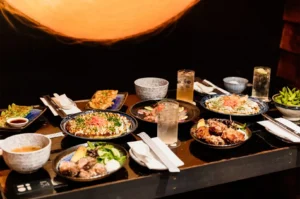
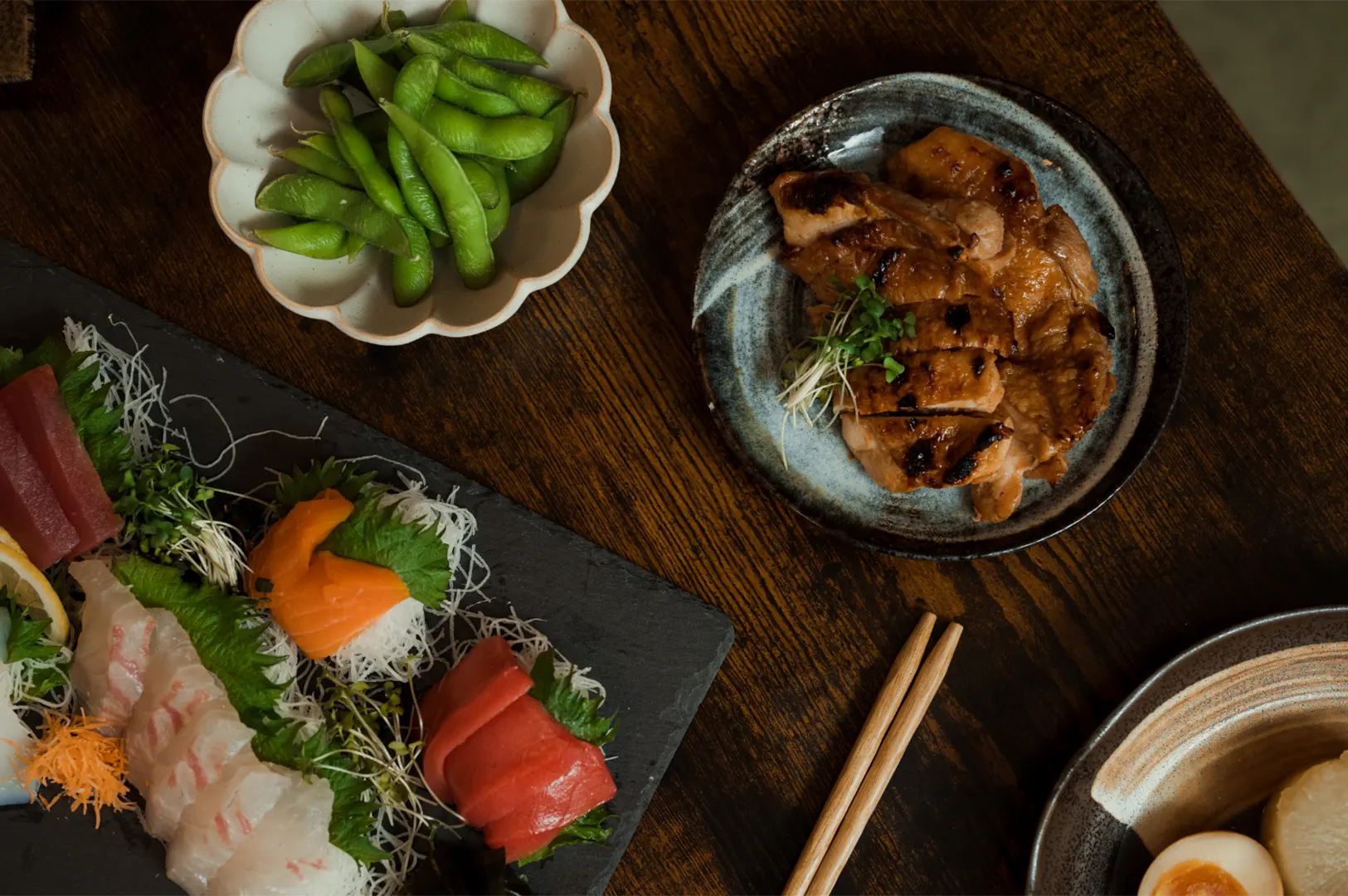
If you want to sit for two hours, drink sake, and share food, you need an izakaya or a sake bar. Places like Shukuu Izakaya are built for shared grazing. You do not order a main course here. Instead, you order small plates of grilled meats, fried snacks, and fresh sashimi for the center of the table. Expect to spend $50 to $80 per person, depending on how much alcohol flows.
Insider knowledge: Never order your entire izakaya meal at once. Order three or four small plates to start. See how you feel, have a drink, and then order the next round. This keeps the food arriving hot and stops you from accidentally spending $150 on skewers you are too full to finish.
Yakitori: Grilled Chicken Thigh Skewers and More
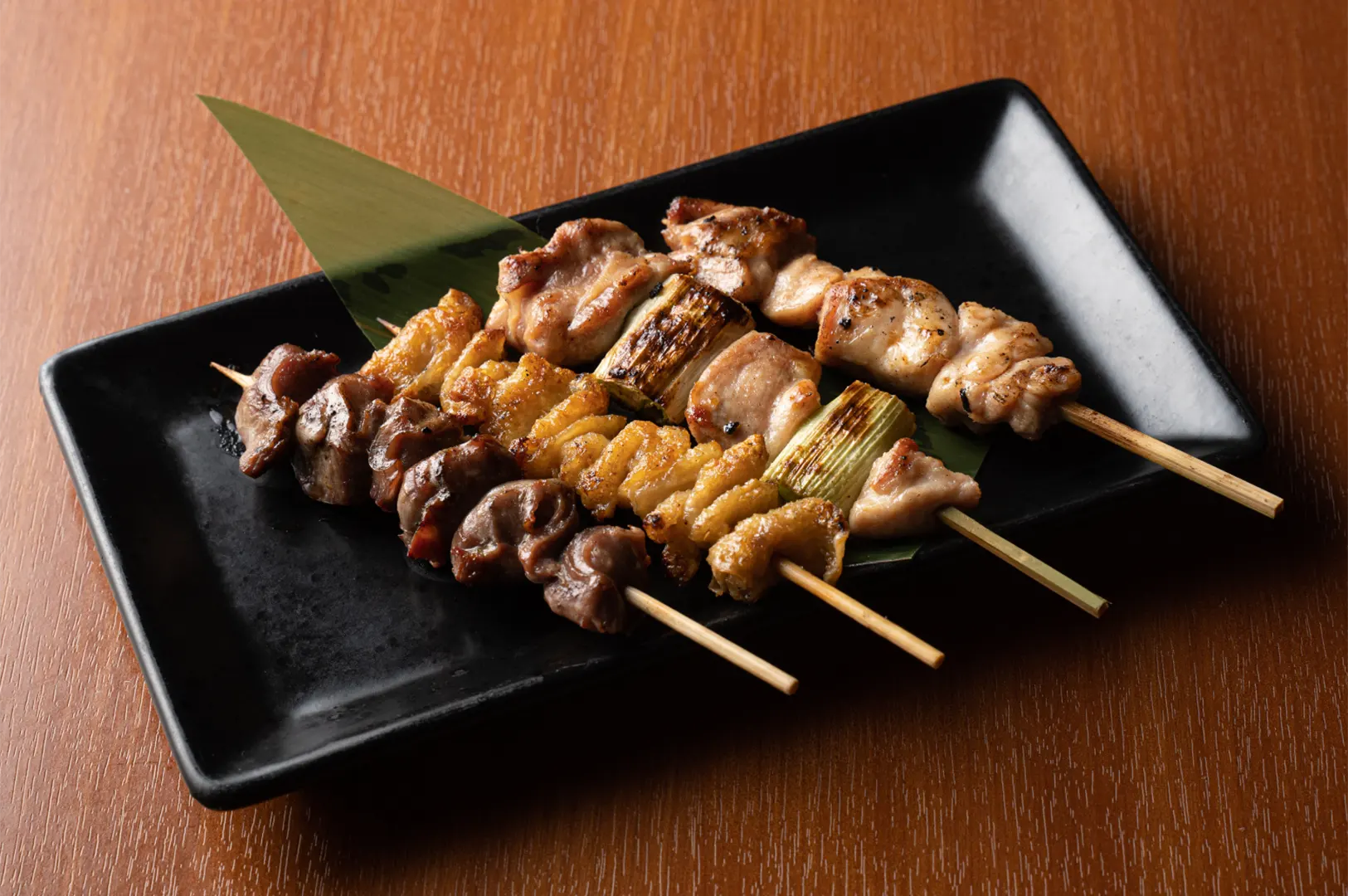
Yakitori literally translates to grilled chicken. These are the smoky, savory skewers you smell roasting over charcoal as you walk down the street. A good yakitori skewer costs anywhere from $3 to $8, and understanding the cuts makes ordering incredibly fun.
Here is a simple cheat sheet for the most common yakitori cuts:
Momo (Chicken Thigh): This is your safe baseline. It is juicy, tender, and universally loved for its rich protein and subtle sweetness.
Negima (Chicken and Green Onion): My personal favorite for beginners. The charred scallions add a beautiful, sweet aroma to the savory chicken.
Tsukune (Chicken Meatball): Soft, savory, and heavily seasoned. It often comes with a sweet soy sauce glaze.
Tebasaki (Chicken Wing): Perfect if you love crispy, smoky skin with a satisfying bite.
Reba (Liver) or Hatsu (Heart): These are for adventurous eaters. They carry a rich, metallic flavor and a springy texture.
When you order, the chef will often ask if you want your skewers with “shio” (salt) or “tare” (a sweet soy sauce glaze). I suggest shio for delicate cuts to taste the charcoal smoke and high heat cooking, and tare for heavier items like meatballs, where the sugar and soy sauce in the sauce add a delicious caramelized finish.
Sake Brewing and How to Choose Your Drink
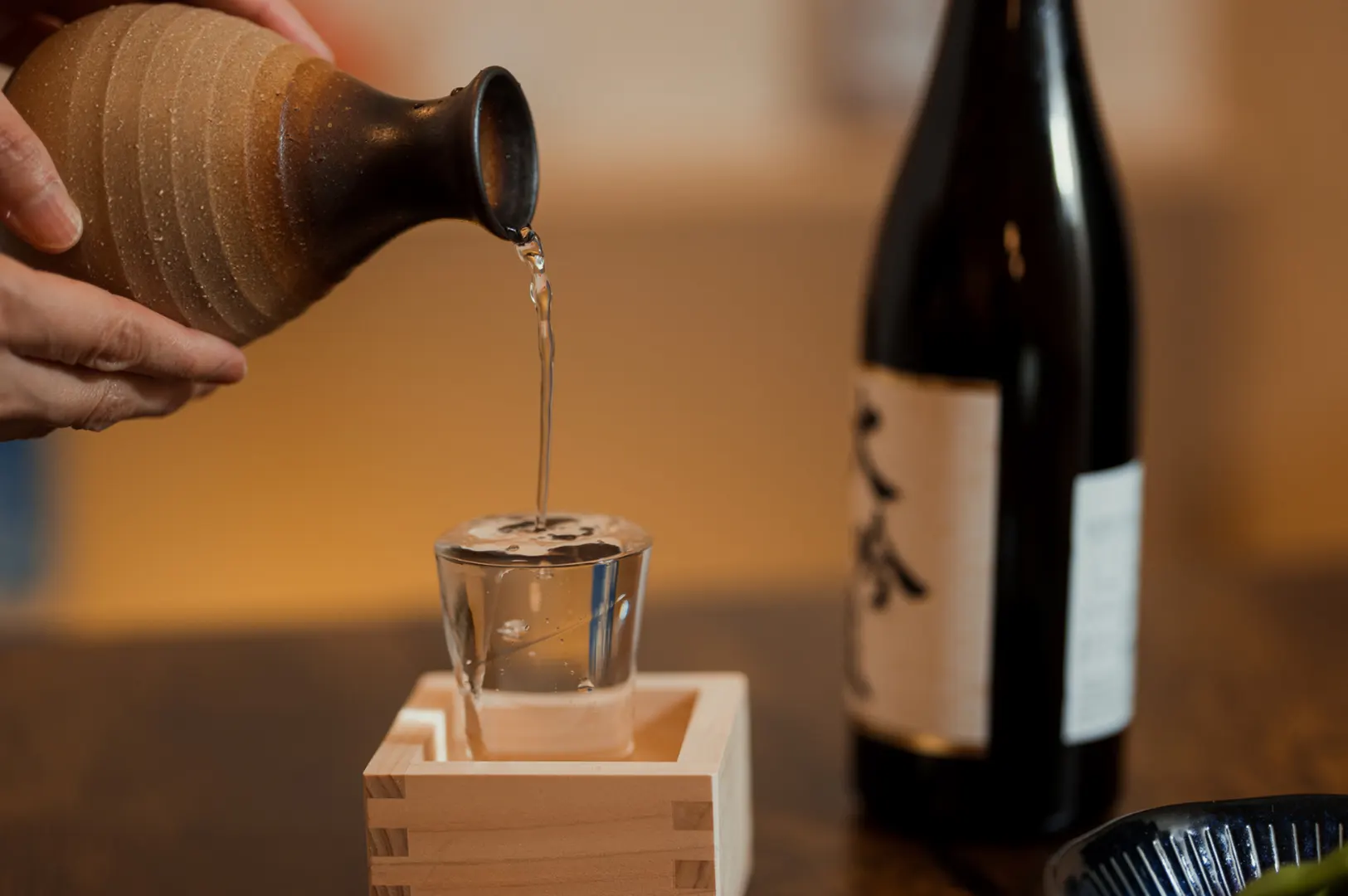
Sake menus are notoriously intimidating. When I first started visiting sake bars like Kabuke, I used to just point to the second cheapest bottle and hope for the best. You do not need to be a sommelier to get a great drink. You just need to know three basic terms.
Junmai: This means pure rice sake. It has a rich, earthy, umami flavor that pairs perfectly with heavier, savory dishes like grilled pork belly or fried chicken.
Ginjo: This sake uses polished rice. It is lighter, fruitier, and more floral. It is highly aromatic and very easy to drink.
Daiginjo: This uses highly polished rice. It is elegant, refined, and usually carries a premium price tag.
Pro tip: Do not assume all sake should be served piping hot. This is a massive myth. While some robust junmai sakes taste wonderful warm, delicate ginjo or daiginjo sakes should almost always be served chilled to preserve their fresh, fruity aromas. If you are unsure, just tell the server: “I like my drinks dry and chilled.” They will take it from there.
Ramen Shop Basics: Choosing Between Miso Ramen, Tonkotsu Ramen, and Shio Ramen
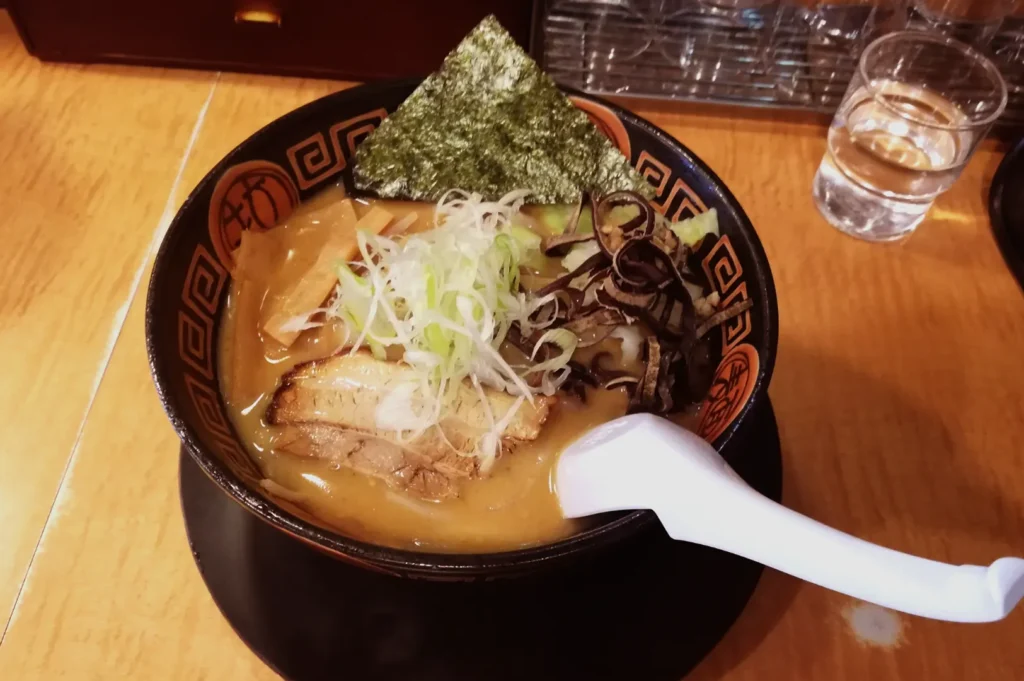
Ramen is a complete, uncompromising meal, but not all broths are created equal. Ordering the wrong broth can leave you feeling either unsatisfied or overwhelmingly full.
Here are the main profiles you will encounter at ramen restaurants:
Shoyu (Soy Sauce) Ramen: A light, savory broth with a clean, umami-rich flavor. It offers a balanced noodle texture and is approachable for most diners.
Miso Ramen: A rich, nutty, and hearty broth made with fermented soybean paste. It’s fantastic if you have a massive appetite or need comfort food on a rainy day. The broth has a subtle sweetness and depth that pairs well with toppings like pork belly and vegetables.
Tonkotsu Ramen: Made from boiling pork bones for hours, this broth is creamy, dense, and intensely flavorful. It carries a richness from saturated fat but is balanced by the careful temperature control during preparation. The preferred method of cooking the broth ensures a silky, thick consistency that coats the noodles perfectly.
Toripaitan (Creamy Chicken Broth): A creamy chicken broth that gives you the rich mouthfeel of tonkotsu but feels significantly lighter. It’s often cooked with chicken thigh and green onion to add fresh, savory notes.
If I am grabbing a CBD lunch in Telok Ayer, I usually head to Tori San for their toripaitan ramen ($12.90). It satisfies that craving for a creamy soup without putting me to sleep at my desk an hour later.
Handrolls Explained: Why Nori, Rice, and Timing Matter
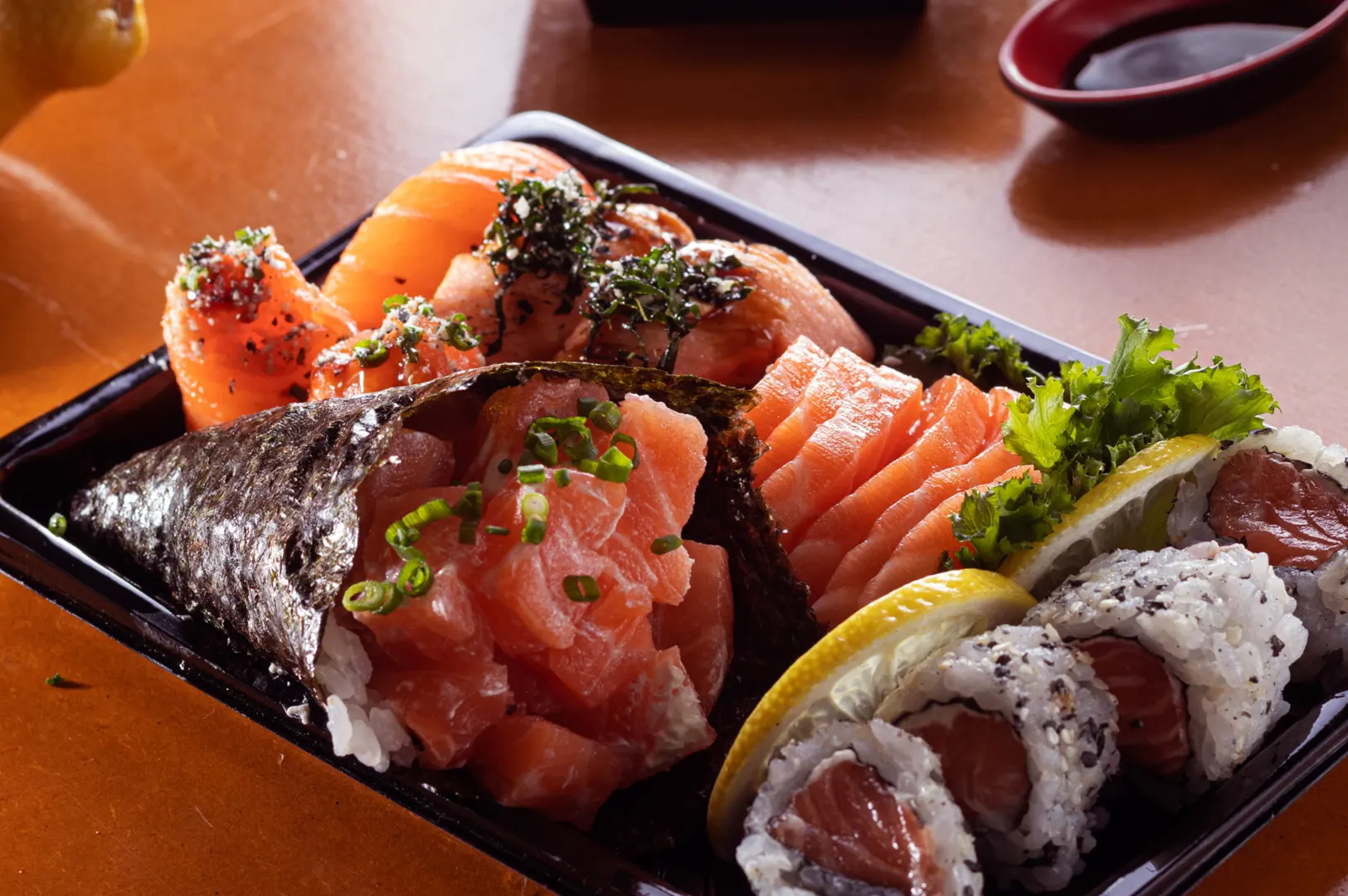
Handrolls, or temaki, are having a major moment right now. A handroll is essentially a piece of crisp nori seaweed wrapped around warm sushi rice and a savory filling. It is meant to be eaten strictly by hand.
At a modern spot like Toku Nori Handroll Bar, you can find traditional fillings like salmon and tuna, alongside highly decadent options like the Engawa (flounder fin) roll for $9.50, or wagyu sliced beef and sea urchin.
I love handroll bars for a date night. The experience feels interactive and premium, but it is lighter than a massive bowl of noodles.
Insider knowledge: You must eat a handroll the absolute second the chef hands it to you. The entire magic of the dish relies on the contrast between the warm, soft rice and the shatteringly crisp seaweed. If you let it sit on your plate for three minutes while you take photos, the nori will turn soggy and chewy. Eat it immediately.
Common Ordering Mistakes I’ve Made (So You Don’t Have To)
I have learned these lessons the hard way. Keep these in mind to save your wallet and your dignity.
Treating ramen as a side dish: I once ordered a bowl of rich tonkotsu ramen to “share” alongside a full spread of yakitori and karaage. We barely touched it. Ramen is too heavy to play a supporting role. If you want noodles at an izakaya, order a small, simple bowl right at the end of the meal only if you are still hungry.
Ordering premium items blindly: A $25 skewer of A5 wagyu sliced beef sounds incredible, but if the kitchen is slammed and the grill is inconsistent, that premium meat might arrive overcooked. I always start with a basic $4 chicken thigh skewer. If they nail the basic chicken, I trust them with the expensive beef.
Ignoring the daily specials board: The best items at an authentic Japanese restaurant are rarely printed on the laminated menu. Look for the chalkboards on the wall. That is where you find the fresh seasonal fish flown in that morning.
What Diners Wonder Most About Japanese Restaurants in Telok Ayer

How much should I expect to spend in Telok Ayer?
For a quick ramen lunch, budget $15 to $25. For casual izakaya snacks and a beer, plan for $40. For a full dinner with premium handrolls or extensive sake pairings, expect to spend $80 to $150 per person.
Is it okay to dine solo at these places?
Absolutely. Japanese dining culture is incredibly welcoming to solo diners. Ramen shops and handroll bars are practically built for it. Just ask for a counter seat. You get a great view of the kitchen, and you never feel awkward taking up a large table.
Do I need to know Japanese etiquette?
You do not need to bow perfectly, but a little awareness helps. Do not rub your wooden chopsticks together (it implies they are cheap and splintery). Never stick your chopsticks vertically into a bowl of rice. And if you are pouring drinks for a group, pour for your friends first before filling your own glass.
A Final Note Before You Book Your Next Seat
Navigating a Japanese menu in Telok Ayer does not require a culinary degree. It just requires a little bit of context.
Once you know that yakitori gives you smoky comfort, sake dictates the rhythm of the night, ramen provides a fast, complete meal, and handrolls offer a crisp, modern bite, the neighborhood completely opens up to you.
The next time you walk into a shophouse on Boon Tat Street or Telok Ayer Street, you will not freeze at the menu. You will grab the server’s attention, ask for a chilled ginjo sake, order a round of negima skewers with salt, and settle in for a brilliant night. Order with confidence, and enjoy the food.