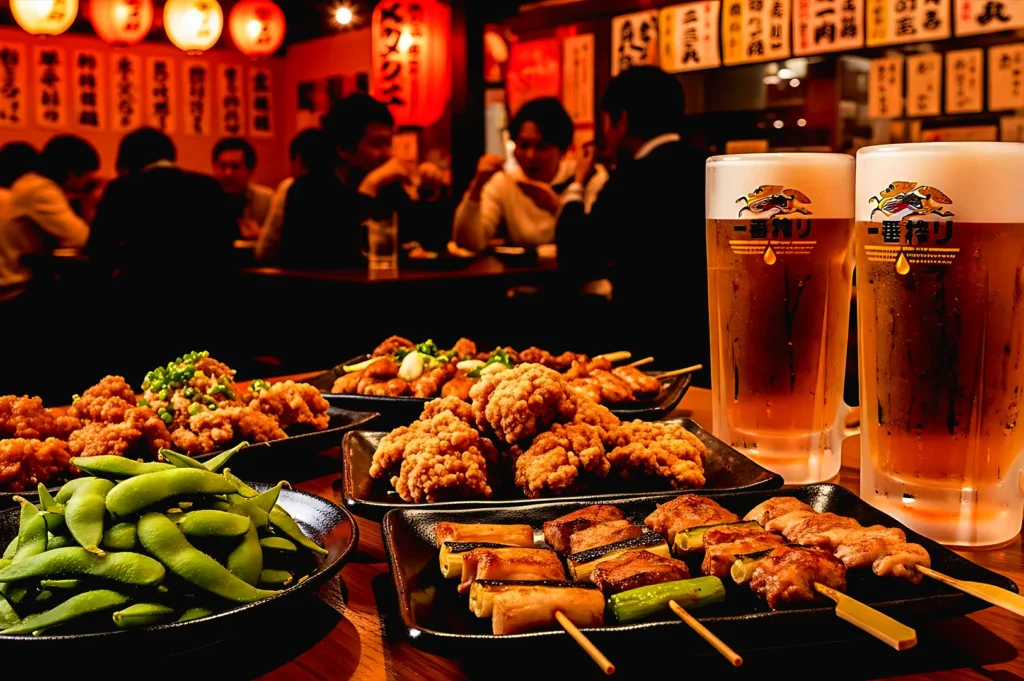
The kitchen groans when page one and page two get ordered together.
You think we’re exaggerating?
Watch what happens the next time a big group sits down at an izakaya for the first time.
Menus open. Everyone gets excited. Somebody says:
“Let’s just order a lot first.”
And suddenly:
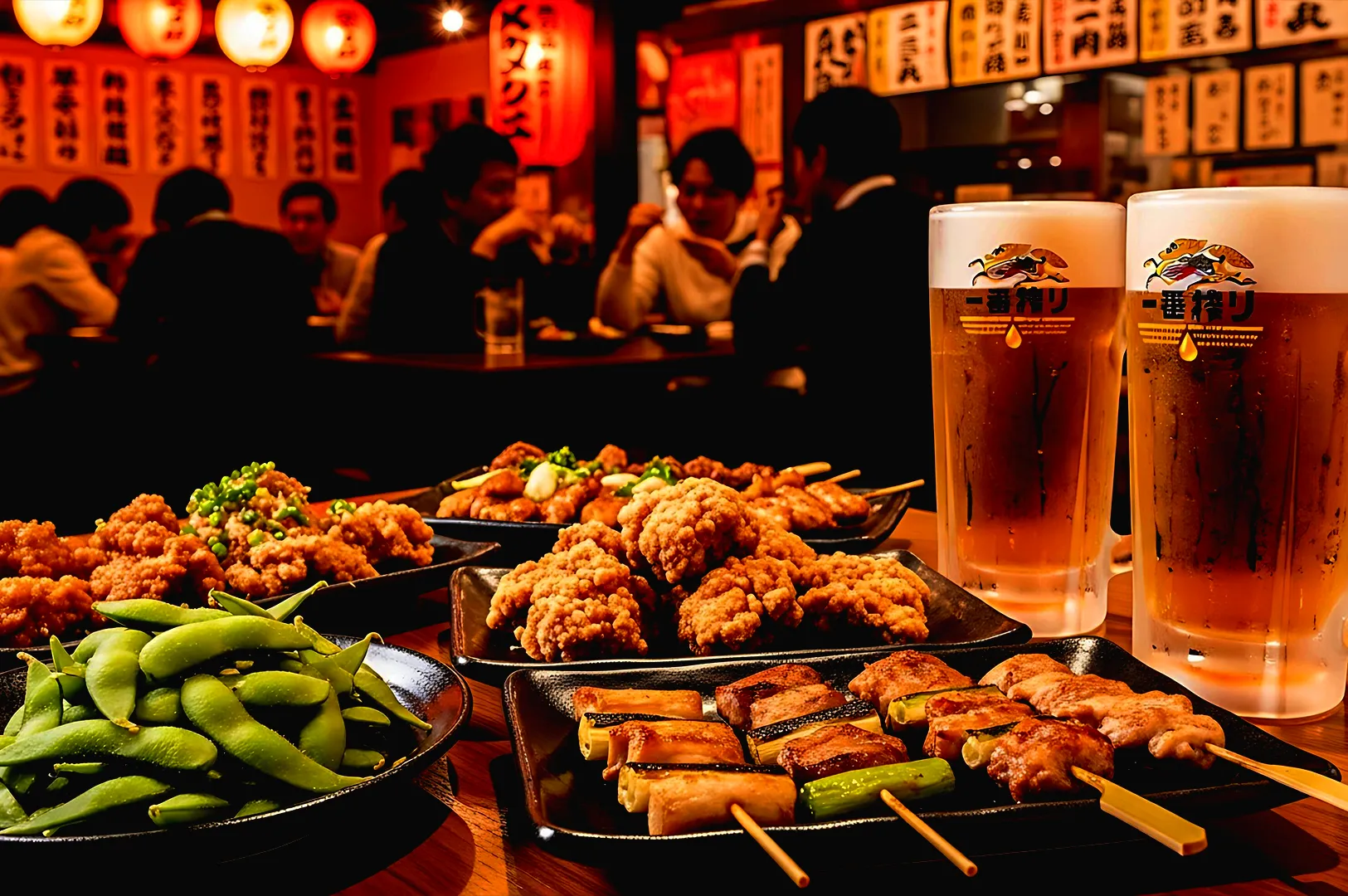
- 18 skewers
- 4 fried dishes
- grilled fish
- rice
- maybe noodles for some reason
…all go into the system at once.
From the table, it feels efficient.
Honestly, this is how a lot of people approach Japanese dining around Orchard too — trying to hit everything at once after spotting lists for affordable Japanese food in Orchard Singapore.
From the kitchen?
Absolute chaos.
The Grill Is Not Built for Panic
Here’s the thing most diners don’t realize.
An izakaya grill isn’t designed like a fast-food production line. Especially in yakitori-focused places, skewers cook at different speeds depending on:
- fat content
- cut thickness
- seasoning style
- heat zone on the grill
Chicken skin cooks differently from thigh.
Negima behaves differently from tsukune.
When huge orders hit all at once, the grill gets congested fast.
And once congestion starts, timing becomes messy.
Some skewers finish too early. Others get delayed. The kitchen starts juggling instead of pacing.
That’s when the experience quietly starts falling apart.
Everything Lands at the Wrong Time
At first, big orders feel exciting.
The table fills up quickly. Plates everywhere. Drinks flowing.
Then reality kicks in.
Half the skewers are cooling while the fried dishes arrive. Someone’s still eating karaage while grilled vegetables appear out of nowhere. Rice shows up before the second drink.
The table stops flowing naturally.
Now we’re managing food instead of enjoying it.
This is what chefs try to avoid.
Because izakaya dining works best in waves — not avalanches.
The Kitchen Starts Playing Defense
Once the first oversized order hits, the kitchen usually adapts immediately.
You might not notice it happening, but:
- dishes get intentionally staggered
- heavier items get delayed
- certain skewers are pushed back
- pacing becomes controlled from behind the scenes
This isn’t bad service.
It’s recovery.
The kitchen is trying to recreate rhythm after the table accidentally destroyed it in the first 10 minutes.
And honestly? Experienced staff can usually tell which tables are about to do this before the first drink arrives.
Bigger Orders Don’t Mean Better Nights
This is the part people misunderstand most.
Ordering more food upfront does not create a better experience.
Usually, it creates:
- palate fatigue
- overcrowded tables
- rushed eating
- colder food
- less appreciation for individual dishes
Around the halfway point, something always changes.
Nobody reacts to new dishes anymore.
The excitement disappears because everything blends together — smoke, salt, sauce, fried textures, repeat.
The table gets full long before the night feels complete.
Regulars Rarely Order This Way
Watch regular diners at an izakaya.
They almost never start aggressively.
A few skewers first. Maybe one cold dish. One fried item if the table’s hungry.
Then they pause.
Eat. Drink. Talk.
Only after that do they order again.
This pacing gives:
- the grill breathing room
- the kitchen flexibility
- the table better rhythm
Most importantly, it keeps the night alive longer.
The Menu Was Never Meant to Be Conquered
Long izakaya menus create a dangerous illusion.
Because everything looks small, we assume we can handle more than we actually want.
But these menus aren’t designed to be completed in one sitting.
They’re designed for:
- repeat visits
- different moods
- changing appetites
- evolving conversations over the night
The best izakaya meals usually leave us wanting one more dish we didn’t order.
That’s intentional.
The Real Skill Is Knowing When to Stop Ordering
Not every great izakaya night comes from trying everything.
Sometimes the best tables are the ones that leave space:
- space for pacing
- space for conversation
- space for the next round
And usually, those are the tables the kitchen enjoys serving most.