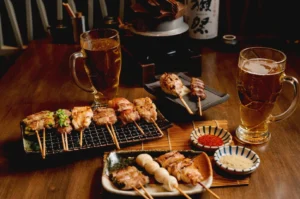
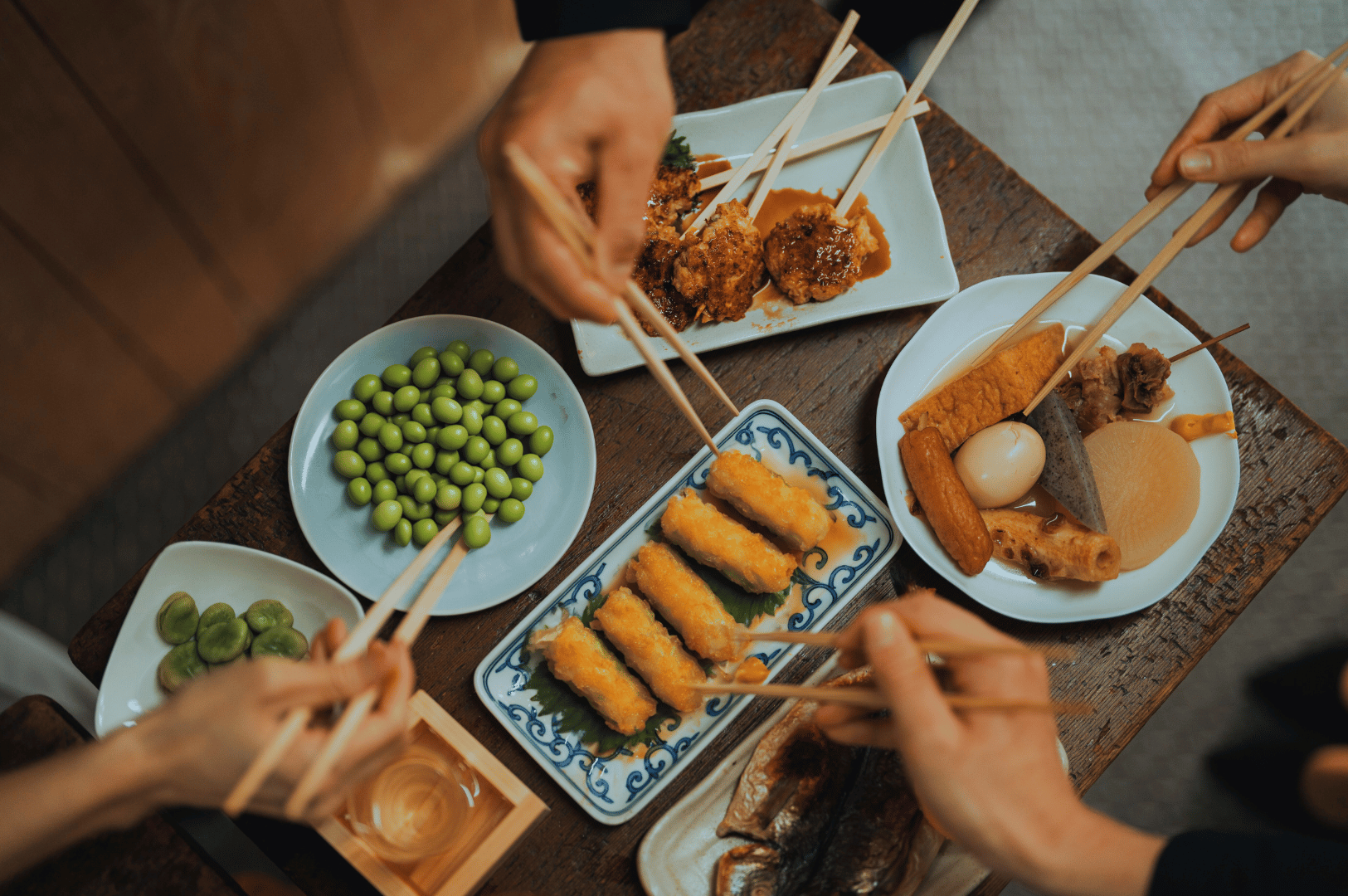
When you think of Japanese food, what comes to mind? For many, it’s the comforting sight of miso soup, ramen noodles, and sushi rice rolled with fresh fish. Add in cozy wooden interiors, glasses of sake clinking, and laughter filling the air—and you’ve got an izakaya, Japan’s answer to a pub.
Traditionally, izakayas are known for grilled meats and seafood, but in Singapore, a new wave of vegetarian izakayas is changing the game. These spots are proving that Japanese cuisine can be both authentic and plant-based, serving vegan Japanese food that delights even the most devoted meat lovers. For those who usually eat meat, finding vegetarian izakayas in Singapore can be a unique experience, as these establishments cater to both vegetarians and people who eat meat by offering satisfying plant-based alternatives.
Whether you’re following a plant based diet, enjoy vegan options, or simply love exploring new Japanese recipes, these izakayas show how plant based ingredients can reimagine traditional Japanese cuisine without losing its heart.
And if you’re wondering where to begin, Best Izakaya is your insider’s guide to discovering these plant-forward gems. Curated with care and written for curious eaters, it brings together thoughtful recommendations, real dining experiences, and the stories behind Singapore’s most exciting izakayas—vegetarian and beyond. Think of it as a shortcut past the guesswork, leading you straight to places where meatless Japanese food feels intentional, satisfying, and worth lingering over.
What Makes an Izakaya: A Japanese Cooking Classic
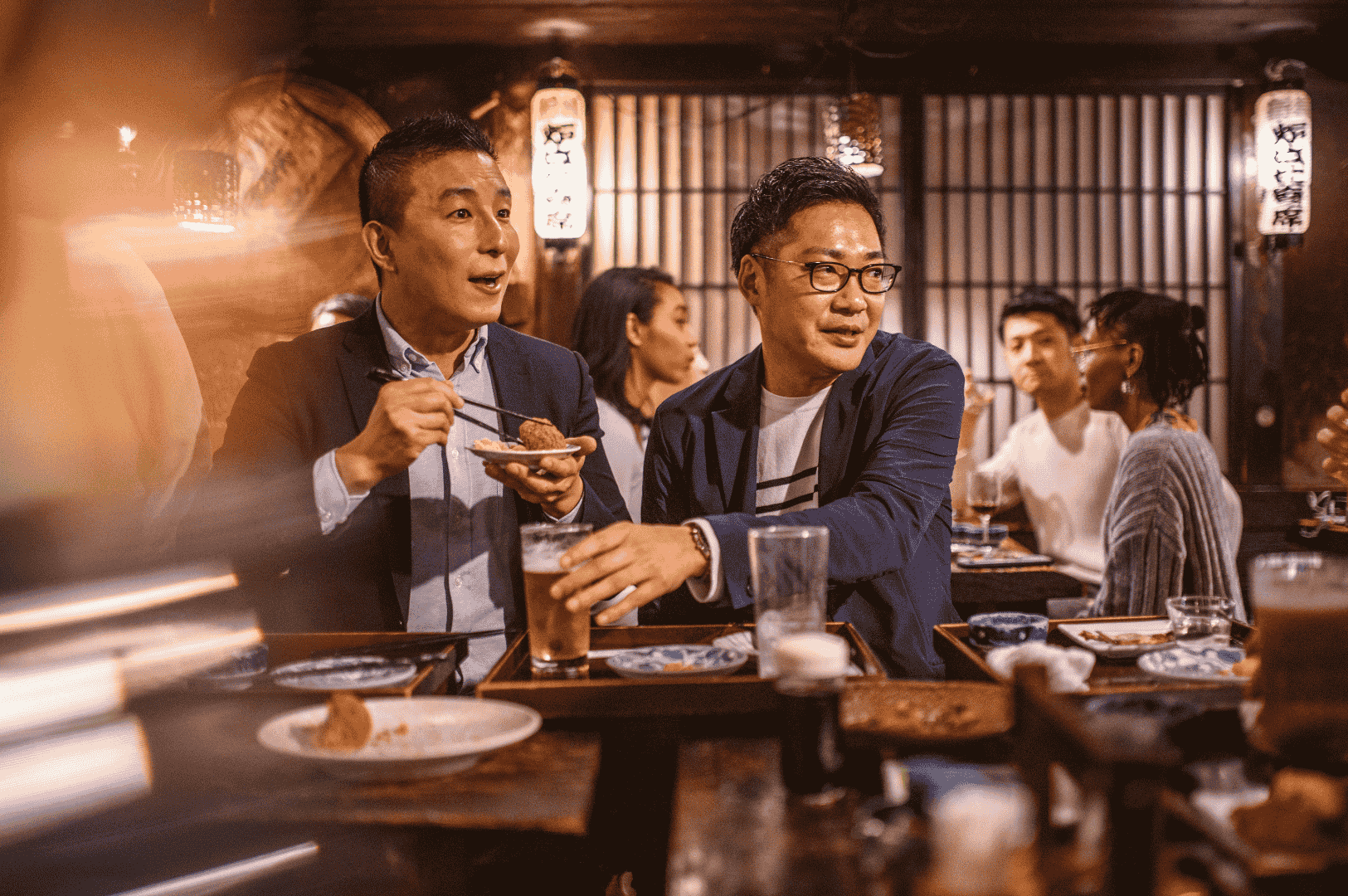
An izakaya is more than just a place to eat—it’s a cultural experience. In Japan, these lively establishments are where friends gather after work to unwind over drinks and small plates. Think of them as a Japanese-style gastropub, where conversation flows as freely as the soy sauce.
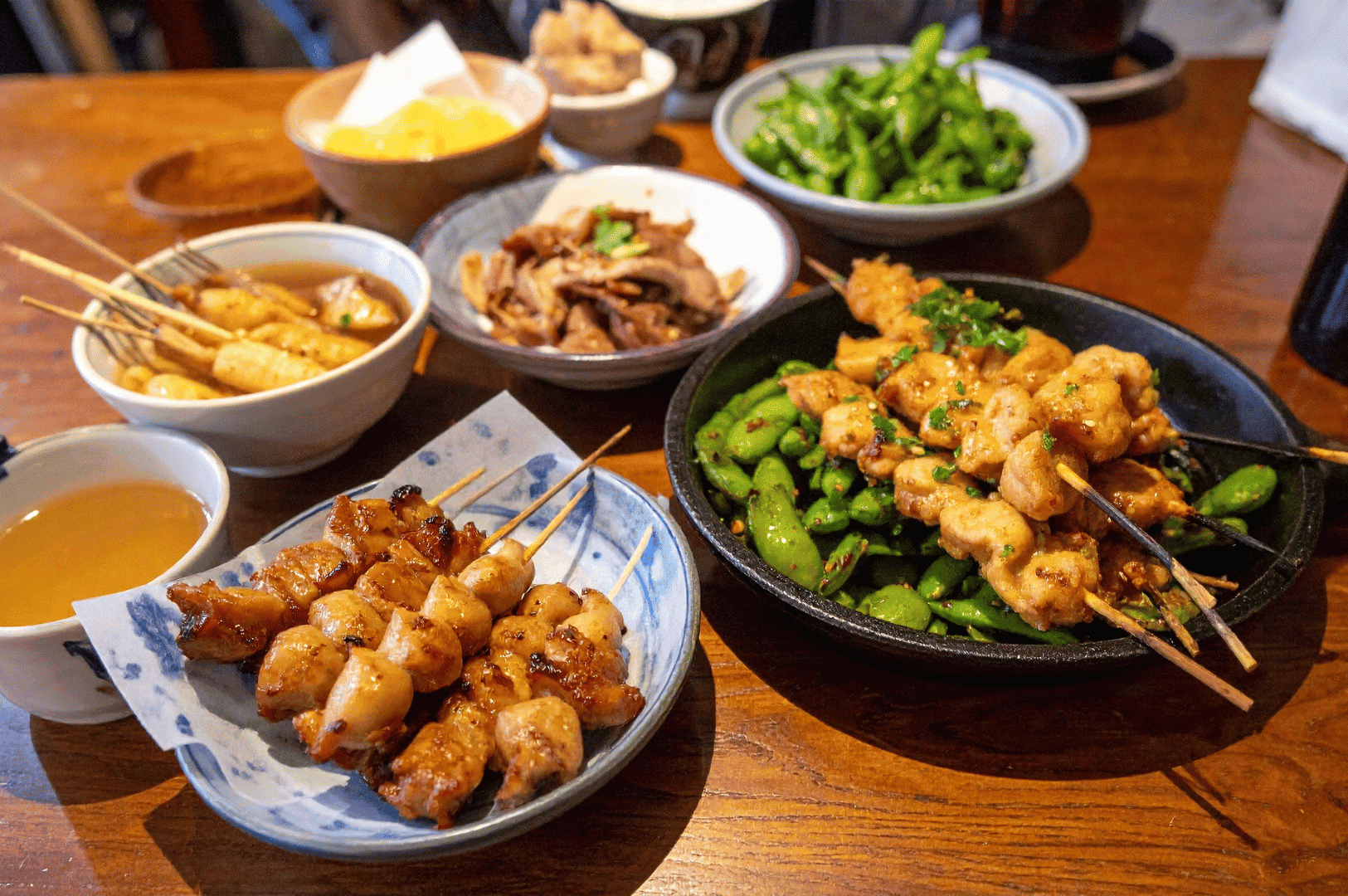
Menus usually include yakitori (grilled skewers), tempura, and sashimi—but with the rise of vegan food and plant based eating, chefs are getting creative. Vegetables and plant-based proteins are cooked using traditional Japanese techniques to achieve authentic flavors and textures.
In Singapore, vegetarian izakayas are gaining traction, balancing innovation with tradition.
Here, dishes like vegan ramen, soba noodle salad, and vegan sushi with creamy avocado or pickled plum toppings bring a refreshing twist to Japanese cooking.
Top Vegetarian Izakayas Singapore: Plant-Based Japanese Delights
1. Aburiya Veggie Haven
Location: 123 Orchard Road, Singapore 238897
Ambiance: Zen-like space with bamboo details and dim lighting—ideal for a relaxed evening.
Signature Dishes:
Grilled eggplant with miso glaze (nasu dengaku)
Plant-based “chicken” yakitori skewers
Vegan okonomiyaki (Japanese pancake)
Price Range: SGD 25–40 per person
Why It Stands Out:
Using binchotan charcoal, Aburiya Veggie Haven achieves that signature smoky taste usually reserved for grilled meat. Their vegan Japanese dishes prove that plant based grilling can deliver a perfect balance of texture and flavor. The chefs cook these dishes using traditional Japanese grilling and preparation techniques, ensuring authentic taste and presentation.
2. Herbivore Japanese Vegetarian Restaurant
Location: 190 Middle Road, #01-13/14 Fortune Centre, Singapore 188979
Ambiance: Warm, intimate, and minimalist with classic Japanese décor—wooden furnishings, soft lighting, and a calm, welcoming atmosphere that encourages slow, mindful dining.
Signature Dishes:
Mock “Salmon” Sashimi and Vegan Sushi Rolls
Tonkatsu Vegan Bento with rice and assorted sides
Vegetable Tempura and Gyoza (no garlic or onion)
Price Range: SGD 25–40 per person
Why It Stands Out:
Herbivore is Singapore’s first fully vegetarian Japanese restaurant, offering a wide range of meat-free dishes inspired by classic Japanese cuisine. The restaurant avoids meat, fish, eggs, garlic, and onions, with many items also suitable for vegans. Its creative approach transforms traditional favorites—like unagi, katsu, and ramen—into satisfying vegetarian versions without compromising on flavor or presentation.
3. Ki Su Shoujin Omakase
Location: Tras Street, Tanjong Pagar, Singapore
Ambiance: A tranquil, minimalist space that reflects Japanese Zen aesthetics, featuring warm wood tones, soft lighting, and a serene counter seating area perfect for intimate dining.
Signature Dishes:
Beetroot “Cigar” starter
10-course plant-based omakase showcasing seasonal vegetables
Dishes inspired by shōjin ryōri (traditional Buddhist vegetarian cuisine)
Price Range: SGD 88 for lunch (8-course omakase); SGD 168 for dinner (10-course omakase)
Why It Stands Out:
Ki Su Shoujin Omakase redefines Japanese vegetarian dining in Singapore with its focus on seasonal, plant-based ingredients and traditional shōjin ryōri techniques. Each dish is crafted with precision, emphasizing natural flavors, balance, and texture—much like a perfectly crisp tempura made with rice flour for a light, airy bite. Pair it with soy sauce and toasted sesame seeds for the ultimate Japanese version of comfort food.
4. Afterglow
Location: 24 Keong Saik Road, Singapore 089131
Ambiance: Casual yet stylish, Afterglow blends a modern farm-to-table aesthetic with warm, earthy tones and minimalist design. It’s a welcoming space that captures the spirit of mindful, plant-based dining.
Signature Dishes:
Deconstructed sushi bowl with avocado and miso dressing
Nori rolls filled with homemade kimchi and achar
Raw vegan desserts made with cashew or nut “cheese”
Price Range: SGD 35–50 per person
Why It Stands Out:
Afterglow is a pioneer in Singapore’s plant-based dining scene, offering 100% vegan dishes with Japanese and Asian influences. Each dish is crafted from fresh, locally sourced produce and presented with a creative, modern touch—enhancing every bite with layers of delicate flavors. Afterglow proves that plant-based dining can be both vibrant and indulgent—making it a must-visit for conscious eaters seeking comfort food with style.
5. Wakamama
Location: 218 Pasir Panjang Road, #02-15 ICON @ Pasir Panjang, Singapore
Ambiance: Intimate and minimalist, Wakamama offers a chef’s table-style dining experience where each seat feels personal. The atmosphere is calm, refined, and centered around mindful appreciation of each course.
Signature Dishes:
Plant-based “sashimi” and nigiri crafted from fermented and whole-food ingredients
“Shark fin” melon soup in vegan dashi
Raw and fermented desserts such as amazake and vegan chocolate bonbons — similar Japanese snacks and sweets can often be found in convenience stores across Japan
Price Range: SGD 168–208 per person for omakase menus
Why It Stands Out:
Wakamama redefines vegan fine dining in Singapore through its fully plant-based and gluten-free omakase experience. The restaurant also embraces traditional Japanese cuisine, serving cold tofu, yaki onigiri (Japanese rice balls), and soba noodles prepared the authentic way—without bonito flakes but rich in fresh ginger, sesame oil, and spicy seasoning. The result is a tasting journey that’s both nourishing and sophisticated—proving that plant-based dining can be as luxurious and intricate as any traditional omakase.
Japanese Curry and Noodle Options for Vegetarians
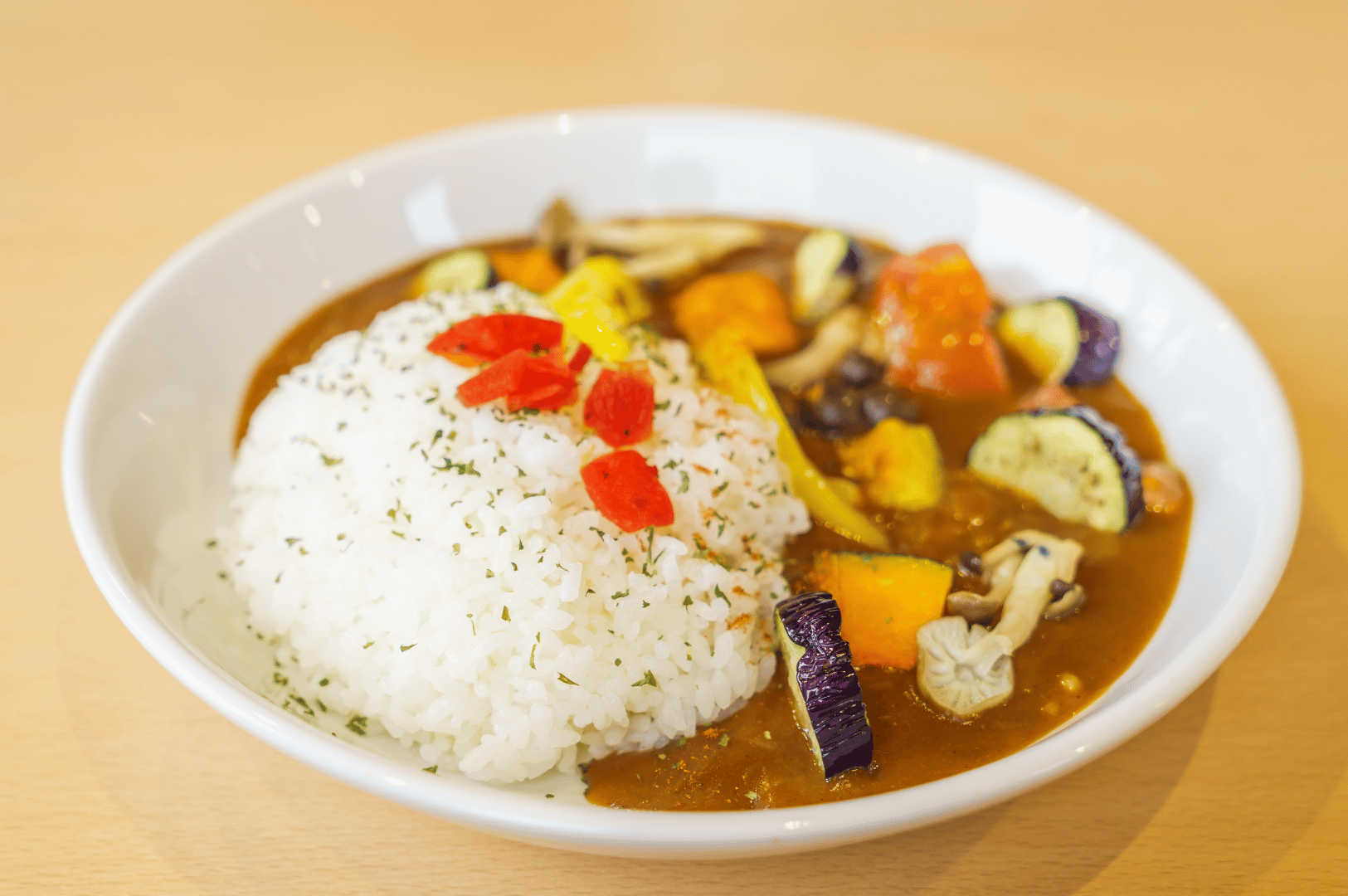
When it comes to comfort food in Japanese cuisine, few dishes are as beloved as Japanese curry. Known locally as “karē raisu,” this hearty classic is a staple in homes and restaurants across Japan—and it’s surprisingly easy to enjoy a vegan Japanese curry that’s every bit as rich and satisfying as the original. By swapping out meat for plant-based ingredients like tofu, lentils, or king oyster mushrooms, you can create a delicious curry that’s packed with flavor and perfect for anyone following a plant-based diet.
Vegetable curry is a Japanese dish that celebrates the natural sweetness and texture of carrots, potatoes, and green beans, all simmered in a golden curry sauce. For a protein boost, tofu curry is a favorite among vegans, with marinated tofu cubes soaking up the savory spices. Mushroom curry, featuring shiitake or cremini mushrooms, delivers an earthy depth that rivals any meat-based version. And for those who love a hearty, comforting meal, lentil curry brings a satisfying bite and plenty of fiber to the table.
But Japanese cuisine isn’t just about curry—noodle lovers will find plenty to get excited about, too. Soba noodles, made from buckwheat flour, are a Japanese classic that can be enjoyed hot or cold, tossed with crisp vegetables and a sweet-savory sauce. Udon noodles, thick and chewy, are perfect in a steaming bowl of broth with tofu and seasonal greens. Even ramen noodles, traditionally served in pork or chicken broth, now have vegan versions featuring plant-based broths brimming with umami from miso, seaweed, and fresh ginger.
Whether you’re dining at a vegetarian restaurant or experimenting with vegan recipes in your own kitchen, Japanese curry and noodle dishes offer endless possibilities for plant-based eating. With their perfect balance of flavors and textures, these vegan Japanese dishes are proof that you don’t need meat to enjoy the best of Japanese cooking. So grab your chopsticks and get ready for a culinary adventure that will delight your taste buds and nourish your whole family.
The Roots of Vegan Japanese Cuisine
The foundation of vegan Japanese cuisine lies in shojin ryori, a Buddhist temple style of cooking that celebrates harmony between food and nature. Staples like soft tofu, dried seaweed, stir fry vegetables, and rice bowls demonstrate how Japanese people have long appreciated balance and simplicity in their Japanese cooking.
Even dishes like Japanese curry and fried rice have vegan versions that are surprisingly easy to recreate in your own kitchen. Whether it’s golden curry with bell peppers or a refreshing soba noodle salad topped with toasted sesame seeds, these vegan recipes capture the heart of Japanese cuisine while promoting mindful, plant based eating.
Breaking Myths About Vegan Japanese Food
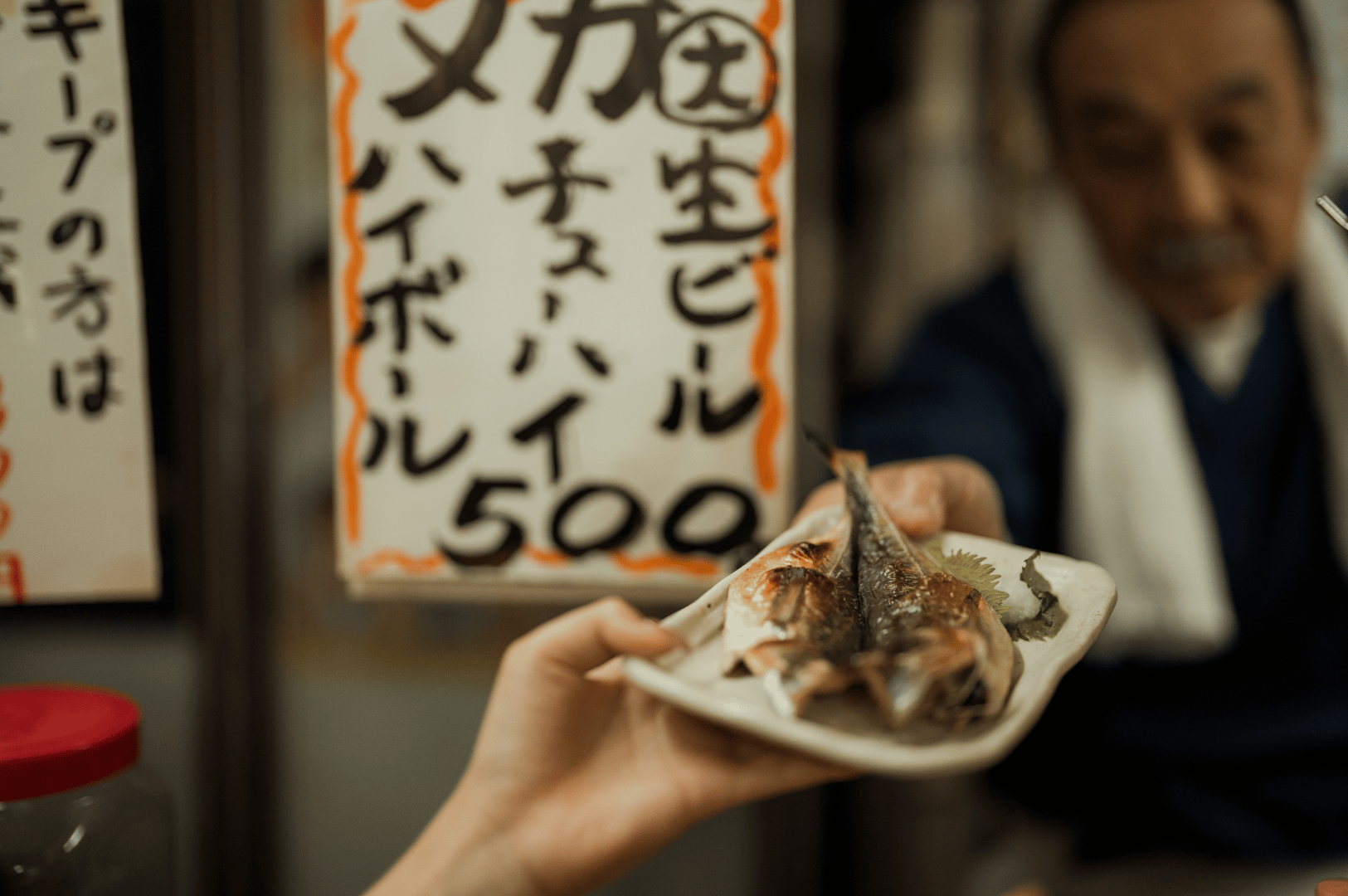
It’s a common acquired taste myth that vegan Japanese food lacks flavor—but anyone who’s tried vegan ramen, vegan Japanese curry, or sushi packed with creamy avocado knows that’s far from true.
Japanese cooking thrives on umami, achieved through ingredients like soy sauce, miso, seaweed, and mushrooms. These create the perfect balance of richness and aroma—even without meat or fish.
Modern chefs, from Tim Anderson to local innovators, are proving that vegan Japanese recipes are not just substitutes—they’re delicious, dynamic dishes in their own right.
Sustainability and Plant Based Eating in Izakayas
Choosing plant based isn’t just about eating healthier—it’s about making sustainable choices. Many vegetarian izakayas Singapore prioritize low-waste operations, local sourcing, and eco-friendly packaging. By supporting these Japanese restaurants, you’re helping reduce carbon impact and encouraging plant based eating that benefits both people and the planet.
From soba noodles to vegan sushi, these dishes showcase that vegan Japanese food can satisfy your cravings while aligning with conscious dining values.
Conclusion: Eat Vegan, Eat Joyfully

Singapore’s vegetarian izakayas celebrate more than just food—they embody the evolution of Japanese cuisine through creativity and compassion.
Whether it’s a king oyster mushroom skewer brushed with soy sauce, a bowl of ramen noodles swimming in rich miso soup, or sushi wrapped with crisp cucumber and rice vinegar-seasoned sushi rice, there’s something for everyone.
So next time you’re planning to eat vegan, gather your friends and dive into the warm, lively world of vegetarian izakayas Singapore. These Japanese restaurants promise not only a feast for your taste buds—but also a deeper appreciation for the beauty of plant based Japanese food.
Your vegan Japanese adventure awaits.
Some evenings call for a little more context, not more choices. Best Izakaya exists in that space—where menus are read slowly, atmospheres are felt before they’re described, and recommendations come from understanding rather than hype. This is where izakaya culture is explored with patience, helping each meal feel considered, familiar, and quietly rewarding.