The Best Japanese Restaurant in Singapore: Your Complete Guide to Authentic Japanese Dining

Singapore is renowned as a top destination for Japanese cuisine outside Japan. From Michelin-starred omakase experiences featuring premium ingredients flown in daily from Japan’s Toyosu Market, to lively izakayas offering sake pairings and small plates, the city boasts an exceptional japanese dining scene rivaling Tokyo itself. Singapore’s vibrant food culture has made it a hub for some of the finest Japanese restaurants, cementing its reputation as a must-visit city for Japanese cuisine lovers.

Finding the best japanese restaurant in singapore can be daunting with so many options. Whether you seek modern japanese dining at Marina Bay Sands, hidden gems in Chinatown Point, or authentic izakayas, this guide helps you navigate the extensive japanese food landscape. Curated by bestizakaya.com.sg, Singapore’s authority on authentic japanese restaurants, you’ll discover where to indulge in exceptional japanese cuisine for every occasion and budget. Be sure to dine at these top picks to experience the best of Japanese dining in Singapore.

Top Japanese Restaurants in Singapore

Singapore’s japanese restaurants include world-class establishments showcasing japanese culinary mastery. These fine dining venues highlight exceptional culinary techniques and quality ingredients.
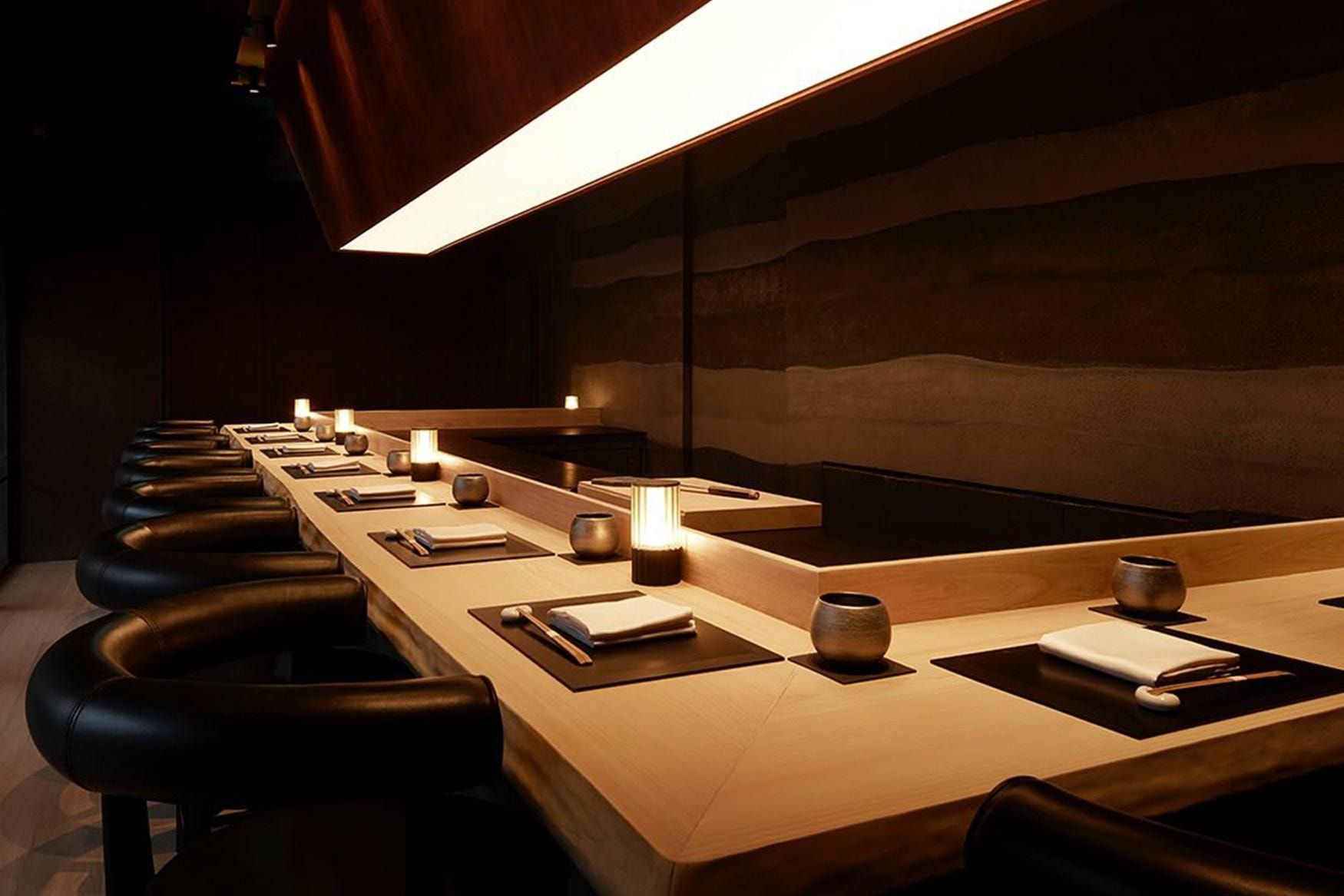
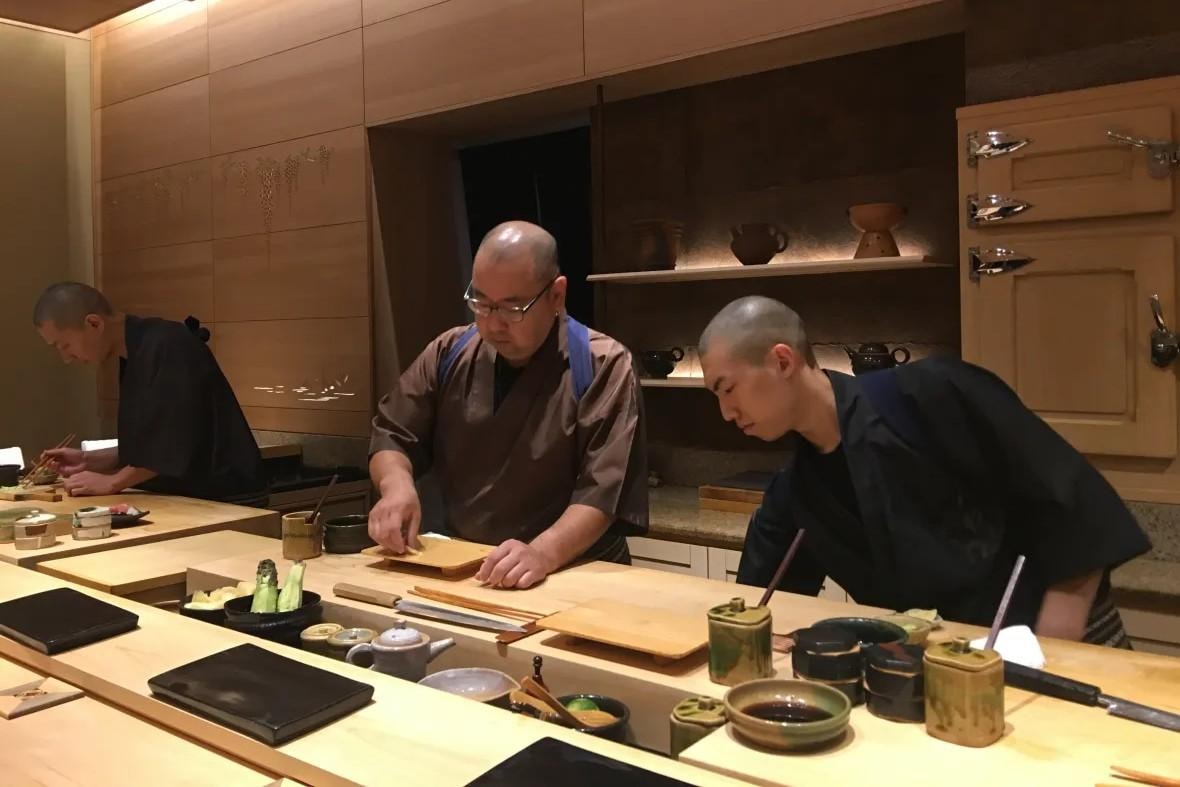
Shoukouwa is a prestigious sushi destination with multiple Michelin stars, offering an intimate sushi bar where Japanese chefs prepare each piece with freshly grated wasabi and premium ingredients from Japan. Its signature dishes balance traditional techniques with contemporary presentation, with prices from $300–500 per person. Sushi and sashimi are served with meticulous attention to presentation, ensuring each dish is visually stunning and fresh.

Waku Ghin at Marina Bay Sands blends Japanese cuisine with French techniques, crafting innovative dishes from seasonal produce. Chef Tetsuya Wakuda’s culinary artistry shines in a private dining room and chef’s table setting, offering guests an exclusive and personalized experience. The tasting menu features truffle paste alongside traditional Japanese ingredients, as well as premium sanchoku wagyu and other high-end beef dishes, delivering an unforgettable meal.

Sushi Ichi specializes in Edomae-style sushi with perfectly seasoned Japanese rice and fresh fish from Toyosu Market. Diners indulge in exceptional sashimi and sushi, with meals typically $200–400 per person. Premium tuna, including prized cuts, is a highlight, and each piece is served with elegant presentation to enhance the dining experience.

KOMA Singapore elevates modern Japanese dining with contemporary design and an innovative menu. Combining traditional Japanese cooking with international influences, it offers signature dishes such as gyukatsu beef cutlets and an extensive sake menu. Guests can watch chefs apply refined culinary techniques in an open kitchen. The dessert offerings, including unique Japanese-inspired sweets, are a memorable part of the meal.
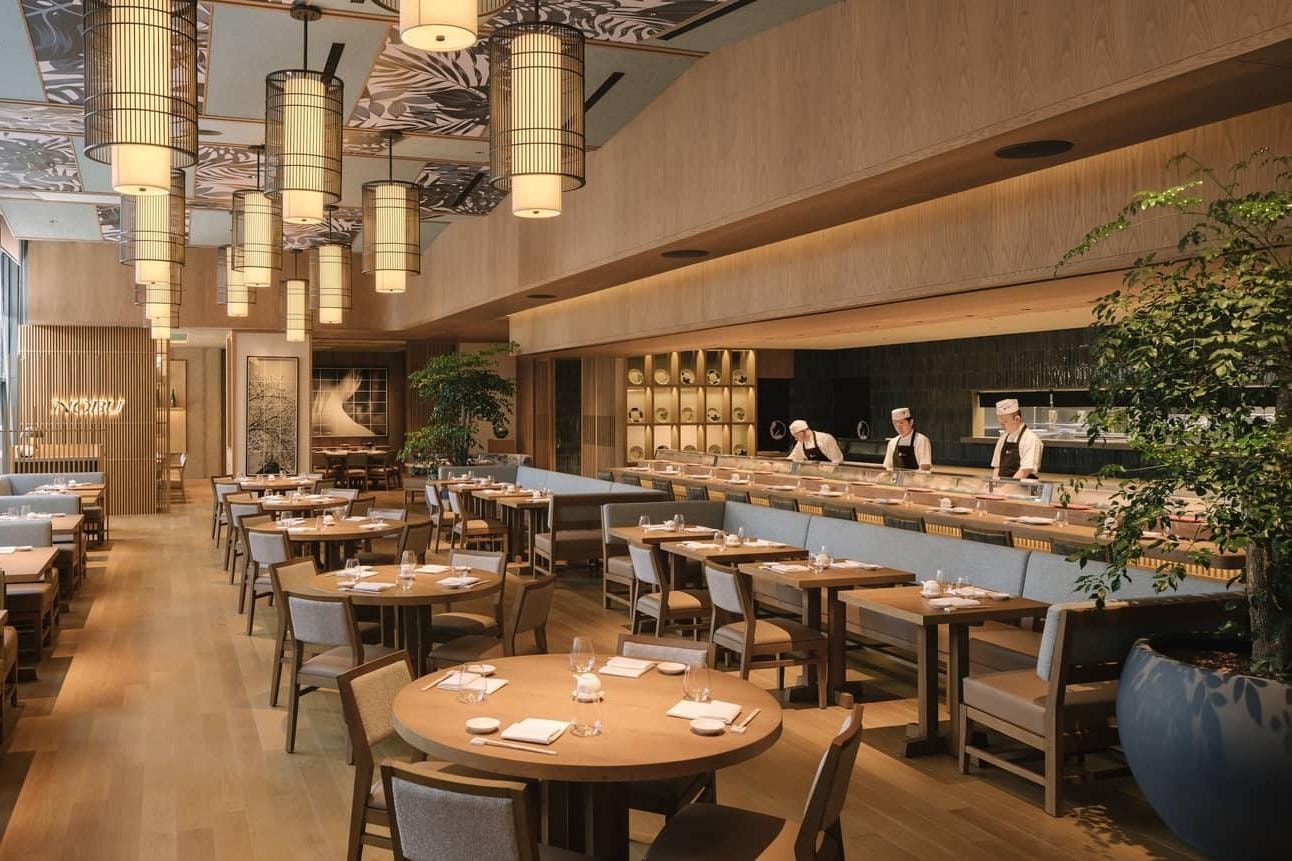
Nobu Singapore continues Chef Nobu Matsuhisa’s legacy, serving modern Japanese food with Peruvian influences. Signature dishes like black cod miso and yellowtail sashimi with jalapeño exemplify culinary excellence. Premium tuna is featured in several sushi and sashimi dishes. Lunch and dinner options highlight quality ingredients and precise execution, and the dessert menu offers creative confections to complete the dining experience.
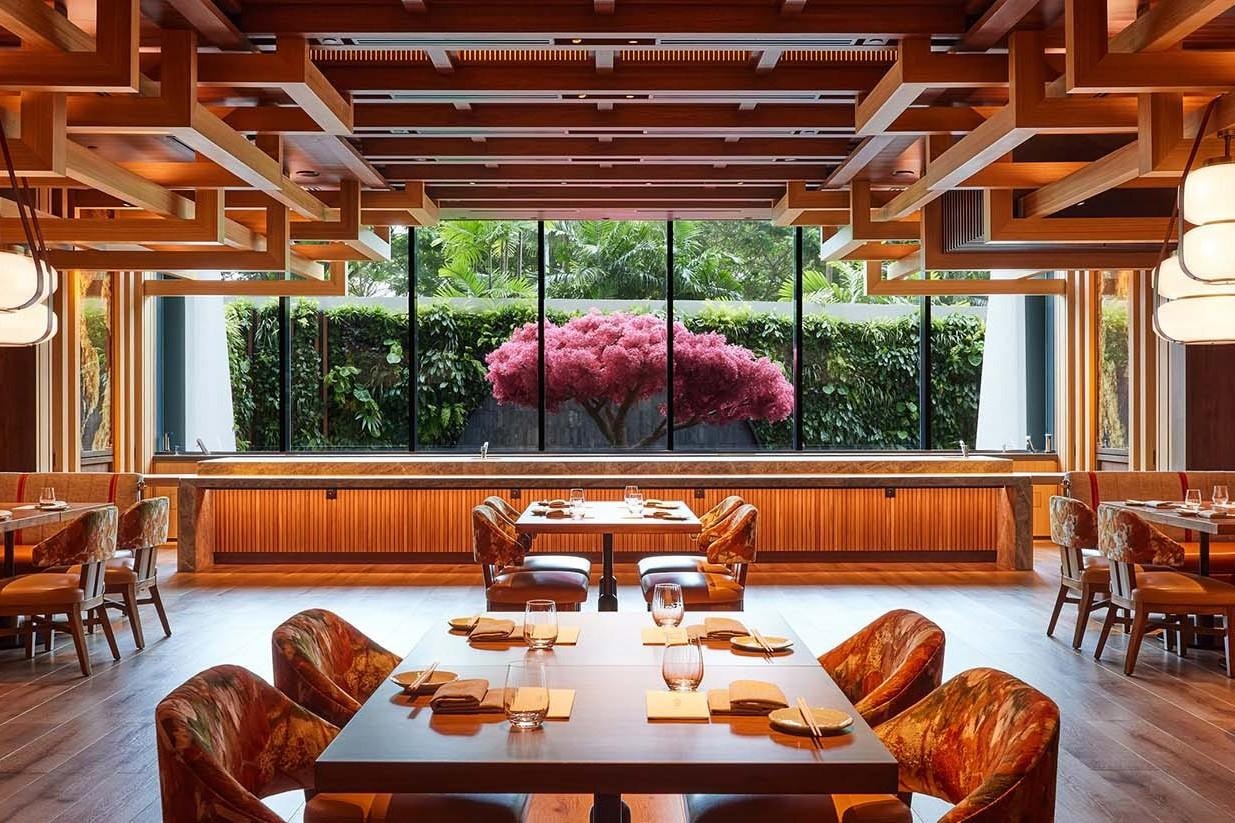
Wakuda presents Chef Tetsuya Wakuda’s seasonal menus emphasizing French techniques and Japanese culinary mastery. The elegant atmosphere suits special occasions, with dishes showcasing the best seasonal produce.
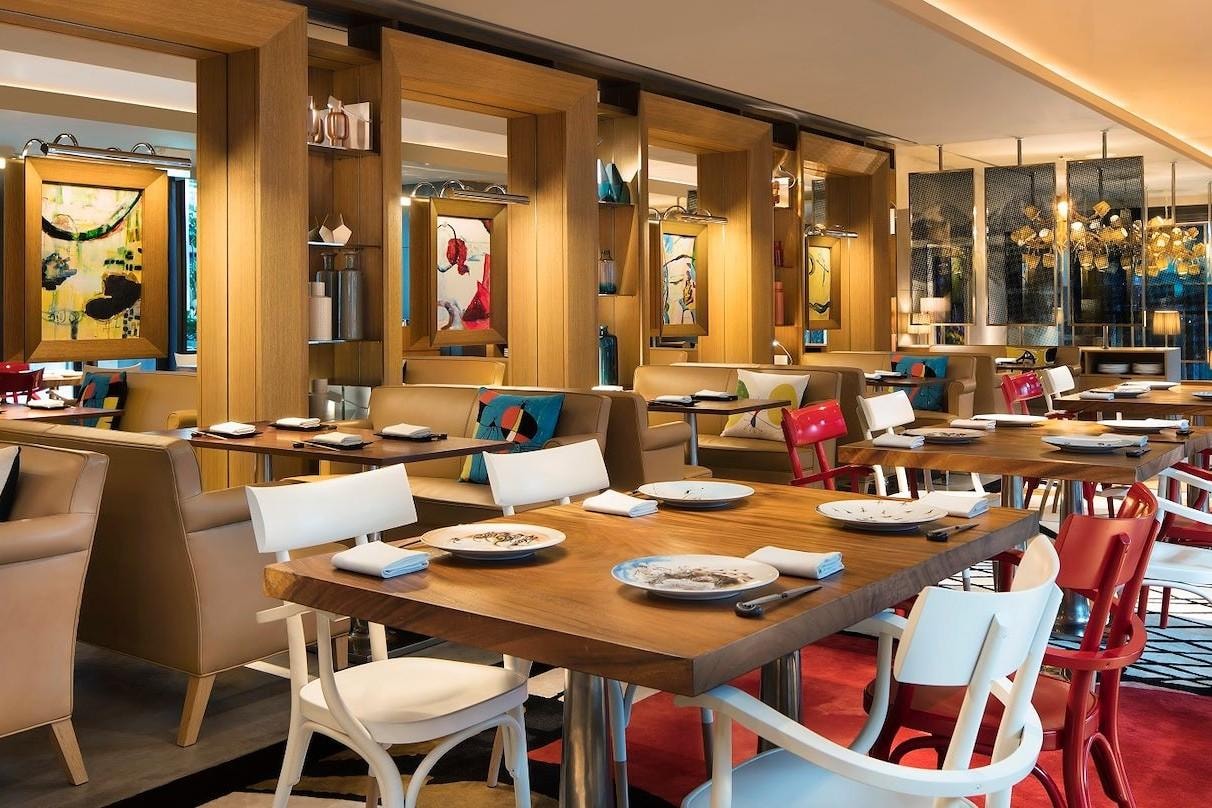
Akira Back merges Japanese cuisine with Korean flavors for a modern Japanese dining experience. The contemporary design and creative menu appeal to diners seeking fusion dishes that excite the taste buds.
Best Japanese Food and the Izakaya Experience

When it comes to the best Japanese food in Singapore, variety and authenticity are key. From delicate sushi and sashimi crafted with precision to hearty bowls of ramen featuring springy noodles and rich broth, Singapore’s japanese restaurants offer a diverse culinary landscape that caters to every taste.

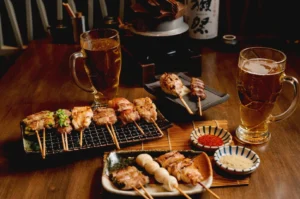
Among the standout dining styles is the izakaya—a casual and lively setting that captures the essence of Japanese social dining. Izakayas serve an array of small plates, or tapas-style dishes, designed to be shared over drinks such as sake and Japanese beer. Popular items include yakitori (grilled skewered meat), tempura, karaage (fried chicken), and an assortment of sashimi and seasonal vegetables. Many izakayas also offer comforting soup options as part of their menu, enhancing the overall dining experience. This style of dining emphasizes a perfect balance of flavors, encouraging diners to savor a variety of tastes and textures in a relaxed atmosphere.

Izakayas provide an approachable way to enjoy authentic japanese food without the formality of fine dining. They are ideal for gatherings with friends or casual nights out, offering both traditional and innovative dishes that excite the taste buds. Many izakayas in Singapore also feature open kitchens, allowing guests to watch chefs expertly prepare their meals, adding to the immersive dining experience.

Whether you seek the refined artistry of sushi or the convivial spirit of an izakaya, Singapore’s japanese food scene promises a treat for every palate.

Why Singapore is a Premier Destination for Japanese Cuisine

Singapore’s strategic location enables daily imports of the freshest ingredients from Japan’s Toyosu Market, ensuring japanese restaurants maintain Tokyo-level quality. Skilled japanese chefs trained in Japan uphold authentic culinary techniques and ingredient standards, delivering genuine japanese dining experiences.

The city’s multicultural palate appreciates subtle flavors and precise preparation, encouraging more japanese restaurants to open and raising culinary standards. Marina Bay Sands hosts multiple world-class japanese restaurants, attracting top chefs and international brands.

Unique restaurant features such as traditional decor, cherry blossoms, and handcrafted counters further enhance the authentic Japanese dining experience in Singapore.

Types of Japanese Restaurants in Singapore

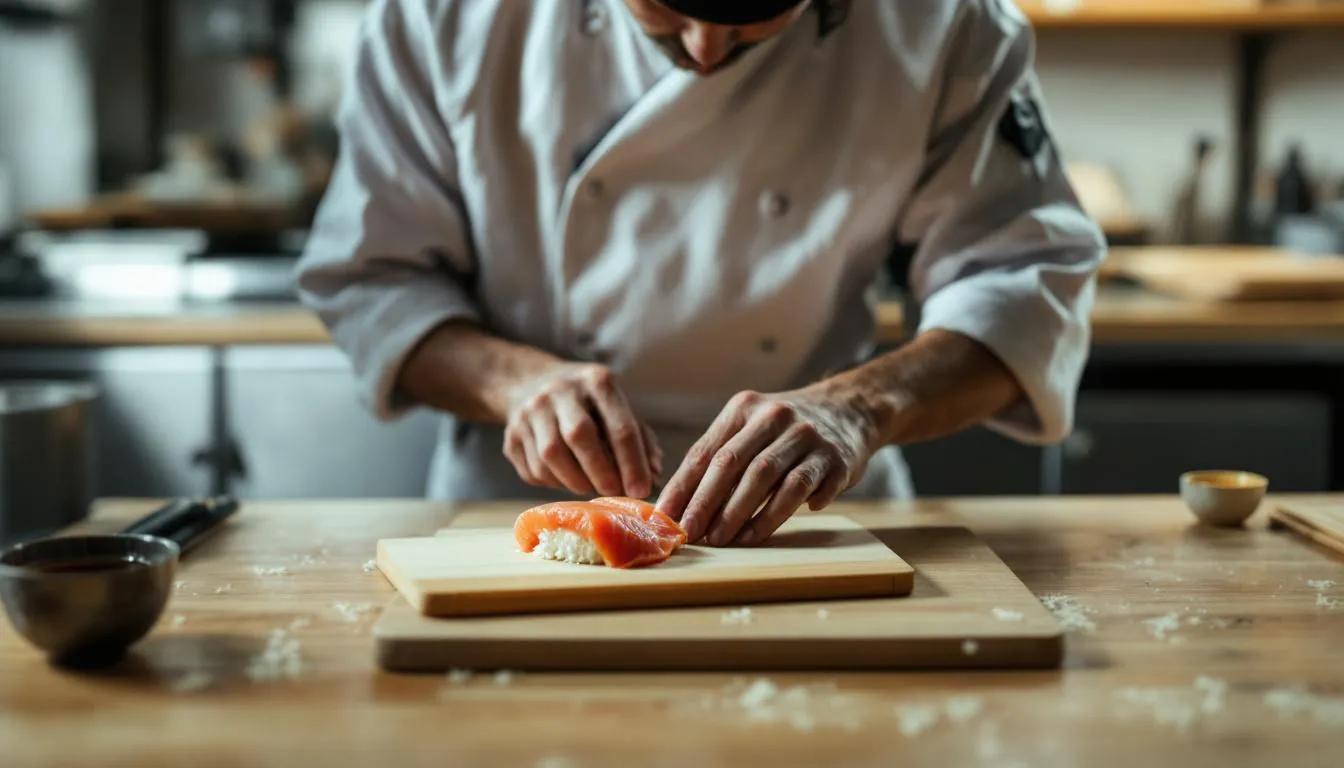
The image showcases a skilled Japanese chef preparing fresh ingredients sourced from Japan's Toyosu Market in a modern Japanese restaurant in Singapore. The vibrant colors of seasonal produce and premium seafood highlight the culinary artistry that defines the best Japanese dining experience, inviting diners to indulge in signature dishes and fresh sushi.

Fine Dining and Omakase Experiences

Singapore’s premium japanese restaurants offer a sophisticated omakase experience where chefs craft personalized tasting menus with the freshest seasonal produce and premium ingredients from Japan. Sushi bars and chef’s tables provide immersive dining experiences highlighting culinary artistry and japanese culinary mastery.

Michelin-starred restaurants like Shoukouwa and Sushi Ichi offer kaiseki and high-end sushi omakase priced $200-500+, sourcing specialty fish and seasonal vegetables. Presentation emphasizes simplicity and natural beauty, while service embodies japanese omotenashi, providing attentive hospitality.

Izakaya and Casual Dining

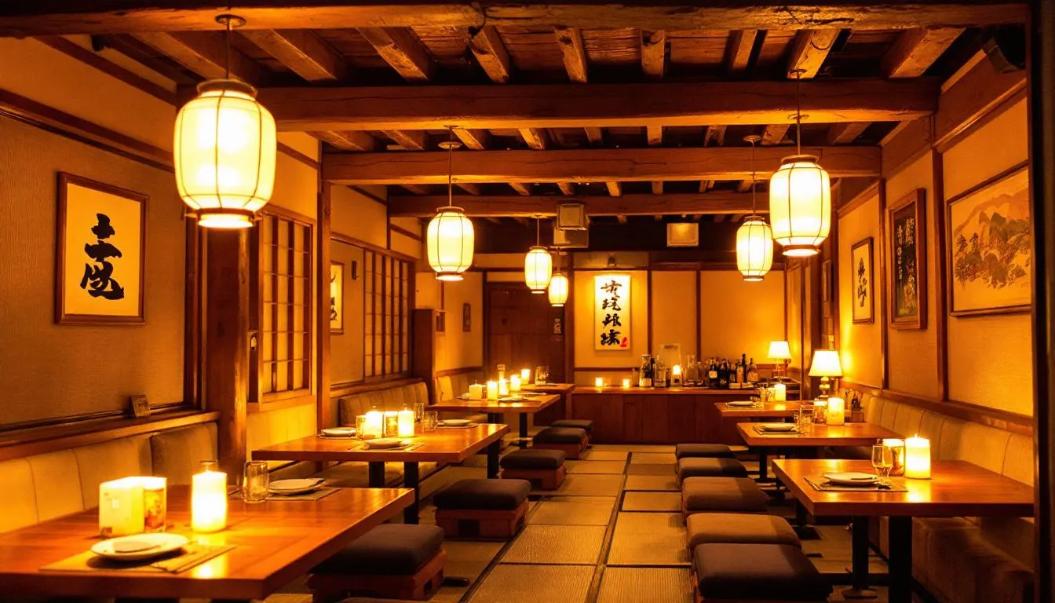
Izakayas capture the heart of japanese dining culture, offering seasonal small plates and sake pairings in lively, social settings. These mid-range venues ($50-150 per person) make quality japanese food accessible, featuring open kitchens where chefs prepare yakitori, tempura, and other specialties using traditional culinary techniques.

Specialty Restaurants

Specialty venues focus on ramen, sushi, yakitori, unagi, and other beloved japanese dishes. Ramen shops serve springy noodles in rich broths, while sushi bars emphasize quality japanese rice and fresh fish. Yakitori and unagi specialists highlight traditional grilling and preparation methods.

Affordable options include donburi and noodle shops offering authentic flavors from $15-50, proving that the best japanese food can be enjoyed without premium prices.

Key Factors That Define Quality Japanese Restaurants

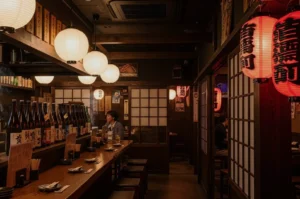
Two guests sharing food and drinks at a cozy Japanese izakaya in Novena, Singapore, surrounded by shelves of liquor and warm lighting—capturing the intimate charm and rising popularity of Japan-style social dining in the city.

Quality japanese restaurants prioritize premium ingredients, often importing directly from Toyosu Market and other renowned sources. Authenticity in culinary techniques, mastered by trained japanese chefs, ensures genuine preparation from knife skills to sushi rice seasoning.

Seasonality guides menu changes, showcasing peak-flavor produce and seafood. Presentation reflects Japanese aesthetics of natural beauty and simplicity, enhancing the dining experience.

Service follows omotenashi principles, with knowledgeable staff guiding diners through menu details and sake pairings, elevating the overall meal.

Best Neighborhoods for Japanese Dining in Singapore

Marina Bay and CBD

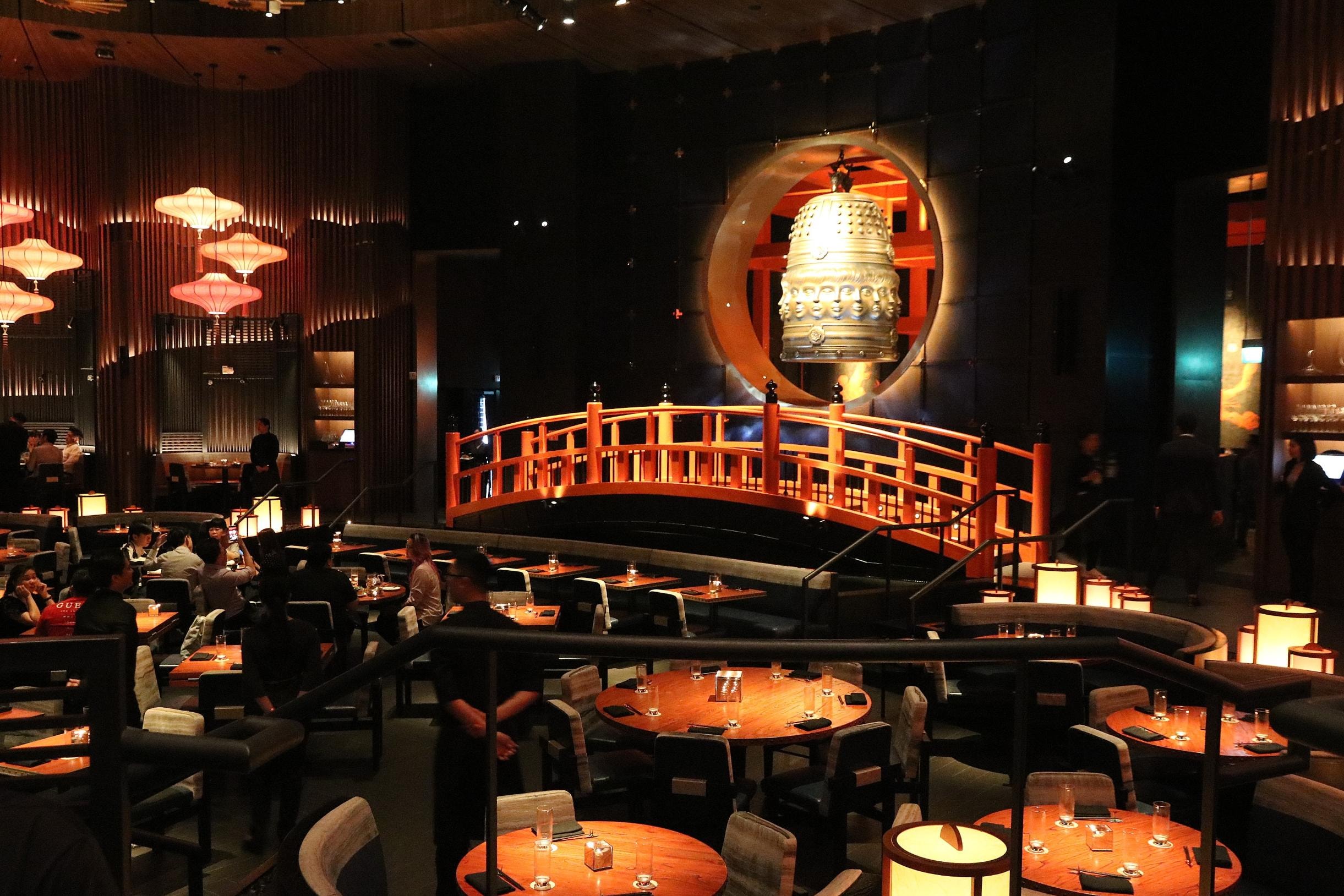
Marina Bay Sands is Singapore’s premier destination for high-end japanese restaurants, featuring contemporary design and traditional aesthetics. The area caters to international visitors and locals seeking sophisticated dining with premium ingredients and refined culinary techniques.

The CBD offers diverse japanese restaurants suited for business dining, from quick lunches to upscale dinners. Private dining rooms and sake pairings enhance professional entertaining.

Orchard and Central Singapore

Orchard Road’s shopping centers house numerous japanese restaurants spanning casual ramen shops to elegant kaiseki venues. These locations offer convenience for families and tourists, with varied price points and authentic menus.

Cultural Districts and Residential Areas

Chinatown Point and surrounding neighborhoods feature affordable and authentic japanese restaurants, balancing quality ingredients with value. Residential areas like Holland Village and Tiong Bahru host neighborhood favorites known for seasonal menus and intimate dining experiences.

Japanese Restaurants by Occasion and Budget

Special Celebrations and Business Dining

Michelin-starred venues offer unforgettable meals for milestones and important occasions, with private dining rooms and personalized service. Business dining benefits from sophisticated environments and curated sake pairings, supporting professional relationships.

Budget-Friendly Options

Affordable japanese restaurants provide authentic flavors without premium pricing. Ramen shops, kaiten sushi, and casual chains offer satisfying meals for $15-50, making quality japanese food accessible to all.

Evolution of Singapore’s Japanese Food Scene

Since the 1980s, Singapore’s japanese dining scene has evolved from basic sushi and teppanyaki to world-class establishments featuring celebrity chefs and international brands. The 1990s and 2000s brought authentic japanese chefs and sophisticated menus, while the 2010s elevated the city to global prominence with Michelin recognition.

Recent trends include specialty concepts like craft ramen and artisanal sake bars, alongside sustainability and technology integration. The future favors a balance of authenticity and innovation, supported by Singapore’s access to premium ingredients and skilled chefs.

Making the Most of Your Japanese Dining Experience

Reservations are essential for popular omakase and Michelin-starred restaurants, especially on weekends. Opening hours vary, often including afternoon breaks; many operate mon tue through weekends, with some closed on specific days.

Seasonal menus and special dietary accommodations are common at quality japanese restaurants, with advance notice recommended.

Singapore’s position as home to the best japanese restaurant options outside Japan reflects decades of culinary evolution, investment in quality, and appreciation for authentic japanese food culture. From world-class omakase to neighborhood izakayas, Singapore offers unmatched variety and quality

Recent Posts