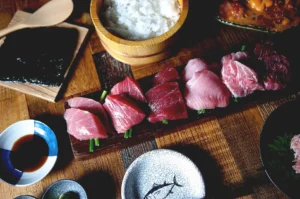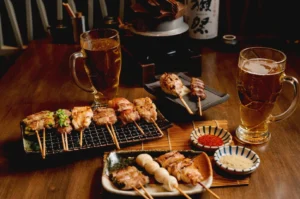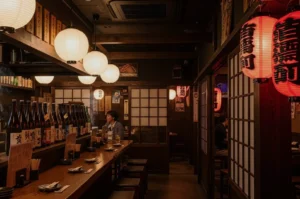
I remember the light in the izakaya, a warm, amber glow that softened the edges of the room and the faces within it. Outside, the Singapore evening was thick with humidity, but here, in this small pocket of Japan, the air was filled with the sound of laughter and the sharp, satisfying crackle of food meeting hot oil. It was a good noise, a sound of comfort and release after a long day.
Our table, like the ones around us, was a spread of small plates, piled with tori karaage, agedashi tofu, and other golden, crispy delights. But as the meal progressed, a quieter, more understated dish arrived—a bowl of Sapporo soup curry, its spiced steam rising gently. This wasn’t typical Japanese curry; this was Hokkaido soup curry, a humble yet flavorful offering. It wasn’t just food—it was a moment of balance, a calming contrast to the richness of fried dishes.
The Presence of Fried Food in Japanese Izakaya Singapore
There’s a certain joy only fried food can bring. In a Japanese izakaya Singapore, these dishes—known as agemono—are undeniably the stars. The crunch of tori karaage, coated in flour and fried to a golden brown, is irresistible. Vegetables and chicken are often fried to achieve a crispy exterior, and proper frying techniques are essential for developing the best flavor and texture. Agedashi tofu, with its crisp shell floating in dashi broth, offers a delicate contrast. Dishes like these, served piping hot on paper towels or wire racks, capture the essence of Japanese recipes: simple, flavorful, and communal. A wire rack is used to drain excess oil from fried items, ensuring they remain crisp.
Fried food energizes the table, its vibrant colors and textures inviting everyone to reach in with chopsticks. How you fry fried foods—such as using the right oil temperature and cooking time—is crucial for developing the best flavors and textures. It’s food for sharing, for laughing, for ordering one more round. But its richness can overwhelm the palate, creating a craving for something lighter to reset the senses. This is where the beauty of light curry-flavored soup—or Sapporo soup curry—comes into play.
History and Origins of Sapporo Soup Curry
In the 1970s, a Sapporo restaurant called Ajanta began serving a dish known as yakusō curry (medicinal herb curry). It was lighter than the thick, roux-based Japanese curry that dominated home cooking, built instead around a spiced broth inspired partly by South and Southeast Asian flavours. The intention was restorative rather than heavy: warming, aromatic, and easier on the body.
Word spread quietly as cooks added their own touches, creating a variety of versions while honoring the original. Over decades, Sapporo soup curry became a beloved staple in Hokkaido and beyond, cherished for its comforting warmth and lighter embrace compared to regular Japanese curry.
Sapporo Soup Curry: Light Curry Flavored Soup with Fresh Vegetables and Steamed Rice
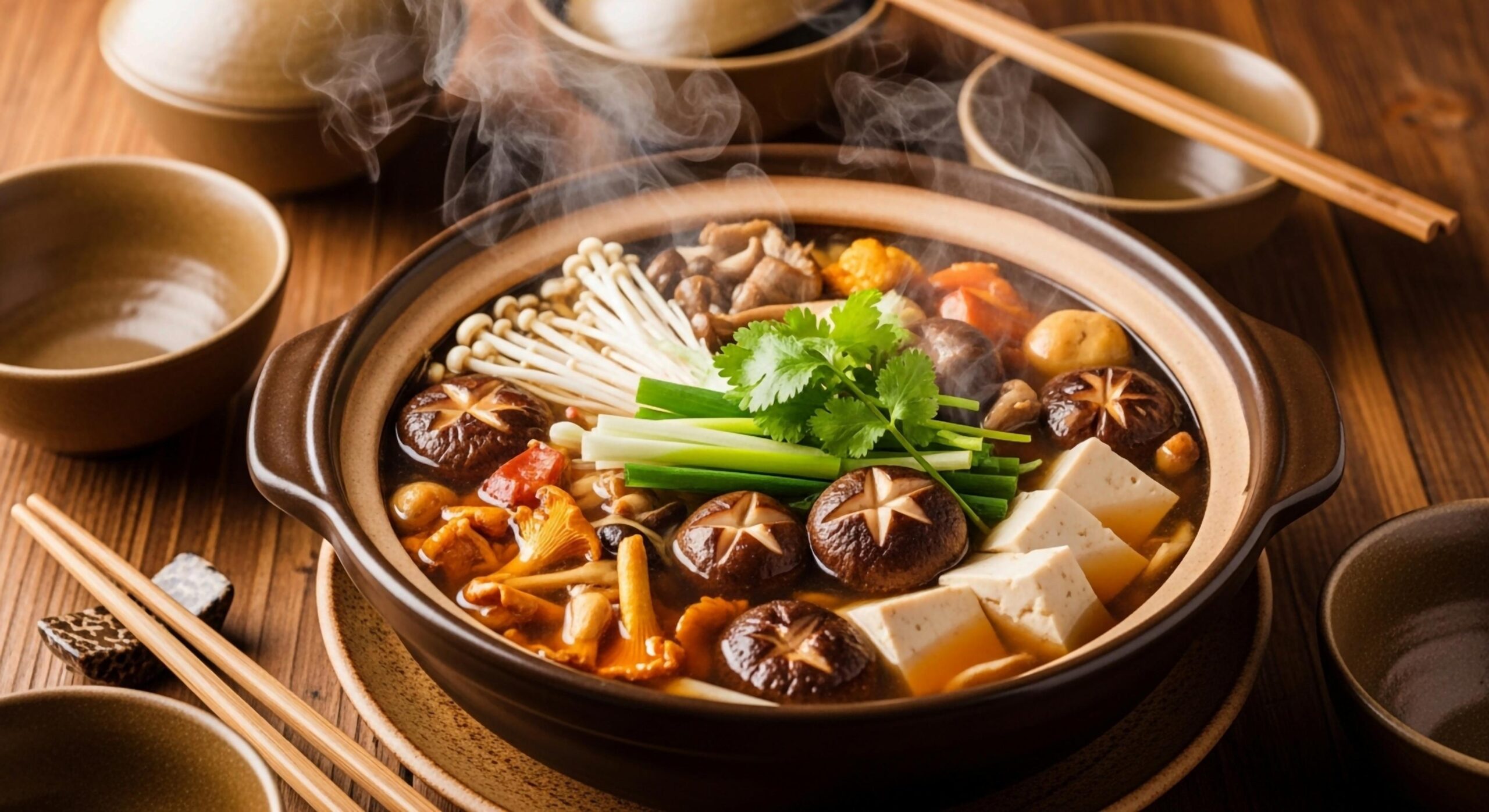
Unlike the thick, typical Japanese curry, Sapporo soup curry is a light, broth-like alternative. Originating in Sapporo, Japan’s northernmost city, Hokkaido soup curry combines the warming richness of curry with the drinkability of a soup dish. Made with chicken broth or miso soup, its base is infused with spices like garam masala, curry powder, turmeric, and coriander, creating a light yet deeply flavorful broth. It’s a curry soup that feels restorative, not heavy. Soup curry is also a type of hearty vegetable soup, rich in fresh, colorful vegetables.
What makes Sapporo soup curry unique is the way it showcases fresh vegetables and proteins. Large cuts of vegetables like carrots, eggplant, lotus root, bell peppers, and okra are often grilled or lightly fried before being added to the broth. Potato is a common and important ingredient in Hokkaido soup curry, often included alongside other hearty vegetables for added flavor and texture. This method preserves their texture and vibrant colors. Chicken legs, potatoes, mushrooms, and even fresh seafood like snow crab can be added, creating a dish that’s as satisfying as it is wholesome. The typical Sapporo soup curry features a light curry flavored soup, chicken leg, and deep-fried vegetables. Served with a side of steamed rice, this Japanese recipe invites you to sip, dip, and savor.
Cooking Techniques: What Sets Sapporo Soup Curry Apart
Sapporo soup curry stands apart from its thicker relatives with a delicate, clear broth made by slowly simmering chicken bones and vegetables. Spices like curry powder, garam masala, and turmeric are added carefully to create a flavorful yet light curry soup that comforts without overwhelming.
Vegetables such as lotus root and eggplant are briefly fried until golden brown, then drained on paper towels to preserve their vibrant colors and crisp texture before being added to the soup. This careful balance of textures—from tender chicken to crisp vegetables—defines the unique experience of Hokkaido soup curry.
These mindful cooking rituals blend tradition and innovation, making Sapporo soup curry a gentle yet flavorful dish that fits perfectly within Singapore’s evolving culinary scene.
Temperature, Texture, and Pacing at the Table: A Meal to Dine and Savor
In the theater of dining, temperature and texture play a silent but significant role. Fried food demands attention, its crispness best enjoyed fresh from the fryer. But this urgency can also lead to sensory fatigue. The richness of oil and salt coats the palate, and the meal’s pace begins to wane. A cold beer or highball may provide temporary relief, but the need for something more grounding becomes clear.
Enter hokkaido soup curry, a dish that operates on its own timeline. Its warmth is steady and comforting, holding its heat far longer than fried dishes. Each spoonful offers a reset—a medley of spiced broth, tender chicken, and fresh vegetables. The softness of the vegetables contrasts beautifully with the crunch of fried food, creating a harmonious balance. You’ll find yourself slowing down, savoring each bite, as the soup dish encourages a more deliberate rhythm at the table.
Soup Curry in Japanese Izakaya Singapore: A Fusion of Tradition and Flavor
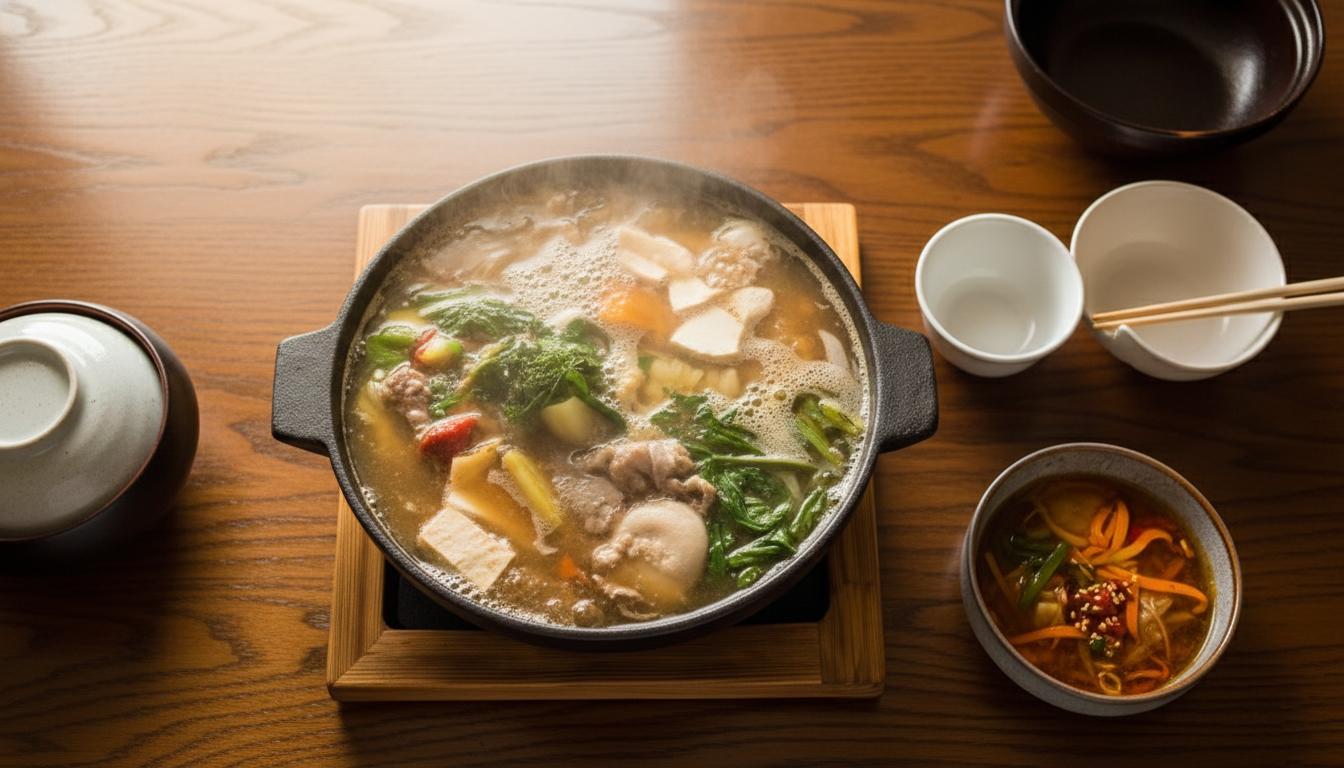
3 Places to Find Hokkaido Soup Curry in Singapore
If you’re craving authentic Hokkaido soup curry in Singapore, several spots offer a genuine taste of this beloved Japanese dish, blending traditional Japanese recipes with local flair.
Hokkaido-Ya (Millenia Walk)
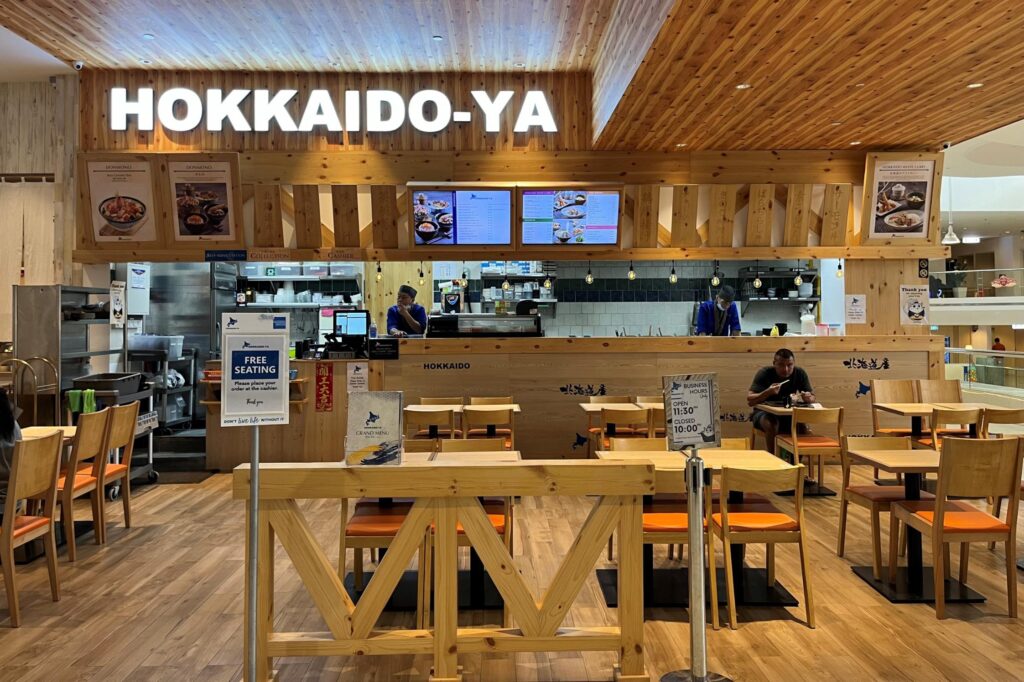
Located in the heart of Singapore’s Central Business District, Hokkaido-Ya at Millenia Walk serves a delicious rendition of Sapporo soup curry. Their menu features tender chicken legs, deep fried vegetables prepared using the Japanese su age technique, and a light curry flavored soup that highlights the use of curry powder, garam masala, and tomato paste.
Japanese Food Fairs at Takashimaya & Isetan
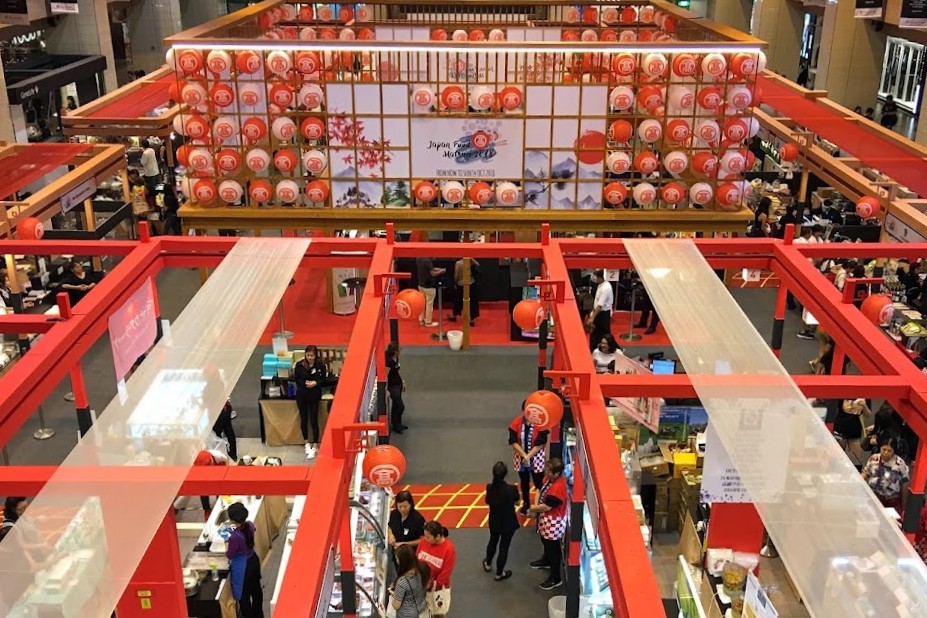
Japanese food fairs held regularly at Takashimaya and Isetan department stores provide excellent opportunities to sample and purchase Hokkaido soup curry. These events often feature authentic soup curry from renowned soup curry restaurants in Japan, including ready-to-eat options and curry roux packs. Visitors can experience the rich flavors of the original soup curry, complete with nicely browned chicken and vibrant deep fried vegetables, all prepared with traditional methods like flash frying and the Japanese su age technique.
Japanese Grocers Carrying Hokkaido Soup Curry Packs

For those who prefer to enjoy soup curry at home, several Japanese grocers in Singapore stock Hokkaido soup curry packs. These convenient packages typically include curry roux and soup base made with chicken broth and spices, allowing you to recreate the light curry flavored soup at your own pace. Using a heavy bottomed pot or dutch oven to simmer the ingredients helps develop the rich aroma and flavor. Simply prepare your choice of meat and deep fried vegetables: cut half lengthwise for even cooking, and mix them into the curry soup.
These three options ensure that Singaporeans can enjoy the authentic taste of Sapporo soup curry, whether dining out or cooking at home, while embracing the unique culinary heritage of Hokkaido in the vibrant local food scene.
Local chefs often infuse the classic Sapporo soup curry style with seasonal ingredients, keeping the dish fresh and appealing. The colorful presentation of deep fried vegetables, tender chicken legs, and aromatic broth highlights Japanese culinary aesthetics.
This communal dish complements the social atmosphere of izakayas, encouraging shared experiences that resonate within Singapore’s multicultural society. Its light, spiced broth offers a refreshing contrast to richer fried and grilled izakaya dishes, making soup curry an essential part of the dining experience.
Why Balance Matters in a Meal: The Harmony of Soup Curry and Fried Food
An izakaya meal isn’t just about food—it’s about connection. The interplay between indulgent deep-fried golden brown dishes and the grounding warmth of light curry flavored soup mirrors life’s need for balance. The richness of fried food becomes more satisfying when paired with the subtle complexity of soup curry. Each enhances the other, creating a dining experience that’s greater than the sum of its parts.
This balance also encourages mindfulness. Instead of rushing through rich, heavy bites, diners are invited to notice the textures, temperatures, and flavors of each element. The soft, spiced broth of the soup curry becomes a moment of pause, a gentle antidote to the intensity of the meal. It reminds us to dine, not just eat—to savor, not just consume.
Moreover, the combination of these contrasting dishes highlights the culinary artistry behind Japanese izakaya dining. The crispy exterior of the fried items, often achieved by frying in a heavy bottomed pot to maintain consistent heat, provides a satisfying crunch that contrasts beautifully with the smooth, aromatic curry soup. The inclusion of small pieces of onion, ginger, garlic, and tomatoes in the soup base adds layers of flavor that complement the savory richness of the fried food.
This thoughtful pairing is reflected in the carefully curated menu of many izakayas, where you’ll find both hearty fried options and lighter, spice-infused soups designed to cleanse the palate. It’s a culinary dialogue between textures and tastes, where the meat and vegetables in the soup curry offer a refreshing counterpoint to the heavier fried fare.
In addition, this balance supports a more sustainable and enjoyable dining experience. The spice and warmth of the soup help to stimulate digestion, while the vibrant colors and freshness of the deep fried vegetables and other ingredients keep the meal visually appealing and nutritionally diverse. This harmony ensures that diners leave feeling satisfied but not overwhelmed, ready to comment something on the delightful contrast that defines the izakaya experience.
Conclusion: Embracing Soup Curry Everyday Dining
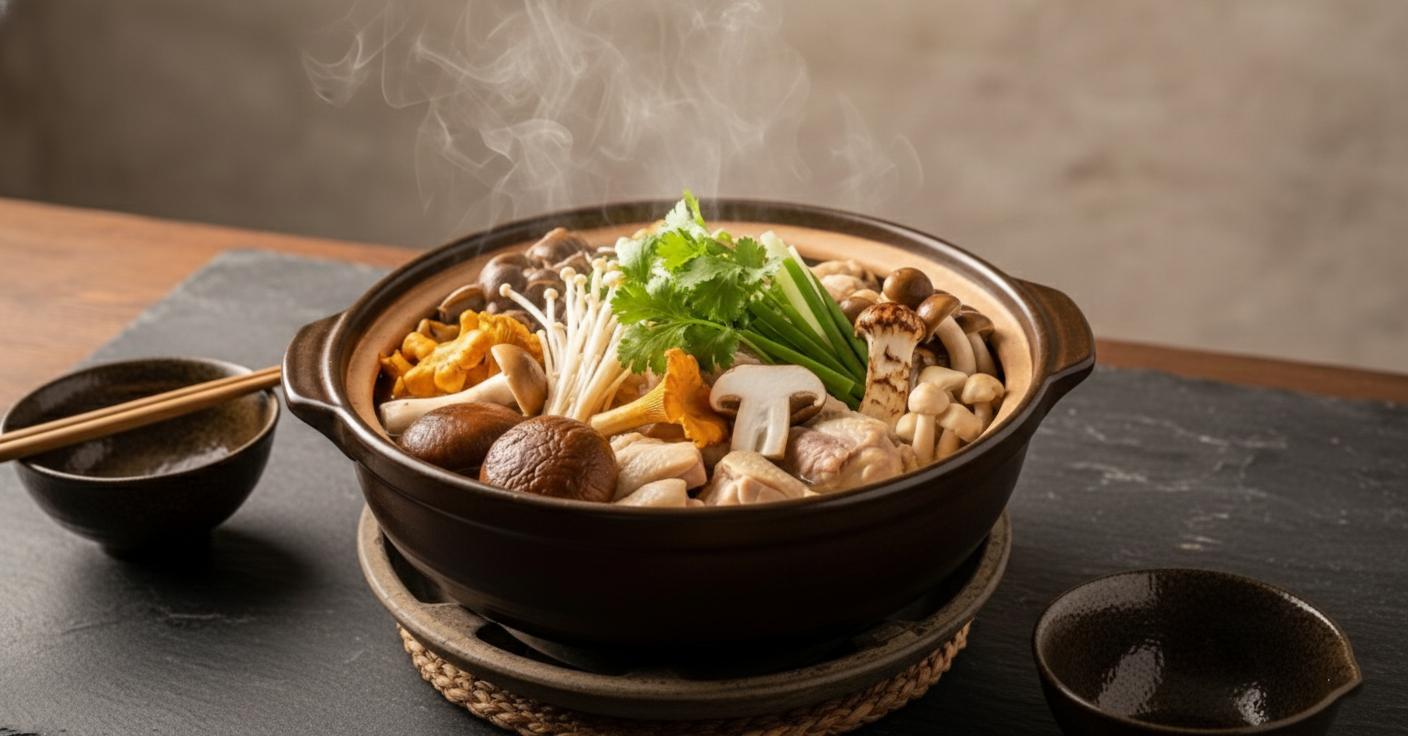
The next time you find yourself in a Japanese izakaya Singapore, surrounded by the sizzling allure of fried dishes, seek out the quiet counterpoint: soup curry. Let its gentle warmth and vibrant flavors reset your senses. Observe how it slows the pace of the meal, softening the edges of the evening and deepening conversations.
In its delicate balance of spice, texture, and warmth, you’ll find more than just a delicious curry dish. You’ll discover a philosophy of dining that celebrates contrast, moderation, and connection. Whether it’s your first time trying soup curry Sapporo style or you’re a longtime fan of Hokkaido soup curry, this dish is a reminder of the beauty found in simplicity—and the joy of sharing a meal.
For those interested in exploring further, many restaurants offer a review recipe and required recipe ratings to guide you toward the best renditions of this dish. And whether dining during public holidays or a casual weekday, the comforting charm of sapporo soup curry remains a satisfying choice for any occasion.