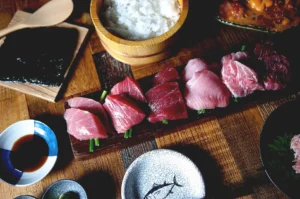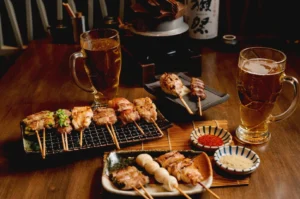

There’s a unique magic to stepping into a Japanese izakaya. Beyond the lively chorus of “Irasshaimase!” (Welcome!) and the comforting clatter of glasses, you enter a world that revolves around simple pleasures: good company, great drinks, and food that speaks to the soul. An izakaya is Japan’s answer to a pub or tavern—a place where people from all walks of life gather to unwind, start drinking, and share small plates that perfectly match the changing seasons.
Unlike many Western-style restaurants, the izakaya menu is a living, breathing reflection of nature itself. It evolves constantly, guided by the rhythm of Japan’s distinct seasons—each bringing its own abundance of seasonal vegetables, seafood, and flavors that capture the spirit of the moment.
Shun: The Soul of Japanese Cuisine
The heart of all Japanese food lies in the concept of shun (旬)—the philosophy of enjoying seasonal ingredients at their absolute peak. Shun is not just about freshness; it’s a celebration of timing, balance, and respect for nature. This is the essence of Japanese cuisine (washoku), a culinary tradition so deeply rooted in the changing of the seasons that it has been recognized by UNESCO as an Intangible Cultural Heritage.
In an izakaya, shun turns an ordinary meal into a feast of discovery. You’ll always find reliable favorites like karaage (fried chicken) or edamame, but the real treasures are written on the chalkboard—the today’s specials that showcase ingredients at their best.
Japanese Spring Foods: Renewal and Fresh Beginnings
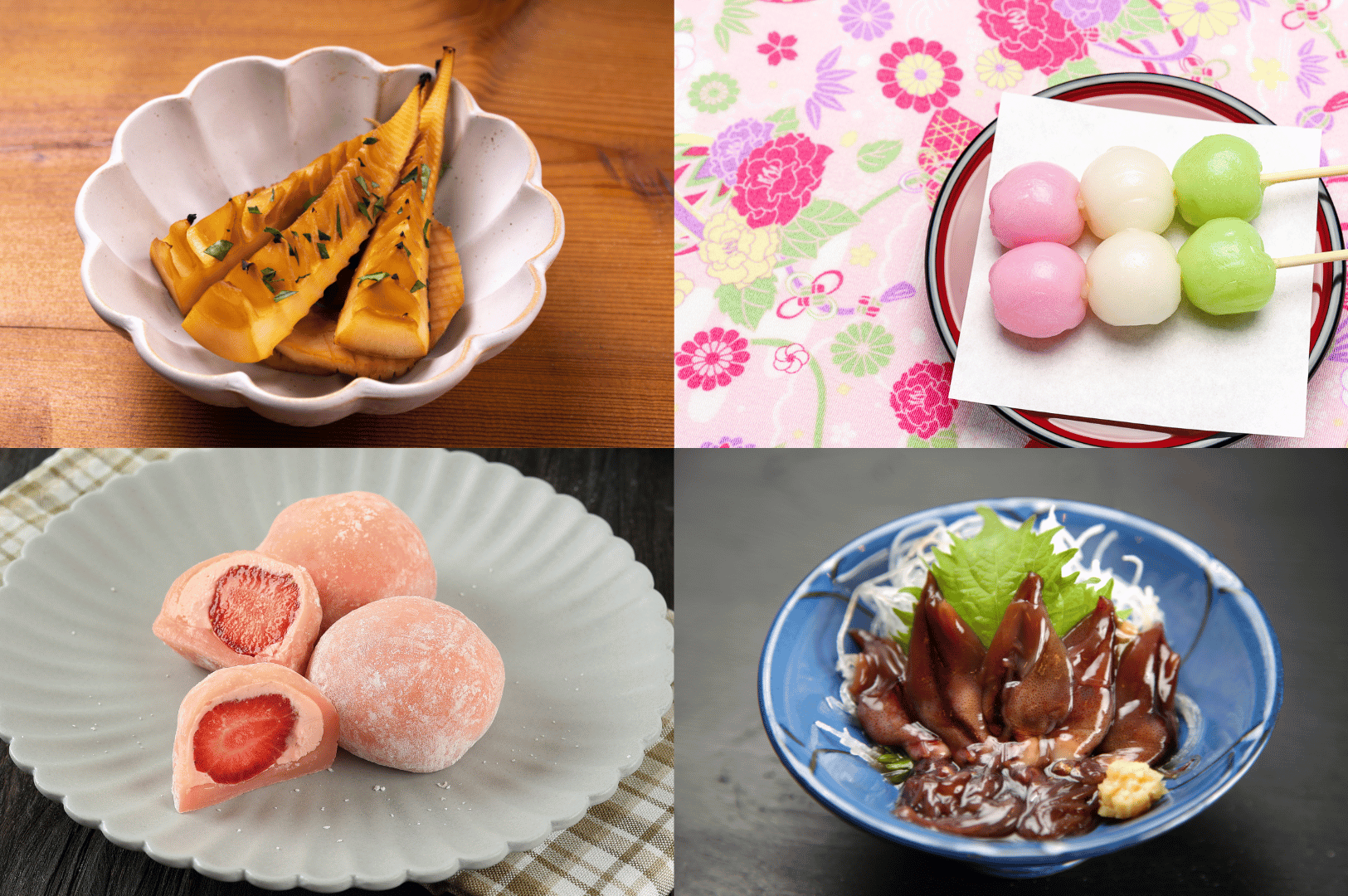
As Japan awakens from winter and the cherry blossoms begin to bloom, Japanese spring foods celebrate freshness and subtle bitterness. These dishes are light, cleansing, and symbolic of new beginnings—perfect to enjoy under the blossoms with sake or beer during hanami (flower-viewing).
Strawberry is a popular seasonal ingredient in springtime Japanese sweets, such as ichigo daifuku and sakura-themed confections, making it a highlight of the season’s desserts.
Bamboo Shoots (Takenoko): A Taste of the Season
Spring is the time for takenoko—fresh bamboo shoots, one of the most beloved seasonal Japanese dishes. Unlike the fibrous canned versions found in convenience stores, freshly harvested shoots are tender and delicately sweet. Bamboo shoots must be thoroughly cooked, such as by boiling, to remove toxins and enhance their flavor before being used in dishes like takenoko gohan. They often appear in Takenoko no Tosani (simmered with dashi and bonito flakes) or in takenoko gohan, a comforting rice dish where the earthy aroma of bamboo mingles with warm, steamed rice.
Mountain Vegetables and the Spirit of Shun
The season also brings sansai—wild mountain vegetables like fukinoto (butterbur scape), prized for their gentle bitterness. Lightly fried as tempura or served in small bowls with miso sauce, they embody the refreshing flavor of spring.
From the Sea: Hotaru Ika and Sawara
Japan’s coastal waters come alive with spring seafood. Tiny hotaru ika (firefly squid) glow in the dark seas of Toyama Bay before appearing on izakaya menus—boiled and served with sumiso (vinegar and miso) for a sweet, briny bite. Sawara (Spanish mackerel) also reaches its shun in spring, best enjoyed grilled with just a sprinkle of salt and a squeeze of citrus.
On one spring night in a cozy Tokyo izakaya, I remember tasting freshly boiled firefly squid. Their flavor—salty, rich, and oceanic—paired beautifully with a crisp sake. It was one of those moments when the flavors of Japanese cuisine told a story more eloquent than words.
Rice Cakes, Sakura Mochi, and Hanami Dango
Spring is also the season of sweets. Rice cakes like sakura mochi, with their chewy mochi texture and delicate sweet red bean paste, are wrapped in fragrant pickled cherry leaves. Hanami dango, the pink-white-green skewered rice cakes, are eaten during hanami picnics, symbolizing renewal, hope, and the fleeting beauty of nature.
Summer Japanese Food: Cool, Crisp, and Refreshing
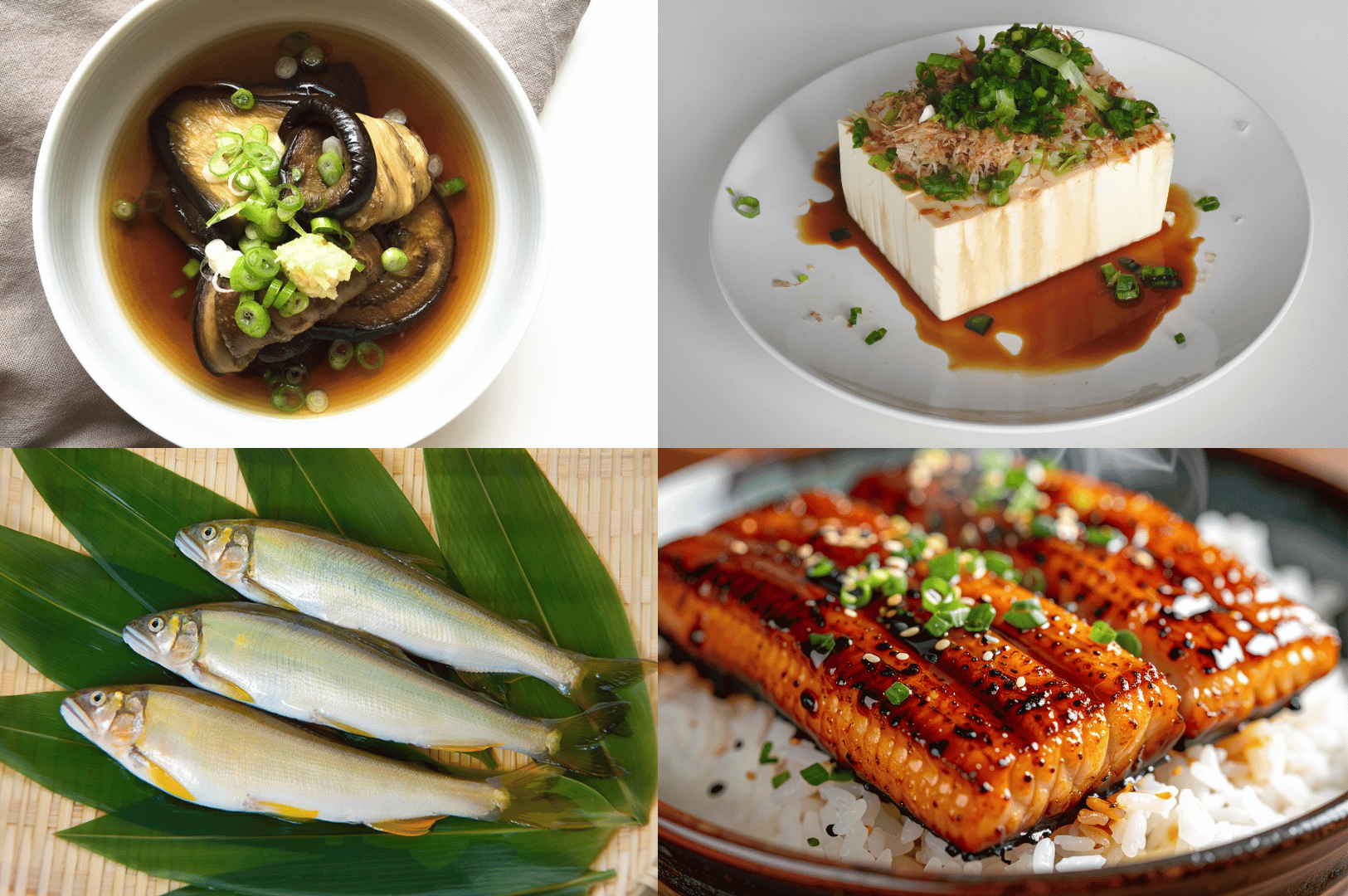
As the heat and humidity of Japanese summer set in, izakayas shift toward cool, refreshing Japanese food designed to energize and balance the body.
Light Dishes and Summer Vegetables
Summer brings juicy tomatoes, crunchy cucumbers, and silky nasu (eggplant). Agedashi nasu—fried eggplant soaked in a savory dashi broth—is a classic izakaya dish that’s rich yet light. Hiyayakko (chilled tofu served with soy sauce, grated ginger, and bonito flakes) offers a small dish of simplicity and elegance. And of course, freshly boiled edamame—briny, green, and perfectly salted—is always a must.
River and Sea Delights
From the water comes ayu, the “sweetfish” of Japanese summer. Grilled whole over charcoal, it’s served simply on a small bowl or plate, its flavor reminiscent of cool mountain streams. Another seasonal favorite is unagi (freshwater eel). Grilled in a rich, sweet soy sauce-based glaze (kabayaki), it’s believed to restore stamina during the hottest days.
And when the night is especially warm, nothing beats a bowl of kakigori—Japanese shaved ice flavored with syrup and condensed milk—a nostalgic dessert you’ll also find at festivals and convenience stores.
Fall in Japan: The Season of Harvest and Heartiness
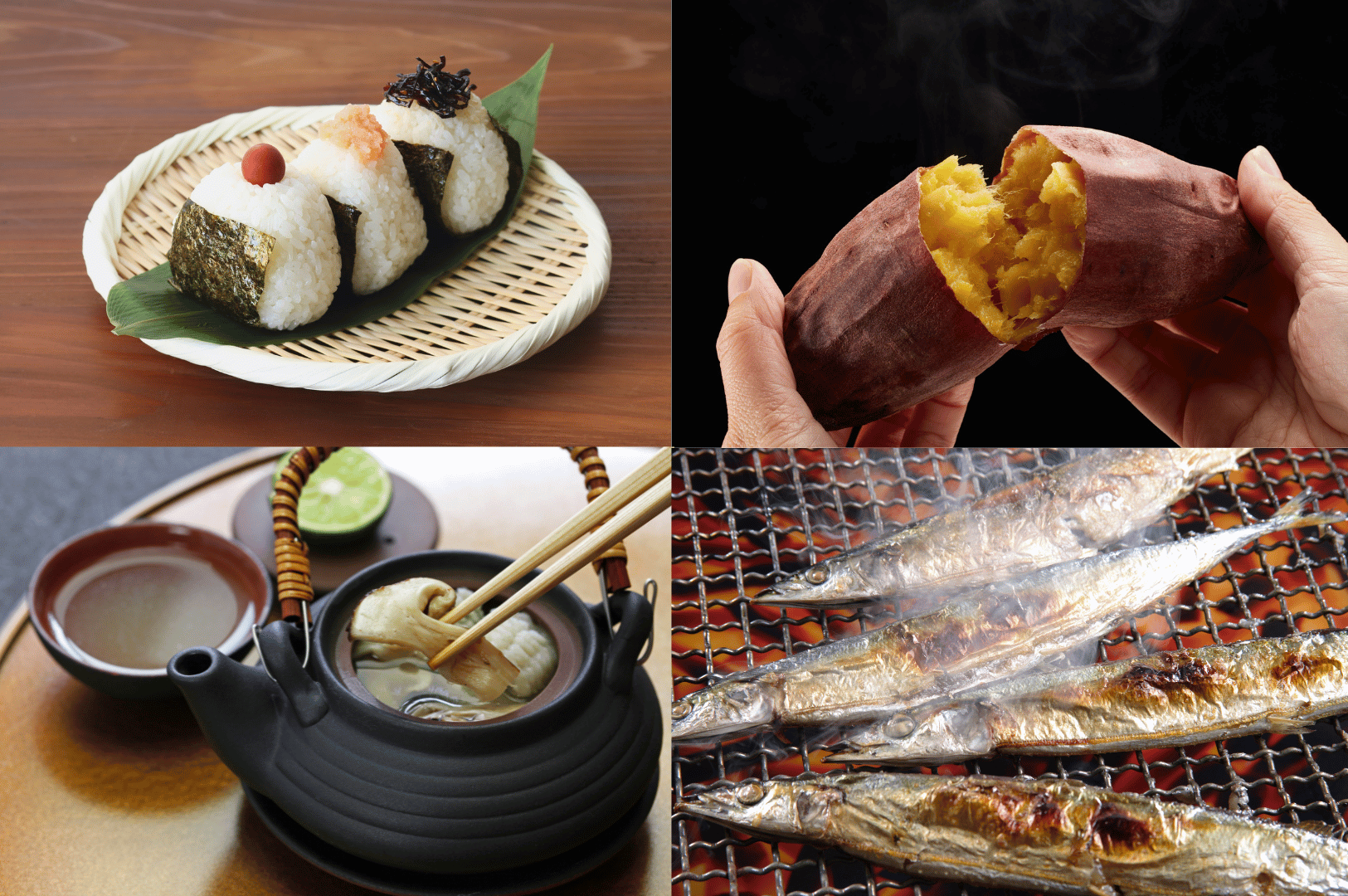
If there’s one time of year that defines Japanese cuisine, it’s autumn. Known as shokuyoku no aki—“the season of hearty appetites”—fall in Japan is when seasonal vegetables, fish, and grains reach their richest flavors.
Rice and Roots: The Foundation of the Meal
Even humble rice has a shun. Shinmai, or freshly harvested rice, has a gentle sweetness and glossy texture that makes even a simple onigiri (rice ball) taste extraordinary. Add a touch of pickled plum (umeboshi) inside, and it becomes a symbol of Japanese comfort food at its best.
Root vegetables like satsumaimo (sweet potato) and kabocha (pumpkin) bring warmth to the table. These are often roasted with a pat of butter or fried into crisp tempura.
Mushrooms and the Majestic Matsutake
Autumn also brings the prized matsutake mushroom—an ingredient so aromatic and rare it’s treated like treasure. Izakayas may serve it in dobin mushi, a clear soup steamed in a tiny teapot with shrimp and clams, its earthy perfume filling the air when the lid is lifted.
The Flavor of the Sea
The ocean, too, gives generously. Sanma (Pacific saury) is grilled whole, its oily flesh balancing perfectly with grated daikon and a squeeze of citrus. Katsuo no tataki (seared bonito) offers another fall favorite—smoky, flavorful, and best enjoyed with ponzu sauce and thinly sliced garlic.
Winter Japanese Food: Warm, Rich, and Comforting
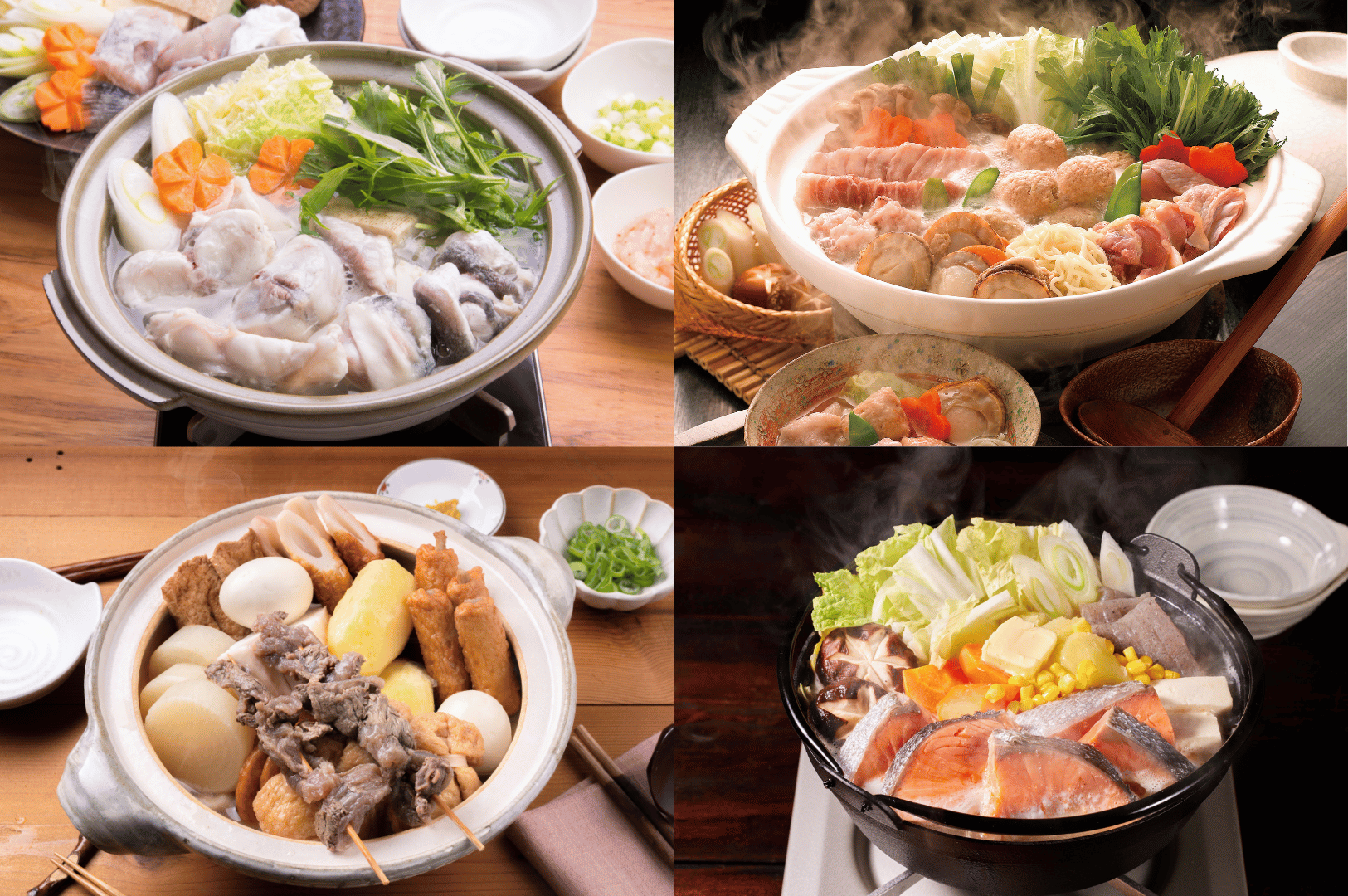
When winter cloaks Japan in cold air and snow, izakayas transform into havens of warmth, filled with steam, laughter, and the aroma of simmering broths.
Simmered Dishes and Soulful Bowls
The most comforting of all seasonal Japanese dishes is oden. This traditional Japanese food features ingredients like daikon, boiled egg, and fishcakes slowly simmered in a light dashi broth. Served piping hot in small bowls with a dab of mustard, it’s a taste of nostalgia that unites diners across generations.
Another winter classic is buri daikon—fatty yellowtail simmered with tender radish in sweet soy sauce, sake, and mirin. Every spoonful of the soup-like broth is rich and heartwarming, the kind that makes you eat until the last grain of rice is gone.
The Joy of Nabe and Winter Seafood
Winter izakayas also serve nabe (hot pot) dishes like chanko nabe or kaki nabe (oyster hot pot), where friends gather around the table to cook together—a communal act that embodies Japanese culture.
Regional Specialties: A Culinary Map of Japan
Traveling through Japan is like embarking on a delicious treasure hunt, with each region offering its own hidden gem of a dish and a unique twist on classic flavors. In the bustling heart of Tokyo, master chefs craft the perfect sushi piece, using only the freshest fish and expertly seasoned rice. Every bite is a testament to the city’s dedication to quality and tradition.
In the vibrant streets of Osaka, food is a lively affair. Here, you’ll find delicious street foods like takoyaki (octopus balls) and okonomiyaki (savory pancakes), often served in small bowls and perfect for sharing. Each bite bursts with flavor, reflecting the city’s playful spirit and love of hearty, satisfying dishes.
Culinary History: The Evolution of Japanese Seasonal Cuisine
The story of Japanese cuisine is one of constant evolution, shaped by centuries of tradition, cultural exchange, and a deep respect for nature’s rhythms. Dating back to the Heian period, Japanese cooks have always prized seasonal ingredients, crafting meals that celebrate the unique flavors of each season.
The arrival of Buddhism in Japan brought about the rise of shojin-ryori, a vegetarian style of cooking that emphasized the use of fresh, plant-based ingredients. Over time, influences from China introduced new elements like soy sauce and miso soup, enriching the Japanese palate and expanding the possibilities of cooking.
As the seasons change, so too does the menu, ensuring that every meal is a celebration of nature’s bounty and a testament to the enduring spirit of Japanese culinary artistry.
Dining Etiquette: Savoring the Seasons with Grace
In Japanese culture, the way you enjoy your meal is just as important as the food itself. Dining is a ritual of respect and gratitude, guided by customs that have been passed down through generations.
When dining, it’s customary to wait for the host to begin before you start eating. Use your chopsticks to pick up food from serving dishes and transfer it to your own small dish or bowl—never pass food directly from one pair of chopsticks to another, as this is considered bad manners.
Drinking also follows its own etiquette. It’s polite to let others pour your drink and to wait for a toast before taking your first sip. When enjoying shaved ice or cold noodles in the summer, or a steaming hot pot in the winter, remember that it’s perfectly acceptable to slurp your noodles—a sign that you’re enjoying the delicious, fresh ingredients.
By embracing these customs, you not only show respect for your hosts and fellow diners, but also deepen your connection to the changing seasons and the artistry of Japanese dining.
If this attention to ritual and rhythm resonates with you, Best Izakaya is where these nuances continue to unfold. It looks beyond what’s served, capturing how etiquette, seasonality, and atmosphere quietly shape each dining moment. It’s an invitation to experience izakayas not just as places to eat, but as spaces where intention and enjoyment move in gentle balance.
A Toast to the Seasons

To dine at an izakaya is to experience Japan’s seasons one small dish at a time. Whether it’s the delicate bamboo shoots of spring, the smoky grilled fish of fall, or the hearty nabe of winter, every bite captures a moment in nature’s endless cycle.
Novena now feels like a place worth returning to. Izakaya Novena Singapore: Rising Scene of Japan’s Newest Hotspot goes deeper into its quiet momentum, tracing how this neighborhood is shaping a new izakaya rhythm in Singapore—unhurried, expressive, and grounded in everyday Japanese dining culture, where each visit feels both familiar and newly discovered.
So the next time you visit one of these Japanese restaurants, take a seat—whether on a tatami mat or a western style chair—and raise a cup of sake. Ask the chef for today’s osusume (recommendation), and savor the story that unfolds through every fresh, warm, and delicious dish served before you.