It’s rarely the dish you expect.
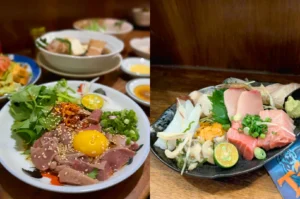
Not the premium sashimi.
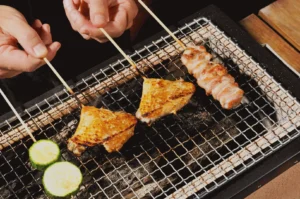
Not the grilled fish.
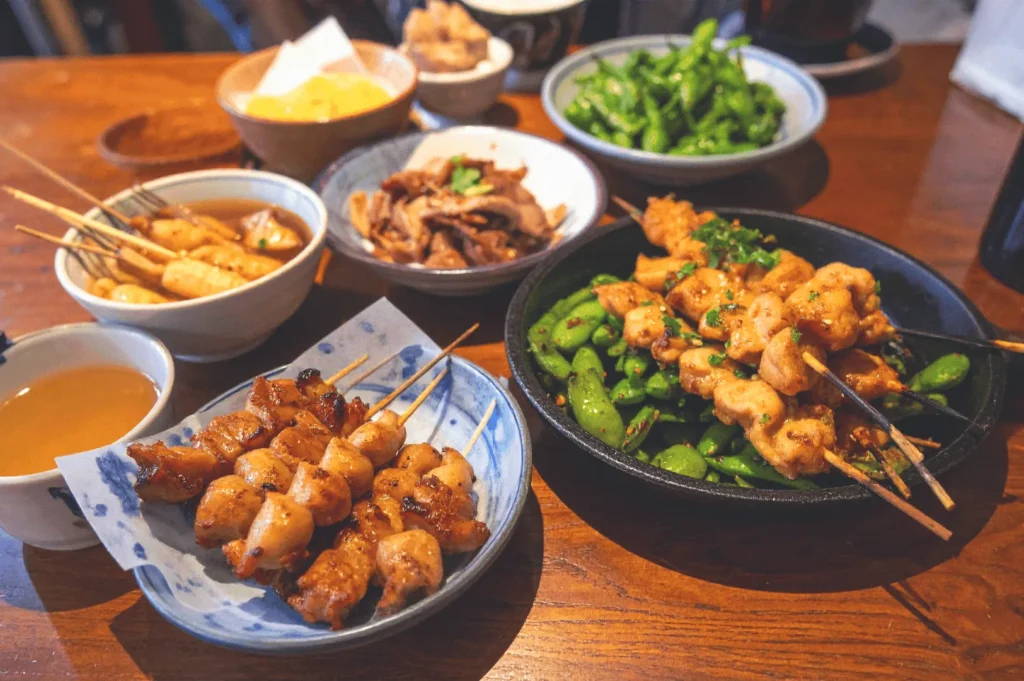
Not even the skewers you came for.
It’s usually something small. Quiet. Almost forgettable on paper.
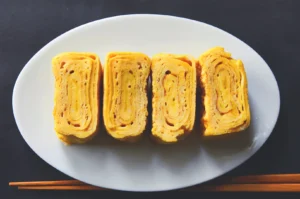
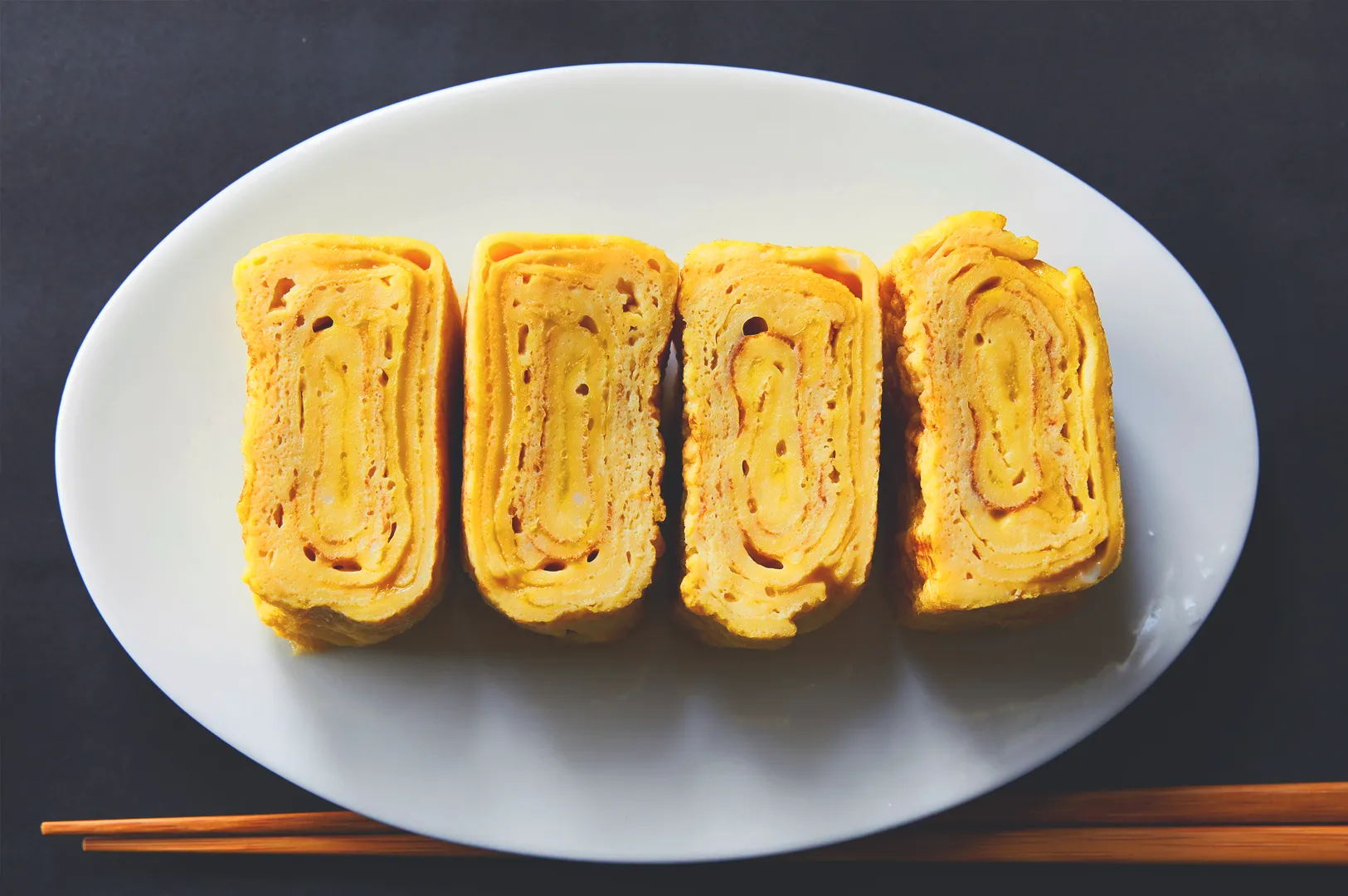
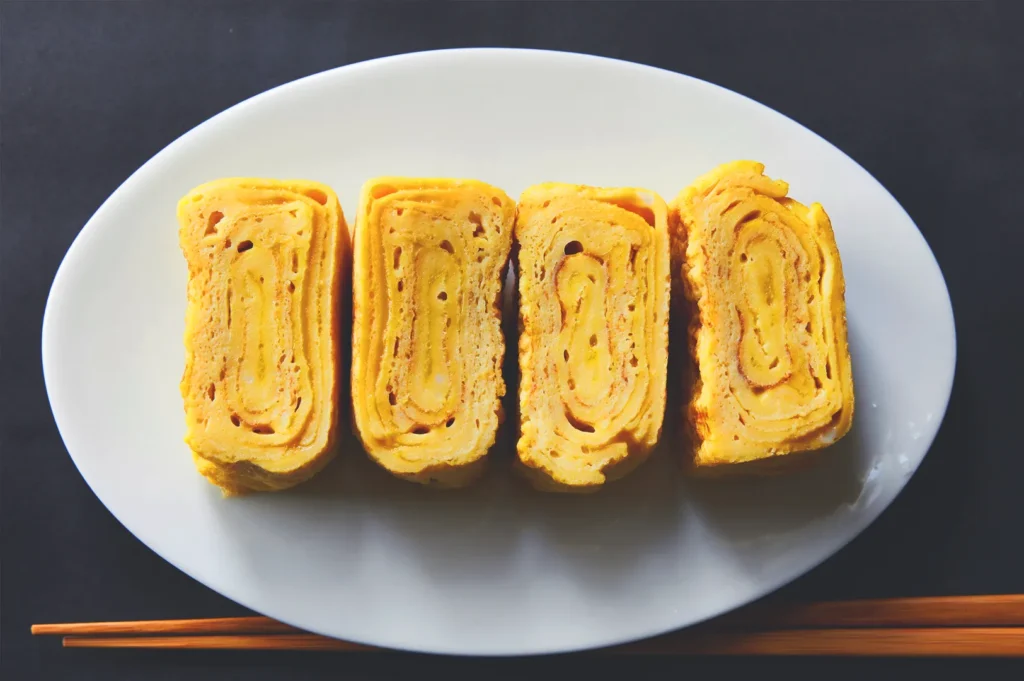
A slice of tamagoyaki. A bowl of potato salad. A plate of cabbage with miso.
It arrives early, often before you’ve properly settled in. You take a bite without thinking too much about it.
And somehow, at that moment, you already know.
Whether the place is good.
The Dish That Doesn’t Try Too Hard
There’s something revealing about simple food.
When a dish is stripped down to just a few ingredients, there’s nowhere for the kitchen to hide. No heavy sauces, no elaborate plating, no distractions.
Just texture. Just seasoning. Just technique.
If the egg is slightly dry, you notice.
If the seasoning is off, you feel it immediately.
If the balance is right, though — you don’t analyze it.
You just keep eating.
That’s the difference.
Why Simple Food Is Actually Harder
It sounds counterintuitive, but the fewer elements a dish has, the harder it is to get right.
Take tamagoyaki.
At a glance, it’s just a rolled egg. But it needs careful heat control, consistent layering, and a precise balance of sweetness and savouriness. Too much of anything, and it tips over.
Or potato salad — something most people don’t even think twice about.
In a good izakaya, it’s creamy but not heavy. Seasoned but not overpowering. Textured but still cohesive. It feels… complete, even though nothing about it is flashy.
That kind of balance doesn’t happen by accident.
It’s practice. Repetition. Restraint.
The First Few Bites Are Doing More Than You Think
What’s interesting is how quickly we form impressions.
We like to think we’re objective — that we need a full meal to decide if a place is worth returning to.
But in reality, the decision often happens much earlier — often in ways we don’t consciously notice, something we explore further in how diners instinctively judge an izakaya.
The first few dishes set the tone.
If they feel thoughtful, you relax. You order more freely. You trust the kitchen.
If something feels off, even slightly, you hesitate. You start second-guessing your next order.
It’s subtle, but it changes the entire night.
And more often than not, it’s the simplest dish that triggers that reaction.
The Kind of Confidence You Can Taste
Good izakayas don’t try too hard to impress.
There’s a quiet confidence in how they cook — especially in their simplest dishes. Nothing is over-seasoned to compensate. Nothing is overly dressed up.
They let the basics speak.
And when those basics are right, everything else tends to follow.
The skewers will be well-timed.
The fried dishes will feel balanced.
The meal will flow naturally.
Because the foundation is already there.
What That First Bite Is Really Telling You
The next time you sit down at an izakaya, pay attention to that first simple dish.
Not in an analytical way. Just… notice.
Does it feel clean? Balanced? Easy to keep eating?
Or does something feel slightly off, even if you can’t explain it?
Because that small plate isn’t just something to nibble on while you wait.
It’s a quiet signal.
And more often than not, it’s telling you exactly what kind of night you’re about to have.