Here is the thing: maki and nigiri are not competing for the same job.
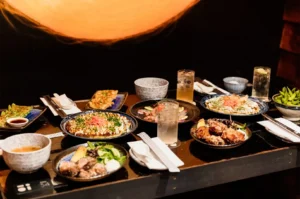
We lump them together because they are both sushi, but sit down with friends at an izakaya-style restaurant and the difference becomes obvious fast. One keeps the table moving. The other makes you stop for a second.
That matters more than people think.
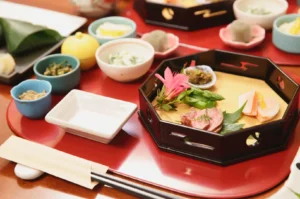
Izakaya Is Not Built for One Perfect Meal
We are used to restaurants curating experiences.
A tight menu suggests focus. A limited selection signals confidence. In many dining cultures, brevity equals refinement.
Izakaya culture follows a different philosophy.
An izakaya is not designed to deliver one flawless, self-contained experience. It is designed for repetition. For routine. For becoming part of someone’s weekly rhythm.
Historically in Japan, izakayas functioned as neighborhood after-work spaces. Regulars would return multiple times a week. A concise menu would quickly become predictable. A long menu, however, invites exploration over time.
The abundance is not clutter.
It is continuity.
Variety Encourages Return
When I first began paying attention to menu length, I noticed something subtle: regulars rarely study it.
They already know.
They have favorites — perhaps a particular skewer, a simmered dish, a specific sashimi cut — but they also experiment. One new item each visit. One seasonal addition. One special scribbled on the board.
A long menu allows for this flexibility.
You can visit weekly and never repeat the same sequence. One evening might revolve around grilled items and sake. Another around fried comfort dishes and beer. A third might lean toward lighter plates and seasonal vegetables.
The structure supports mood.
And mood changes.
Nigiri Changes the Pace
Then nigiri arrives and the mood shifts.
You are looking at one piece of fish over rice. That is it. No big sauce moment. No pile of toppings fighting for attention.
So you notice more.
Is the fish soft or firm? Is it fatty? Is it clean and delicate? Is there a little warmth in the rice?
Nigiri feels more personal because each piece asks for your attention in a way a shared roll usually does not.
That is not better. Just different.
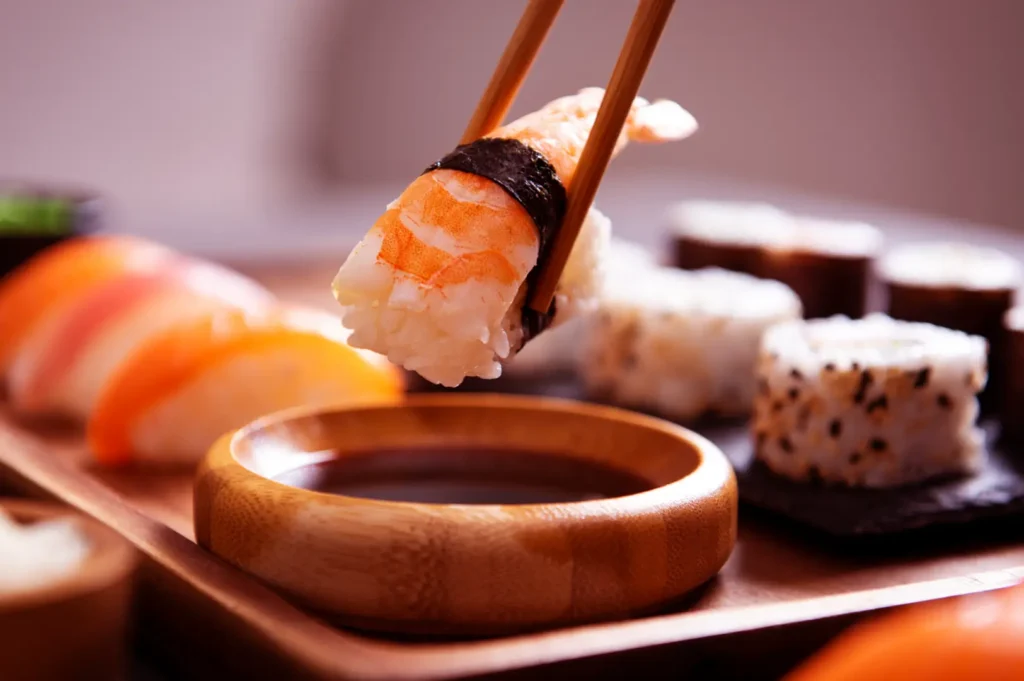
The Best Move Is Usually Both
This is where people overthink the choice.
Do you order maki or nigiri?
Honestly, if the table is social and nobody is rushing, order both.
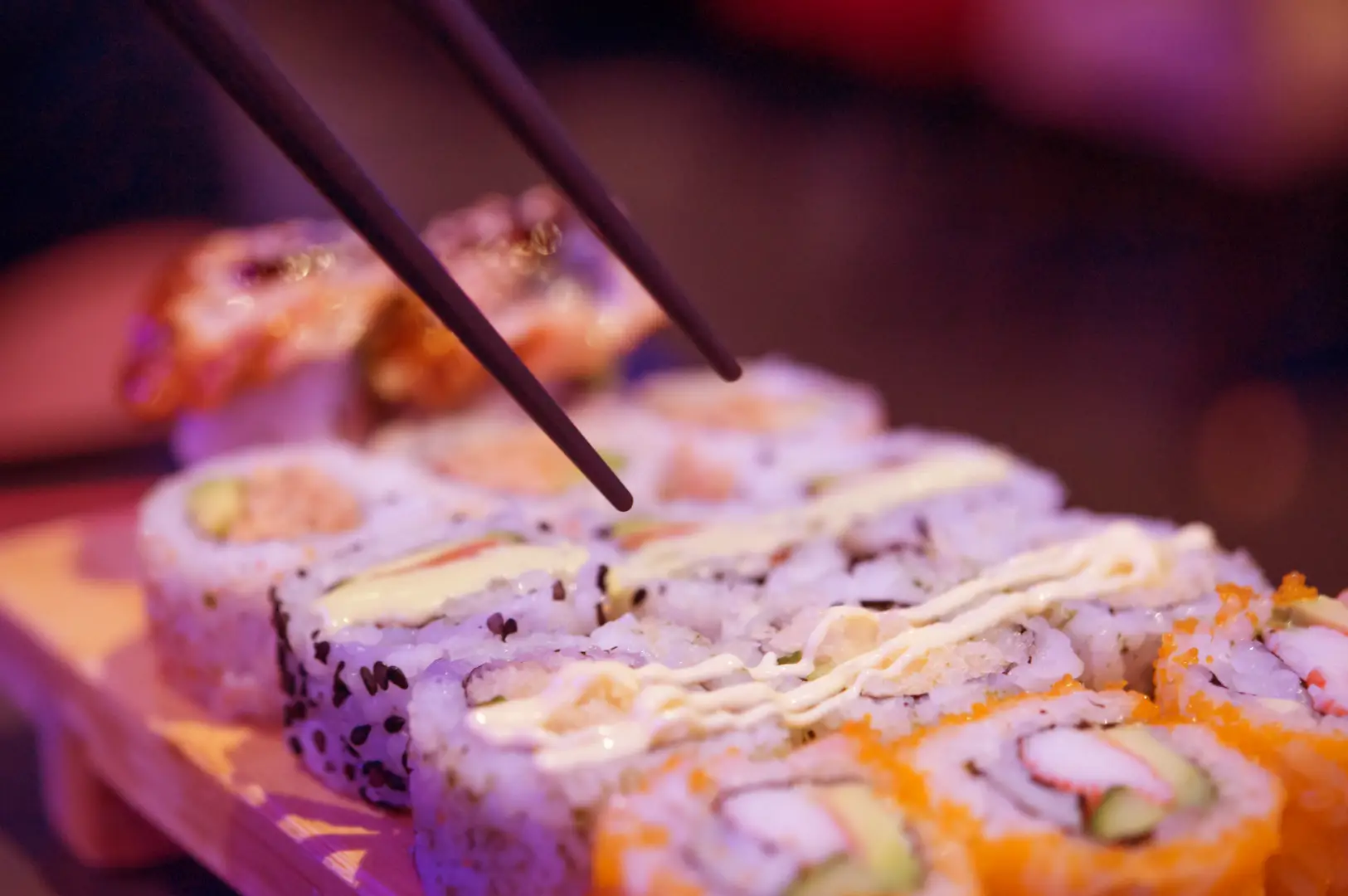
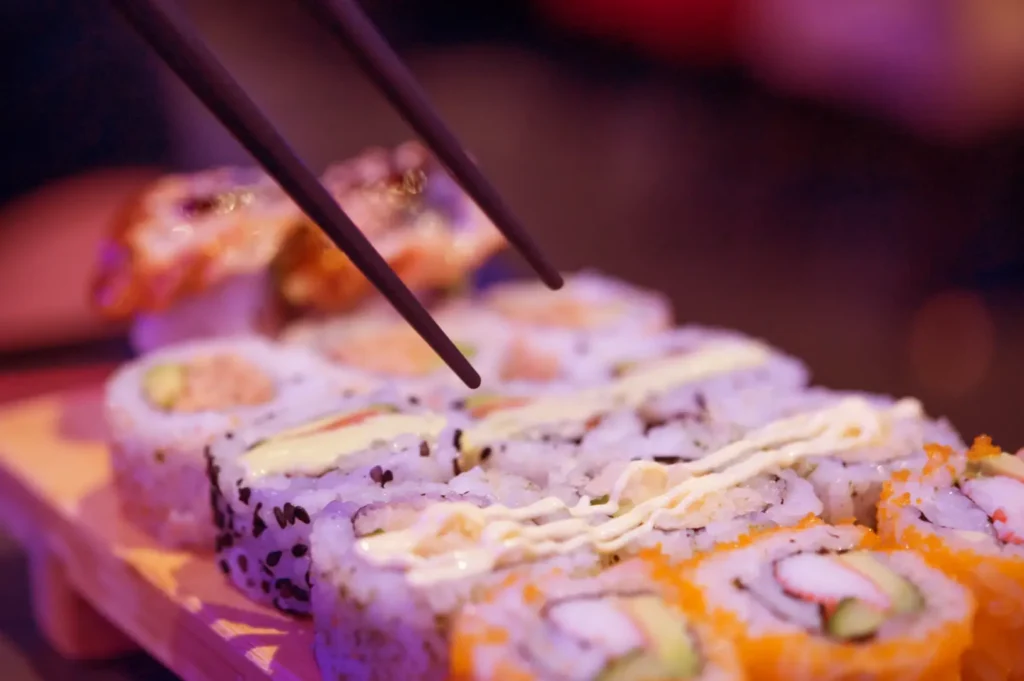
Start with a roll everyone can share. Let the conversation settle in. Add nigiri when you want to focus on a specific fish. Then move into sashimi, tempura, grilled dishes, or whatever else the table starts craving.
That rhythm is exactly why izakaya-style sushi works so well.
If you want to see that mix play out across actual restaurants, our best sushi Singapore guide looks at izakaya-style spots where maki, nigiri, sashimi, sake, and shared plates all get their turn at the table.
Maki keeps things moving.
Nigiri slows things down.
And the meal gets better because the pace changes.
What Should You Order?
If you want bold flavours, easy sharing, and something everyone can reach for, go maki.
If you want to taste the fish itself, especially something seasonal, go nigiri.
If sake is already on the table and dinner is turning into a longer night, do not choose sides. Order a roll, add a few pieces of nigiri, and see where the meal goes.
That is the real difference.
Maki answers, “What should we share?”
Nigiri answers, “What fish do I actually want to notice?”
You can still order favourites, obviously, but letting each style do its own job makes a shared dinner feel far less repetitive for everyone.
Once you think about sushi that way, ordering gets much easier.
And much more interesting.