The office windows were still bright when the lanterns came on.
That contrast always feels slightly honest. Singapore does not slow down just because evening arrives. In Telok Ayer and Tanjong Pagar, people continue moving between buildings, train stations, traffic lights, and late messages. Some carry laptop bags. Some walk in pairs but speak like they are still in a meeting.
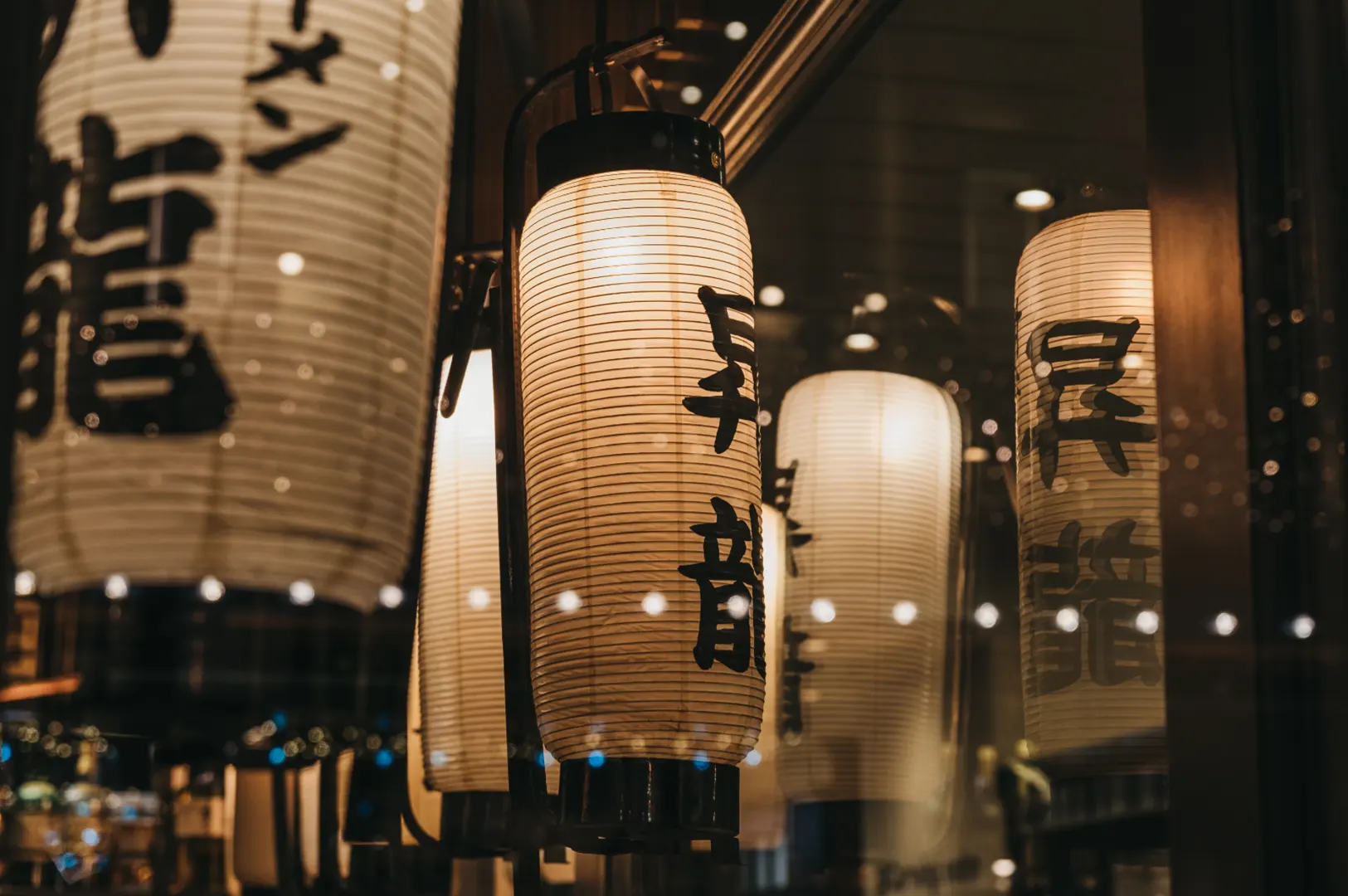
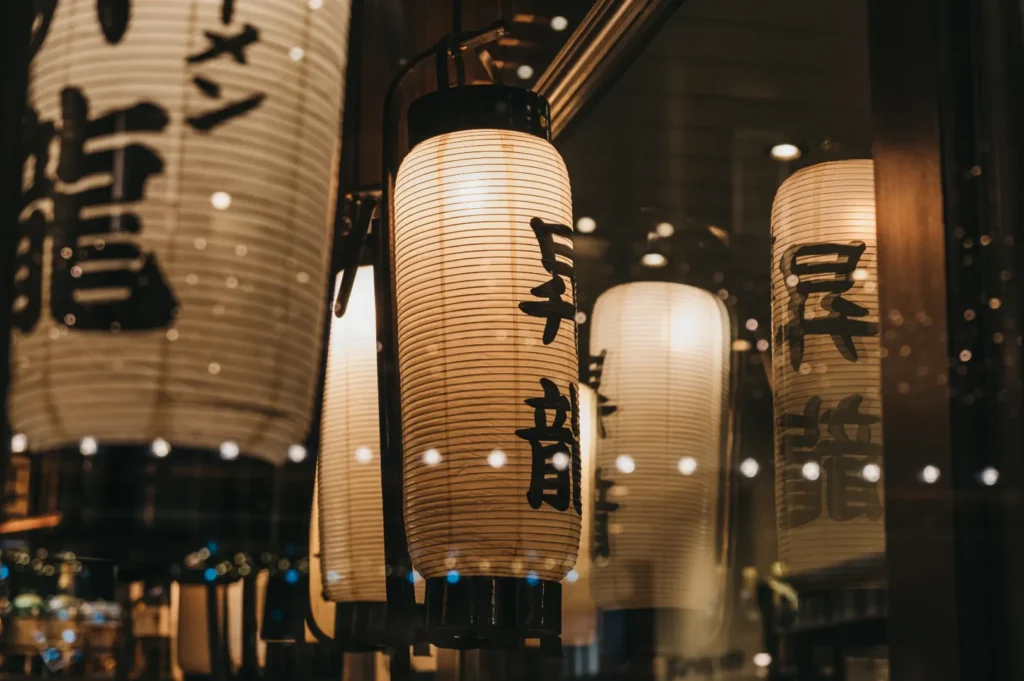
Then, between glass towers and polished lobbies, an izakaya begins to glow.
Not loudly. Not dramatically.
Just enough to suggest that another kind of night is possible. It is the same quiet shift that makes a difficult evening feel lighter, the kind of feeling captured in how a rainy night izakaya can save a Singapore evening.
Between Work and the First Drink
We often think an izakaya night begins when the first drink arrives.
In Singapore’s business districts, it often begins earlier, on the walk from office to doorway. The pace changes before anyone sits down. Shoulders loosen. Phones are checked one last time. Someone asks whether the booking name is correct. Someone else is already thinking about highballs.
This short walk matters.
It separates the working day from the shared table. By the time the noren is lifted or the door opens, the group has already started leaving the office behind.
Light Changes the Room
Office light is useful. It keeps people alert.
Izakaya light does something else.
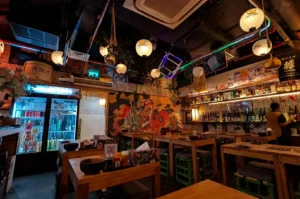
It softens the room without making it sleepy. A counter becomes warmer. Wooden tables look more inviting. Bottles behind the bar catch the light. The grill carries its own brightness, brief and practical, whenever fat meets heat.
In Tokyo, this contrast is easy to find in side streets near train stations. In Singapore, it appears differently. It happens against office windows, under shophouse fronts, beside quiet CBD pavements, or behind glass doors that look ordinary in the afternoon.
The effect is the same.
The room gives permission to stop performing for a while.
The City Remains Outside
A good izakaya does not erase Singapore.
It sits inside it.
You can still see the city through the window or feel it waiting beyond the door. Cars pass. The MRT continues. Office towers stay lit long after dinner has begun.
That nearness is part of the feeling.
The table is not an escape from the city as much as a pause within it. Drinks arrive. Small plates are shared. The conversation becomes less exact. People stop reporting and begin speaking.
Slowly, the night belongs less to work.
A Softer Kind of Ending
By the time the table orders one more dish, the windows outside have changed. Some offices are dark now. Some are still lit. The street feels thinner.
Inside, the lantern light remains steady.
This is why izakayas fit so naturally into Singapore’s business districts. They understand the space between responsibility and rest. They do not ask the city to become quiet first.
They simply make room for people to become quiet inside it.
And sometimes, after a long day, that is enough: a warm seat, a clear drink, and lights softer than the office left behind for another hour.
For more places that understand this kind of after-work pause, visit bestizakaya.com.sg.