
You’ve seen the word on restaurant signs and heard friends rave about their last visit. But what exactly is an “izakaya”? Is it a bar? A restaurant? A sushi spot? While izakaya share some similarities with bars, they are typically more casual, social, and centered around shared dining experiences. In contrast, bars in Tokyo are often more formal or specialized, frequently found in narrow alleyways, and cater to quick, intimate drinking among locals. The simple answer is a delightful mix of all three, but the true meaning of izakaya goes much deeper. It’s a concept central to Japanese social life, and understanding it is the key to unlocking one of the most enjoyable and authentic izakaya experiences Japan has to offer.
This guide will demystify the izakaya restaurant menu for you. We’ll break down the japanese word izakaya itself, explain how menus are structured, and walk you through the classic dishes and drinks you’re likely to encounter. We’ll skip the deep dive into cultural history—for that, you can explore our comprehensive article, The Complete Guide to Izakaya: Exploring Japan’s Beloved Pub Culture. Here, we’re focused on giving you the confidence to walk into any izakaya, pick up the menu, and order like a regular.
What is the Real Izakaya Meaning?
At its core, the word izakaya (居酒屋) is a compound of three Japanese characters:
i (居): “to stay” or “to be present”
zaka (酒): a form of “sake” or alcohol
ya (屋): “shop” or “roof”
Put them together, and the literal izakaya meaning is a “sake shop to stay in.” This etymology perfectly captures its origin story. Hundreds of years ago, liquor stores (sakaya) began allowing patrons to drink their purchases on-site. To keep them there longer, they started offering simple snacks and small dishes. Over time, these humble establishments evolved into the bustling social hubs we know today—Japan’s beloved version of a pub, tavern, or gastropub.
The concept is simple: an izakaya is a casual dining place where diners come to drink alcohol and eat delicious dishes, often sharing plates with friends or locals. It’s not about a formal, multi-course meal. Drinking customs and etiquette play an important role at izakaya, with drinking being integral to the social experience and a variety of alcoholic and non-alcoholic options available. Izakaya tend to focus on ordering a steady stream of small dishes to accompany round after round of drinks while enjoying lively conversation and a casual vibe. These establishments are typically frequented by groups, creating a lively atmosphere where interaction with other customers is common, in contrast to more solitary dining experiences. Among the many other restaurants in Japan, izakaya stand out for their unique blend of food and social drinking, offering a distinct experience compared to other restaurants.
Understanding Izakaya Menu Items and Structure
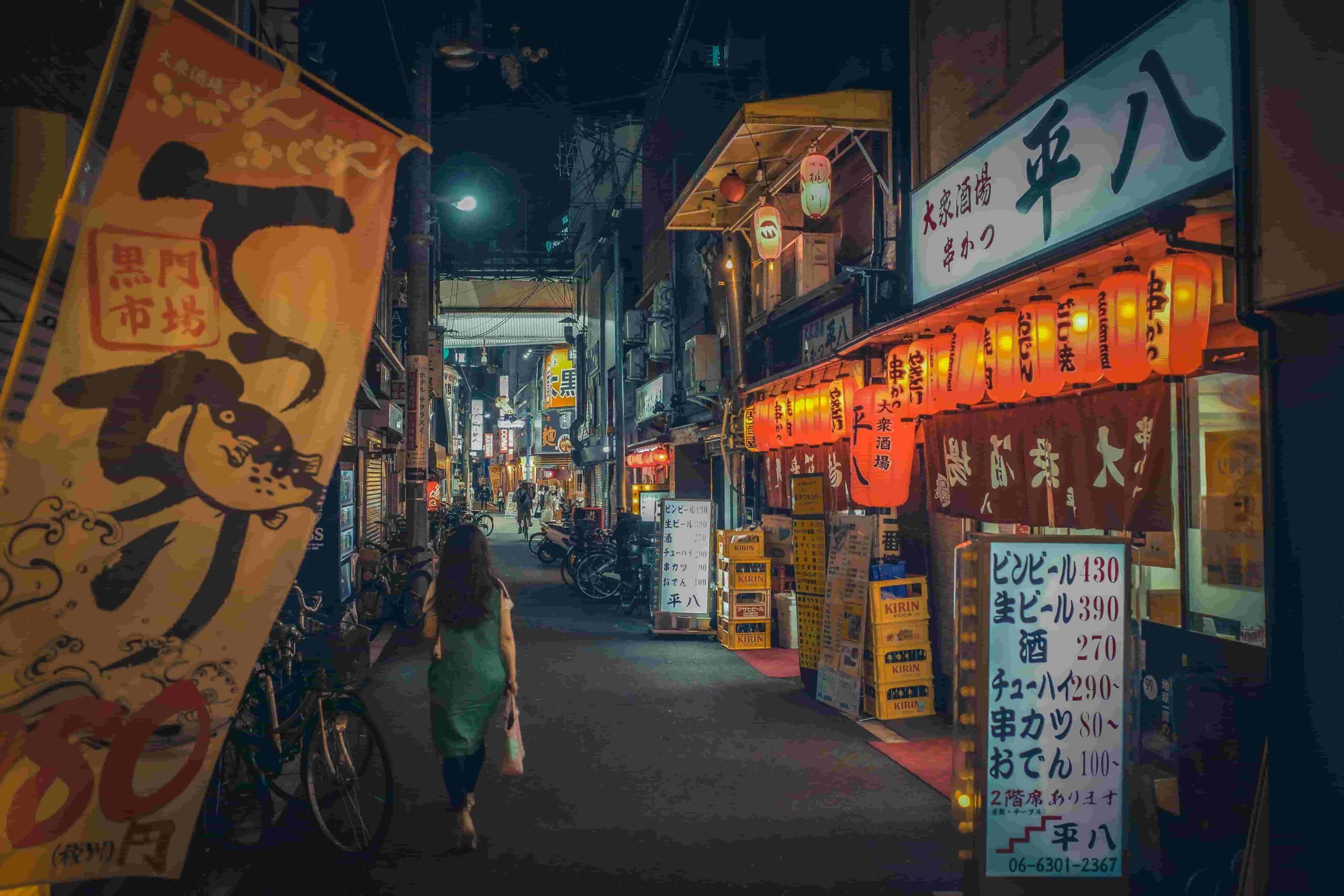
An izakaya menu can seem overwhelming at first, often featuring an extensive menu with dozens of items. However, they are typically organized into logical categories based on the cooking method. Once you understand the structure, navigating it becomes much easier. Dishes are usually placed on the table for sharing, emphasizing the communal aspect of dining at izakaya.
Don’t be surprised to see multiple menus. Many izakaya offer a main printed menu with staples, a separate drinks menu, and a handwritten or blackboard menu featuring the day’s specials (本日のおすすめ – honjitsu no osusume). This specials menu is where the chef showcases the freshest seasonal ingredients—it’s always a great place to order from. At izakaya, dishes and drinks are typically served as soon as they are prepared, rather than all at once. The serving style is efficient and informal, with staff bringing food directly to your table as it is ready, which enhances the relaxed and social dining experience.
Typical Izakaya Menu Categories
Here are the common sections you’ll find and what they mean:
とりあえず (Toriaezu): “For now” or “to start.” These are quick, light snacks to nibble on while you decide on the rest of your order, such as edamame or french fries.
肴 (Otsumami): Appetizers or snacks that go well with alcohol.
サラダ (Sarada): Salads.
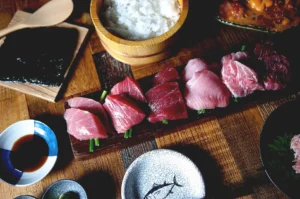
刺身 (Sashimi): Sliced raw fish, a must-try for lovers of fresh seafood.
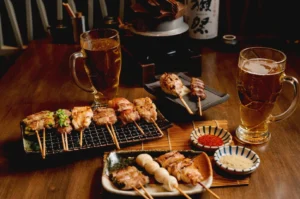
焼き物 (Yakimono): Grilled or pan-fried dishes, including grilled meat and famous grilled chicken skewers known as yakitori.
揚げ物 (Agemono): Deep-fried dishes, with tempura being a classic example.
煮物 (Nimono): Simmered dishes.
ご飯物 (Gohanmono): Rice dishes.
麺類 (Menrui): Noodle dishes. A noodle dish is often ordered at the end of the meal, reflecting its cultural significance as a satisfying conclusion.
デザート (Dezaato): Dessert.
Izakaya Menu Drinks for Non Drinkers and Drinkers Alike
The “zaka” (sake) in izakaya is there for a reason—drinks are central to the izakaya experience.
Beer (ビール): A cold draft beer (nama bīru) is the classic starting drink for a toast (“Kanpai!”).
Sake (酒): The soul of the izakaya. Don’t be intimidated by the options. Sake is often categorized by its polishing ratio and brewing method. A few common terms:
Junmai: Pure rice sake, with no added brewer’s alcohol. Tends to be rich and full-bodied.
Ginjo/Daiginjo: Highly polished rice sake, often lighter, more aromatic, and fragrant.
Karakuchi/Amakuchi: Dry/Sweet.
Shochu (焼酎): A distilled spirit made from ingredients like barley, sweet potato, or rice. It can be served on the rocks (rokku) or mixed with water (mizuwari).
Highball (ハイボール): A refreshing mix of Japanese whisky and soda water.
Umeshu (梅酒): A sweet and tangy plum liqueur, delicious on its own or mixed with soda.
Soft drinks and non alcoholic drinks: For non drinkers, most izakaya offer tea, juice, and other soft drinks to enjoy alongside the meal.
Izakaya Time Limit and Pricing: What You Need to Know
Izakaya menus are generally very transparent. Dishes are individually priced, and you can control your spending by how many rounds you order.
Seating charge (Otoshi/Tsukidashi): Most traditional izakayas have a small, mandatory seating charge per person. This usually comes in the form of a small dish you didn’t order. It’s not a scam; it’s a standard part of the culture.
Dish Prices: Appetizers and skewers are usually affordable, while premium items like high-grade sashimi or wagyu beef will be more expensive.
All-You-Can-Drink (Nomihodai): Some izakayas offer nomihodai plans, where you pay a flat fee for unlimited drinks from a set menu for a fixed period (usually 90 or 120 minutes). This can be a great value if your group plans to drink a lot.
Time limit: Most izakaya impose a time limit during busy hours to ensure all diners get their turn. This is usually around two hours.
The Izakaya Atmosphere and Etiquette
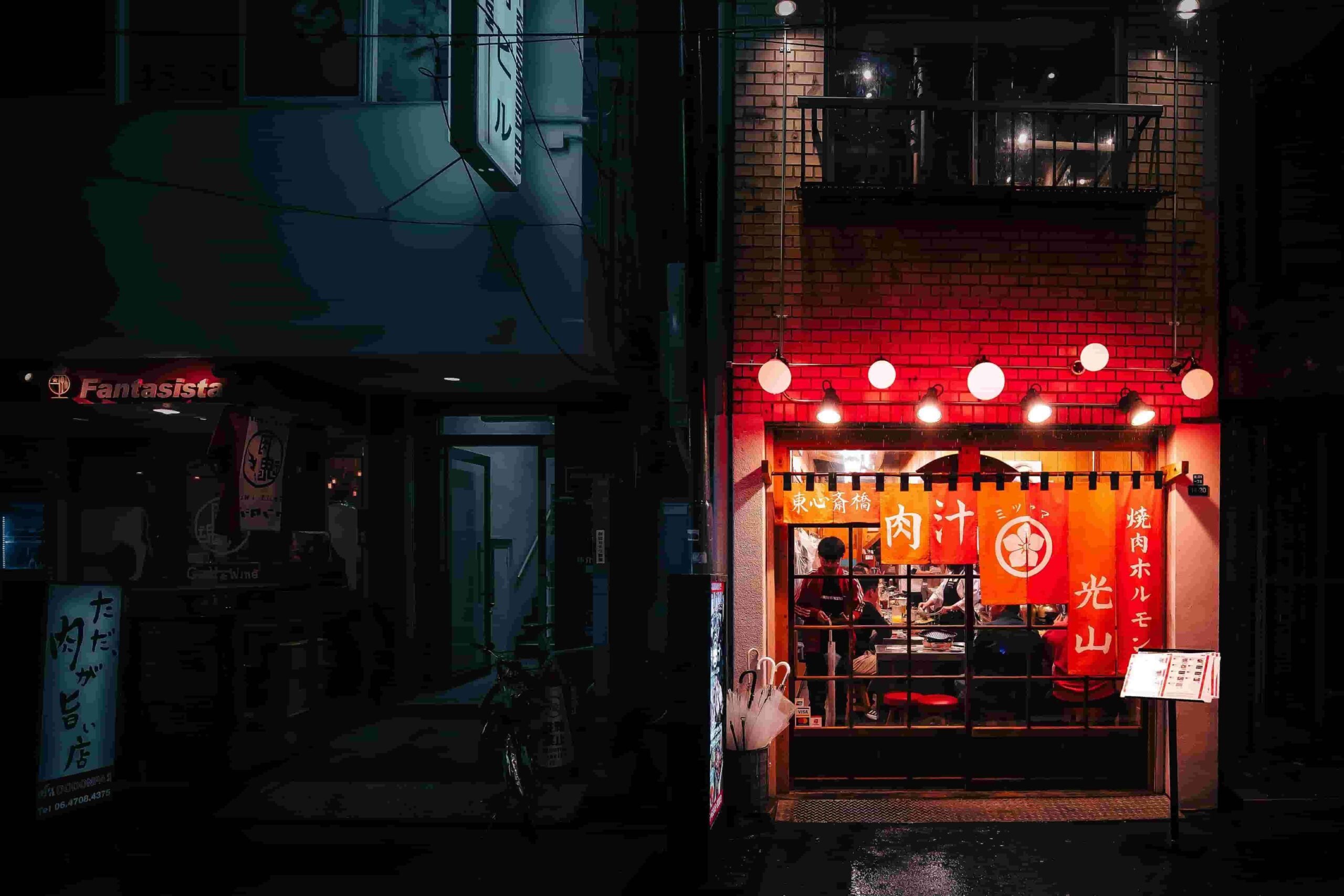
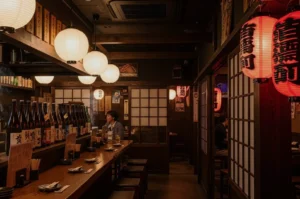
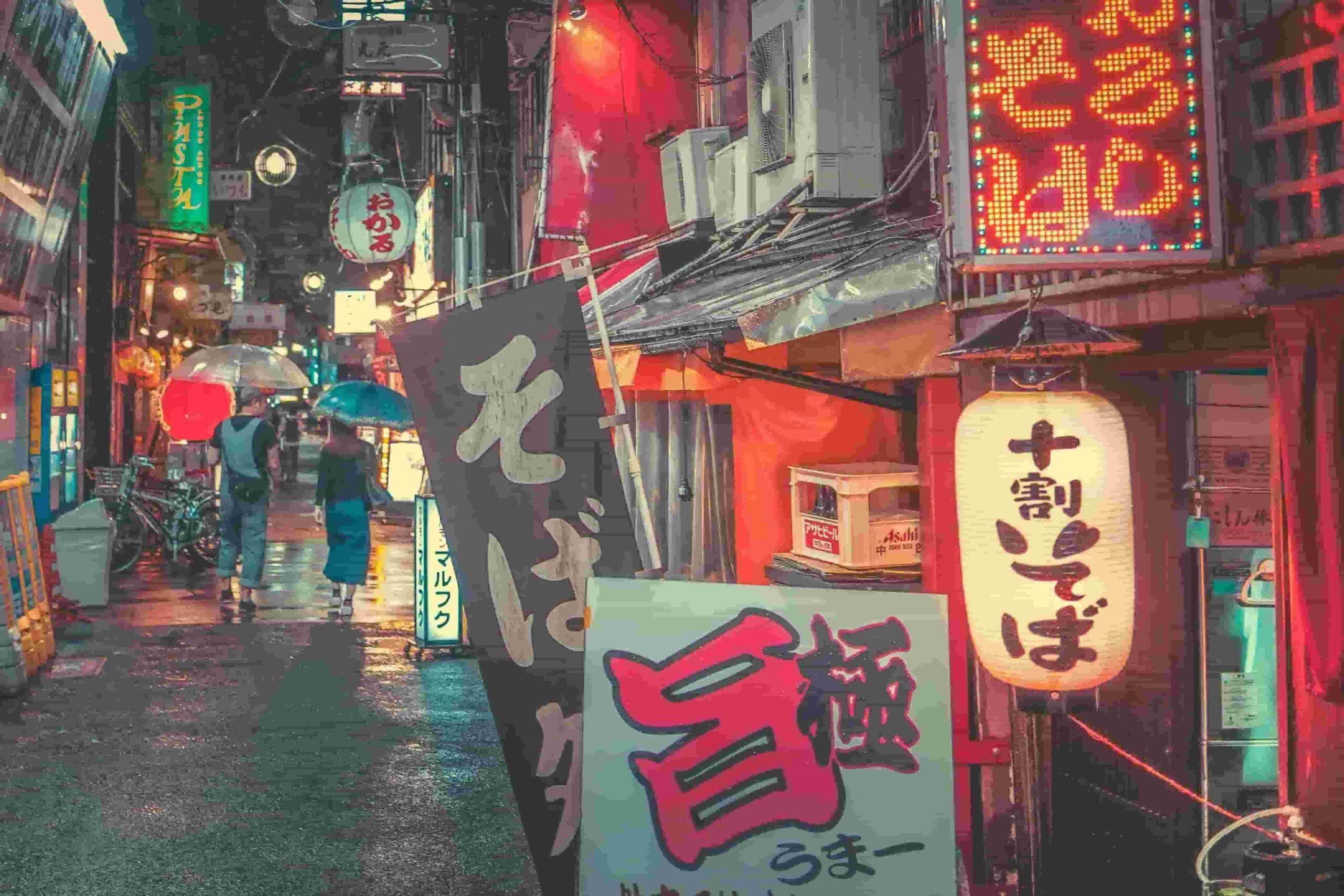
Many izakaya feature cozy interiors with low tables or Western-style seating. Some larger izakaya and chain izakaya offer private rooms for groups seeking a more intimate experience. Red lanterns often mark the entrance, creating a welcoming glow that invites locals and visitors alike.
Smoking used to be common in izakaya, but the indoor smoking ban has changed this. While cigarette smoke was once part of the izakaya vibe, most izakaya now have designated smoking areas or are completely non-smoking, making the environment more pleasant for non smokers.
Izakaya are lively places where diners sit shoulder to shoulder, sharing food, drinks, and stories. It’s the perfect spot to unwind after work, enjoy a meal with friends, and soak in the casual vibe that defines this beloved Japanese institution.
Popular Izakaya Dishes to Try
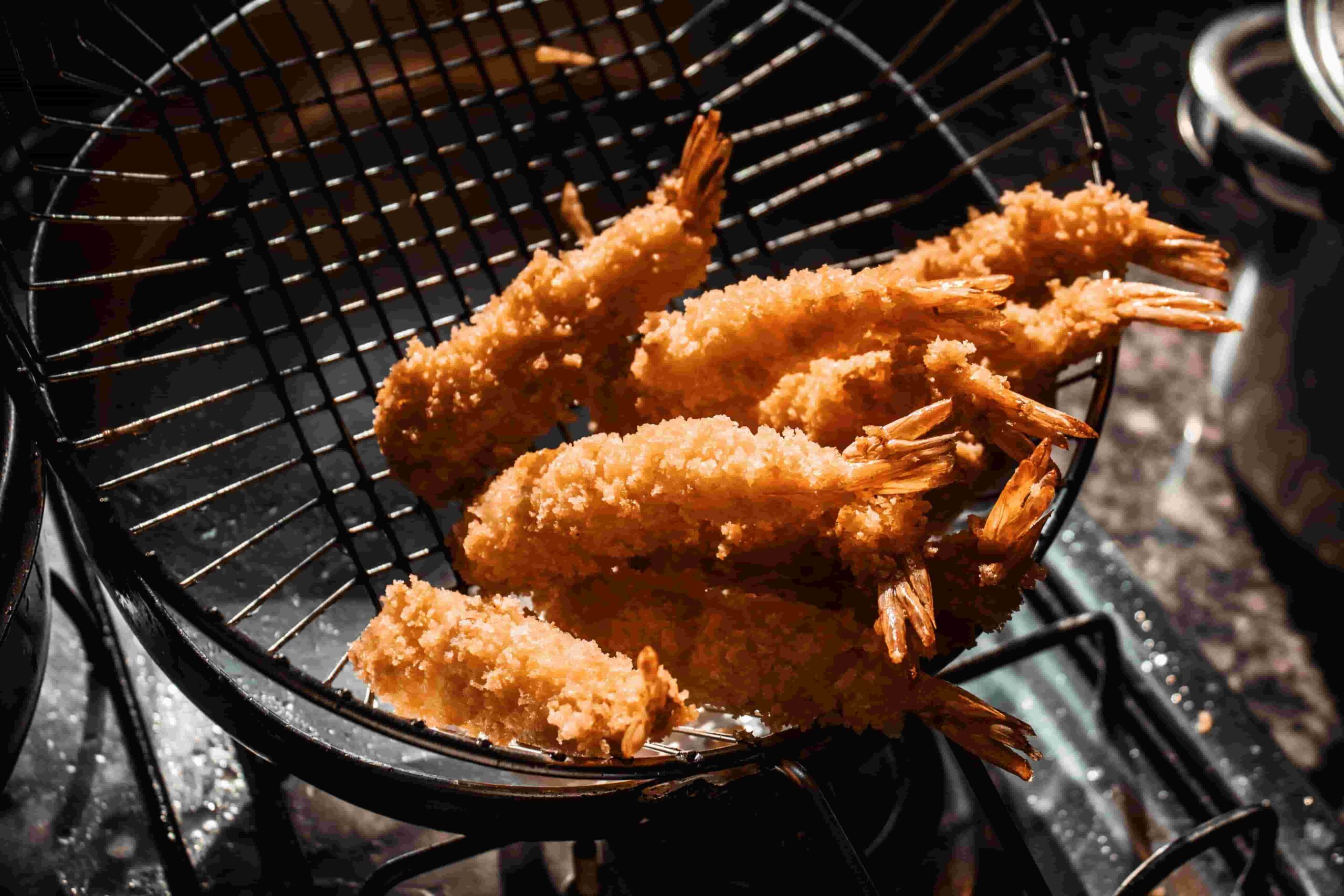
When visiting an izakaya, part of the fun is sampling a variety of dishes that perfectly complement the drinks and social atmosphere. Here are some popular izakaya dishes that you should definitely consider ordering:
Edamame: Steamed young soybeans lightly salted, a classic starter that is simple yet satisfying.
Yakitori (Grilled chicken skewers): These are bite-sized pieces of chicken grilled over charcoal, often seasoned with salt or a savory sauce called tare.
Tempura: Lightly battered and deep-fried vegetables and seafood, offering a crispy texture that pairs well with cold beer.
Sashimi: Thinly sliced raw fish served fresh, showcasing the quality of the seafood.
Nimono (Simmered dishes): These often include vegetables and meat simmered in a flavorful broth, providing a comforting and warm option.
French fries: Surprisingly common in izakaya menus, these cater to those craving familiar comfort food.
Rice and noodle dishes: Often ordered towards the end of the meal, these dishes help round out the dining experience.
Pickled vegetables: A tangy and refreshing side that balances richer flavors.
This variety ensures that there is something for everyone, whether you prefer light snacks or more substantial bites. Many izakaya also highlight seasonal ingredients, so be sure to ask about daily specials to enjoy the freshest offerings.
Where to Find Izakaya
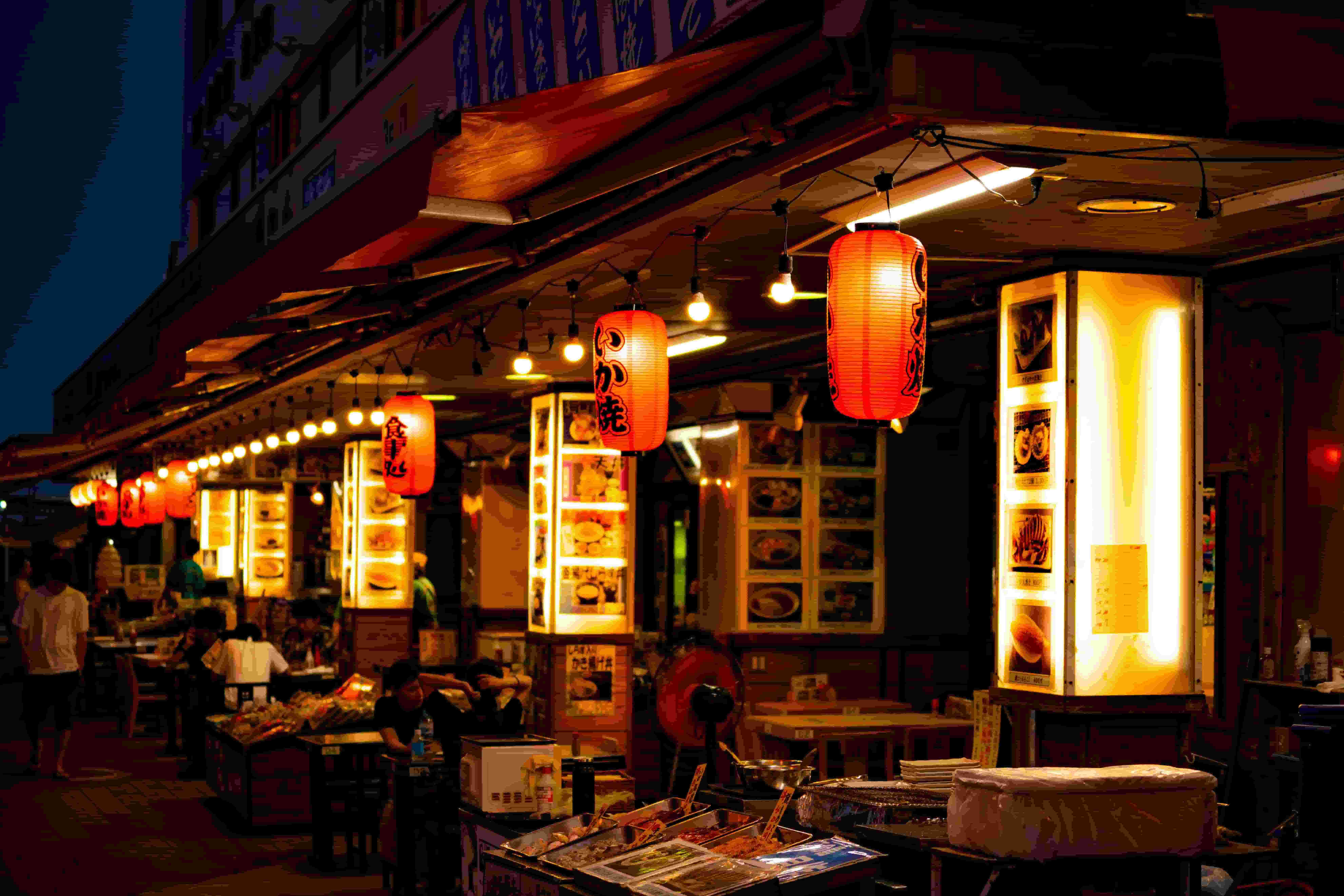
Many restaurants and izakaya are conveniently located near train stations throughout Tokyo and other cities in Japan. Whether you seek a tiny single-counter establishment or a sprawling chain izakaya, you’ll find a welcoming spot to eat, drink alcohol, and enjoy the evening.
By understanding the meaning of izakaya and how to navigate its menu, you transform from a curious visitor into a confident participant. You’re ready to embrace the lively atmosphere and explore the delicious, unpretentious food that makes this Japanese institution so beloved around the world. Now, all that’s left is to find one and say “Kanpai!“