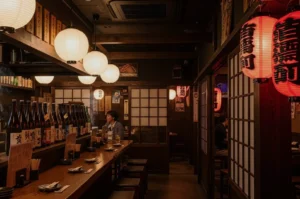

Step into any bustling district in Tokyo or Osaka after 6 PM, and you’ll discover a world where the day’s formalities melt away amid the warm glow of paper lanterns and the sizzle of grilled chicken skewers. In the Land of the Rising Sun, this is the realm of the izakaya—Japan’s beloved tavern culture that has served as the social heartbeat of communities for centuries. More than just places to drink alcohol and eat, these establishments represent a fundamental aspect of Japanese social fabric, where colleagues become friends, strangers share tables, and the rigid hierarchies of daily life give way to genuine human connection.
An izakaya offers something uniquely Japanese: the perfect marriage of casual dining and social drinking, wrapped in an atmosphere that encourages lingering, sharing, and authentic conversation. Whether you’re planning a trip to Japan or seeking an authentic experience closer to home in Singapore, understanding izakaya culture opens a window into the soul of Japanese hospitality and community.
What is an Izakaya: Understanding Japan’s Social Dining Institution
The word “izakaya” literally translates to “stay sake shop”—a place where people can sit, relax, and enjoy alcohol alongside food. However, this simple definition barely scratches the surface of what makes these establishments so special. Izakaya tend to occupy a unique cultural space that serves multiple social functions, blending the casual vibe of a tavern with the culinary richness of a restaurant.
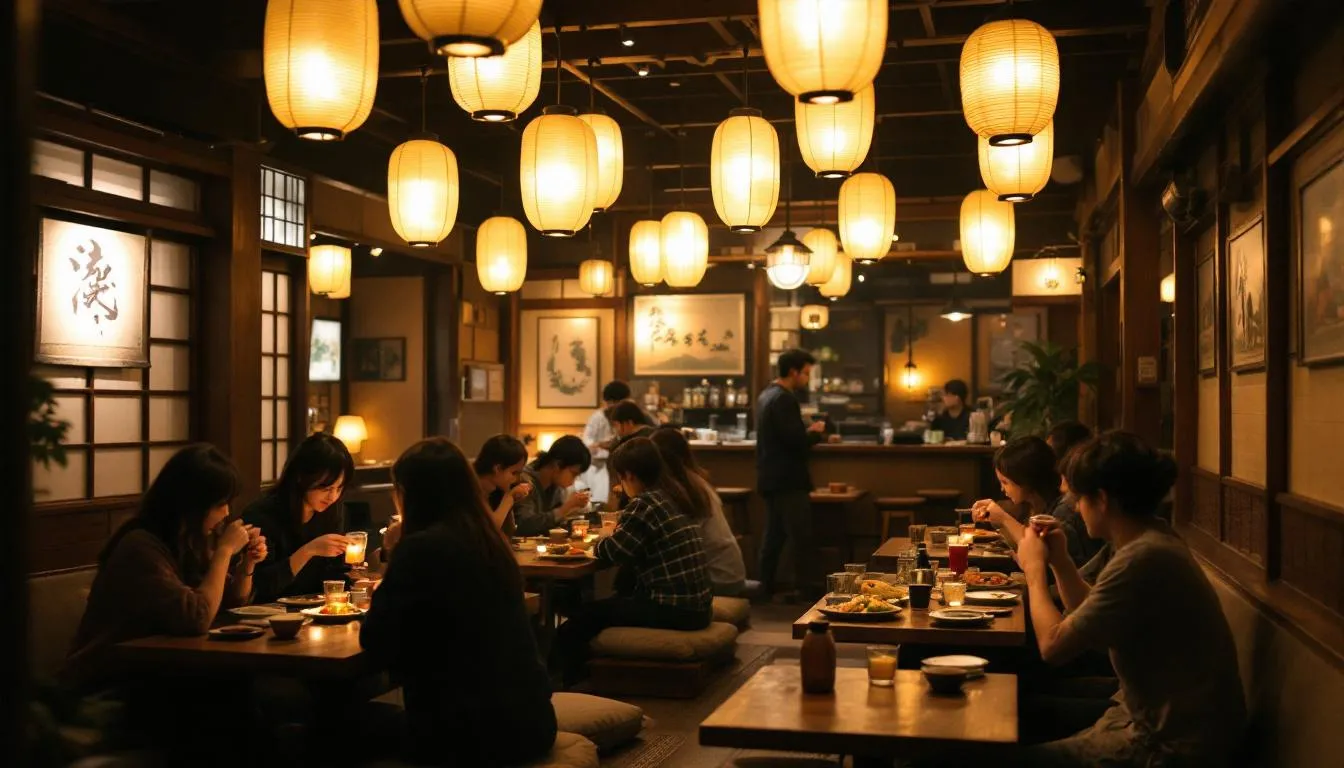
Unlike restaurants where diners typically order individual meals and eat in relative quiet, many izakaya emphasize sharing and socializing. Here, customers dine in a communal, casual style—ordering a variety of small plates throughout the evening, enjoying drinks, and engaging in lively conversation. Picture low tables where guests sit on cushions or wooden stools, surrounded by the lively chatter of other customers and the theatrical calls of chefs working behind open counters. The atmosphere is deliberately informal—ties are loosened, jackets removed, and the day’s stress dissolves in the convivial environment.
What truly distinguishes izakaya from other dining establishments is their dual focus on food and drink as equal partners in the experience. While many izakaya serve exceptional dishes that could stand alone, the food is designed to complement drinking and encourage prolonged socializing. This isn’t fast food or fine dining—it’s social dining, where the goal is connection as much as consumption.
The physical layout of most izakaya reinforces this social mission. Counter seating allows solo diners to chat with staff and other customers, while private rooms and private booths accommodate larger groups seeking more intimate conversations. Whether you’re sitting at communal tables or in secluded corners, the design encourages interaction and creates a sense of community that’s often missing in modern urban life.
The Rich History and Cultural Significance of Izakaya
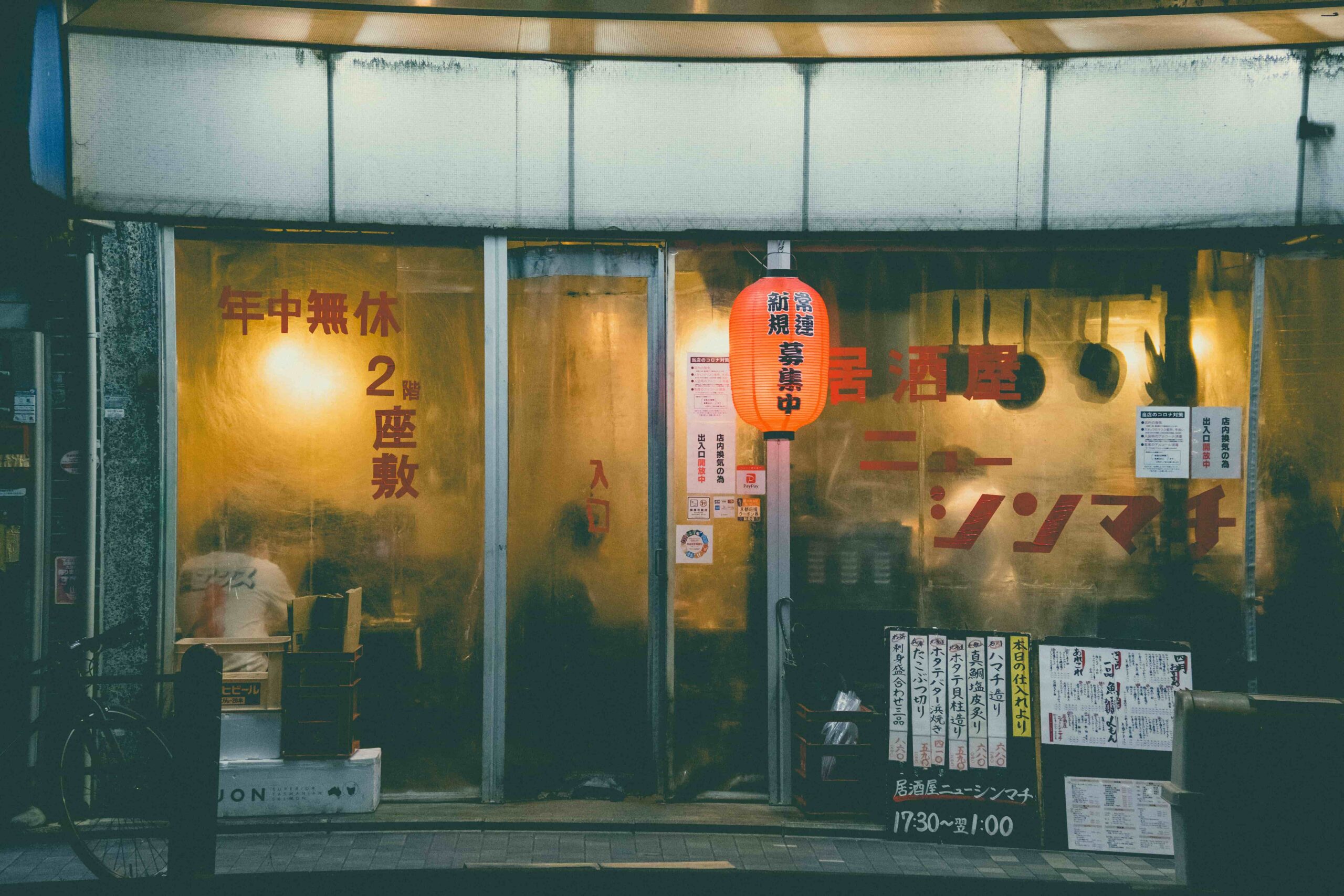
The story of izakaya begins in Japan’s Edo period (1603-1868), when entrepreneurial sake shop owners began allowing customers to sample their products on-site. These early establishments were simple affairs—customers would stand at wooden counters, taste different varieties of sake, and nibble on basic snacks like dried squid or pickled vegetables to cleanse their palates between tastings.
As urban centers grew and more people moved to cities for work, these tasting shops evolved to meet changing social needs. The transition from standing to seated establishments marked a crucial shift—izakaya became places where people could linger, forming the foundation of Japan’s after-work social culture. By the early 19th century, Edo (modern-day Tokyo) counted over 1,800 izakaya, making them the most numerous type of eating and drinking establishment in the city.
The cultural significance of izakaya extends far beyond their role as dining establishments. In Japanese work culture, the evening gathering known as nomikai (drinking party) serves essential social functions that formal office interactions cannot provide. These after-work sessions at izakaya allow colleagues to shed their professional personas, share personal stories, and build the trust and camaraderie that oil the wheels of Japanese business relationships.
This tradition reflects deeper Japanese values around group harmony and social cohesion. In a society where direct confrontation is avoided and hierarchies are strictly observed during work hours, izakaya provide a sanctioned space for more egalitarian interaction. A junior employee might pour sake for their senior manager, who in turn shares personal advice or stories—interactions that would be impossible in the formal workplace setting.
The post-war economic boom cemented izakaya as essential institutions in Japanese urban life. As millions of workers flooded into cities, these establishments provided not just sustenance but community for people far from their home villages. Today, izakaya continue to serve this vital social function, adapting to changing demographics while maintaining their core mission of bringing people together over food and drink.
Classic Izakaya Food: Essential Dishes and Flavors
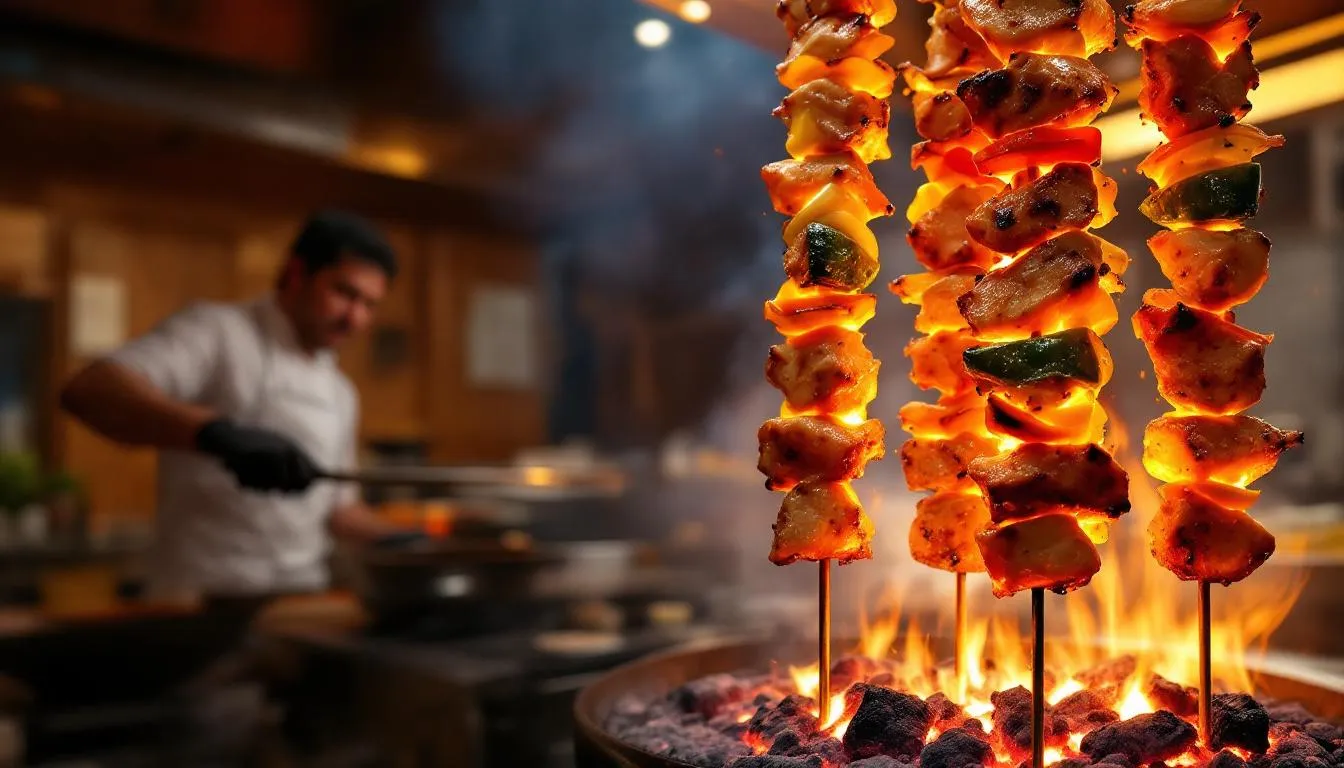
The heart of any authentic izakaya lies in its food—dishes designed not for solo consumption but for sharing among friends. The extensive menu typically features small plates that encourage trying multiple items throughout the evening, creating a culinary journey that unfolds alongside conversation and drinks.
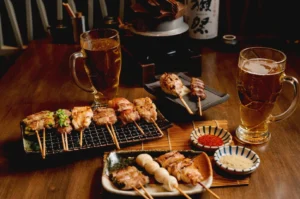
Yakitori stands as perhaps the most iconic izakaya dish, though it encompasses far more than simple grilled chicken skewers. Master yakitori chefs work over charcoal grills, carefully managing heat and timing to create perfectly cooked skewers of chicken thigh, heart, liver, skin, and tsukune meatballs. Each part of the chicken offers different textures and flavors, from the rich, crispy skin to the creamy, mineral taste of liver. The grilled meat is typically seasoned with either tare (a sweet soy-based glaze) or simple salt, allowing the natural flavors to shine through the smoky char. Some upscale izakaya elevate their offerings with gourmet skewers featuring premium ingredients such as foie gras, providing a luxurious twist on the traditional skewer experience.Beyond yakitori, izakaya menus showcase Japan’s mastery of texture and flavor balance. Edamame—those deceptively simple salted soybeans—often arrive as the first dish, their bright saltiness designed to stimulate appetite and complement the first round of drinks. Agedashi tofu presents silky cubes of tofu lightly fried until golden, swimming in a delicate dashi broth that exemplifies Japanese cuisine’s subtle complexity. Tempura is another essential dish, prized for its light, crisp batter and the skillful preparation that preserves the natural flavor and texture of seafood and vegetables.
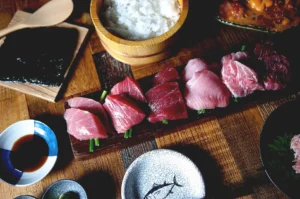
Seafood plays a starring role in many izakaya, reflecting Japan’s island geography and fishing traditions. Fresh sashimi appears on most menus, though typically in smaller, more affordable portions than you’d find at dedicated sushi restaurants. Raw fish preparations might include marinated items like mentaiko (spicy cod roe) or more elaborate dishes featuring seasonal ingredients. The beauty of izakaya dining lies in its variety—a single meal might include crispy karaage fried chicken, delicate steamed dishes, hearty grilled items, and refreshing pickled vegetables. Many izakaya also offer a noodle dish as evening-ending comfort food, from simple udon in hot broth to more elaborate ramen preparations. This diversity ensures that every diner finds something appealing while encouraging exploration of unfamiliar flavors. Seasonal ingredients drive menu changes throughout the year, connecting diners to Japan’s deep appreciation for natural cycles. Spring might bring bamboo shoots and cherry blossom-themed presentations, while winter features hearty hot pot dishes and preserved vegetables. This seasonality keeps regular customers returning to discover new tastes and preparations.Izakaya Drinks: From Sake to Shochu
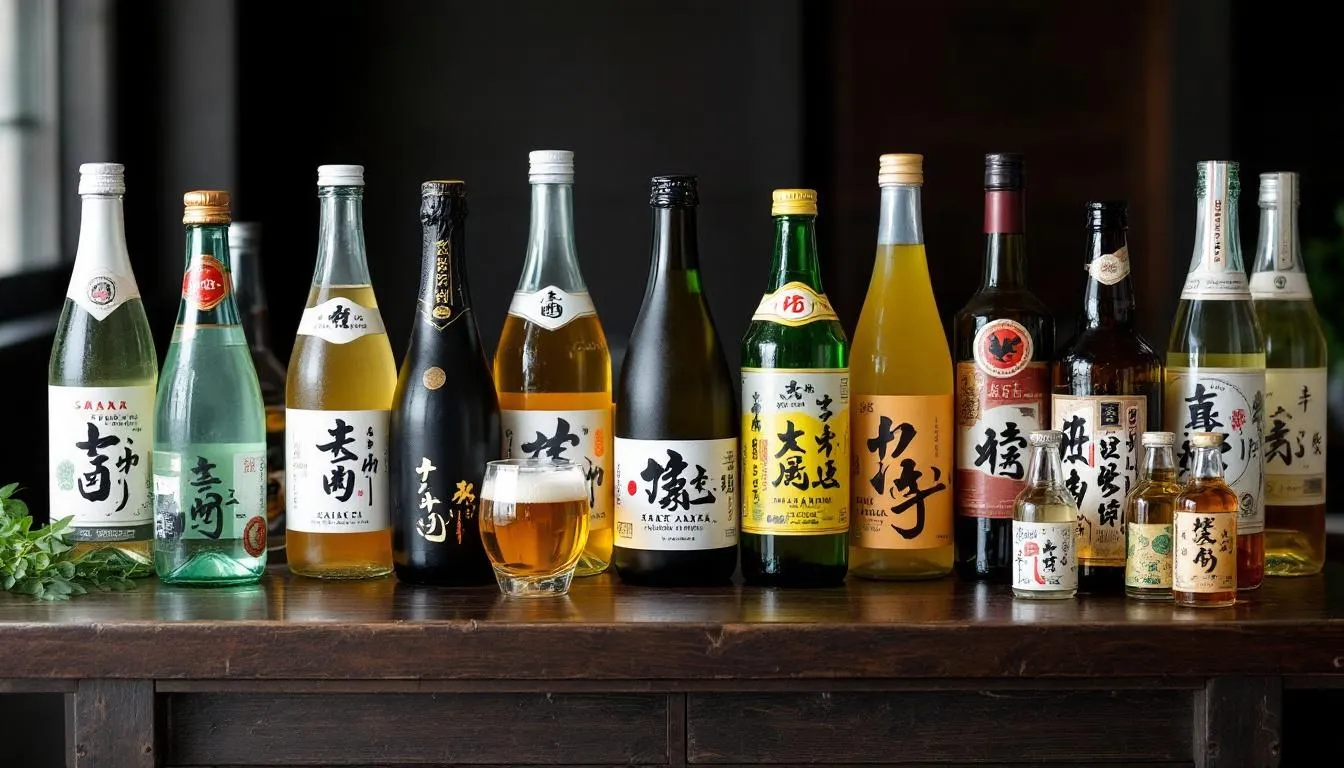
No izakaya experience is complete without understanding the drink culture that forms its foundation. Japanese beer often serves as the evening’s opening act—crisp, refreshing lagers from brands like Asahi, Kirin, and Sapporo that pair beautifully with salty snacks and grilled foods. The ritual of sharing large bottles among the table encourages interaction while the clean, light flavors cleanse the palate between different dishes.
Sake, Japan’s national beverage, reveals its full complexity in the izakaya setting. Unlike the hot sake often served in Western Japanese restaurants, quality establishments offer an extensive selection of cold premium varieties, each with distinct flavor profiles ranging from bone-dry to pleasantly sweet. The knowledgeable staff can guide guests through tastings, explaining how different brewing regions and methods create unique characteristics.
Shochu represents another distinctly Japanese drinking experience—a distilled spirit that can be made from rice, sweet potato, barley, or other ingredients. Unlike sake’s genteel reputation, shochu carries a more rustic, working-class image that fits perfectly with izakaya’s unpretentious atmosphere. It can be served neat, on the rocks, or mixed with hot water in a drink called oyuwari that’s perfect for cold evenings.
Modern izakaya have embraced craft cocktail culture while maintaining their Japanese identity. Chu-hi (shochu highball) and sours made with various fruit flavors offer lighter alternatives, while whisky highballs have experienced a renaissance among younger drinkers. These drinks maintain the social aspect of drinking while appealing to evolving tastes.
For non drinkers, izakaya typically serve excellent non alcoholic drinks including premium teas, specialty sodas, and fruit juices. The staff will treat non-drinking guests with the same respect and attention, ensuring everyone can participate fully in the social experience regardless of their alcohol consumption preferences.
The art of drinking in izakaya extends beyond the beverages themselves to the social rituals surrounding them. Pouring drinks for others while allowing them to pour yours creates bonds of reciprocity and respect. These seemingly simple gestures carry deep cultural meaning, transforming a casual drink into an act of friendship and mutual care.
Izakaya Etiquette and Social Customs
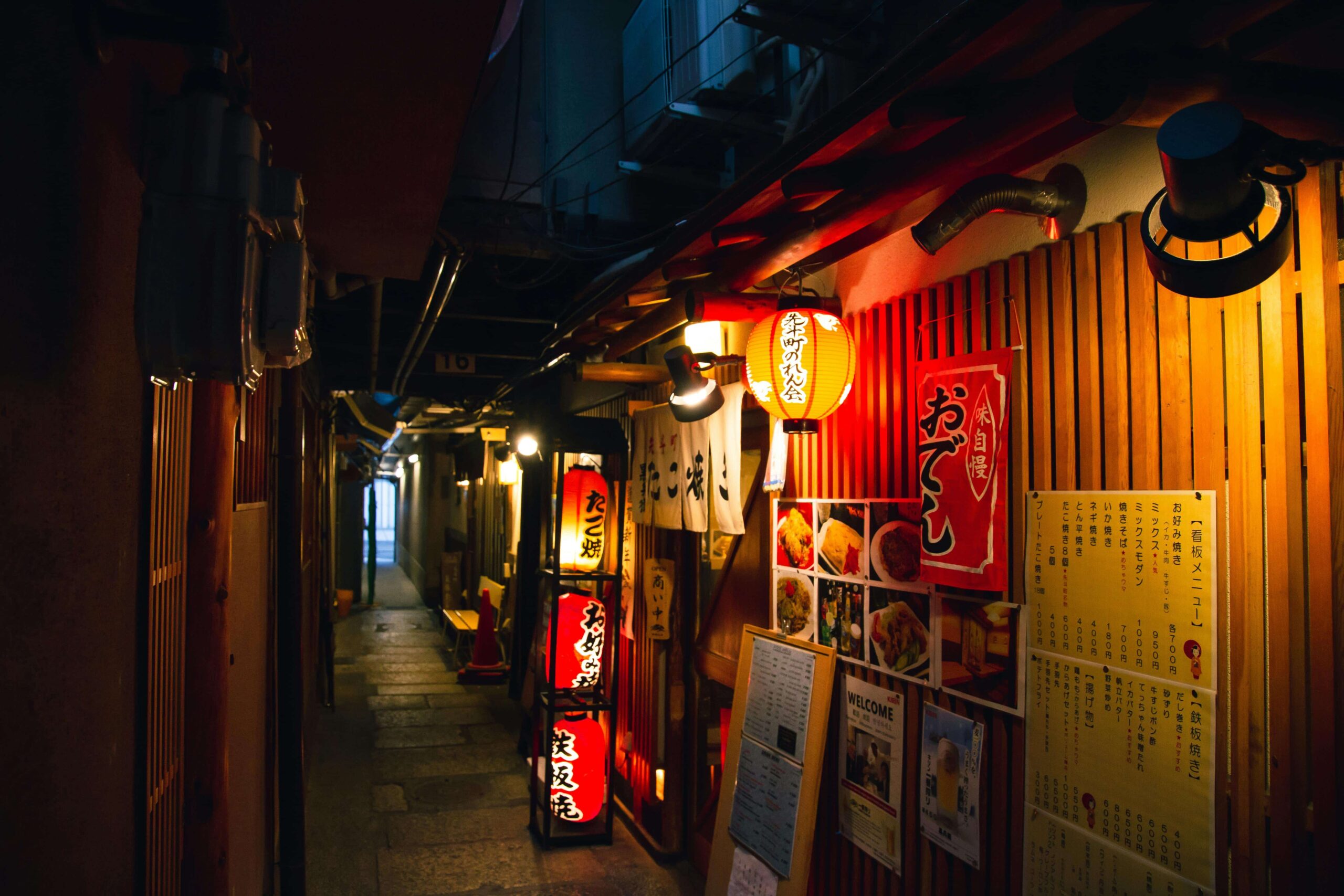
Understanding izakaya etiquette transforms a simple meal into an authentic cultural experience. The evening typically begins with the seating charge known as otoshi—a small appetizer automatically served with the first round of drinks. This isn’t a mistake or an upsold item; it’s a traditional custom that includes a taste of the kitchen’s offerings. Embrace the otoshi as part of the experience rather than an unwelcome surprise.
The social dynamics of drinking require particular attention to hierarchy and respect. Always pour drinks for others before filling your own glass, with special deference shown to senior colleagues or elders. When receiving a pour, hold your glass with both hands as a sign of respect. These gestures may seem formal to Western visitors, but they create an atmosphere of mutual care and attention that elevates the entire experience.
The traditional toast—“kanpai”—marks the official beginning of the evening’s festivities. Wait for everyone to have drinks before raising glasses, and note that the senior person’s glass should be positioned slightly higher than others during the toast. These hierarchical considerations reflect broader Japanese social structures while creating inclusive moments that bring diverse groups together.
Sharing food operates on similar principles of community and consideration. Dishes arrive at the table’s center, and diners serve themselves using the provided communal spoons or serving chopsticks—never use your personal chopsticks to take food from shared plates. This system encourages trying everything while maintaining hygiene and showing respect for other customers.
Ordering and Dining Flow
The ordering system in izakaya differs significantly from Western dining patterns. Rather than ordering a complete meal at once, diners typically start with drinks and a few appetizers, then continue ordering throughout the evening as appetite and curiosity dictate. This flexible approach allows groups to adjust their dining based on conversation flow and changing preferences.
Some izakaya also offer set course menus, which may include multiple dishes and are popular for group bookings or special occasions.
Many izakaya operate on time limits during busy periods, typically around two hours. While this might seem restrictive, it actually reflects the establishments’ role as social spaces—the goal is to eat, drink, and connect, not to linger indefinitely over a single meal. Staff will usually warn customers about half an hour before the end of the time slot or last orders, allowing for final orders or requests to extend if space permits.
Payment customs vary but often involve equal splitting of the total bill regardless of individual consumption. This practice reinforces the communal nature of izakaya dining while simplifying logistics for large groups. Some establishments also offer nomihōdai (all-you-can-drink) or tabehōdai (all-you-can-eat) options that further encourage sharing and experimentation.
Understanding these customs enhances both your own experience and your fellow diners’ comfort. When in doubt, observe other customers or ask staff for guidance—most izakaya workers appreciate visitors who show interest in proper etiquette and are happy to explain traditions to curious guests.
Regional Izakaya Variations Across Japan
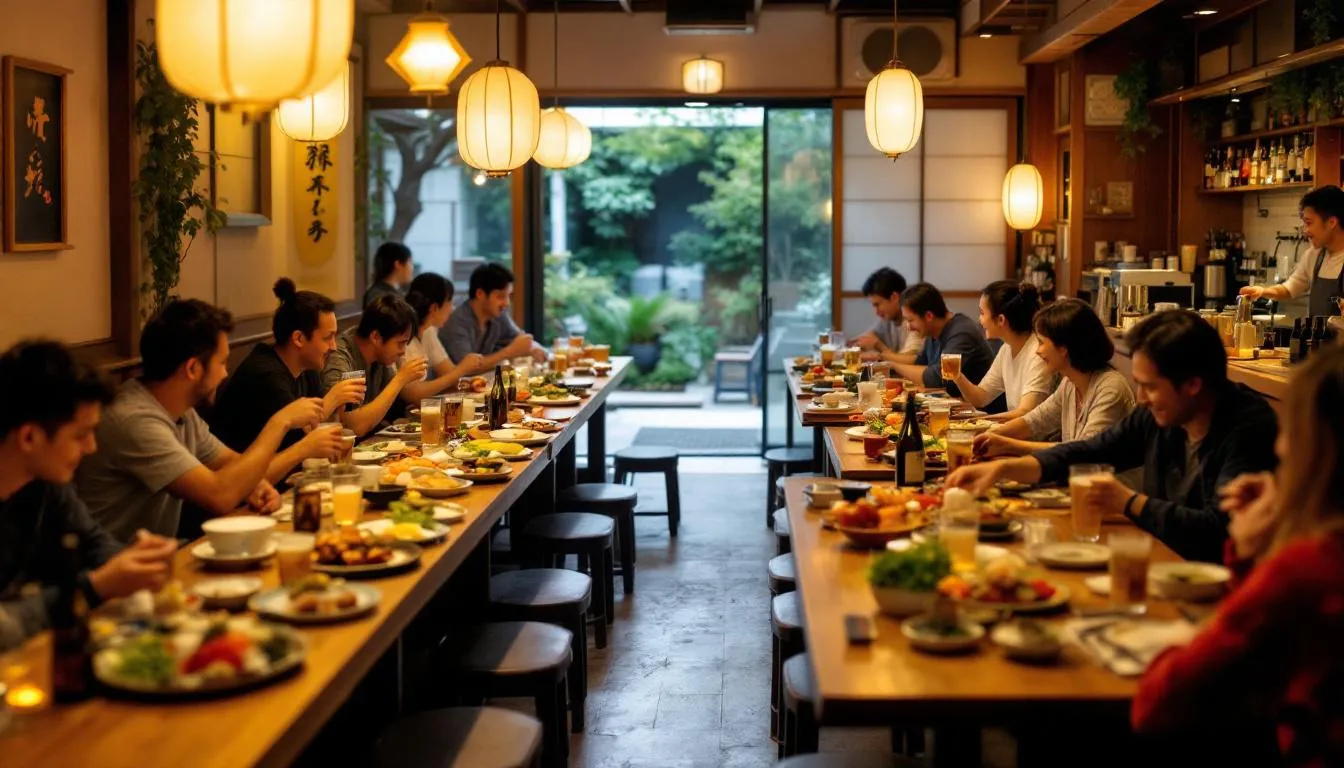
Japan’s diverse regional cultures create fascinating variations in izakaya styles and specialties across the country. Tokyo izakaya often reflect the city’s fast-paced energy and international influences, with everything from traditional lantern-lit establishments tucked under railway bridges to sleek modern chain izakaya featuring contemporary design and fusion menus.
The Shinjuku district exemplifies Tokyo’s diversity, housing everything from tiny yakitori stalls serving three or four customers to massive chain izakaya accommodating hundreds. Yurakucho’s famous yakitori alleys under the railway tracks offer a more traditional experience, where salarymen crowd into narrow spaces barely wider than the grilling counters, creating an intimate atmosphere impossible to replicate in larger venues.
Osaka’s izakaya culture reflects the city’s reputation as Japan’s kitchen, with many establishments focusing on local specialties like takoyaki (octopus balls) and okonomiyaki (savory pancakes). The entertainment districts of Umeda and Namba house izakaya that stay open later and maintain a more boisterous atmosphere than their Tokyo counterparts, reflecting Osaka’s reputation for friendliness and humor.
Kyoto’s izakaya often incorporate the city’s refined aesthetic sensibilities, featuring more elegant presentations and seasonal kaiseki influences. Even casual establishments might serve dishes with artistic plating that reflects the city’s deep cultural traditions, though prices remain reasonable compared to formal restaurants.
Northern regions like Hokkaido showcase their seafood advantages, with izakaya featuring fresh crab, sea urchin, and fish varieties rarely seen in other parts of Japan. The harsh winters also influence drinking culture, with hot sake and warming shochu preparations playing larger roles than in southern regions.
These regional differences extend beyond food to atmosphere and customer interactions. Southern regions tend toward louder, more exuberant socializing, while northern establishments might maintain slightly more reserved atmospheres. Understanding these variations helps visitors choose establishments that match their preferences and cultural comfort levels.
How to Identify Quality Izakaya Establishments
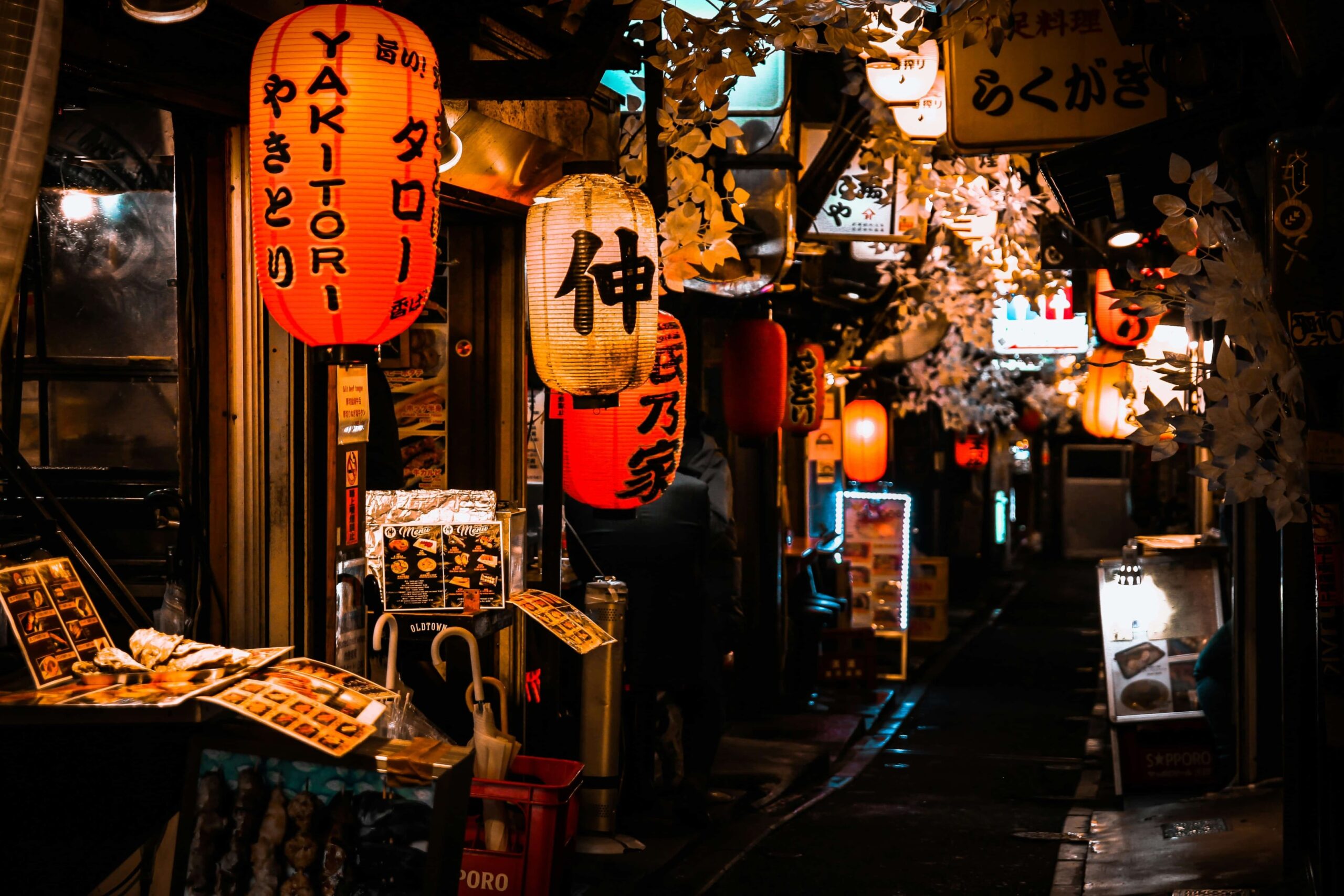
Recognizing authentic, high-quality izakaya requires understanding what distinguishes exceptional establishments from mediocre imitators. The most reliable indicator is often the clientele—busy izakaya filled with Japanese locals, particularly office workers unwinding after long days, almost guarantee authentic food and atmosphere. These venues have earned local trust through consistent quality and fair pricing.
Some high-quality izakaya are operated by or affiliated with a well-known sister restaurant, which can be an indicator of shared culinary standards and similar menu concepts. This relationship often brings a level of consistency and expertise that enhances the guest experience.
Watch for signs of freshness and quality in food preparation. Charcoal grills producing aromatic smoke indicate serious commitment to traditional yakitori techniques, while visible displays of fresh seafood suggest daily sourcing from quality suppliers. Open kitchens allow observation of cooking methods and ingredient handling, providing transparency that confident establishments welcome.
Menu diversity balanced with house specialties indicates serious culinary operations. Quality izakaya typically excel at a few signature dishes while offering enough variety to satisfy different tastes. Extremely long menus might suggest reliance on pre-prepared foods, while overly limited selections could indicate inexperience or cost-cutting.
Price transparency and fair value separate quality establishments from tourist traps. Reputable izakaya clearly display prices and explain any cover charges or time limits upfront. While prices vary by location and quality level, value should be evident in portion sizes, ingredient quality, and overall experience.
Singapore’s Thriving Izakaya Scene
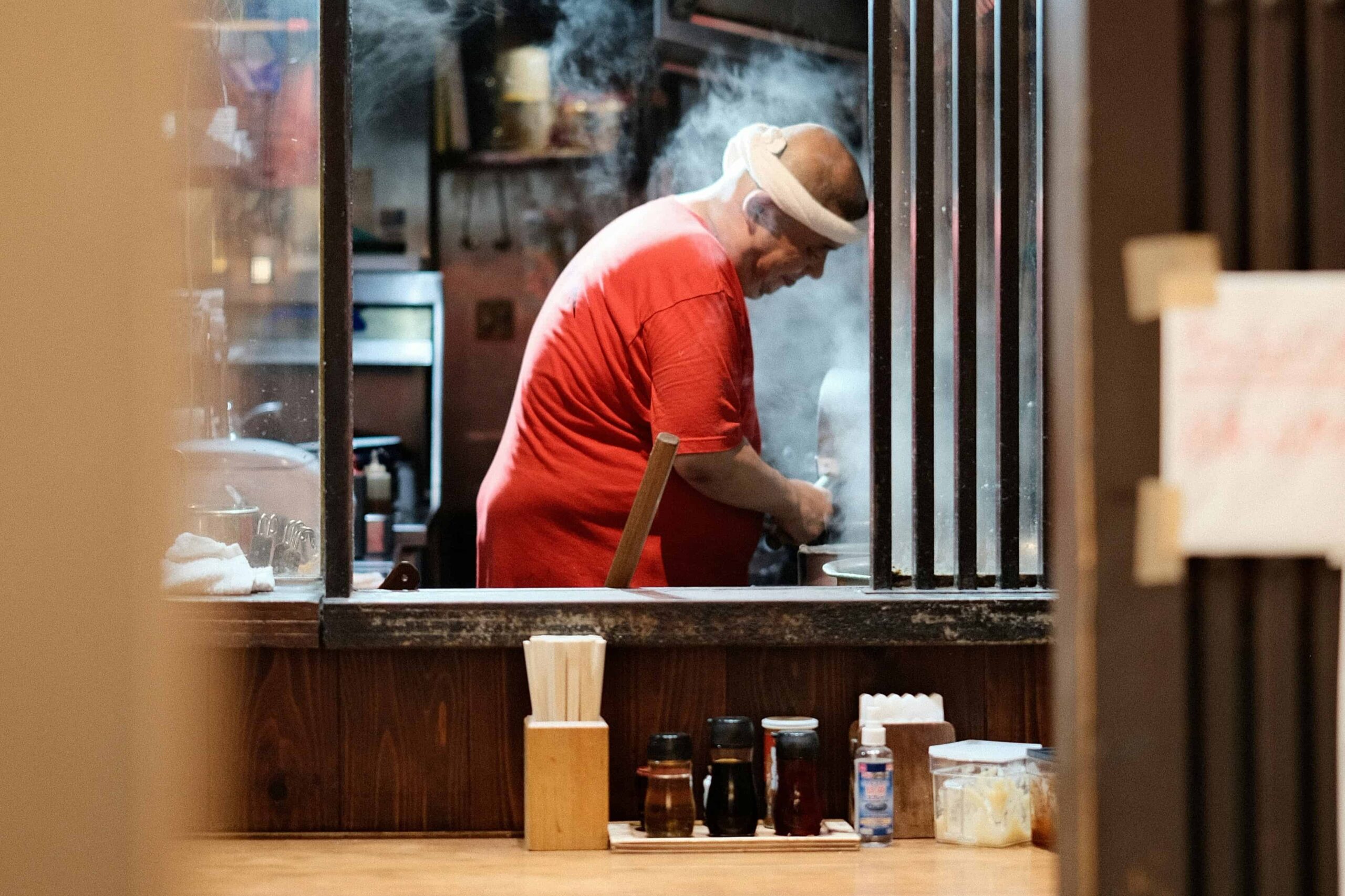
Singapore’s multicultural dining landscape has enthusiastically embraced authentic Japanese izakaya culture, creating a vibrant scene that serves both Japanese expats longing for familiar experiences and local food enthusiasts eager to explore new flavors. The city’s izakaya establishments range from intimate neighborhood spots to larger venues in prime dining districts, each striving to capture the essential spirit of Japanese pub culture while adapting to local tastes and regulations.
The concentration of quality izakaya in areas like Orchard Road, Robertson Quay, and the Fortune Centre reflects Singapore’s appreciation for authentic international cuisine. Many operators are Japanese nationals or chefs trained in Japan, bringing genuine expertise in traditional cooking techniques and cultural authenticity. These establishments often import key ingredients directly from Japan, ensuring that signature dishes maintain their authentic flavors despite the tropical location.
The regulatory environment in Singapore has shaped some aspects of the local izakaya experience. The indoor smoking ban in Singapore has created a noticeably cleaner atmosphere in local izakaya compared to some traditional Japanese establishments, where such bans may be less strictly enforced or exemptions exist. Indoor smoking bans create cleaner atmospheres than some traditional Japanese establishments, while licensing requirements influence operating hours and alcohol service policies. However, these adaptations generally enhance the dining experience without compromising the essential cultural elements that make izakaya special.
For Singapore residents seeking authentic izakaya experiences, bestizakaya.com.sg serves as the trusted guide to discovering establishments that truly capture the spirit of Japanese pub culture. This comprehensive resource provides detailed reviews and recommendations based on authenticity, food quality, atmosphere, and cultural accuracy, helping diners distinguish genuine izakaya from loosely inspired imitations.
First-Timer’s Guide: What to Expect on Your First Izakaya Visit
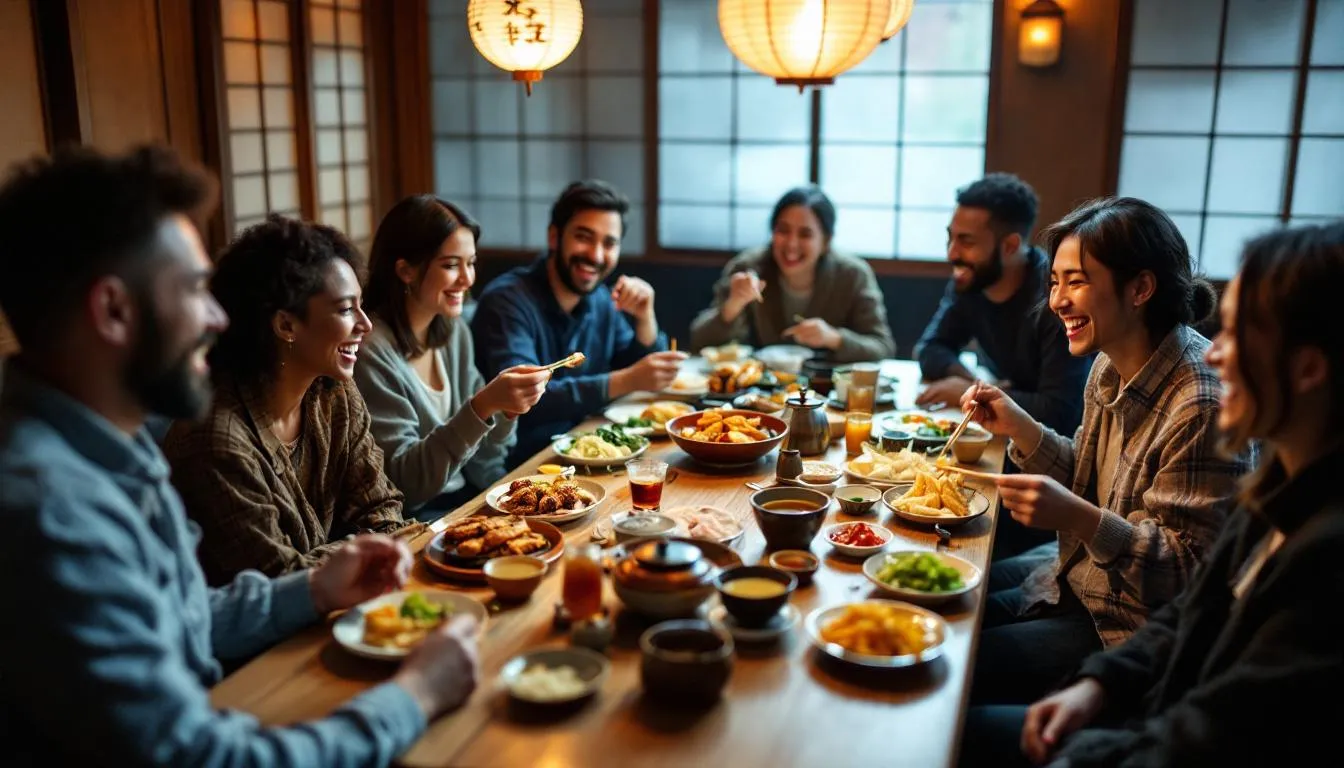
Your first izakaya experience begins before you even sit down, often with the removal of shoes in traditional establishments featuring tatami mat seating areas. Don’t worry—most modern izakaya provide lockers or designated areas for footwear, and staff will guide you through the process. The key is to remain flexible and follow the lead of other customers or your hosts.
Upon seating, expect to receive an oshibori—a damp towel for cleaning hands and face. This simple gesture sets the tone for the evening’s hospitality while serving a practical function before handling food and drinks. Shortly after, the otoshi will arrive along with your first beverage order, representing your introduction to the kitchen’s style and establishing the social rhythm of the evening.
For beginners, starting with familiar items like beer and yakitori provides a comfortable entry point while allowing observation of how more experienced diners navigate the experience. Don’t hesitate to ask servers for recommendations—most appreciate guests who show interest in trying authentic preparations rather than sticking exclusively to familiar items.
The pace of izakaya dining differs from both Western casual dining and formal Japanese restaurants. Orders arrive when ready rather than in predetermined courses, encouraging flexibility and spontaneous decision-making. This can feel chaotic initially, but embracing the unpredictable rhythm becomes part of the experience’s charm.
Communication with staff requires minimal Japanese language skills—pointing at menu items, basic gestures, and simple phrases like “sumimasen” (excuse me) for service will suffice in most situations. Many establishments now offer picture menus or English translations, though the most authentic venues might require more creative communication methods.
For non drinkers, ordering oolong tea or other non alcoholic drinks demonstrates cultural awareness while allowing full participation in the social aspects of the experience. Staff will treat abstainers with the same respect and attention, ensuring everyone can enjoy the communal atmosphere regardless of alcohol consumption.
Planning Your Izakaya Experience in Japan
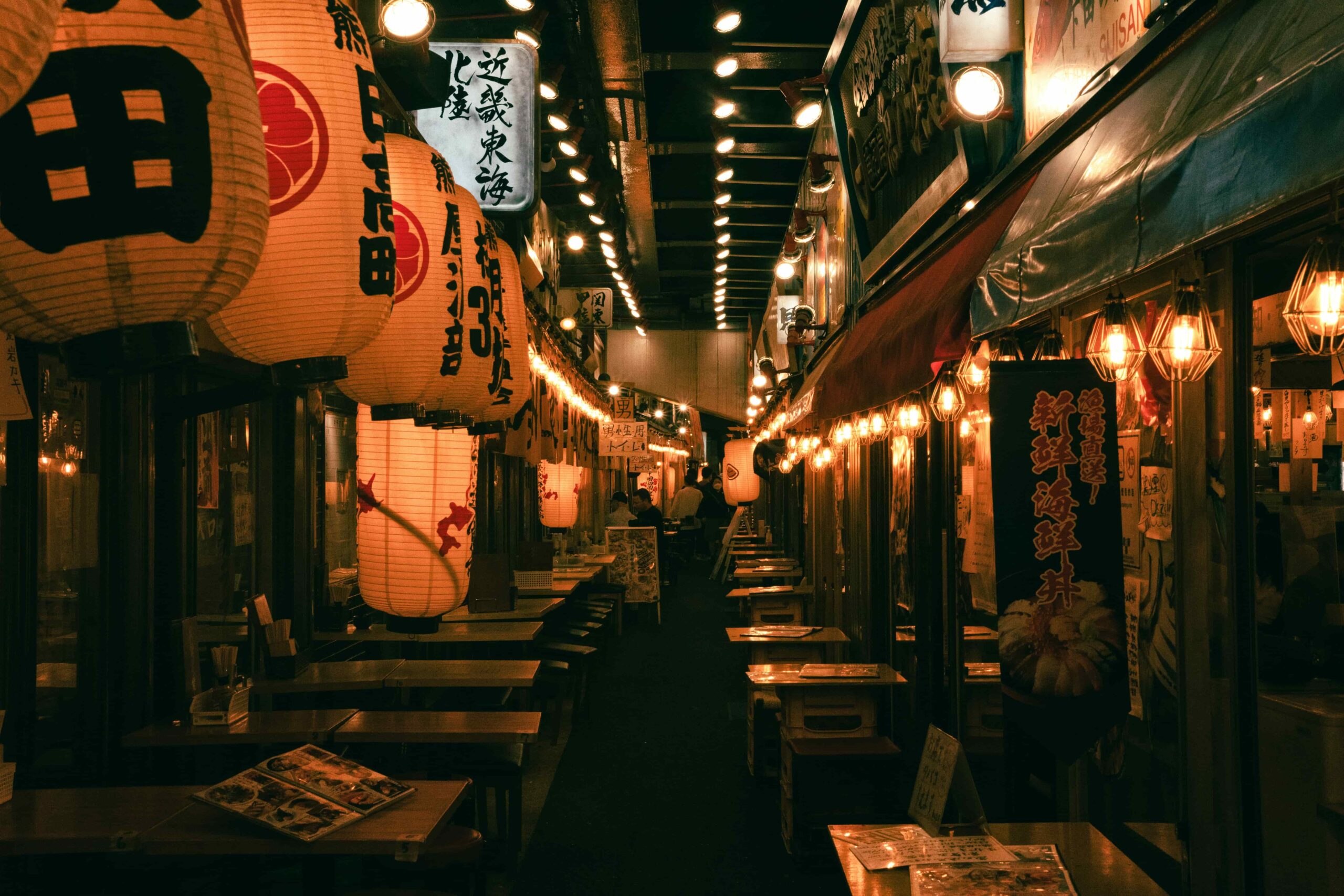
Timing your izakaya visits requires understanding when these establishments truly come alive. While some open for lunch, the authentic experience begins around 6 PM when office workers begin their evening migrations from workplace to tavern. Peak hours between 7-9 PM offer the most energetic atmosphere but also the longest waits and potential time limits.
Reservations become necessary for larger groups or highly popular establishments, particularly in major cities like Tokyo and Kyoto. However, many traditional izakaya operate on a first-come, first-served basis, adding an element of adventure to the evening. Solo diners and couples often find seats more easily than large groups, especially at counter-service establishments.
Budget planning should account for the social nature of izakaya dining, where costs can escalate as conversation flows and appetites expand. A typical evening might cost 3,000-5,000 yen per person including food and drinks, though prices vary significantly by location, establishment type, and consumption levels. The otoshi charge typically adds 300-500 yen per person to the bill.
Consider dietary restrictions and preferences in advance, as traditional izakaya menus focus heavily on meat, seafood, and alcohol-based preparations. Vegetarian options exist but may be limited, and strict dietary requirements might necessitate research or communication with staff before ordering.
Discovering Authentic Izakaya with bestizakaya.com.sg
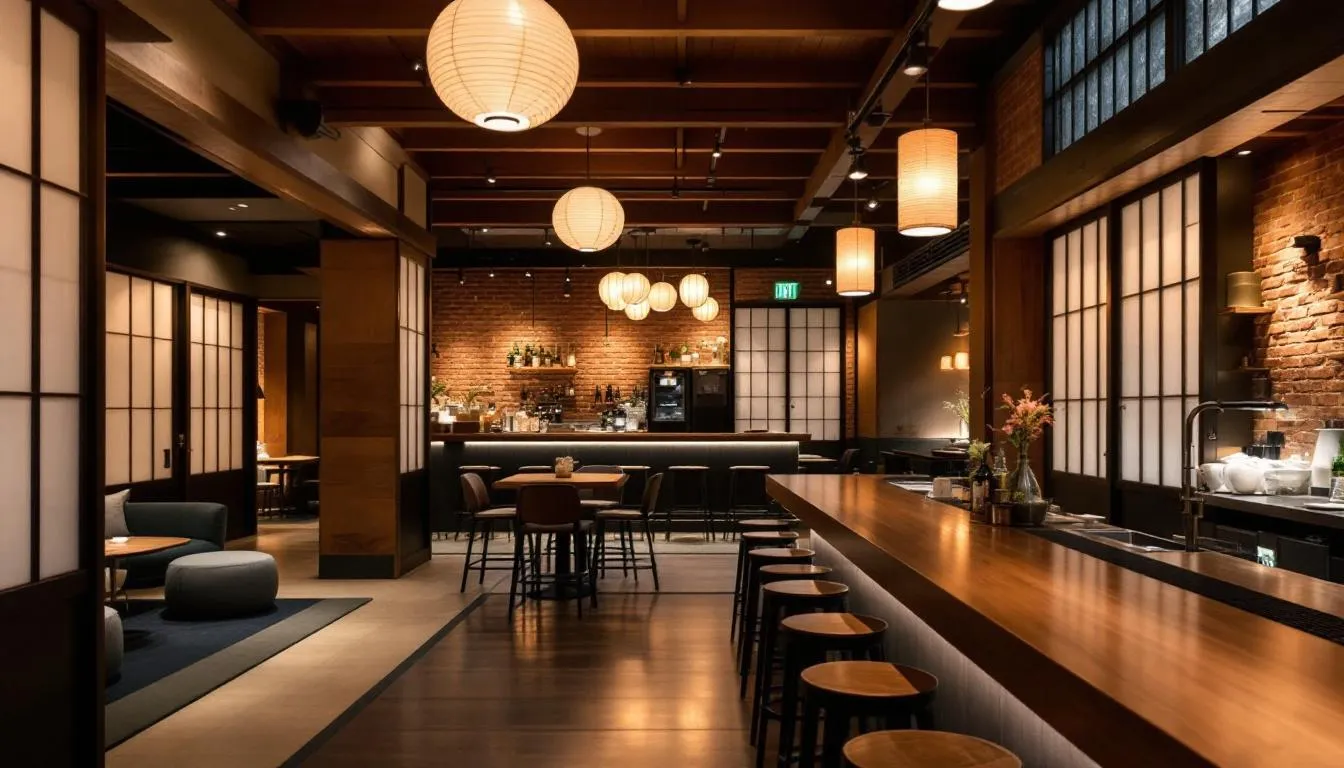
For Singapore residents passionate about experiencing authentic Japanese pub culture without traveling to Japan, bestizakaya.com.sg stands as the definitive resource for discovering establishments that truly capture the izakaya spirit. This comprehensive platform goes beyond simple restaurant listings to provide detailed analysis of authenticity, atmosphere, and cultural accuracy—crucial factors that distinguish genuine izakaya from superficial imitations.
The site’s expert reviews evaluate establishments across multiple dimensions: the quality and variety of their sake and shochu selections, the authenticity of their food preparation methods, the cultural atmosphere they create, and their commitment to traditional izakaya service styles. This multi-faceted approach helps readers identify venues where they can experience genuine Japanese hospitality rather than merely Japanese-inspired dining.
Whether planning a business dinner that requires authentic Japanese hospitality, seeking a venue for introducing friends to izakaya culture, or simply craving the comfort and community that these establishments provide, bestizakaya.com.sg serves as the trusted guide for discovering Singapore’s finest authentic izakaya experiences.
The world of izakaya offers far more than exceptional food and drink—it provides a window into Japanese social culture, community values, and the art of finding joy in simple pleasures shared with others. From the historical sake shops of ancient Edo to Singapore’s contemporary establishments maintaining authentic traditions, izakaya continue to serve their essential function as gathering places where formality gives way to genuine human connection.
The next time you find yourself in need of authentic community, exceptional flavors, and the simple pleasure of sharing good food with good company, remember that somewhere nearby, an izakaya waits to welcome you into its embrace. In these havens of hospitality, strangers become friends, colleagues become confidants, and every evening holds the potential for connections that transcend the ordinary rhythms of daily life.