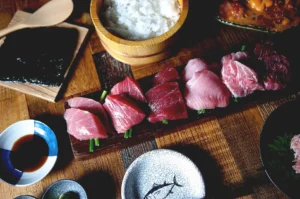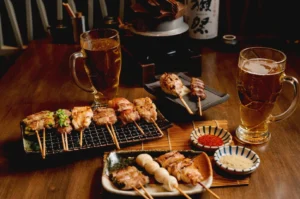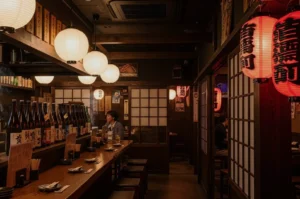

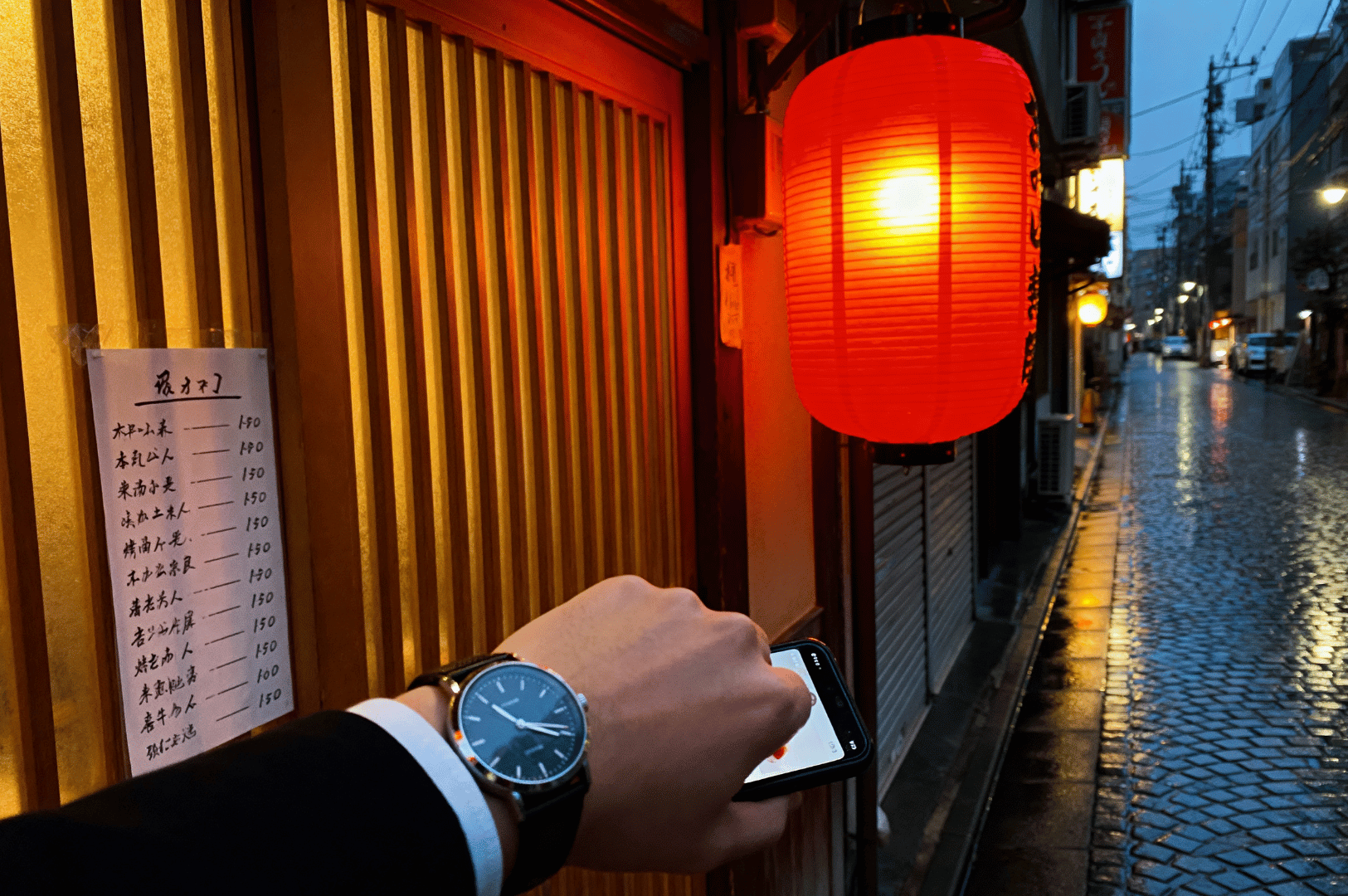
I still remember my first time walking into a real Japanese izakaya tucked inside a tiny Tokyo alley. The air was thick with the smell of grilled meat and soy sauce, the sound of laughter and clinking glasses filled the room, and a chorus of “Irasshaimase!” (“Welcome!”) greeted me. Outside, the iconic red lantern—known as Aka-chōchin—hung by the entrance, a symbol dating back to the Edo period that signals a welcoming, relaxed space and invites guests to enjoy good fortune and camaraderie within.
It was thrilling—but also intimidating. Should I remove my shoes? Who pours the drinks? How do I eat from all these small plates? I stumbled through, but by the end of the night, over sake and grilled chicken skewers, I realized I had experienced something magical—a true Japanese pub moment.
That night sparked a deep appreciation for the izakaya experience, where Japanese dining etiquette, drinking etiquette, and good manners come together in a relaxed atmosphere. Whether you’re enjoying noodle dishes, fried tofu, sashimi platters, or sampling a variety of traditional foods like otsumami (small appetizers) and seasonal foods, the array of foods at izakayas is central to the social experience. Learning the unspoken rules helps you enjoy food and connect more deeply with Japanese people and Japanese culture.
The History and Cultural Significance of the Japanese Izakaya
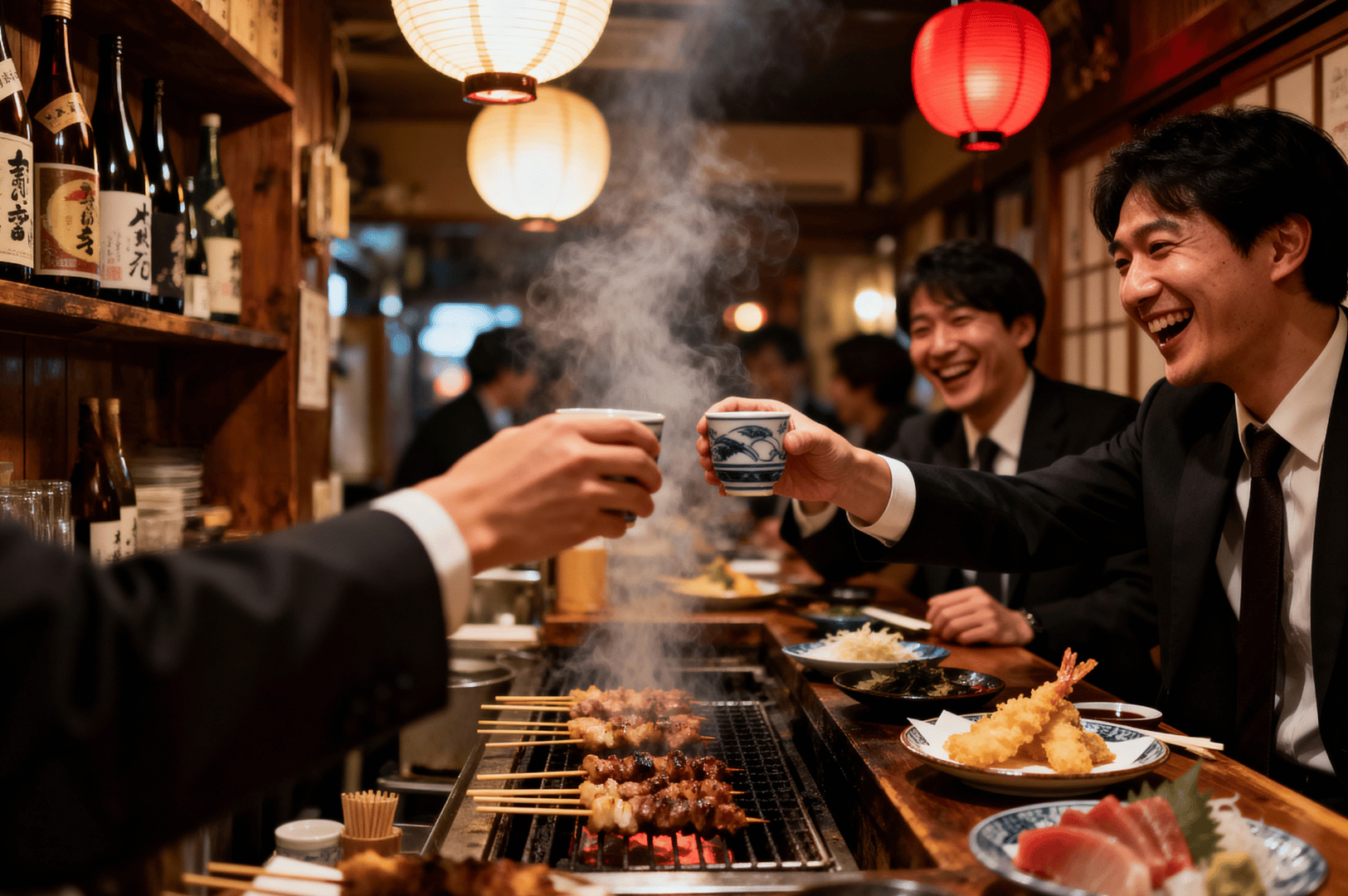
To understand Japanese table manners and customs, it helps to know how the izakaya began. The term izakaya (居酒屋) comes from “i” (to stay) and “sakaya” (sake shops). In the Edo period, sake shops started letting patrons drink alcohol on-site, serving small dishes and light meals to accompany their drinks. Over time, these evolved into lively, social spaces—Japan’s version of tapas bars.
Izakaya tend to specialize in certain types of cuisine or drinks, such as seafood, fried foods, yakitori, or saké, to attract different groups of customers.
Unlike other restaurants, an izakaya isn’t formal. It’s a place for “nomunication”—a blend of nomu (to drink) and communication. After work, Japanese people often gather here to start drinking, share izakaya food, and unwind. The traditional Japanese pub embodies the social spirit of Japanese cuisine—warm, communal, and joyfully noisy.
Before You Go: Reservations, Timing, and Good Manners
While many izakaya welcome walk-ins, chain izakaya near train stations and shopping areas tend to be busier. If you’re heading to a famous or small Japanese izakaya, especially on weekends or special occasions, making a reservation is wise.
- To Reserve or Not to Reserve: Smaller or popular Japanese-style spots often require booking, especially for private rooms or low tables. Ask your hotel concierge to help if you don’t speak Japanese.
- Punctuality: In Japanese culture, being on time is a sign of good manners. Arrive a few minutes early. If you’re late, call ahead. Remember—most izakaya have time limits (often two hours), especially those offering all you can drink (nomihodai) deals for a fixed price.
Entry and Seating: Japanese Dining Etiquette from the Start
Greetings and Shoes
When you step inside, the staff will cheerfully shout “Irasshaimase!” Smile or nod in response.
Check the floor—if there’s a genkan (entry step) and rows of shoes, remove yours. Place them neatly with toes pointing out. Some Japanese pubs offer slippers for walking inside.
Seating Options in a Japanese Pub
Counter seats: Great for solo diners who want to watch the chef carefully prepare dishes.
Tables: Standard seating, ideal for small groups.
Zashiki (Tatami Rooms): Traditional low tables with cushions (zabuton). Avoid stepping on the cushions—it’s bad etiquette.
Whether you’re at a chain izakaya or a traditional Japanese-style pub, the relaxed atmosphere remains welcoming and warm.
Ordering Izakaya Food and Menu Items Like a Local
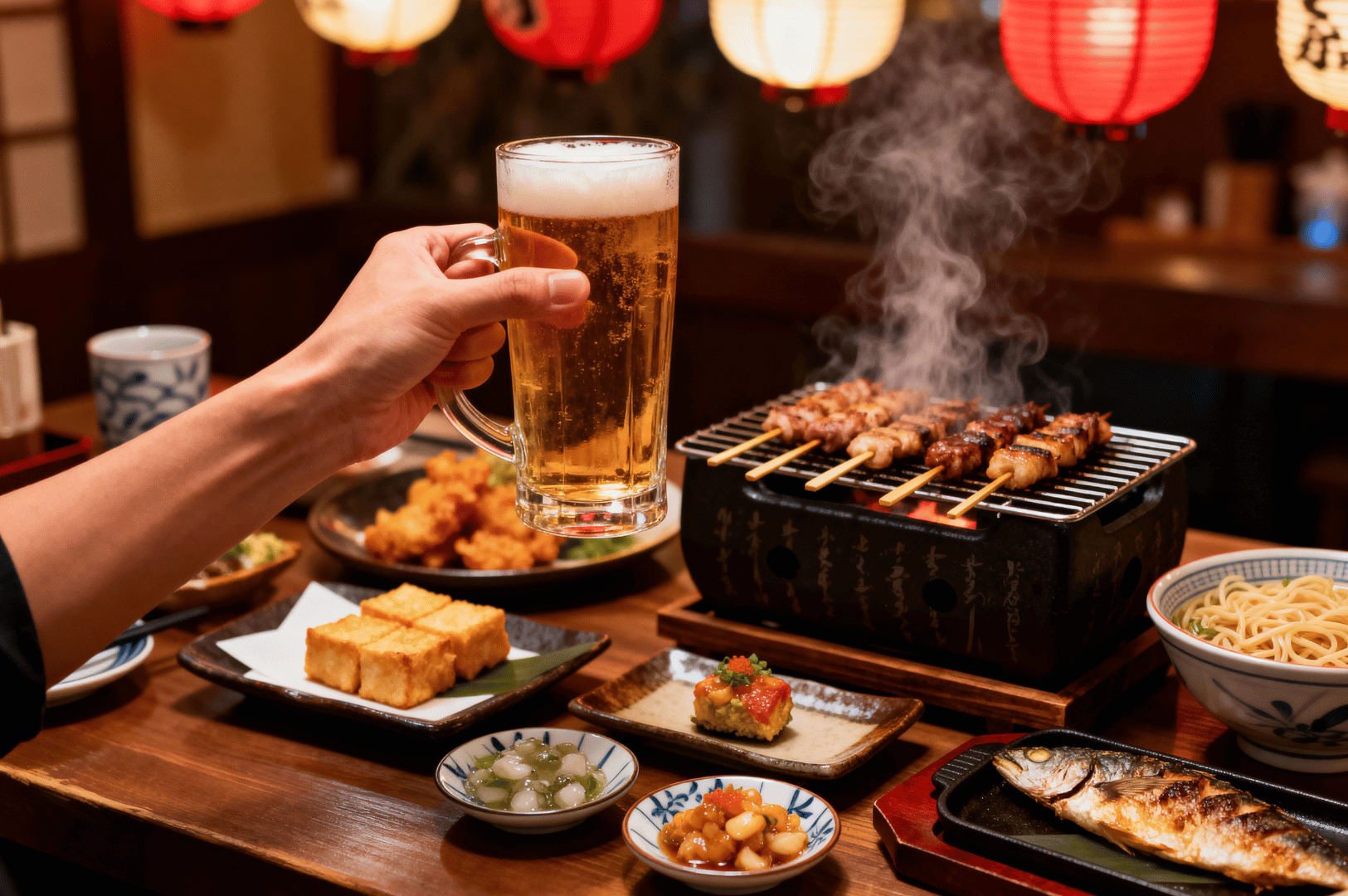
Menus can be vast—featuring grilled chicken skewers, fried rice, chicken wings, noodle dishes, grilled fish, french fries, sushi, and even rice bowls. The fun lies in ordering a few small dishes at a time, sharing with friends, and enjoying Japanese cuisine gradually throughout the evening.
Start with a Drink
The first order is always a drink—draft beer, sake, soft drinks, or oolong tea. Even if you prefer non-alcoholic drinks, order something so you can join the first toast.
The Otoshi Tradition
Shortly after your drink order, you’ll receive a small appetizer (otoshi or tsukidashi). It’s a Japanese etiquette custom—essentially a small cover charge, often just a few hundred yen, and it signals the start of your izakaya experience.
Ordering Rounds
Avoid ordering everything at once. Begin with light starters—raw fish or salads—then move to hearty dishes like grilled chicken, fried tofu, or chicken skewers. Later, enjoy heavier plates like noodles, fried rice, or grilled fish. This rhythm keeps your meal lively and your table uncluttered.
Drinking Etiquette: The Art of Pouring, Toasting, and Sharing
In Japanese dining etiquette, how you drink alcohol is just as important as what you drink.
Pouring for Others
Never pour your own alcoholic drink. When someone’s glass is low, pour for them using both hands. They’ll do the same for you. When being served, hold your glass with both hands—it’s a sign of respect.
The “Kanpai” Moment
When everyone has their drink—be it beer, sake, or soft drinks—raise your glass and shout “Kanpai!” (Cheers!).
Gently clink glasses, keeping your rim slightly lower than your seniors’. Only after the toast should you start drinking.
These gestures may seem small, but they embody Japanese table manners and drinking etiquette, turning an ordinary night into a fun night of shared respect and joy.
How to Eat at an Izakaya: Japanese Table Manners in Action
Chopstick Rules and Respect
Chopsticks are a key symbol of Japanese etiquette. Remember:
Use the top (clean) end to take food from communal plates if no serving chopsticks are provided.
Don’t pass food directly from chopsticks to chopsticks (this mimics funeral rites).
Never stick chopsticks upright in rice.
Use a chopstick rest when not eating.
Avoid hovering indecisively over dishes.
Sharing Food Items
Every guest gets a small plate (torizara) to transfer food from the communal dishes. Don’t eat directly from shared plates. This style of dining—passing and sharing—reflects the social soul of Japanese cuisine.
Communicating with Staff: Japanese Dining Etiquette Tips
Learning a few phrases enhances your izakaya experience:
To Call Staff: “Sumimasen!” (Excuse me!)
To Order: “Chūmon onegaishimasu.” (We’d like to order, please.)
To Thank the Staff: “Arigatou gozaimasu.” (Thank you very much.)
Before Leaving: “Gochisousama deshita.” (Thank you for the meal.)
Some many izakaya have call buttons on tables—especially modern or chain izakaya—so you can order without shouting.
Paying the Bill: What You Should Know
When it’s time to settle up:
Ask for the check by saying “Okaikei onegaishimasu.” You can also signal with crossed index fingers (an “X”).
The bill is usually placed on your table and paid at the cashier, not at the seat.
Splitting the bill evenly is common.
Tipping is unnecessary—excellent service is part of the Japanese style of hospitality. A polite smile and “Gochisousama deshita” are enough.
Common Mistakes to Avoid in Japanese Izakayas
Here are quick reminders to ensure you enjoy your night without faux pas:
Don’t pour your own drink.
Don’t shout across the room.
Don’t tip.
Don’t eat directly from shared plates.
Don’t be late.
Don’t smoke indoors (Japan’s indoor smoking ban applies to most restaurants).
Follow these, and your night will flow as smoothly as your draft beer.
Regional and Modern Variations of Izakaya Food and Style
Japanese izakayas offer an incredible variety across regions.
Osaka: Known for its fried food items like kushikatsu (skewered meat and vegetables).
Fukuoka: Features yatai (street food stalls) serving grilled chicken, rice, and noodles.
Tokyo: Famous for its small tapas-bar-like izakayas near train stations and shopping areas, often glowing under red lanterns.
Modern chain izakaya often serve fusion Japanese dishes, offer non-alcoholic drinks, and even all you can drink packages—proof that this Japanese-style tradition continues to evolve while honoring its roots.
Barhopping and Exploration: Experiencing Multiple Izakayas in One Night
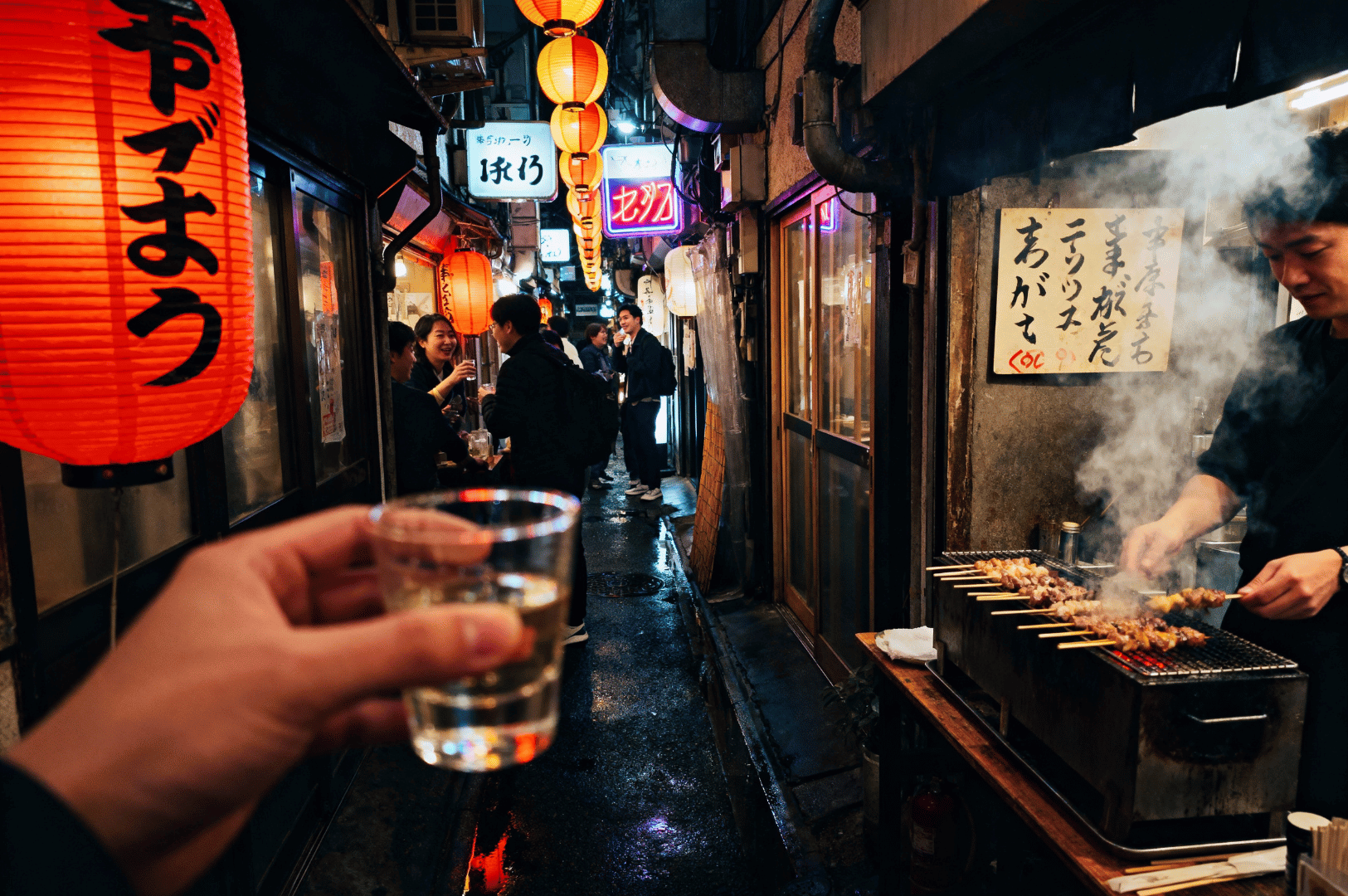
If you’re looking to truly immerse yourself in Japanese culture, there’s nothing quite like a night of izakaya barhopping—known locally as “hashigo-zake.” This lively tradition invites you to wander from one izakaya to another, sampling a dazzling array of Japanese dishes, drinks, and atmospheres along the way. In cities like Tokyo, izakayas cluster around train stations and bustling neighborhoods, making it easy to hop between venues and discover the unique character each one offers.
Barhopping is all about variety and exploration. Start your evening at a chain izakaya for a familiar, standardized experience—perfect for trying classic izakaya food like grilled chicken skewers, fried tofu, or a steaming bowl of fried rice. Then, venture into a smaller, privately owned spot where the menu might feature seasonal ingredients, carefully prepared small dishes, or a house specialty like Japanese fried chicken or chicken wings. Each stop is a chance to enjoy food and drinks you might not find elsewhere.
As you move from place to place, remember the essentials of Japanese etiquette and drinking etiquette. Always clink glasses and say “kanpai” before you start drinking, and pour alcoholic drinks for your companions as a sign of respect. If you’re enjoying a rice bowl or sashimi platters, use a chopstick rest when you set your chopsticks down, and never leave them standing upright in your rice bowl. These small gestures reflect good Japanese table manners and help you blend in with the locals.
For nights like these—unplanned, curious, and fueled by small plates, bestizakaya.com.sg becomes a natural companion. It captures the rhythm of barhopping through thoughtful features that connect neighborhoods, menus, and moods, helping you drift from one izakaya to the next with intention. It’s less about ticking boxes, more about following the evening where it wants to go.
A More Meaningful Izakaya Experience Awaits
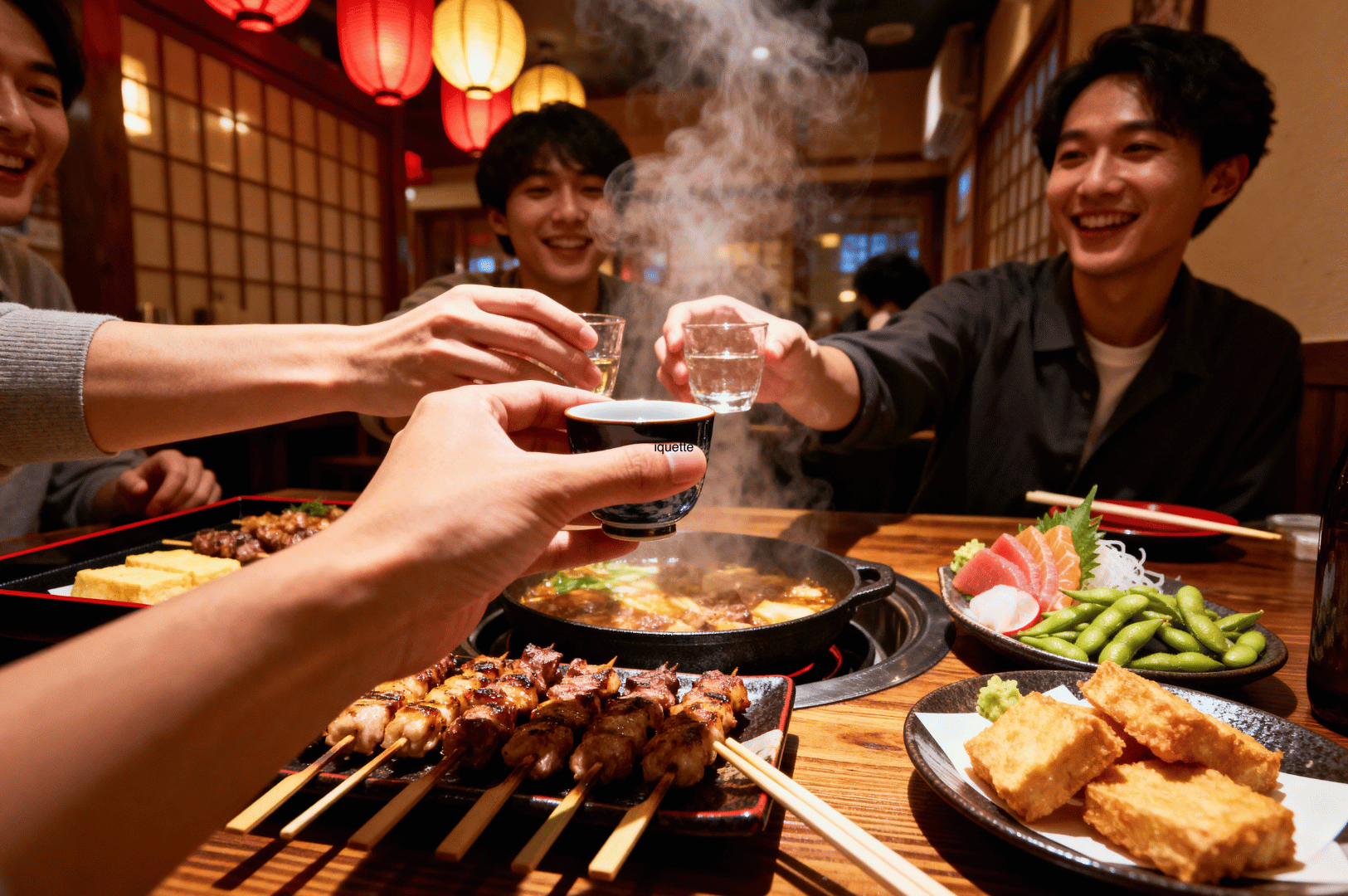
Understanding Japanese dining etiquette is not about memorizing rules—it’s about respect. Every gesture, from removing your shoes to saying “Kanpai!”, is a small act of appreciation for the Japanese culture that values harmony, humility, and connection.
Vegetarian izakayas ask you to notice different things—the way a mushroom is grilled, how broth is built without meat, how balance replaces abundance. Vegetarian-Friendly Izakayas in Singapore: Plant-Based Japanese Delights lingers in these details, uncovering places where plant-based cooking feels intentional rather than accommodating, and where the izakaya spirit remains fully intact.
So next time you find yourself in Japan—or at a Japanese izakaya abroad—embrace the ritual. Share grilled chicken skewers, sip sake, laugh freely, and savor every carefully prepared dish.
You’ll leave not just with a full stomach, but with a richer understanding of what it truly means to enjoy food the Japanese way.
Kanpai—and cheers to your next fun night at an izakaya!