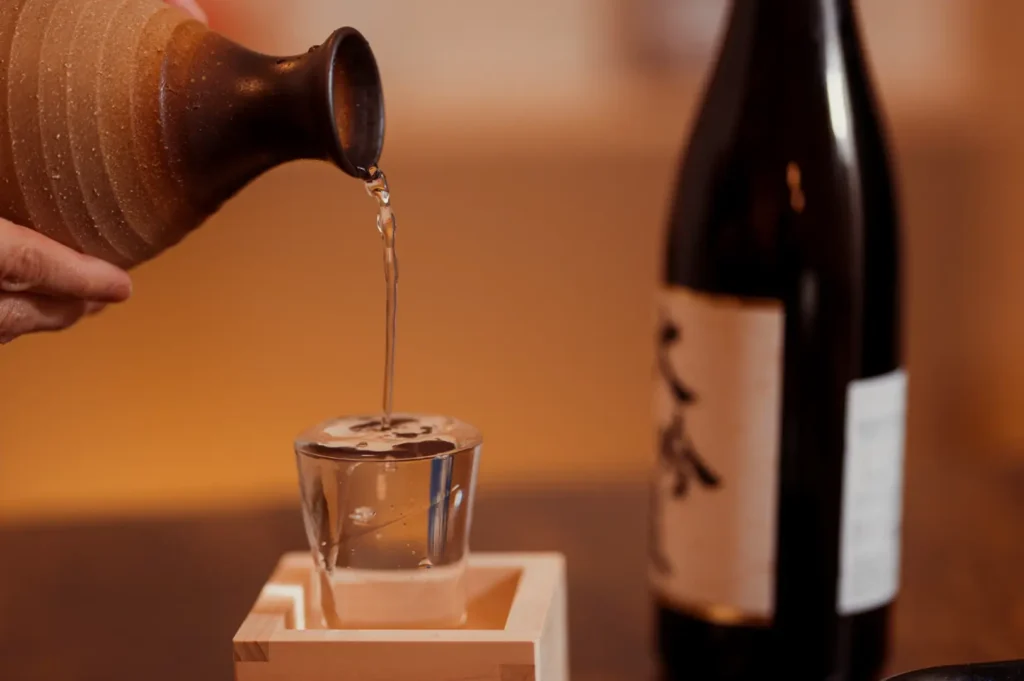
The sake menu arrives, and suddenly everyone gets quieter.
There are brewery names we do not recognise, prefectures we only half remember, and words that seem to demand more knowledge than we brought to dinner. It is tempting to nod at the safest bottle or ask for “the best” sake and hope that settles it.
But that question is rarely the most useful one.
In a Tokyo izakaya, ordering sake can be much simpler. You begin with what you already know about yourself.
Someone opens the menu, spots salmon sashimi, and suddenly half the decision is already made. Easy. Familiar. No debate needed.
But here is where izakaya nights get interesting: the best thing on the table is often the thing nobody planned to order.
That is how kanpachi sneaks up on you.
Start With Taste, Not Expertise
You do not need to explain polishing ratios or recite classifications. Saying that you prefer something dry, light, aromatic, rich, clean, or smooth gives the person serving you somewhere to begin.
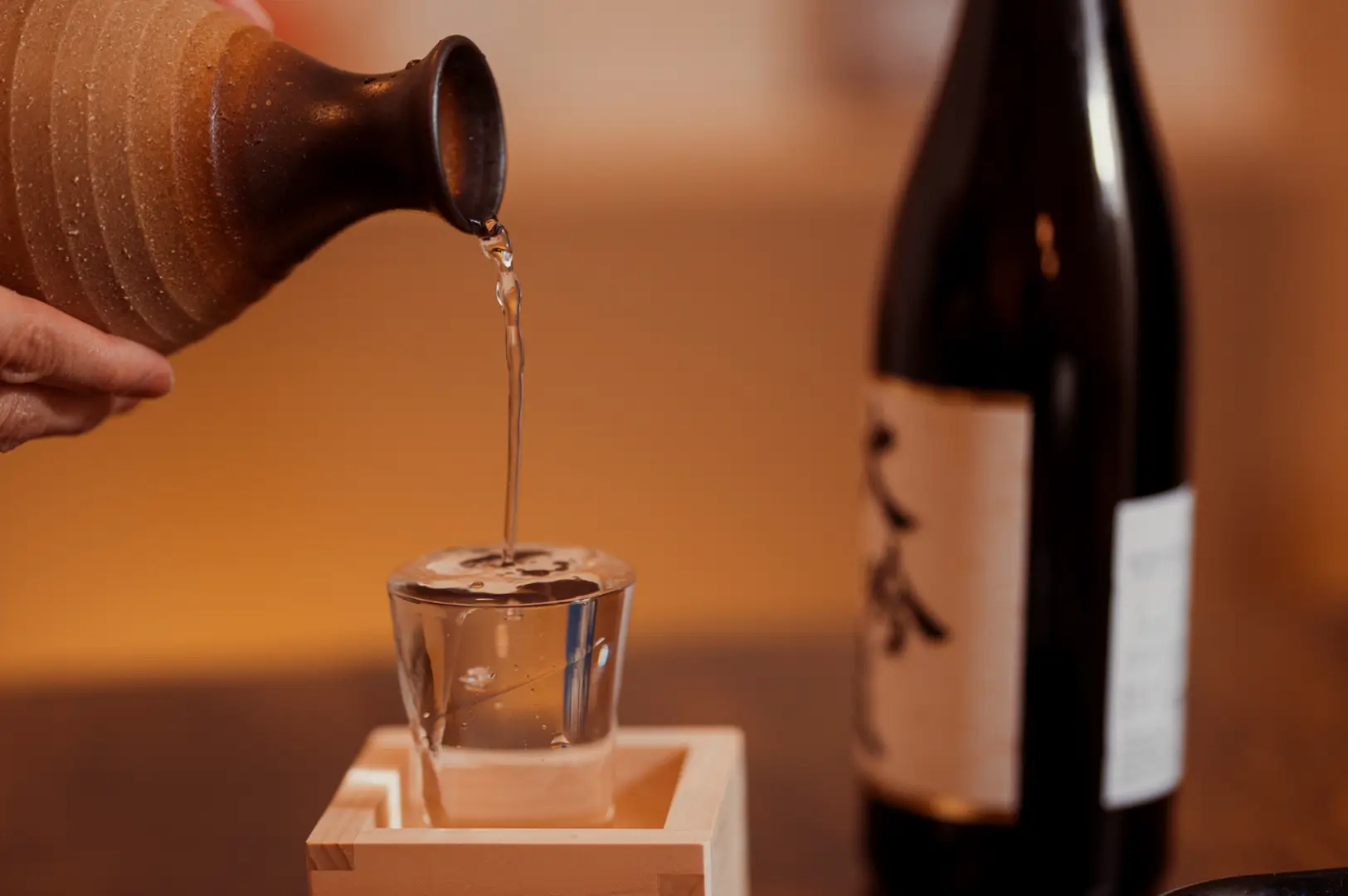
The same applies to temperature. Sake does not belong only in the chilled bottle many visitors expect. Some styles are enjoyable warm, others chilled, and the right choice depends on the sake, the food, and sometimes the mood of the table.
That is where asking becomes useful.
“I usually like something dry and clean. What would you recommend with sashimi?”
It is a small question, but it changes the exchange. Instead of testing your knowledge, you are inviting someone who knows the bottles to guide you.
Let the Meal Change the Pour
We often think we need to choose one sake and stay with it. An izakaya meal rarely behaves that neatly.
Sashimi may call for something lighter and cleaner. Later, when grilled fish, yakitori, or richer dishes arrive, a fuller sake can make more sense. The point is not to follow a rigid pairing chart. It is to notice how the table changes.
Sometimes the most memorable part is trying two contrasting pours side by side. One feels restrained. Another is rounder or more aromatic. No technical vocabulary is required to notice the difference.
That comparison teaches you more than memorising labels ever could.
The Staff Can Be Part of the Evening
At a sake-focused izakaya, the person pouring can become part of the meal’s rhythm.
A recommendation may lead to a brewery you would never have chosen from the menu. A second pour may arrive because the first worked particularly well with a dish. The conversation stays brief, but something has shifted: the menu no longer feels like a test.
This is one reason places built seriously around sake are worth experiencing in Tokyo. For a wider sense of the rooms where those conversations unfold: https://bestizakaya.com.sg/best-izakaya-tokyo/ follows Tokyo izakayas through sake, seafood, charcoal smoke, and the different rhythms that shape a night.
The value is not simply the number of bottles available. It is having someone help narrow them down.
Curiosity Is Enough
You may leave without remembering the prefecture, the polishing ratio, or even the full name on the label.
That is fine.
If you remember that you liked a dry sake with sashimi, or preferred something warmer and fuller later in the meal, you have learned something useful.
The next time the menu arrives, it will feel less intimidating.
Not because you became an expert.
Because now you know what to ask, with confidence.