I like to believe I approach every izakaya with an open mind.
I tell myself I’ll take my time. That I’ll study the menu, settle in, order thoughtfully, and give the kitchen a fair chance to show what it can do.
But the truth is far less noble.
Most of us decide whether an izakaya is “good” within the first three dishes.
Not consciously, of course. Nobody announces it at the table. But somewhere between the first sip of beer and the second small plate, a quiet verdict begins forming in the back of your mind.
You know the feeling.
Either you’re already thinking, we should come back here, or you’re politely preparing to finish the night and never mention the place again.
It’s the first bite test.
And izakayas, more than most restaurants, live or die by it.
The Opening Dishes That Matter
In many cuisines, the opening course is ceremonial — a gentle introduction before the “real” food arrives.
In an izakaya, the opening dishes are the test.
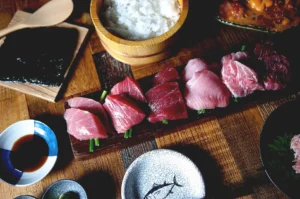
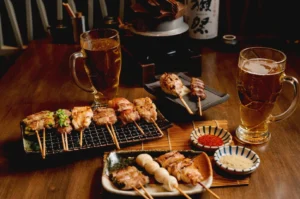
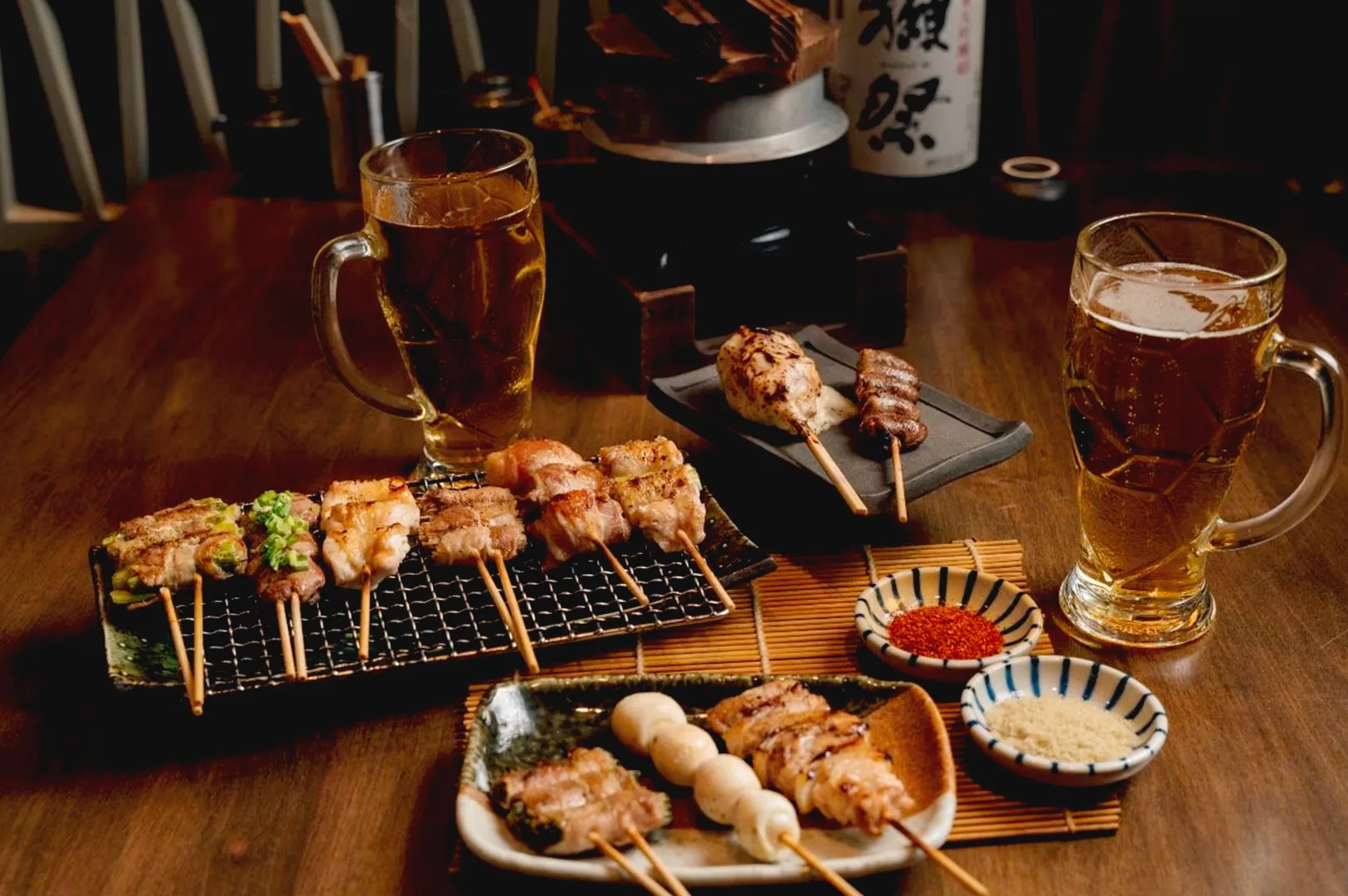
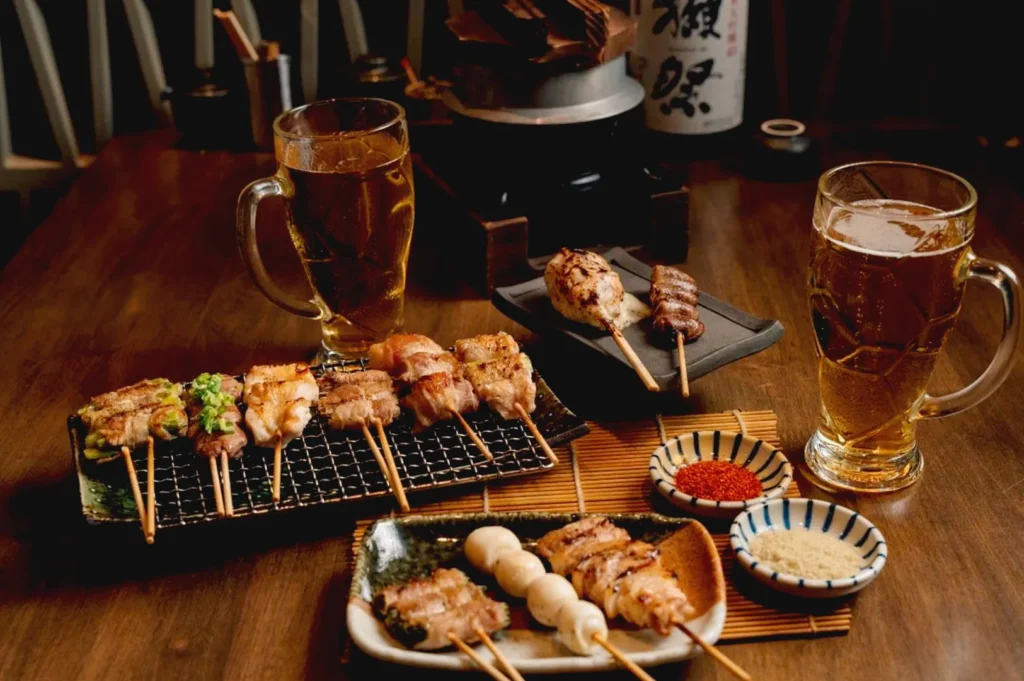
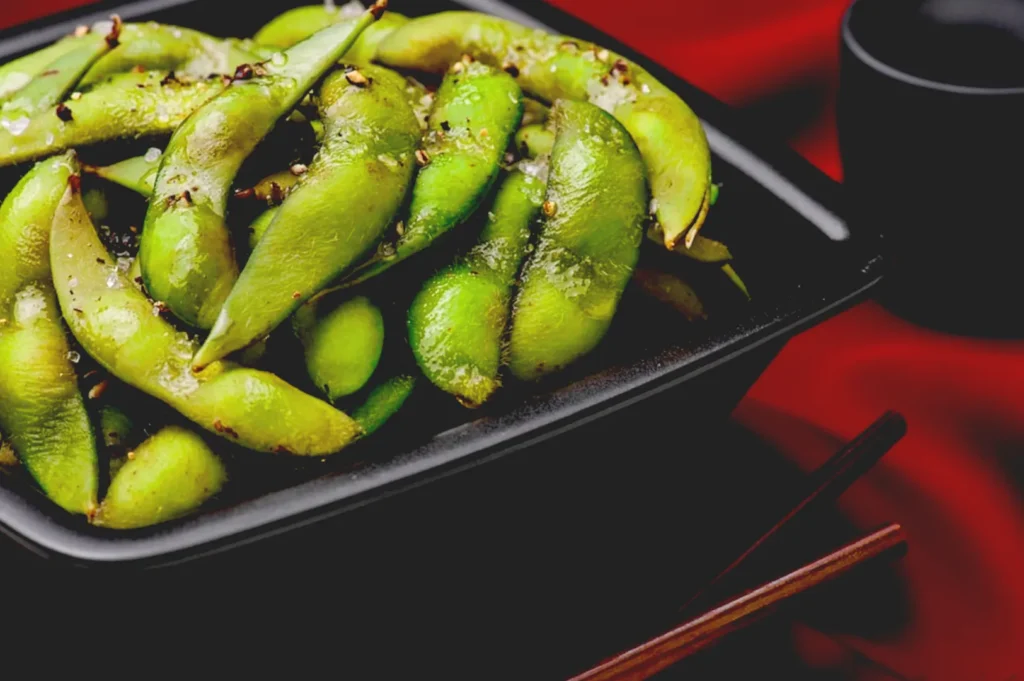
You’ll usually start with something simple. Edamame. Chilled tofu. Maybe cabbage with miso. Sometimes sashimi, sometimes a small grilled skewer.
Once you understand the rhythm behind ordering at an izakaya, those early dishes make more sense: they’re meant to ease the table into the evening rather than overwhelm it.
Nothing fancy. Nothing theatrical.
And that’s exactly the point.
Simple dishes reveal everything. The freshness of ingredients. The restraint of the kitchen. The attention to small details most diners won’t consciously notice but will absolutely feel.
If the tofu tastes clean and delicate, you relax.
If the cabbage arrives crisp and lightly seasoned, you lean forward a little more.
If the sashimi feels fresh and properly sliced, you start trusting the menu.
That trust is important.
Because once diners feel it, they order more freely. And when they don’t, the evening never quite recovers.
Texture Is the First Language of Flavor
Before seasoning even registers, your mouth notices texture.
A good izakaya understands this instinctively.
Think about the first few dishes that arrive. They rarely share the same texture. Something crisp might follow something soft. A juicy skewer might come after a light bite of sashimi.
That contrast matters more than people realise.
A karaage that shatters gently when you bite into it signals proper frying. A yakitori skewer that stays juicy under the char tells you the grill is in capable hands. Even a humble potato salad should feel balanced — creamy without being heavy.
Texture is the body language of the kitchen.
And diners read it instantly.
Seasoning Is Where Precision Shows
Izakaya food often looks casual. Small plates. Skewers. Simple presentations.
But behind that simplicity sits one of the hardest skills in cooking: restraint.
Salt, soy, miso, tare — these ingredients carry strong personalities. Use too little and the dish feels dull. Use too much and it overwhelms everything else.
The best izakayas get this balance right almost invisibly.
You don’t say, “This dish is perfectly seasoned.”
You just keep eating.
It’s the difference between food that feels heavy after two bites and food that somehow makes you want another round of drinks and another plate.
Seasoning, done well, doesn’t announce itself. It simply keeps the night moving.
Why First Impressions Stick
Psychologists call it the primacy effect — the idea that early experiences shape how we interpret everything that follows.
Restaurants are no exception.
If the first few dishes land well, diners become generous. They forgive small delays. They order more adventurous items. They lean into the experience.
If those dishes disappoint, the opposite happens.
Suddenly every flaw becomes noticeable. The menu feels riskier. The conversation shifts away from food.
The kitchen might recover later in the meal, but that initial hesitation rarely disappears completely.
Which is why good izakayas pay extraordinary attention to the first plates leaving the kitchen.
The Quiet Power of a Good Start
What fascinates me about izakayas is how subtle the whole process feels.
There’s no dramatic opening course. No chef introduction. No explanation of ingredients. Just a small plate appearing at the table while drinks arrive.
And yet, in those first few bites, something important happens.
You decide whether to settle in.
Because when the opening dishes are right — the seasoning precise, the textures lively, the ingredients honest — the table relaxes. Orders become easier. Conversations stretch longer. The night unfolds naturally.
That’s the quiet magic of a great izakaya.
It doesn’t need a grand entrance.
It just needs the first bite to be exactly right.
For more reflections on izakaya culture and the small details that shape the experience, visit Best Izakaya Singapore.