I like to think I’m fair when I try a new izakaya.
I tell myself I’ll give it time. Order a few rounds. Try different dishes. Let the meal unfold before deciding if it’s actually good.
But if I’m being honest?
The decision is usually made much earlier.
Somewhere between the first sip of beer and the first bite of food, there’s already a quiet thought forming: this place is solid… or something feels off.
We don’t say it out loud. But we feel it.
And more often than not, that first bite is doing more work than we realise.
The First Impression Bias
There’s a reason this happens.
Our brains are wired to make quick judgments, and the first experience we have tends to shape everything that follows. Psychologists call this the primacy effect — we place more weight on what we experience first.
At an izakaya, that “first” is rarely a big, impressive dish.
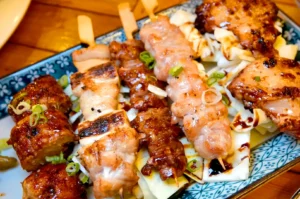
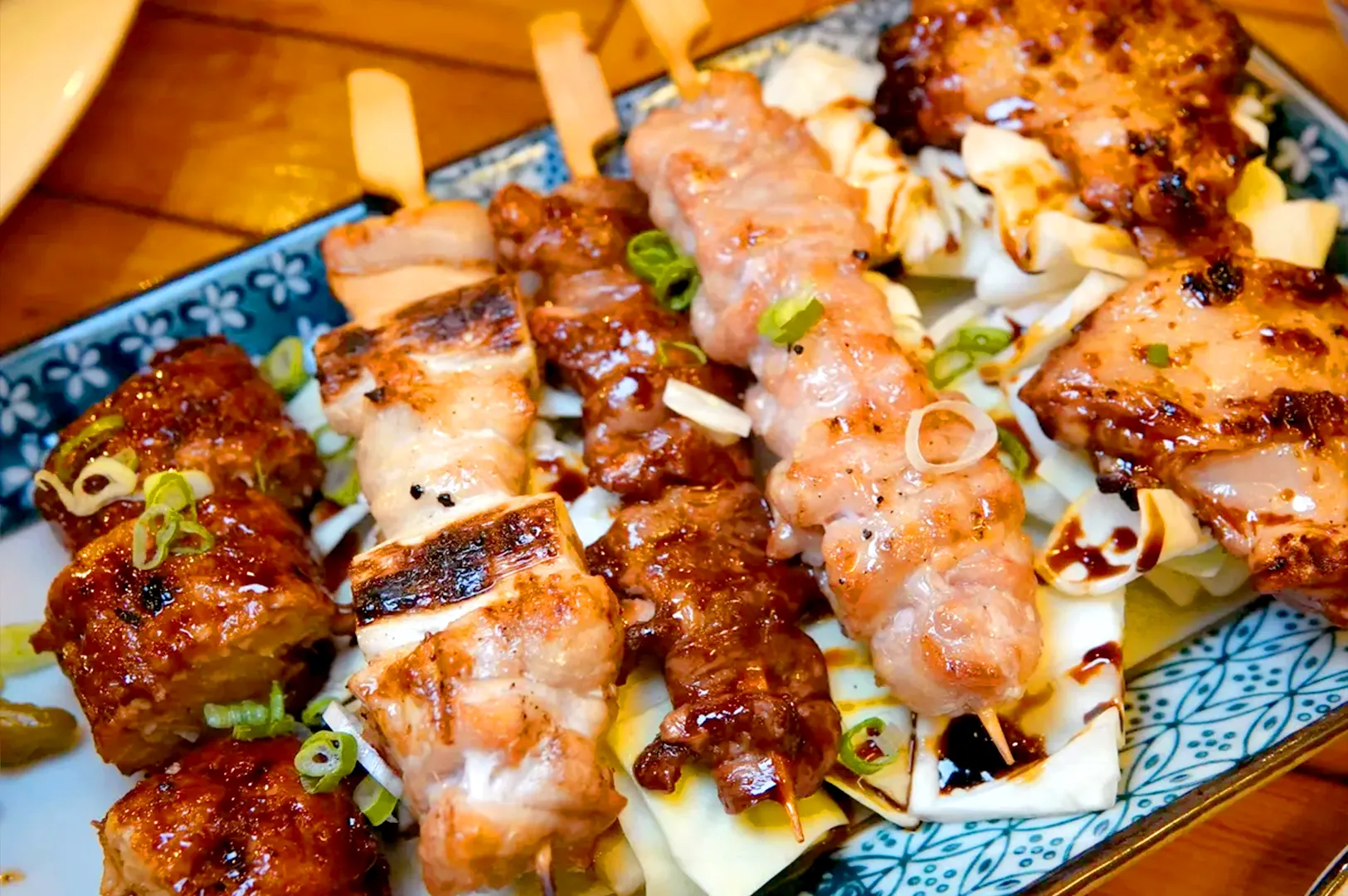
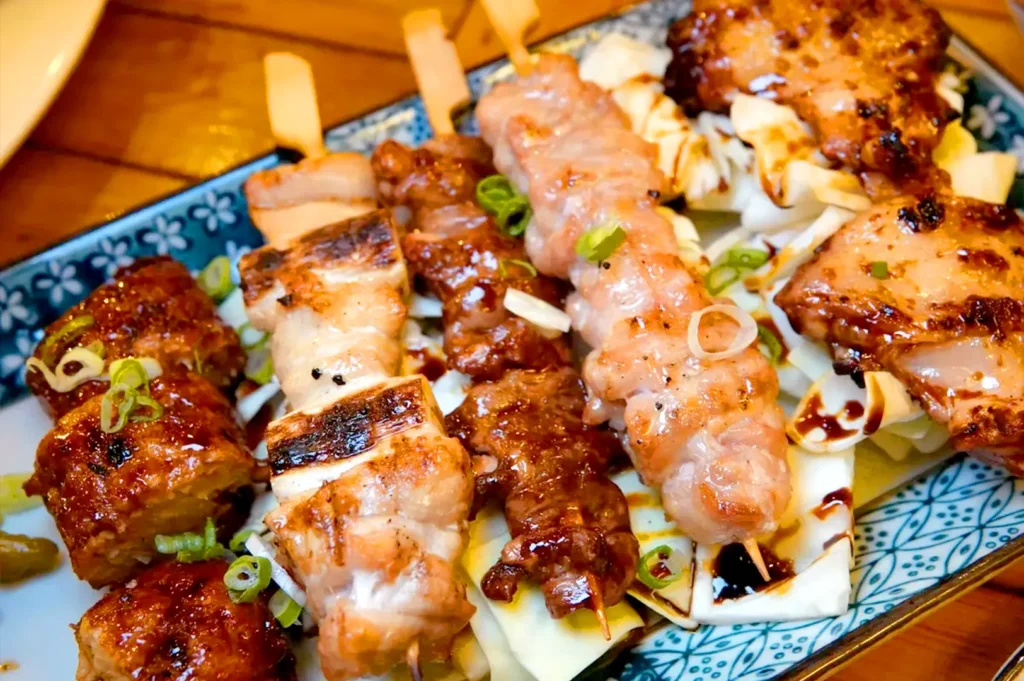
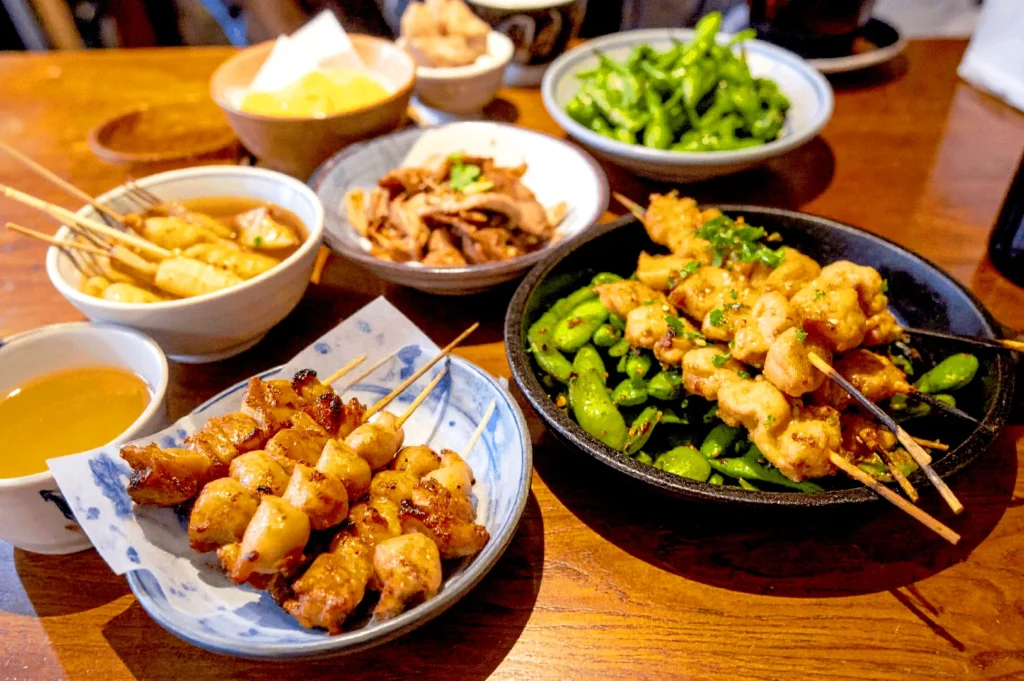
It’s something small. Edamame. A piece of tamagoyaki. Maybe a skewer.
If that first bite feels right — balanced, fresh, properly cooked — we relax. We assume the rest of the menu will follow the same standard.
If it doesn’t, even slightly, we become cautious.
Suddenly we’re second-guessing what to order next.
Same menu. Same kitchen. Completely different mindset.
We Decide Faster Than We Think
What’s interesting is how quickly this happens.
We like to believe we’re evaluating things logically, but most of the time, the brain is moving much faster than that.
Within seconds of tasting something, it’s already asking:
- Does this feel balanced?
- Does this taste clean?
- Does this match what I expected?
We’re not consciously scoring the dish.
We’re scanning for signals.
If the answers come back positive, we stop thinking and just enjoy. If something feels off, even slightly, we start paying more attention — and not in a good way.
That’s why two people can eat the same meal and walk away with completely different impressions.
One felt reassured early.
The other didn’t.
The Shortcuts We Don’t Realise We’re Taking
A lot of this comes down to shortcuts.
We don’t have time (or energy) to analyse every dish in detail, so the brain uses small cues to make quick decisions.
Texture is one of them.
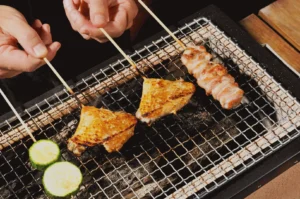
If a skewer is juicy, we assume the grill is controlled well. If something fried is crisp without being greasy, we assume the kitchen knows what it’s doing.
Seasoning is another.
If the salt level feels right — not too heavy, not too flat — we subconsciously trust the rest of the menu.
Even temperature plays a role.
Food that arrives at the right moment, at the right heat, tells us the kitchen is paying attention.
We don’t sit there listing these things out.
We just feel whether the place “gets it” or not.
What That First Bite Is Really Doing
Once that initial judgment is made, it’s surprisingly hard to change.
If the first bite is good, we become generous. We forgive small delays. We take more risks with our orders. We stay longer.
If it’s not, we become cautious. We stick to safer dishes. We notice every small flaw.
The rest of the meal is filtered through that first impression.
Which means that small, simple dish at the start?
It’s not just an appetizer.
It’s setting the tone for the entire night.
It Happens Whether You Notice It or Not
The next time you sit down at an izakaya, pay attention to that first bite.
Not in an overthinking way — just notice how quickly you form an opinion.
Because whether you realise it or not, your brain has already made a call.
And everything that comes after is just confirming it.
If you enjoy noticing the little details behind a good izakaya, there’s more to explore on Best Izakaya Singapore.