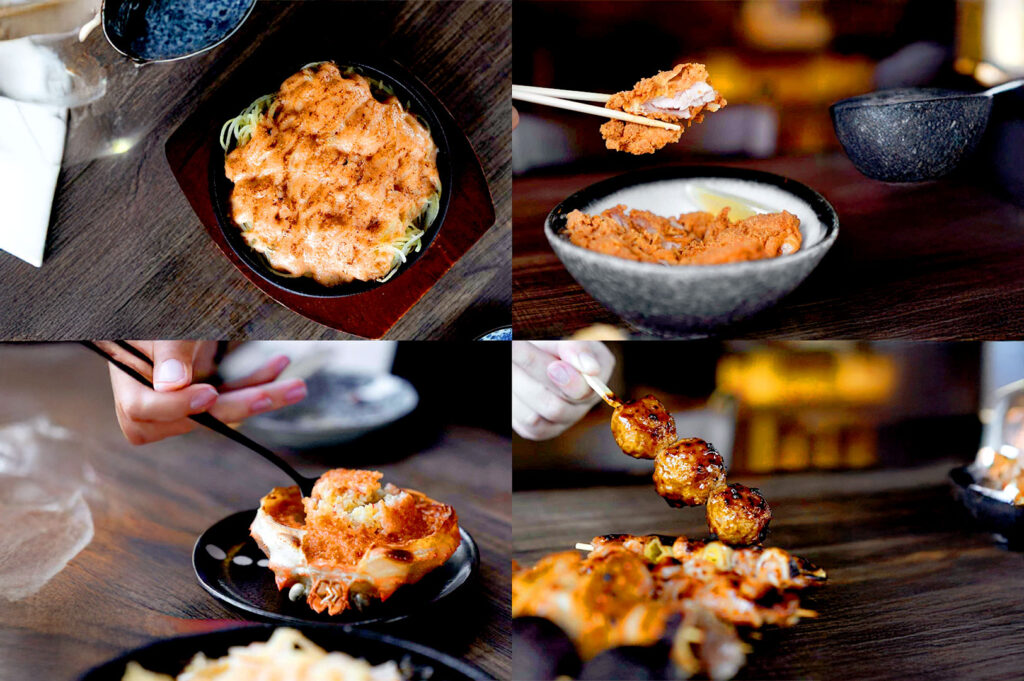
If the basics are weak, nothing else matters.
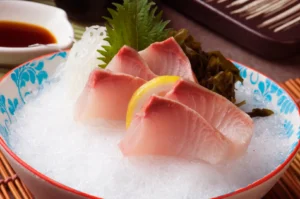
That sounds harsh, but after enough izakaya nights, it becomes obvious. We all get distracted by the same things at first — premium sashimi, seasonal specials, expensive sake labels, dramatic grilled fish. Those dishes are exciting, and they should be.
But they are not the real test.
The real test is much quieter.
It’s the potato salad.
It’s the tamagoyaki.
It’s the first shio skewer.
It’s the plate of grilled vegetables no one takes seriously until it arrives.
When these dishes are done well, the rest of the menu usually follows. When they are not, no amount of premium seafood can fully save the meal.
Why the Basics Matter More Than the Specials
A premium dish can hide a lot.
If a restaurant serves high-grade fish, diners will forgive small mistakes because the ingredient itself is impressive. If a dish arrives with rich sauce, smoke, or heavy seasoning, flaws are easier to miss.
Basic dishes do not offer that protection.
There is nowhere to hide behind a bowl of potato salad. No one can disguise dry tamagoyaki with expensive garnish. A shio skewer has salt, fire, and meat — that is all.
This is why simple dishes are such reliable indicators. They reveal what the kitchen does when it cannot rely on luxury ingredients or visual drama.
Technique becomes visible.
The Potato Salad Test
Potato salad sounds like the least interesting thing to order at an izakaya.
That is exactly why it matters.
A good potato salad should feel balanced, not heavy. The potatoes should hold shape without turning dry. The seasoning should be present but restrained. If there are additions — cucumber, egg, onion — they should support texture, not dominate it.
When this dish is thoughtful, it tells you the kitchen pays attention to details most diners overlook.
When it is careless, you can usually feel it immediately. Too much mayonnaise. Flat seasoning. Mushy texture.
No one writes reviews about potato salad.
But regular diners remember it.
Tamagoyaki Is a Skill Check
Tamagoyaki is another dish people underestimate because it looks simple.
It is not.
A proper tamagoyaki requires control of heat, timing, and consistency. The egg should be soft but structured, slightly sweet but not sugary, and evenly layered from edge to center.
If the pan is too hot, it dries out.
If the seasoning is off, it tastes flat or cloying.
If the technique is rushed, the texture becomes dense.
When tamagoyaki is done correctly, it feels effortless. That is exactly what makes it difficult.
It is one of the clearest examples of simplicity revealing technique.
Shio Skewers Tell You Everything
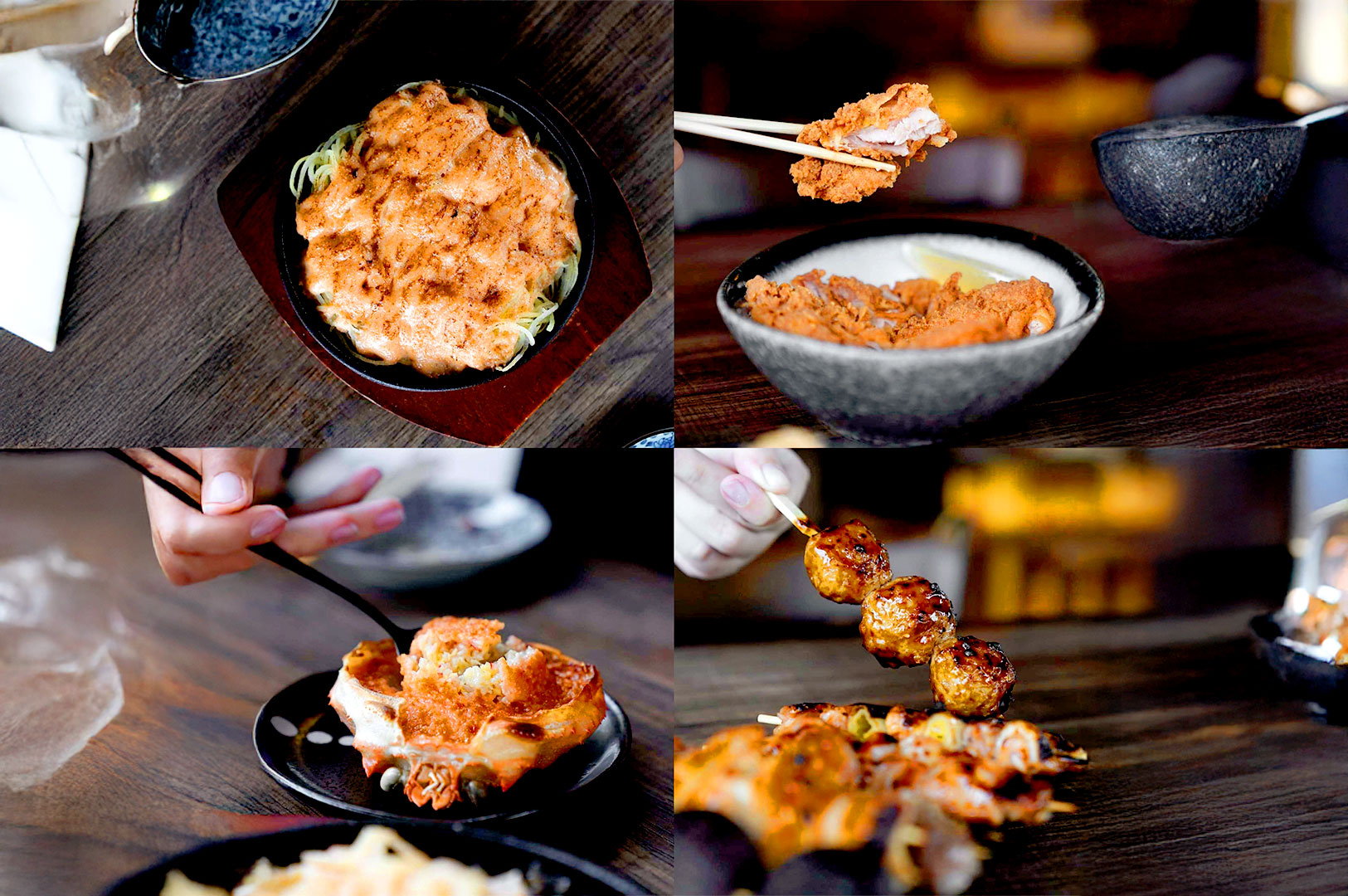
Most diners focus on tare skewers because the glaze is bold and satisfying.
But if you want to understand a yakitori chef’s skill, order shio.
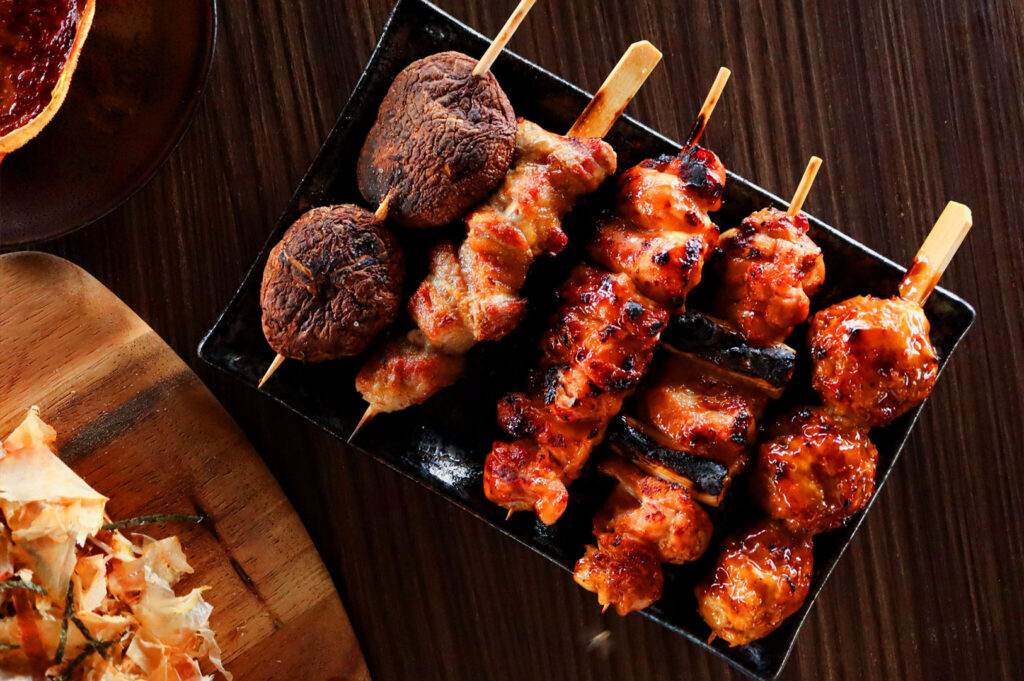
Salt leaves no room for mistakes. The meat has to be properly cut, correctly skewered, and grilled with precision. The heat has to be managed so the outside develops light char while the inside stays juicy.
With tare, sauce can soften imperfections.
With shio, the chicken speaks for itself.
That first shio skewer often tells me more than any premium cut on the menu.
If it is dry, the grill is not under control.
If it is bland, the seasoning lacks confidence.
If it is balanced, I know the kitchen understands restraint, especially when that light smokiness comes through clean rather than harsh, something often misunderstood as burnt when it’s actually part of controlled charcoal cooking, as explained in why that smoky yakitori flavor isn’t burnt meat.
Grilled Vegetables Are the Quiet Standard
Vegetables are often treated like side dishes, but in a strong izakaya they are part of the core craft.
Grilled shishito peppers, mushrooms, eggplant, or leeks should be cooked with the same care as meat. The texture should remain intact. The seasoning should be precise. The char should add flavor, not bitterness.
When vegetables are overcooked, oily, or forgotten, it usually reflects the kitchen’s priorities.
When they are excellent, it tells you the chef respects every ingredient on the grill.
That matters more than people think.
Simplicity Is Harder Than It Looks
There is a reason many experienced diners judge an izakaya by the basics.
Simple dishes require discipline.
They demand consistency, not creativity.
They expose habits, not highlights.
They reveal whether a kitchen can execute the same standard every night.
Anyone can produce one impressive dish.
A great izakaya can make the ordinary feel exact.
That is harder.
The Best Izakaya Is Usually Obvious Early
You do not need to order the most expensive item to know if a place is worth returning to.
Start with the basics.
Places that consistently get these basics right tend to stand out quickly: something you’ll notice across many of the izakayas featured in this Best Izakaya Singapore Guide.
Order the potato salad.
Try the tamagoyaki.
Get a shio skewer before the tare.
Add one plate of grilled vegetables.
If those are strong, the rest of the meal usually is too.
And if they are not, no premium sashimi platter will change what you already know.
The “best” izakaya is rarely the one with the flashiest menu.
It is the one that gets the basics right, every single time.