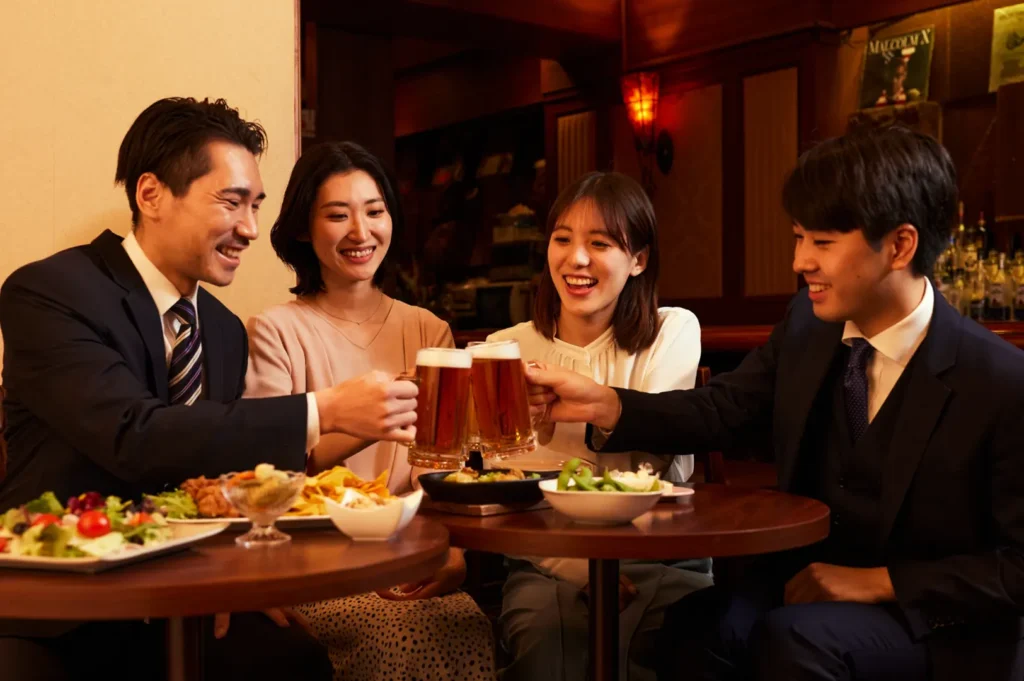
Not everyone arrives at an izakaya for the same reason.
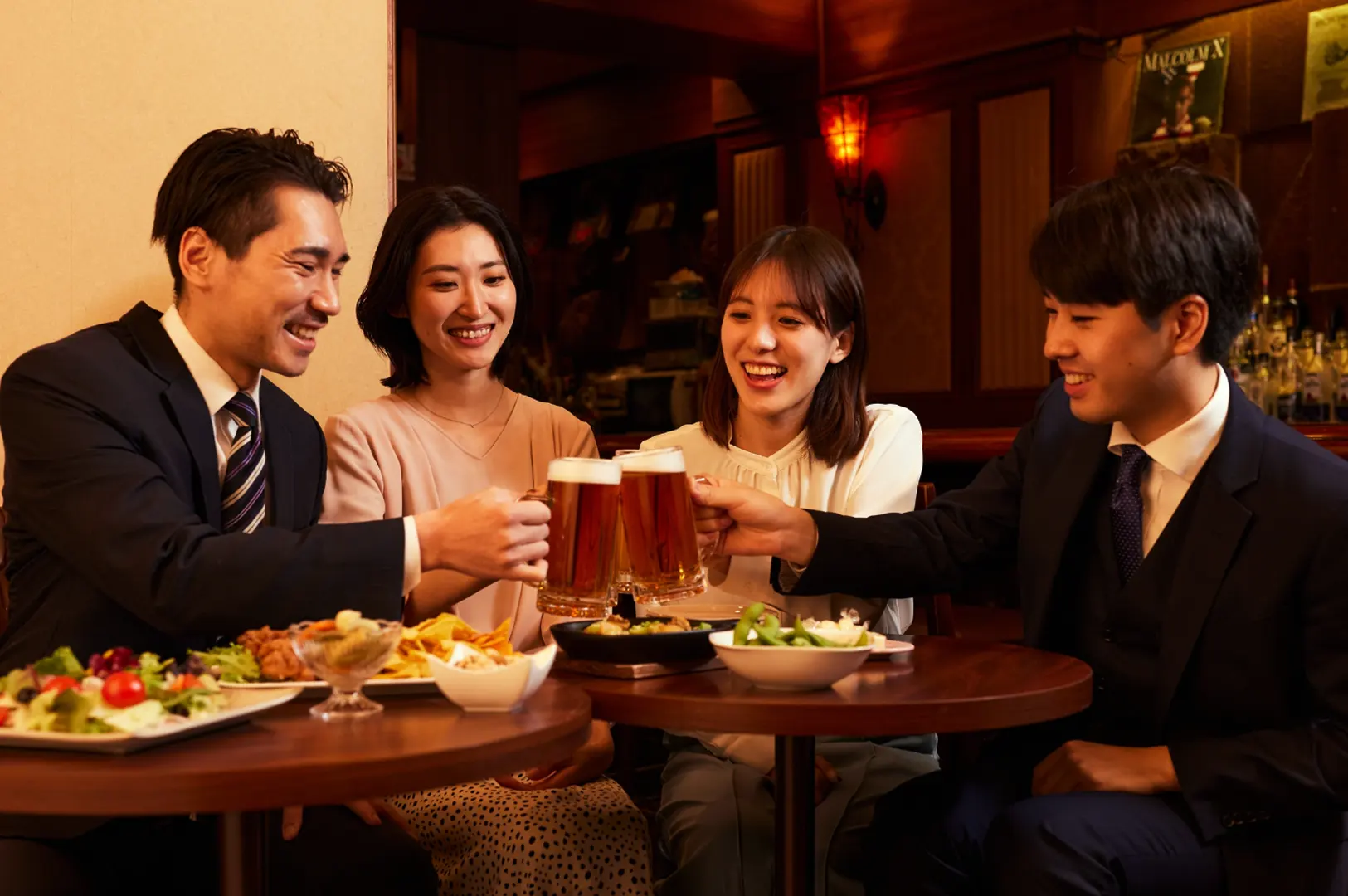
Some diners want sake, highballs, or beer with a few small bites. Others arrive hungry and expect a proper dinner. In Singapore, this mix is common, especially for after-work groups, weekend gatherings, and casual celebrations where one table may include light snackers, steady drinkers, and someone ready for rice immediately.
This is where the izakaya format works well. It does not force the table into one fixed dining style. Instead, it allows the meal to adjust as the group settles in.
Small Plates Suit Mixed Appetites
Small plates are central to izakaya dining because they create flexibility.
The point is simple: izakaya food is not just bar snacks, because these dishes can support both a drinking session and a proper meal.
A table can begin with lighter dishes such as edamame, pickles, chilled tofu, potato salad, or sashimi. These dishes are easy to share, do not overwhelm the table, and give drinkers something to pair with the first round.
For serious eaters, small plates also help build a fuller meal over time. Instead of ordering one large main course, they can combine grilled skewers, fried dishes, seafood, vegetables, and rice later in the evening.
This structure keeps both sides of the table involved.
Drinkers Need Dishes That Support the Glass
Drinking-focused diners usually prefer food that is flavourful, compact, and easy to eat between sips.
Common choices include:
- Yakitori, or grilled chicken skewers
- Karaage, or Japanese fried chicken
- Grilled squid
- Chicken skin or tsukune
- Salted edamame
- Miso or tare-glazed dishes
These items work because they have clear seasoning and manageable portions. They keep the appetite active without making the meal feel too heavy too early.
For drinkers, the food supports the pace of the night.
Serious Eaters Need a Clearer Finish
A group meal can feel incomplete if there is nothing substantial at the end.
This is where rice, ramen, curry, or ochazuke becomes important. These dishes help close the gap between those who came to drink and those who came to eat.
Garlic fried rice adds weight without changing the table’s shared format. Ramen gives one diner a fuller meal if needed. Curry works as a warmer, heavier ending. Ochazuke, rice with tea or broth, offers a lighter closing option after grilled and fried dishes.
The final carbohydrate dish often turns a drinking session into a complete dinner.
Flexible Ordering Prevents Friction
The strongest advantage of an izakaya is that the table does not need to decide everything at once.
The group can begin lightly, order based on appetite, and add heavier dishes only when needed. This reduces pressure on mixed groups because no one has to compromise too early.
Drinkers can continue with skewers and small plates. Hungry diners can build toward rice or noodles. Non-drinkers can still participate through the food.
Where Izakayas Excel as Group Meals
Izakayas work well for Singapore group dining because they support different appetites at the same table.
Small plates keep the meal flexible. Drink-friendly dishes maintain rhythm. Rice, ramen, curry, and ochazuke provide structure when the table needs a fuller ending.
The result is a format that suits both casual drinkers and serious eaters without forcing either group to lead the night.