Good sushi is not automatically better because the chef has trained in kaiseki. The more useful question is what that training might change beyond the individual piece.
Kaiseki is a Japanese multi-course dining tradition that places considerable attention on seasonality, preparation, presentation and the relationship between dishes. Sushi has its own specialised techniques. Yet when a chef has experience in both areas, those approaches can inform one another.
For diners, the influence may be subtle rather than immediately visible.
Seasonality Comes Before the Finished Plate
In kaiseki cooking, ingredients are considered in relation to the season and the wider menu. That thinking can extend to sushi: which fish to feature, what accompaniments make sense, and whether a preparation suits the meal being served.
Seasonal does not necessarily mean fresher or better. Availability, handling and preparation still matter. Nor does a changing menu guarantee that every ingredient is locally seasonal.
What matters is the decision to build dishes around ingredients available at a particular time, rather than requiring every favourite to appear throughout the year.
Knowing When to Hold Back
Creative toppings and rich sauces have their place in contemporary sushi. Kaiseki offers another useful perspective: adding something should have a purpose.
A chef might consider whether a garnish contributes aroma, acidity or texture, or simply distracts from the main ingredient. Small adjustments in seasoning and portion size can affect how balanced a bite feels.
This restraint is not exclusive to kaiseki. Skilled sushi chefs also make careful decisions about proportion, seasoning and temperature. The overlap is a shared concern for balance, not proof that one tradition produces better results.
Sushi Within a Larger Meal
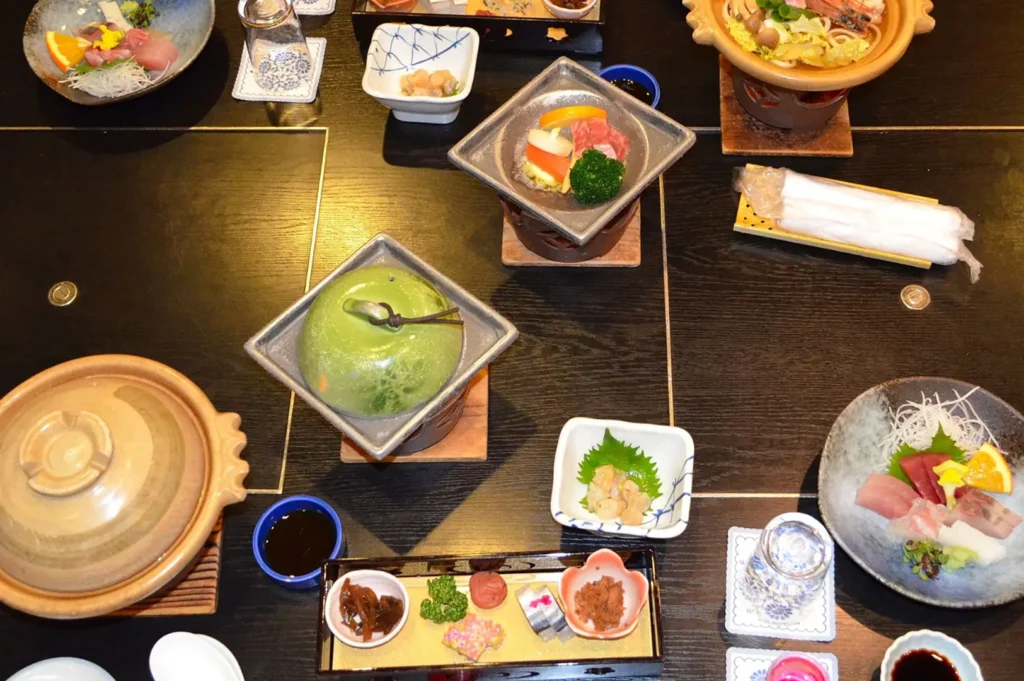
A dedicated sushi experience may organise the meal around successive pieces of nigiri. In a broader Japanese dining format, sushi might appear alongside sashimi, grilled fish, simmered vegetables or other dishes.
A kaiseki background can encourage attention to the progression of the entire meal. How does a delicate preparation sit beside something richer? Would a cooked dish provide contrast? Does another serving of fish add variety or repetition?
These are questions about the whole meal, not simply the sushi plate.
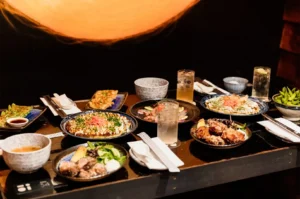
For a practical comparison, see how different Japanese restaurants approach the dining experience, particularly when sushi is served alongside sashimi, grilled dishes and sake rather than as a standalone course.
What Diners Can Actually Notice
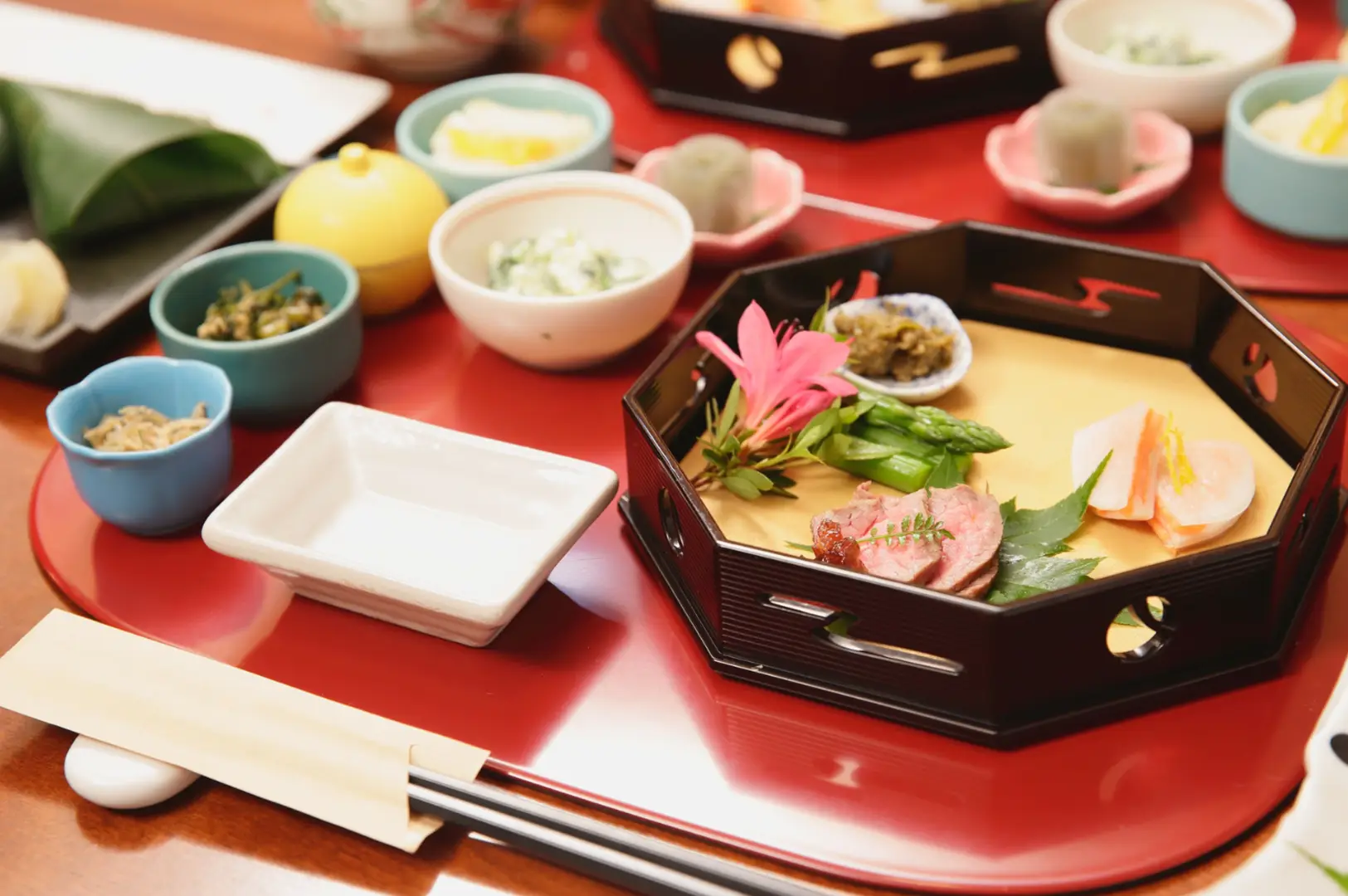
Presentation offers one clue. Plate shape, spacing, colour and garnish can make ingredients easier to distinguish without making the arrangement elaborate.
At Suiraku on Neil Road, the restaurant’s described connection to Chef Jing’s Kyo-Kaiseki background provides a relevant example. Its seasonal nigiri and broader Japanese menu invite this discussion. However, those details alone do not establish which particular sushi techniques come from that training.
It is equally important to recognise the separate craft of sushi rice, or shari, and shaping nigiri. Kaiseki experience cannot substitute for those skills.
We therefore see kaiseki influence as a possible way of thinking across dishes, not a quality certificate. Diners may notice thoughtful sequencing and restrained presentation without knowing the chef’s training. The meaningful question is whether those choices improve the meal as a whole for the people eating it.