

The first dish can tell you more than the signature dish.
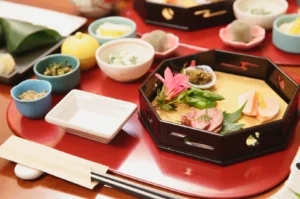
I notice this in Osaka when a small plate arrives before anything dramatic. Maybe greens. Maybe daikon, tofu, pumpkin, or rolled omelette. Nothing designed to stop the table.
That is why I pay attention.
Obanzai, the everyday home-style dishes associated especially with Kyoto cooking, can reveal how an izakaya wants the evening to move. Before the grill gets loud or the sake takes over, that modest plate often gives the kitchen away.
Small Dishes Set the Tone Early
Some izakayas lead with impact.
Others begin quietly.
A plate of seasonal vegetables tells me the kitchen is thinking about balance before richness. A lightly simmered dish suggests patience. Something pickled, dressed, or braised can soften the first drink and give the table time to settle.
Osaka izakayas do not all ask the same thing from you.
That range is exactly what makes izakaya Osaka worth exploring beyond the obvious signatures, because the first few plates often reveal whether a place is drinking-led, food-led, or somewhere between the two.
At a drinking-first bar, the early plates may exist mainly to support beer or highballs. At a food-led izakaya, those first dishes can feel more deliberate. They start building the meal before the expensive fish or grilled meat arrives.
That distinction is useful.
Home-Style Food Changes Expectations
Obanzai does not need to look ambitious.
That is often its appeal.
The point is not spectacle. It is familiarity, seasonality, and the feeling that the kitchen has prepared something to be eaten steadily rather than photographed immediately.
At places such as Tokitame, where the cooking carries more refinement, a mixed obanzai plate can act almost like an introduction. It shows restraint, then lets richer dishes follow.
That tells me to slow down.
Elsewhere, a plate of karaage or yakitori may tell me the opposite: order a drink, keep the table moving, do not overthink it.
Neither approach is better.
They simply lead to different nights.
Seasonal Vegetables Matter More Than They Seem
It is easy to skip vegetables when Osaka offers fried chicken, grilled fish, beef, and seafood everywhere.
I wouldn’t.
Seasonal vegetables give contrast. They show whether the kitchen is working around what is good now rather than relying only on permanent crowd-pleasers.
That detail can make a menu feel grounded.
It can also prepare the palate for richer food later.
Signature Dishes Do Not Tell the Whole Story
Travellers naturally search for the dish everyone says to order.
I do it too.
Sometimes the better clue is sitting beside it.
A small plate can tell you whether the kitchen values seasonality, comfort, speed, or drinking rhythm. It can show whether dinner is meant to build slowly or hit hard from the start.
Final Plate
That is why I rarely dismiss the first modest dish.
Obanzai may not be the plate people remember in photos.
But it can explain the meal before the bigger dishes arrive.
In Osaka, I have learned to watch that first plate carefully.
Sometimes dinner has already told you exactly where it is going.