Okay, let me admit something first: I have spent an unreasonable number of evenings inside Tokyo izakaya restaurants. Some have been quiet counter dinners where the only real conversation was between the chef and the grill. Others have ended with smoke in my hair, an empty lemon sour in front of me, and the vague feeling that catching the last train had stopped being a priority somewhere around the third dish.
After enough of those nights, I stopped keeping a list of places that were simply “good food.” The more useful list was the one I could actually return to, or send a friend to depending on the kind of Tokyo food experience they were after. That is what this is: a selection of many izakayas that each offer something different, from polished seasonal dining and seafood-heavy drinking spots to old-school yakitori counters with grilled chicken skewers, serious sake bars, and even a plant-based take on the format.
The Izakaya Line-Up (Start Here)
Tokyo’s food scene includes low-cost foods connected to neighborhoods. If you just want the names first, no thinking, no over-planning, just a mental shortlist for your next Tokyo night; this is it:
Now, pick your mood. The rest of the night usually takes care of itself.
1. Kotaro, Shibuya: My Personal Favorite for the Night You Want to Hand Over the Ordering
From the train: Shibuya Station, roughly a short walk into Sakuragaoka.
What I’d set aside: Around ¥8,000 to ¥9,999 per person is the restaurant’s currently listed dinner budget, although reported bills can climb beyond ¥10,000 once sake and a fuller meal enter the picture. There is also a ¥540 otoshi charge.
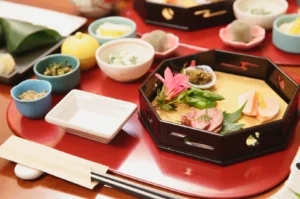
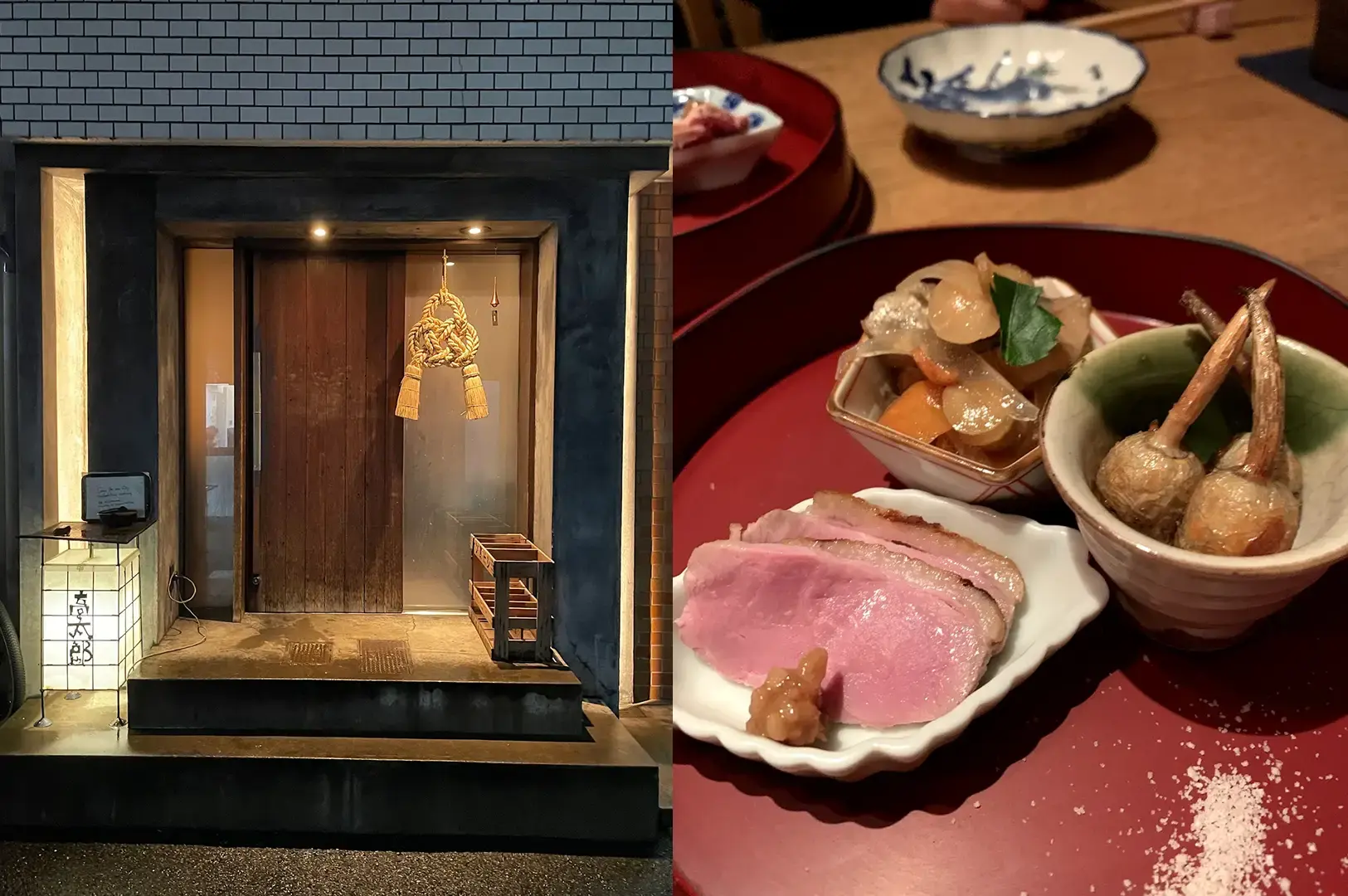
Kotaro is what I think of when someone asks for a great izakaya in Tokyo food that feels special without turning dinner into a ceremony.
It is small, calm, and remarkably assured. Seasonal Japanese food comes out with the sort of attention you might associate with a far more formal restaurant, but the room never feels stiff.
That balance is precisely why Kotaro works.
The current restaurant listing places it among Tabelog’s Best Izakaya EAST 100 for 2025, and the dining room remains tiny at just 22 seats, including ten at the counter seats.
I would resist the temptation to attack the menu with a plan. Pick one or two things you genuinely want, mention what you like, and allow the kitchen to fill in the gaps.
That approach suits Kotaro far better than arriving with a checklist.
Who I’d bring: Someone who already likes izakaya dining and wants to see how refined the format can become without losing its warmth.
When I’d choose somewhere else: A spontaneous group dinner. Reservations are difficult, the room is small, and this is not the place I would rely on for a cheap walk-in.
The move I’d make: Take a counter seat if you can and leave part of the order in their hands. Kotaro makes much more sense once you stop trying to control every plate.
2. Shin Hinomoto, Yurakucho: Seafood Under the Tracks in a Back Alley
The easiest way in: Yurakucho Station is about a minute away on foot; Hibiya Station is similarly close.
What dinner tends to cost: Around ¥4,000 to ¥4,999 per person is the current reported dinner range. If you would rather leave the food planning to them, Shin Hinomoto’s own menu currently lists food-only courses from ¥5,000 per person.
This one has always felt wonderfully Tokyo to me.
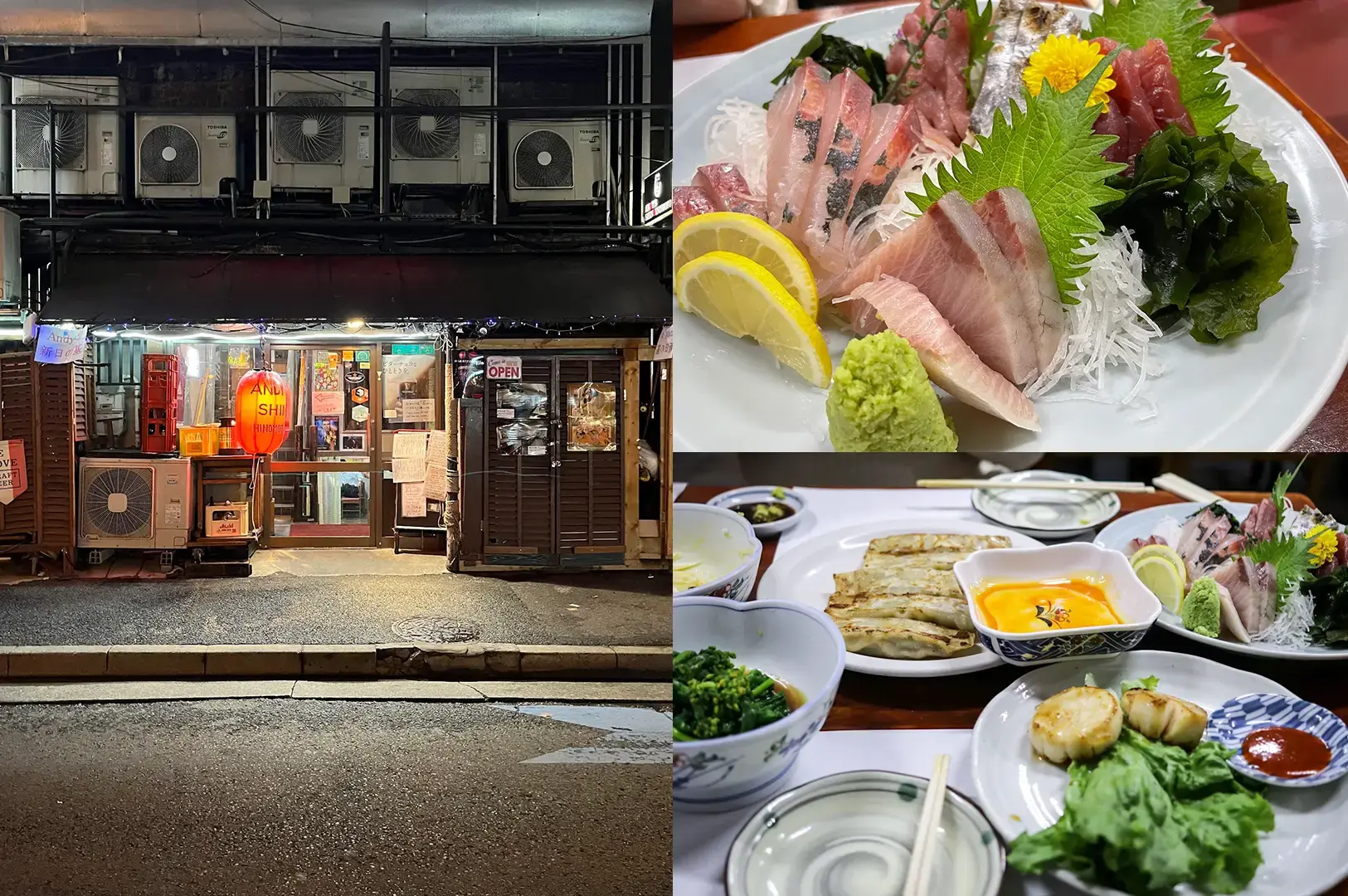
Shin Hinomoto, better known to many visitors as Andy’s, sits beneath the tracks in Yurakucho, where dinner occasionally comes with the sound of a train passing overhead.
The room is noisy, sociable, and unprecious.
And then the seafood lands.
The official menu currently lists a small mixed sashimi platter at ¥3,500, a large at ¥5,500, grilled Atka mackerel at ¥650, clams steamed in sake at ¥1,100, and, for a completely different level of commitment, king crab at ¥15,000.
This is why I would start with fish rather than filling the table immediately with fried things like tempura or karaage.
Let the sashimi, shellfish, or grilled fish establish the meal. The beer or sake can catch up afterwards.
The crowd I’d take here: First-time Tokyo visitors, seafood people, and groups who want an izakaya night without spending half the evening decoding the room.
Not the night for it: When you want privacy, quiet conversation, or a carefully hushed date.
My first order: Sashimi before anything fried. The room may be the first thing you remember, but the seafood is the reason I would come back.
3. Jomon, Roppongi: Sit Where You Can See the Grill and Enjoy Grilled Meat and Pork Skewers
Getting there: Roppongi Station, only a few minutes away.
The current spend to know: Jomon’s official Hakata kushiyaki course is now ¥6,500 per person with two hours of all-you-can-drink. The motsunabe version is ¥7,500. Those are the current figures, rather than the older ¥3,980 pricing sometimes still repeated online.
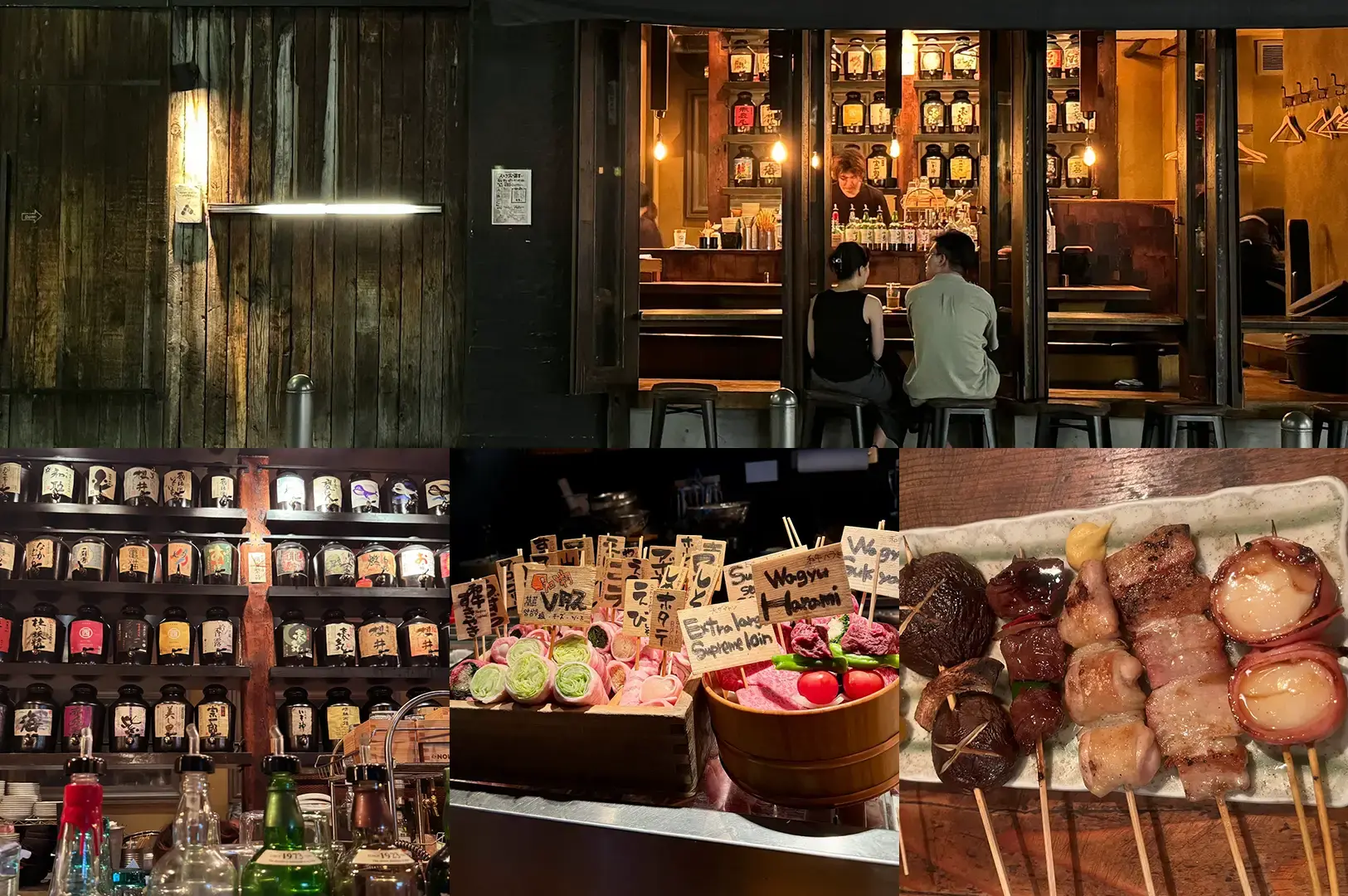
Jomon is smoke, skewers, and the good kind of noise.
It specializes in Hakata-style kushiyaki, and although there are tables, I still think the better version of the evening happens close to the grill.
There is something about watching grilled chicken skewers leave the fire and arrive almost immediately in front of you that makes the whole room make sense.
The official ¥6,500 course includes five grilled skewers alongside dishes such as yellowtail, omelette with Hakata leek and cod roe, fried yam, cooked gyoza, and noodles to finish.
It is not delicate dining.
That is the appeal.
Come hungry, expect the room to feel lively, and accept now that there is a reasonable chance your clothes will carry a little of dinner home with you.
The evening it suits: Friends, kushiyaki cravings, and Roppongi nights where dinner is part of the night rather than the sole event.
I’d give it a miss if: Smoke, close seating, or a busy dining room irritate you.
Where I’d try to sit: At the counter with a view of the grill. Here, the cooking is part of the atmosphere rather than something happening out of sight.
4. Narukiyo, Shibuya: The One I Would Not Use as Izakaya Training Wheels
From Shibuya: Around 600 metres from Shibuya Station.
What I’d budget now: The current listed dinner spend is around ¥5,000 to ¥5,999 per person.
Narukiyo is the odd one, in the best way.
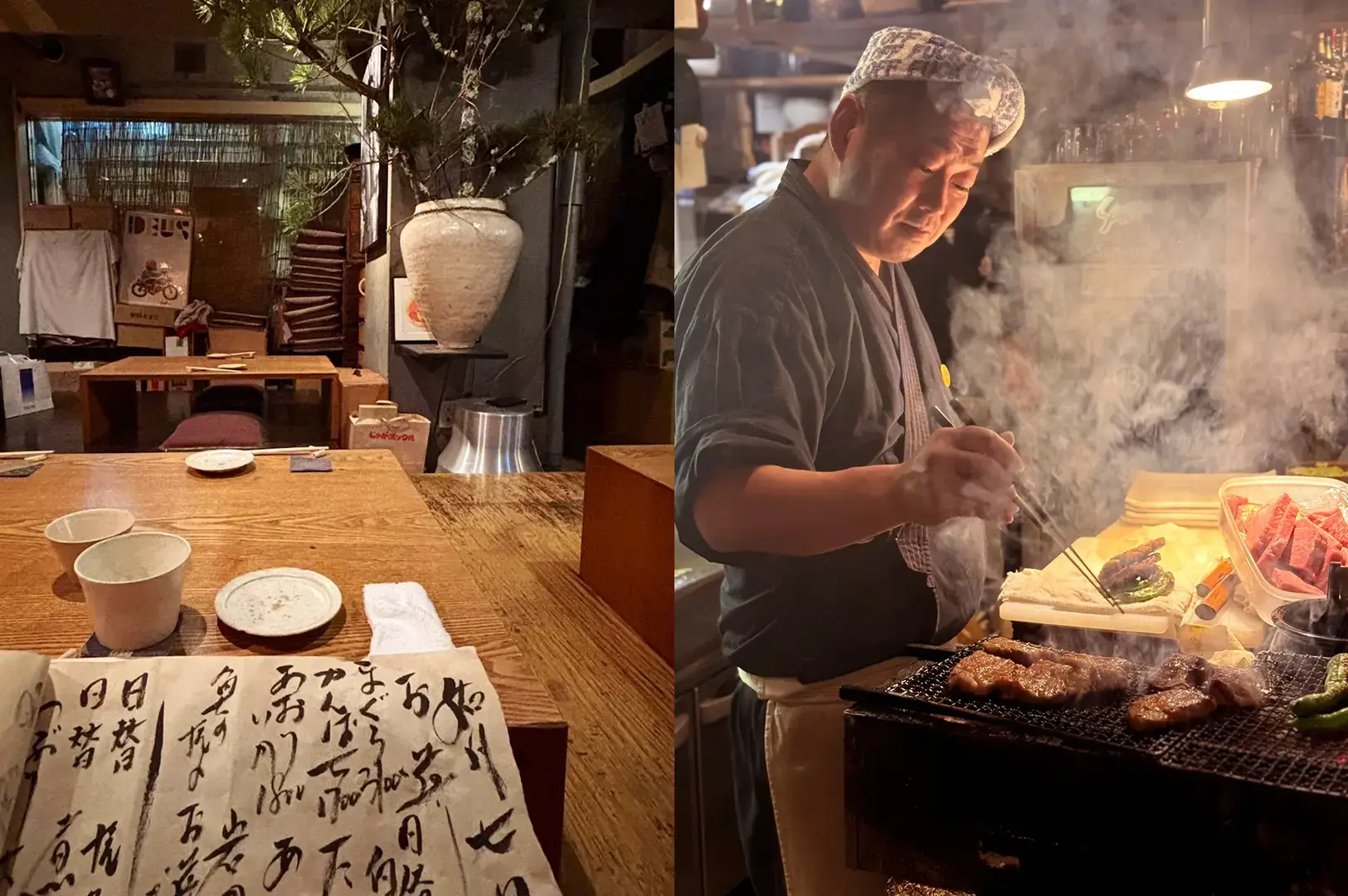
It is theatrical without feeling manufactured. Handwritten menus, a busy counter, seasonal food, and a room that seems to operate according to its own rhythm all make dinner feel slightly unpredictable.
I would not necessarily send someone here for their first izakaya meal.
That is not criticism.
Part of Narukiyo’s charm is that it does not seem terribly interested in smoothing every edge for you. English assistance can be limited, the menu rewards curiosity, and a rigid ordering plan defeats much of the point.
Current listings have it opening from 6 pm to midnight Monday through Saturday, with Sunday closed, and reservations are accepted.
Come willing to ask what is good that evening.
Then listen.
Who gets the most from it: Repeat Tokyo travellers, confident eaters, and anyone bored of restaurants designed to be instantly legible.
Who may find it frustrating: Diners who need detailed English explanations, predictable dishes, or a very controlled meal.
How I’d order: Loosely. Ask what is worth eating that night and allow at least part of dinner to be a surprise.
5. Uoshin Nogizaka: Let the Seafood Decide Dinner by the River
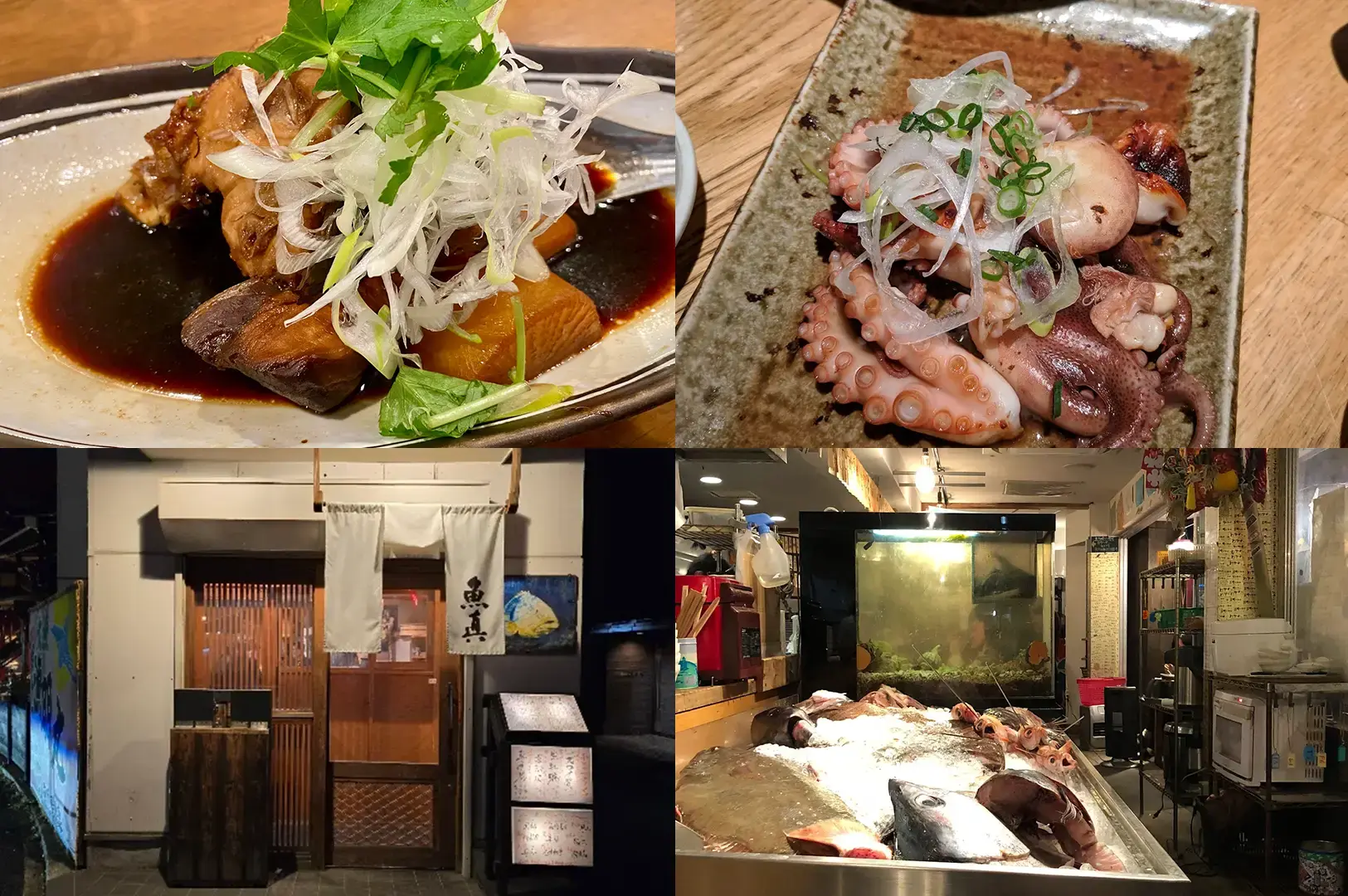
Step off here: Nogizaka Station. The restaurant is about 165 metres away, almost immediately outside Exit 2.
What I’d expect to spend: Around ¥5,000 to ¥5,999 per person at dinner. The current menu lists sashimi at ¥1,300 per person, with a two-person minimum, its loaded nokke-zushi at ¥1,980, seasonal seven-piece nigiri at ¥1,690, and crab cream croquettes at ¥400.
Fish first.
That is still the simplest way I know to explain Uoshin.
It is a big, casual seafood izakaya rather than a pristine sushi counter, and the food is better understood through abundance than restraint.
The sashimi selection changes with the market, while the menu ranges from sushi and grilled fish to fried seafood and simple drinking dishes. One detail I particularly like is that Uoshin does not charge an otoshi; the menu instead suggests ordering one of its quick small plates yourself.
The famous nokke-zushi is exactly the sort of dish the room calls for: cucumber roll buried beneath negitoro, snow crab, ikura, and uni.
It is excessive enough to be fun.
The people I’d bring: Seafood-first diners and friends who care more about a busy table than polished ceremony.
Wrong expectations to bring: A silent sushi-counter experience. Uoshin is an izakaya with fish at its centre, not sushi theatre.
The order I wouldn’t skip: A sashimi round early, then the nokke-zushi if the table is still hungry.
6. Sake no Ana, Ginza: Come Here When the Sake and Quality Matter as Much as Dinner
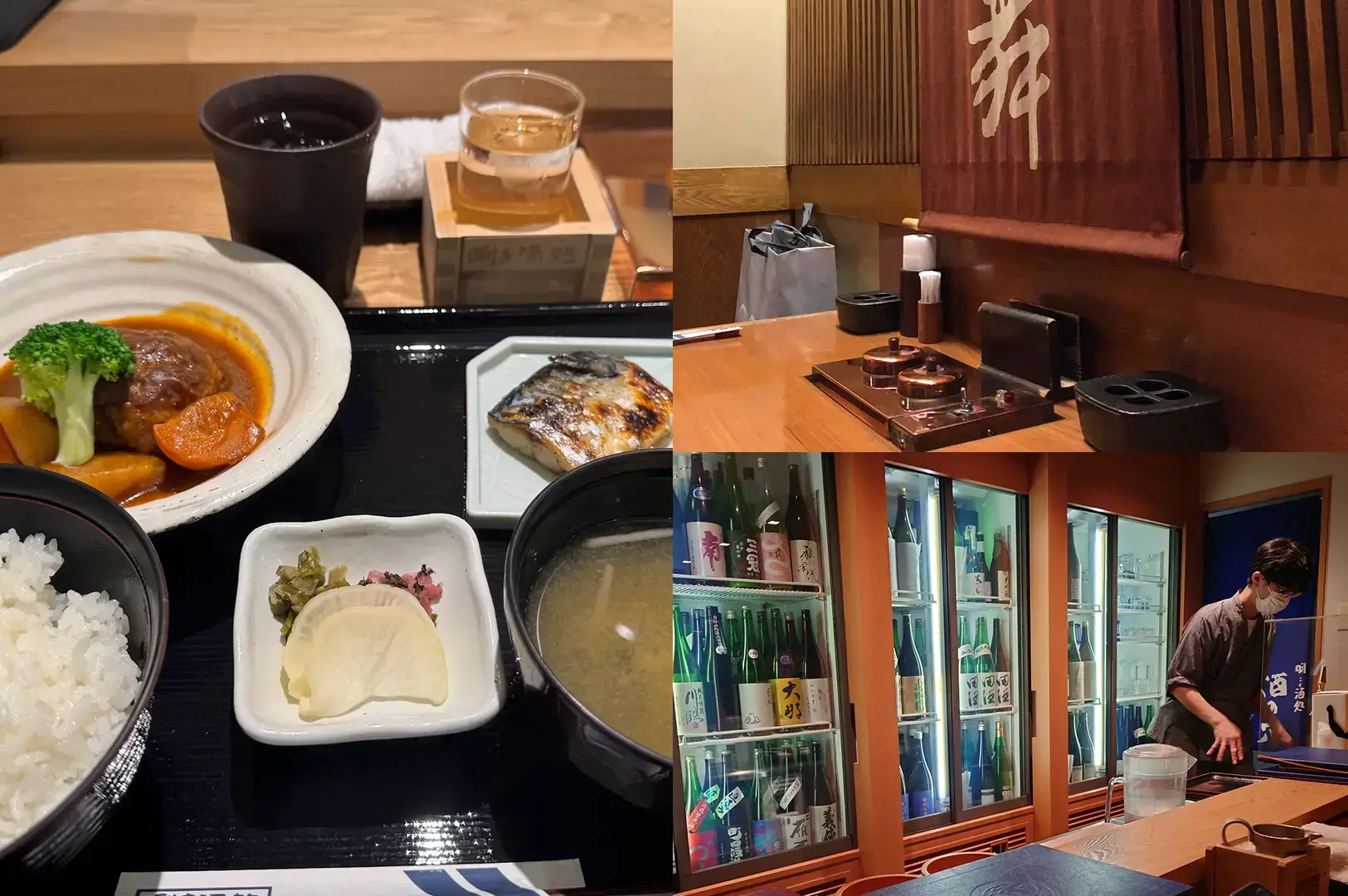
Getting off the train: Ginza-itchome is the nearest useful station, with Ginza also within walking distance.
What I’d allow for dinner: Around ¥5,000 to ¥5,999 per person is the current listed dinner range, although serious sake exploration can push the bill higher.
When I want sake to be more than a default glass beside dinner, Sake no Ana makes sense.
It is calmer than the smoky, shoulder-to-shoulder izakaya fantasy many people arrive in Tokyo expecting. The pleasure here is slower: choosing sake, letting the food follow, changing styles as dinner unfolds.
For a useful contrast back in Singapore, our look at CHIJMES Singapore Japanese food spots for izakaya, teppanyaki, ramen and casual dining shows how those different Japanese dining rhythms come together within one historic precinct.
The current menu gives you a useful sense of pricing. Namerou is ¥1,100, A5 wagyu nikujaga croquette ¥990, dashimaki tamago ¥1,260, wagyu or crab hot-stone rice ¥1,400, and a three-cut A5 wagyu steak assortment ¥3,850.
But I would not spend ten minutes studying sake labels before ordering.
Tell the staff what you normally like.
Dry. Aromatic. Rich. Light. Warm. Chilled.
That conversation is half the reason to be here.
The table I’d build around it: Sake drinkers, slower Ginza dinners, and people who enjoy comparing regional styles rather than simply ordering another beer.
Look elsewhere when: Cheap highballs and rowdy drinking are the priority.
The question worth asking: Not “What is the best sake?” Ask what fits what you are eating and how you like to drink.
7. Kaikaya by the Sea, Shibuya: The Easy First-Night Choice for Great Food and Seafood
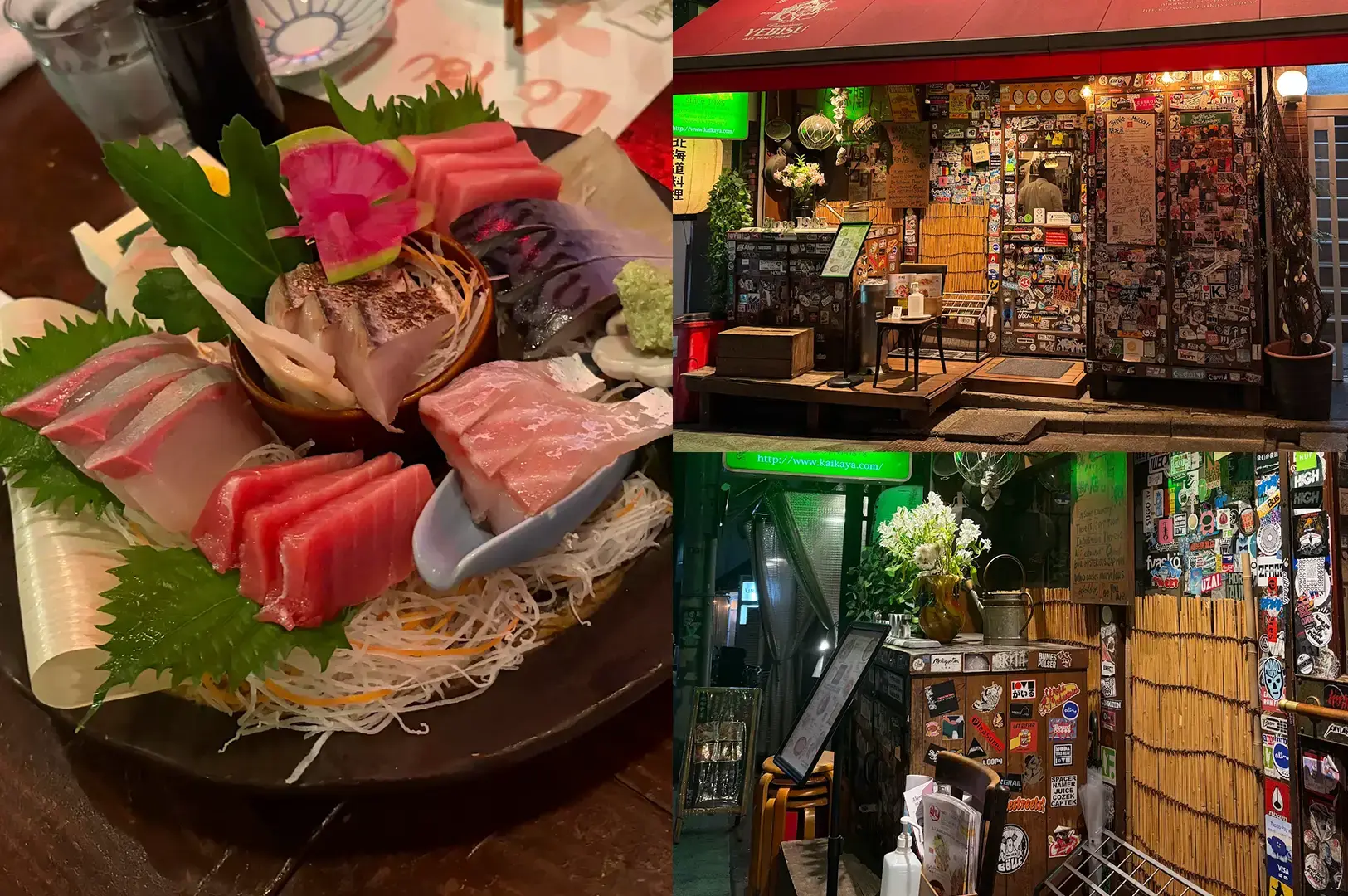
The shorter walk: Shinsen Station is about two minutes away. Shibuya is roughly eight to ten minutes, depending on the line and exit.
What I’d budget: Around ¥6,000 to ¥7,999 per person according to its current restaurant listing.
Kaikaya is the restaurant I keep in mind for that particular first evening in Tokyo when everyone is tired, hungry, and not especially interested in turning ordering dinner into an exam.
It is welcoming, energetic, and seafood-led, but accessible enough that newcomers do not need much hand-holding.
The published English menu gives a clearer picture of the numbers than a row of dollar signs ever could: sashimi platters run from ¥2,500 to ¥5,750, fresh-fish carpaccio is ¥1,500, the prawn with prawn sauce is ¥1,500, tuna kama prepared spare-rib style is ¥2,800, and wagyu shoulder loin steak is ¥3,800.
Is it a hidden local counter tucked away in a back alley that nobody else has heard of?
No.
And sometimes that is exactly why it works.
There is a place in a Tokyo itinerary for restaurants that make the first night easy without making the food forgettable.
Who I’d send here first: First-time visitors, mixed groups, and seafood eaters wanting atmosphere without much friction.
Who may want something smaller: Travellers specifically chasing a tiny, Japanese-only neighbourhood counter.
The practical move: Book ahead rather than hoping for a prime-time table. Current listings accept reservations, and the restaurant remains popular.
8. Toritake, Shibuya: For When You Want Smoke, Sauce, and No Fuss with Grilled Chicken Skewers
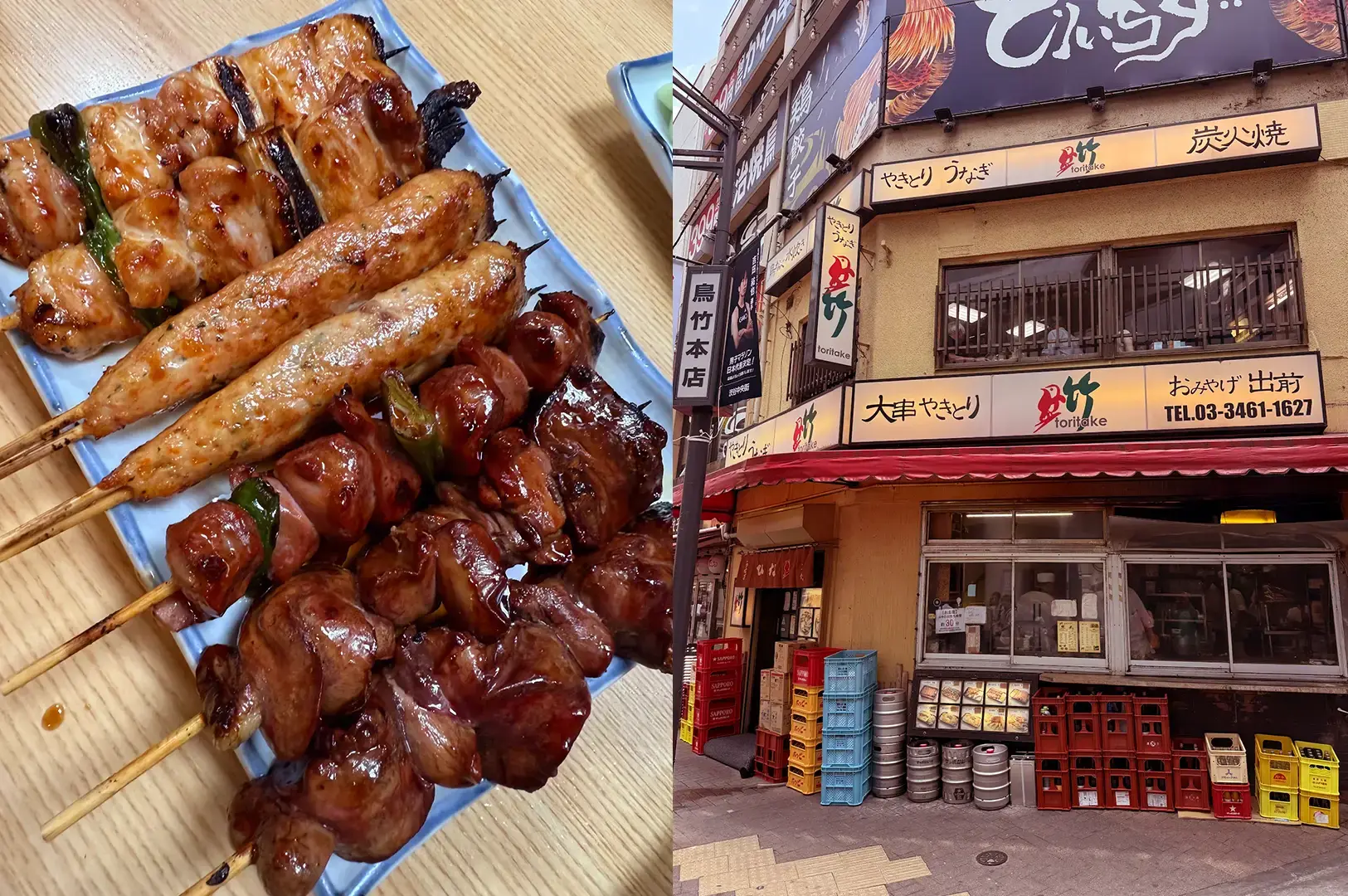
How close it really is: From the Keio Inokashira Line west exit, roughly one minute; from JR Shibuya, around three minutes.
What the bill looks like: The restaurant currently lists dinner at around ¥3,000 to ¥3,999 per person. Individual yakitori starts at ¥350, tsukune is ¥363, chicken wings ¥715, and a yakitori rice bowl is ¥1,200. Unagi dishes are market-priced.
Toritake is one of those Shibuya restaurants that makes modern Tokyo outside feel briefly irrelevant.
It is busy, smoky, direct, and unapologetically old-school.
The menu is built around yakitori and eel, with skewers ordered individually. You can start very simply at ¥350 for yakitori, chicken liver, skin, or gizzard, then keep adding as the table develops.
That is how I prefer eating here anyway.
One round.
Then another.
Then something from the rice section when the drinks have gone on long enough.
Tabelog has previously included Toritake in its Yakitori 100 selections, and the restaurant still behaves more like a neighbourhood institution than something designed around that reputation.
The mood it gets right: Casual yakitori, solo dinners, and small groups who want an older slice of Shibuya.
I’d skip it when: Smoke, queues, or close-packed dining would ruin the evening for you.
My opening round: A few classic chicken skewers before branching out. This is a place where the basics tell you why people keep coming.
9. Vegan Izakaya Masaka, Shibuya: The Plant-Based One That Still Feels Like an Izakaya with a Surprise Potato Salad
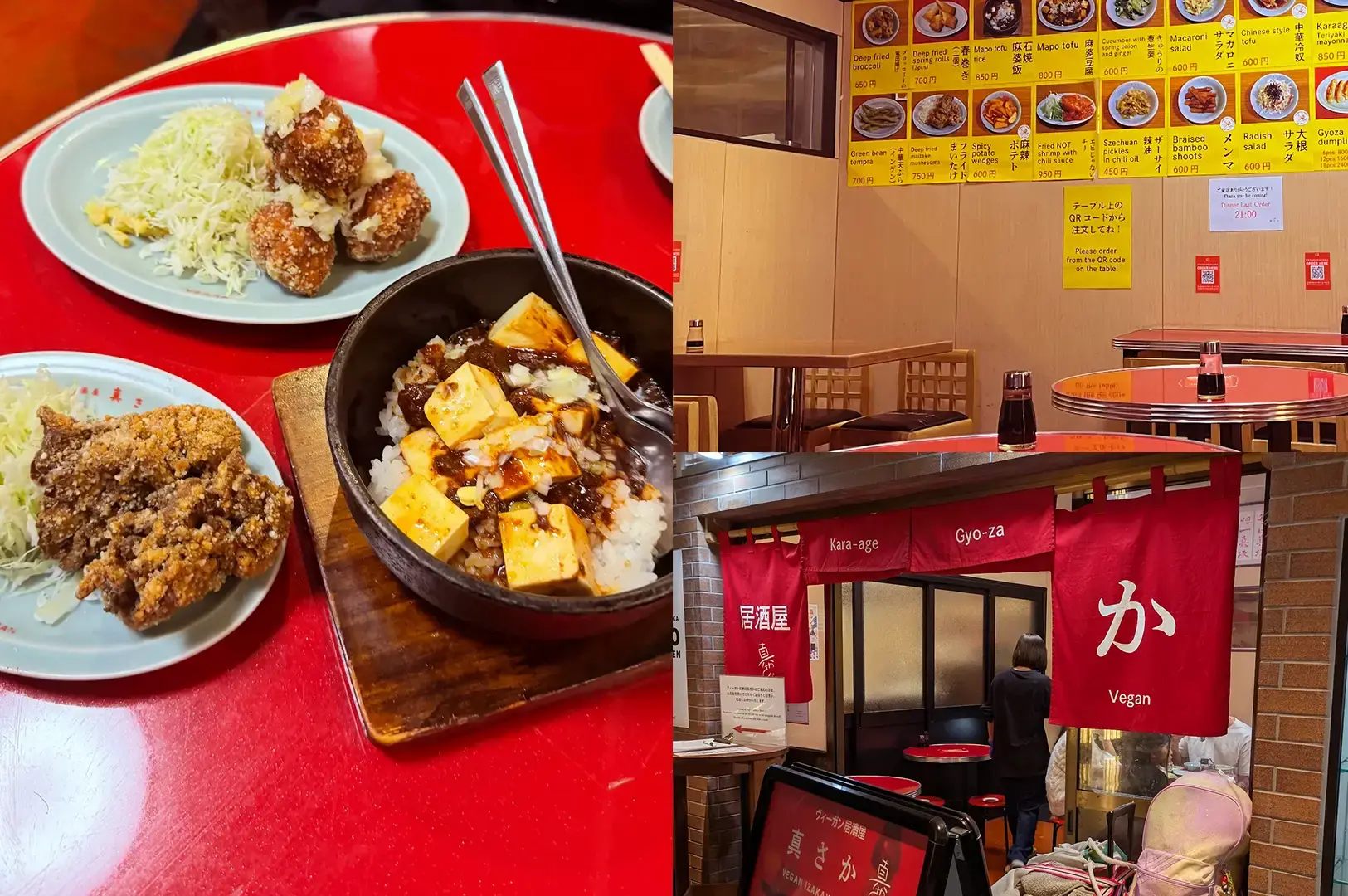
Where to find it: Shibuya PARCO B1, around five minutes from Shibuya Station.
What I’d spend: Current dinner budgeting sits around ¥2,000 to ¥2,999 per person. Karaage is ¥750 for four pieces, six gyoza are ¥700, twelve are ¥1,300, and the stone-pot mapo rice is ¥850.
Masaka remains one of the more useful wild cards in Shibuya.
Everything is plant-based, but the idea is not to turn izakaya food into something solemn and virtuous.
It is still fried things, dumplings, drinks, and plates designed to make you order one more round.
The signature is the soy-based karaage. Current sauce choices include Sichuan mala, teriyaki mayo, and nanban tartar, all priced at ¥750 per plate. The gyoza use soy meat as well.
One practical caveat matters: reservations are not accepted, and the room has only 27 seats.
Who I’d bring without hesitation: Vegans, vegetarians, and groups where nobody wants dietary requirements to dominate the evening.
Not its strongest case: Someone coming specifically for sashimi, charcoal-grilled chicken, or a deep sake list.
What I’d put down first: One plate of karaage and one plate of gyoza. You understand what Masaka is trying to do almost immediately.
10. Yamariki, Morishita: Old Tokyo Without the Costume and a Smooth Finish
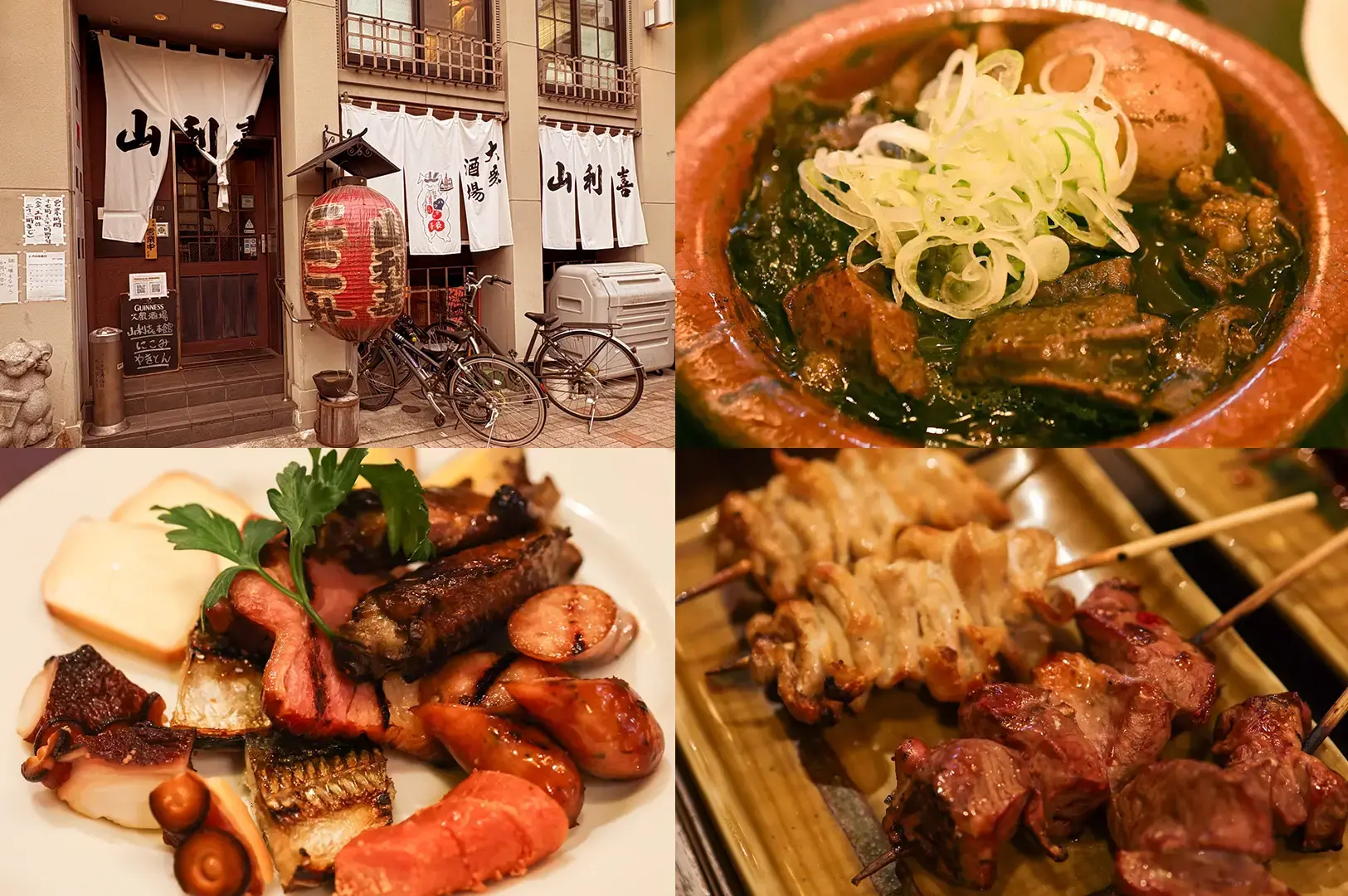
The journey ends here: Morishita Station, with the restaurant only about 69 metres from the station via the A4 side.
What I’d put aside: Around ¥3,000 to ¥3,999 per person is the current reported spend, plus a ¥275 otoshi.
Yamariki is the one I would save until you are ready to leave the familiar Shibuya-Shinjuku-Ginza orbit.
It opened in 1925, which means it has now crossed the century mark, and it still belongs very clearly to the drinking culture of Morishita rather than to someone’s idea of retro Tokyo.
This is closer to a taishu sakaba than a polished modern izakaya: offal, skewers, drinks, conversation, and a room whose history does not need explaining to you every five minutes.
Its motsu nikomi is the dish most closely associated with the place, so that is where I would begin.
I would be careful about quoting old individual menu prices here because some menu records circulating online are clearly historical. The current, more dependable figure is the restaurant’s ¥3,000 to ¥3,999 typical dinner spend, rather than pretending a decade-old dish price is today’s price.
That, to me, is more useful information anyway.
Who should make the trip: Repeat visitors, drinkers interested in Tokyo’s older sakaba culture, and people who genuinely enjoy offal.
Who might struggle with it: Anyone expecting polished tourist service, extensive English guidance, or a sleek room.
The way I’d start: Nikomi, a few skewers, and a drink. Give the room time to become the evening.
So, Which Tokyo Izakaya Would I Actually Choose?
It depends almost entirely on the night.
If I wanted the meal itself to be the occasion, Kotaro would be first in my mind. Narukiyo is the more unpredictable choice when I want an evening with some edges left on it.
For seafood, I would choose differently depending on company. Shin Hinomoto gives you the rumble-under-the-tracks Tokyo night; Uoshin is casual and fish-obsessed; Kaikaya by the Sea is the easiest recommendation for someone newly arrived in the city.
For fire and skewers, Jomon is where I want the grill in front of me, while Toritake is where I go when old Shibuya atmosphere matters as much as dinner.
If the bottle matters, Sake no Ana gives the drink enough room to become part of the meal rather than an accessory to it.
And then there are the two I would choose specifically because they change the shape of the list: Masaka, where plant-based eating still feels properly izakaya-like, and Yamariki, where a century of Tokyo drinking culture sits quietly behind the counter in Morishita, best experienced with a bowl of nikomi, a simple drink, and no rush to be anywhere else.