Chefs don’t treat curry as a highlight — they treat it as a finish.
This runs against how most diners approach Japanese curry. It is often seen as a standalone meal: rich, filling, and central to the dining experience. However, in many izakaya settings, curry plays a different role. It appears later in the meal, often after multiple rounds of drinks and small plates.
Understanding this shift helps explain why izakaya curry tastes and feels different from the versions served in dedicated curry restaurants.
Curry as a Closing Dish
In traditional izakaya dining, meals are not structured around a single main course. Instead, dishes are ordered gradually and shared across the table. The experience builds in stages — starting with lighter items and progressing toward more substantial dishes.
Within this structure, certain dishes are commonly positioned at the end of the meal. Rice bowls, noodles, and ochazuke (rice with tea or broth) are typical examples. These dishes serve as a transition point, helping diners conclude the meal in a balanced way.
Japanese curry often fills a similar role.
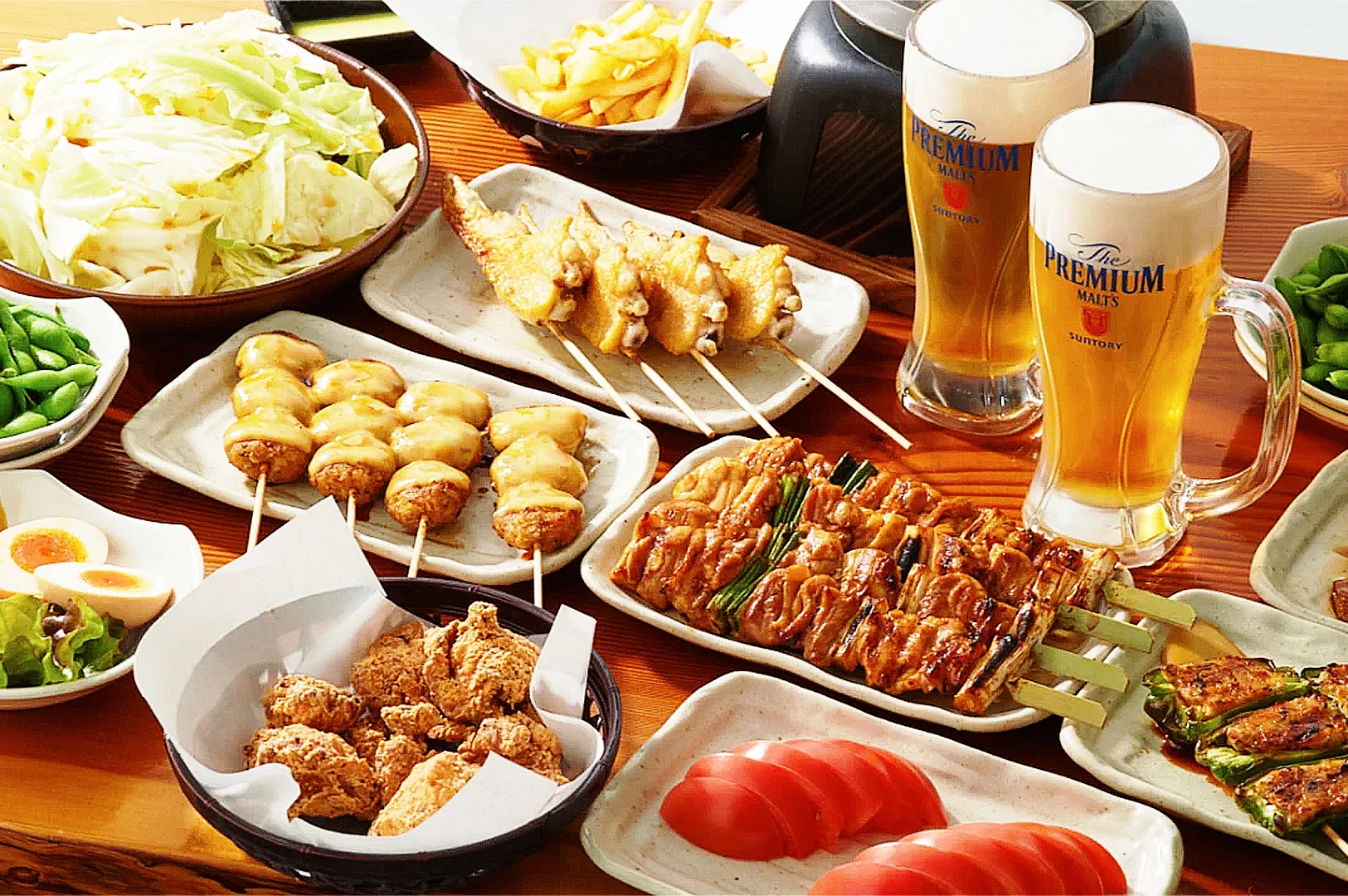
Rather than being introduced early, it is ordered later, when the table has already moved through skewers, fried items, and drinks. At this stage, diners are not looking for intensity or novelty. They are looking for something stable and satisfying.
Adjusting Richness for Late-Night Dining
Curry is naturally rich. It contains a combination of fats, spices, and slow-cooked ingredients that create depth and body. In a standard setting, this richness is part of its appeal.
In an izakaya, however, chefs often adjust the profile.
After multiple dishes and drinks, a heavy curry can feel overwhelming. To avoid this, kitchens may control thickness, salt levels, and overall intensity. The goal is to ensure the curry remains comforting without dominating the palate.
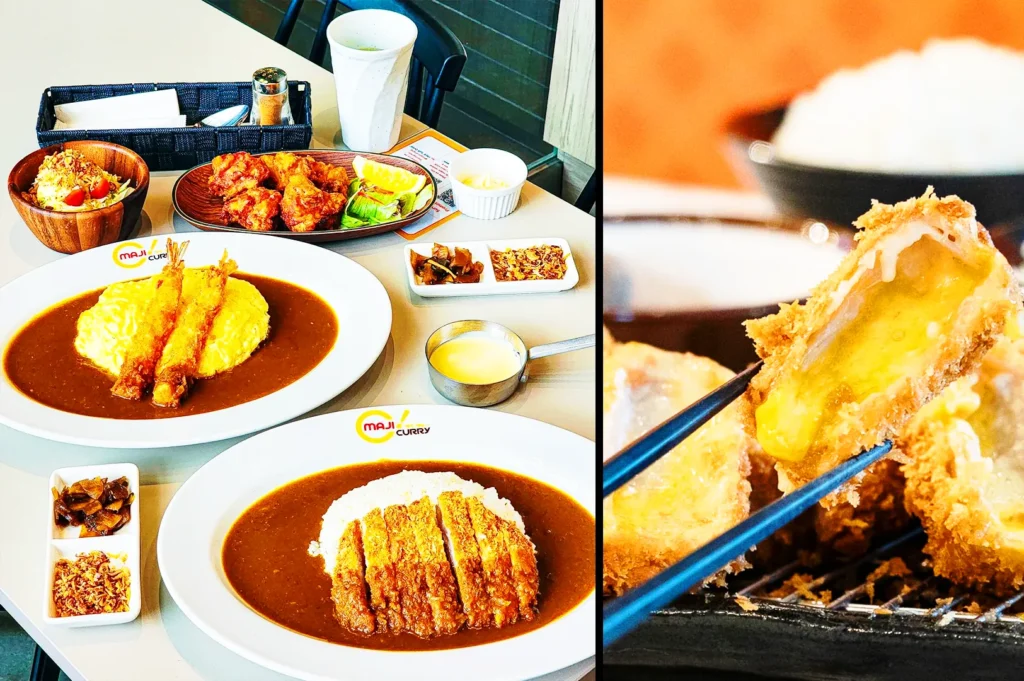
This approach aligns with broader izakaya principles. Dishes are designed to support the flow of the evening rather than interrupt it. Even at the final stage, balance remains the priority.
Functional Role: Settling the Stomach
Beyond flavor, curry also serves a practical function.
After alcohol consumption, diners often seek foods that provide warmth and substance. Curry, with its combination of carbohydrates, fats, and mild spice, meets this need effectively. It is easy to eat, consistent in texture, and filling without requiring large portions.
This is similar to the role of ochazuke, which is traditionally consumed at the end of a meal to provide closure. Both dishes offer a sense of completion, helping diners transition from active dining to a more settled state.
For this reason, curry is often recommended by staff when diners are undecided about a final order.
Supporting the Overall Meal Structure
In izakaya service, pacing is a key consideration.
Early dishes are typically lighter and faster to prepare, part of a broader structure supported by the wide variety found in izakaya menus; something explained in why izakaya menus tend to be so extensive. Mid-meal items add variety in texture and flavor. Final dishes, including curry, are designed to conclude the experience without extending it unnecessarily.
Curry fits this structure effectively.
It is usually served in moderate portions, ensuring that diners can finish comfortably without disrupting the balance of the meal. Its familiarity also reduces decision fatigue at the end of the night, when diners are less inclined to explore complex options.
Reference in Professional Practice
This approach is consistent with how Japanese chefs describe the role of rice-based dishes in izakaya dining.
Chef Yoshiteru Ikegawa of Torishiki in Tokyo, widely regarded for his yakitori expertise, has emphasized in interviews that meals should be paced to match the diner’s progression. While Torishiki itself does not center on curry, the broader principle applies: dishes introduced later in the meal should stabilize rather than intensify the experience.
In many izakayas, curry fulfills that stabilizing role.
Reframing the Role of Curry
For diners accustomed to treating curry as a main dish, this perspective requires a shift.
In an izakaya, curry is not designed to lead the meal. It is designed to conclude it. Its value lies not in standing out, but in bringing the evening to a controlled and satisfying finish.
This distinction explains why the curry ordered at the end of the night often feels more appropriate — and more memorable — than if it had been served at the beginning.
Final Outlook
The placement of curry within an izakaya meal is not incidental. It reflects a broader approach to dining that prioritizes pacing, balance, and continuity.
By the time curry is served, the structure of the meal is already complete. What remains is not to introduce something new, but to bring the experience to a close.
In that context, the final dish matters more than it first appears.
The way curry brings a meal to a close mirrors the broader rhythm of izakaya dining, a pattern you’ll notice across bestizakaya.com.sg.