We hear this all the time.
Someone glances at an izakaya menu: skewers, small plates, fried bites—and shrugs: “So it’s basically bar snacks, right?”
At first glance, it’s an easy assumption to make. The dishes are small. Drinks arrive quickly. Plates show up throughout the night instead of all at once.
But after enough nights spent in izakayas, we’ve learned something important: what looks like casual snacking is actually a very deliberate way of dining.
Izakaya food isn’t random.
It’s built around how people actually spend an evening together.
Drinking Culture Comes First
To understand izakaya food, we have to start with the drink.
In Japan, izakayas evolved as places where people gathered after work to unwind. The first thing ordered at the table was almost always alcohol—beer, sake, or a highball. Food followed gradually.
That order shaped the entire style of cooking.
Dishes had to work with drinks rather than overpower them. They needed to be flavorful, satisfying, and easy to share without making anyone feel too full too quickly.
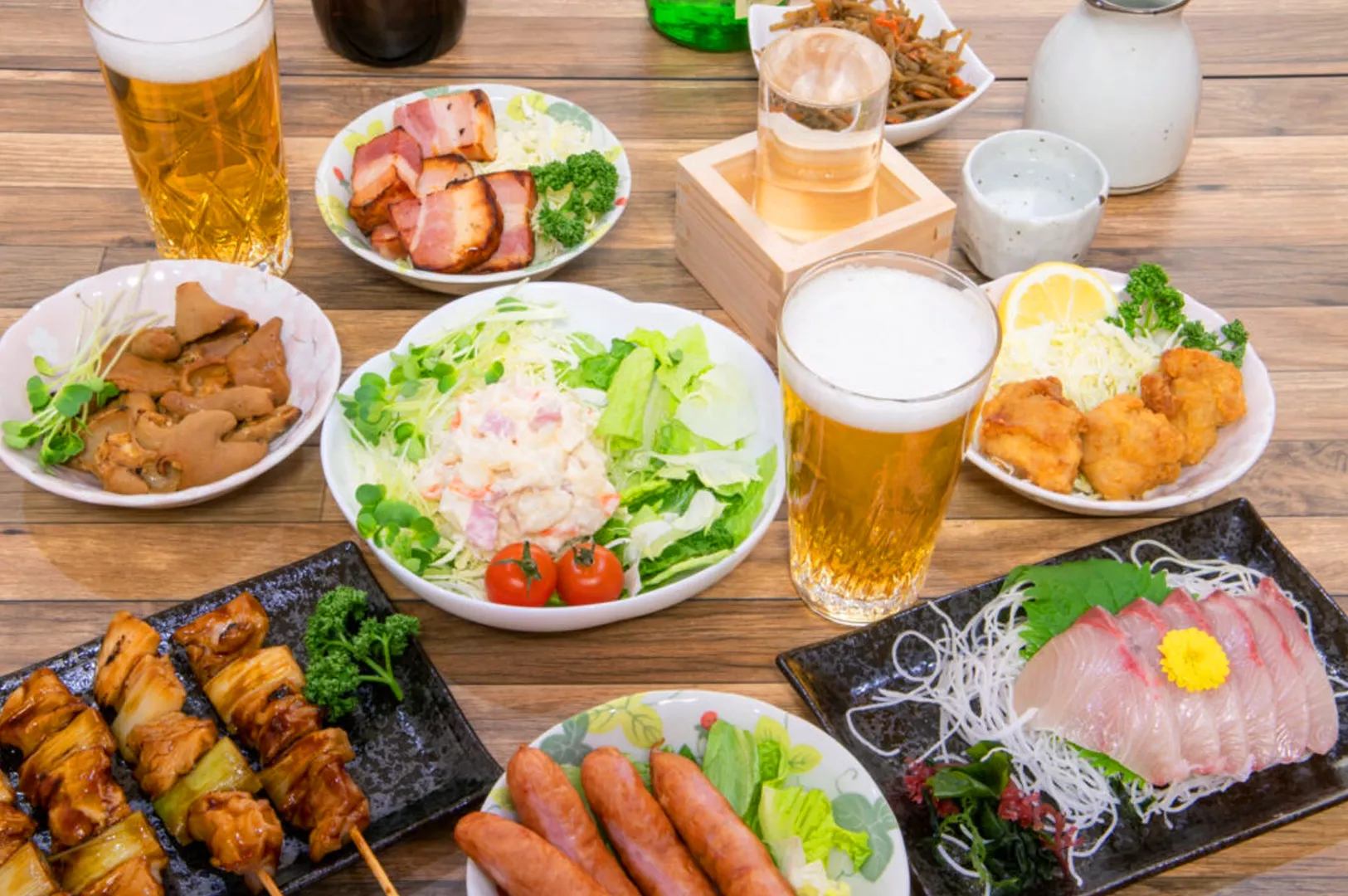
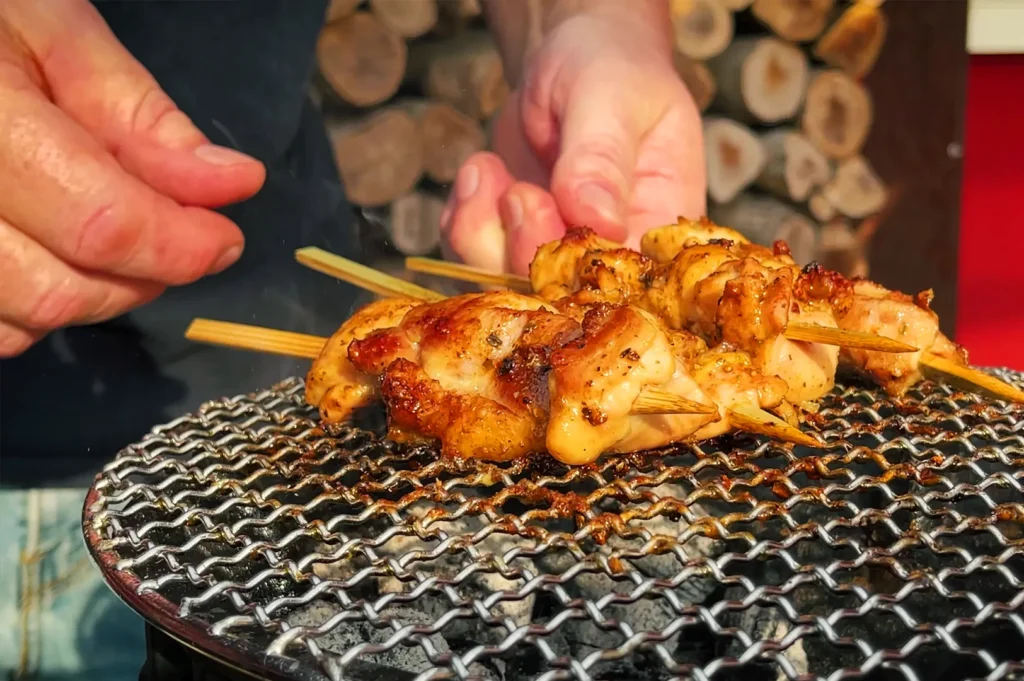
That’s why izakaya menus are full of salt-forward, umami-rich dishes: grilled skewers brushed with tare, crispy karaage, soy-glazed fish, lightly pickled vegetables.
Each bite encourages the next sip.
The food keeps the drinks flowing, and the drinks keep the table lively.
The Menu Is Designed for Exploration
Another thing we often notice when opening an izakaya menu is how long it is.
Dozens of dishes. Sometimes more.
That isn’t poor editing—it’s intentional.
Izakayas are designed for repeat visits and flexible ordering. Instead of committing to one main course, we build the meal gradually depending on mood, company, and appetite.
One night we might lean heavily into yakitori and sake. Another night we order sashimi, vegetables, and something fried halfway through.
The variety gives the table freedom.
The experience becomes something we assemble together rather than something predetermined by the kitchen.
The Rhythm of the Table
If we pay attention during a good izakaya meal, something else becomes clear: the food rarely arrives all at once.
Instead, it arrives in waves.
A small dish might appear while drinks are being poured. Soon after, the first skewers come off the grill. A fried plate shows up once conversation is in full swing. Later in the evening, someone orders fried rice or noodles almost instinctively.
This pacing mirrors how the night unfolds.
We talk, drink, eat, pause, and repeat. The table never feels overloaded, but it never feels empty either.
In many ways, the kitchen is quietly guiding the rhythm of the evening.
Small Plates, Serious Craft
Calling izakaya dishes “snacks” also ignores the craft behind them.
Many of the dishes look simple on the surface—skewered chicken, fried bites, grilled fish. But the techniques behind them require precision.
Yakitori chefs spend years learning how to manage charcoal heat so skewers remain juicy while the outside develops the right char. Frying karaage requires balancing crispness and lightness. Even humble dishes like tamagoyaki or potato salad demand careful seasoning.
Simplicity in izakaya cooking isn’t laziness.
It’s restraint.
More Than Something to Nibble On
So yes, the plates are small.
But they’re not filler between drinks.
Each dish exists to support the rhythm of the table—to keep conversation going, drinks flowing, and the evening stretching just a little longer than planned.
What we’re eating isn’t just a collection of bar snacks.
It’s a dining style built around shared moments, careful pacing, and the quiet craft that defines a great izakaya night.