The Hidden Logic Behind Every Izakaya Meal
“Let’s just order everything.”
That’s usually how it starts.
Someone grabs the menu. Another person waves down staff. Skewers, sashimi, karaage, maybe a random salad to feel responsible. Ten minutes later, the table looks like we made decisions using a dartboard.
It feels spontaneous. Chaotic. A little reckless.
But here’s the truth:
At a proper izakaya, the order of dishes is never random.
It only feels that way because you’re following a rhythm you don’t realise exists.
Izakaya Isn’t Built Around Eating
Most of us are used to meals that follow a structure based on hunger.
Starter. Main. Dessert.
That progression is about fullness.
Izakaya culture, however, was never built around eating first. It was built around drinking.
The word “izakaya” literally refers to a place where you stay and drink. Food came later, as accompaniment. That detail changes everything about how dishes are paced.
In traditional izakaya culture, lighter dishes are meant to accompany early drinks. Heavier dishes appear later when alcohol has settled in. The structure mirrors the rhythm of drinking more than the rhythm of eating.
And once you see it, you can’t unsee it.
Why You Always Start Light
Think about your first order.
Beer. Highball. Maybe sake.
Your palate is still sharp. You’re coming straight from work, slightly tense. The drink is cold, crisp, and refreshing.
Now imagine starting with pork belly or garlic fried rice. It would feel heavy. Premature.
That’s why early dishes are subtle.
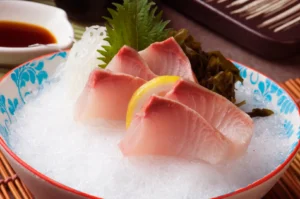
Edamame. Pickles. Chilled tofu. Sashimi. Cabbage with miso.
These are salt-forward, clean, easy bites. They enhance alcohol instead of competing with it. Salt sharpens beer. Clean sashimi pairs with chilled sake.
They don’t demand attention. They ease you in.
You’re not eating dinner yet.
You’re transitioning into the night.
The Middle Is Where Flavor Deepens
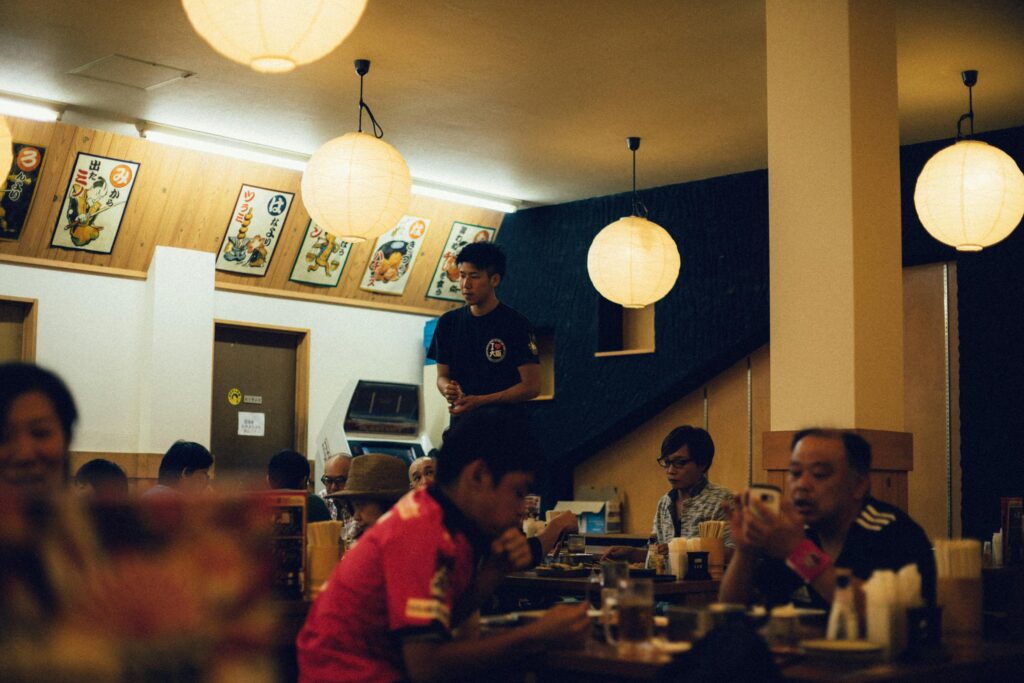
After a drink or two, conversation loosens. The table gets louder. Orders get braver.
This is when grilled dishes start dominating.
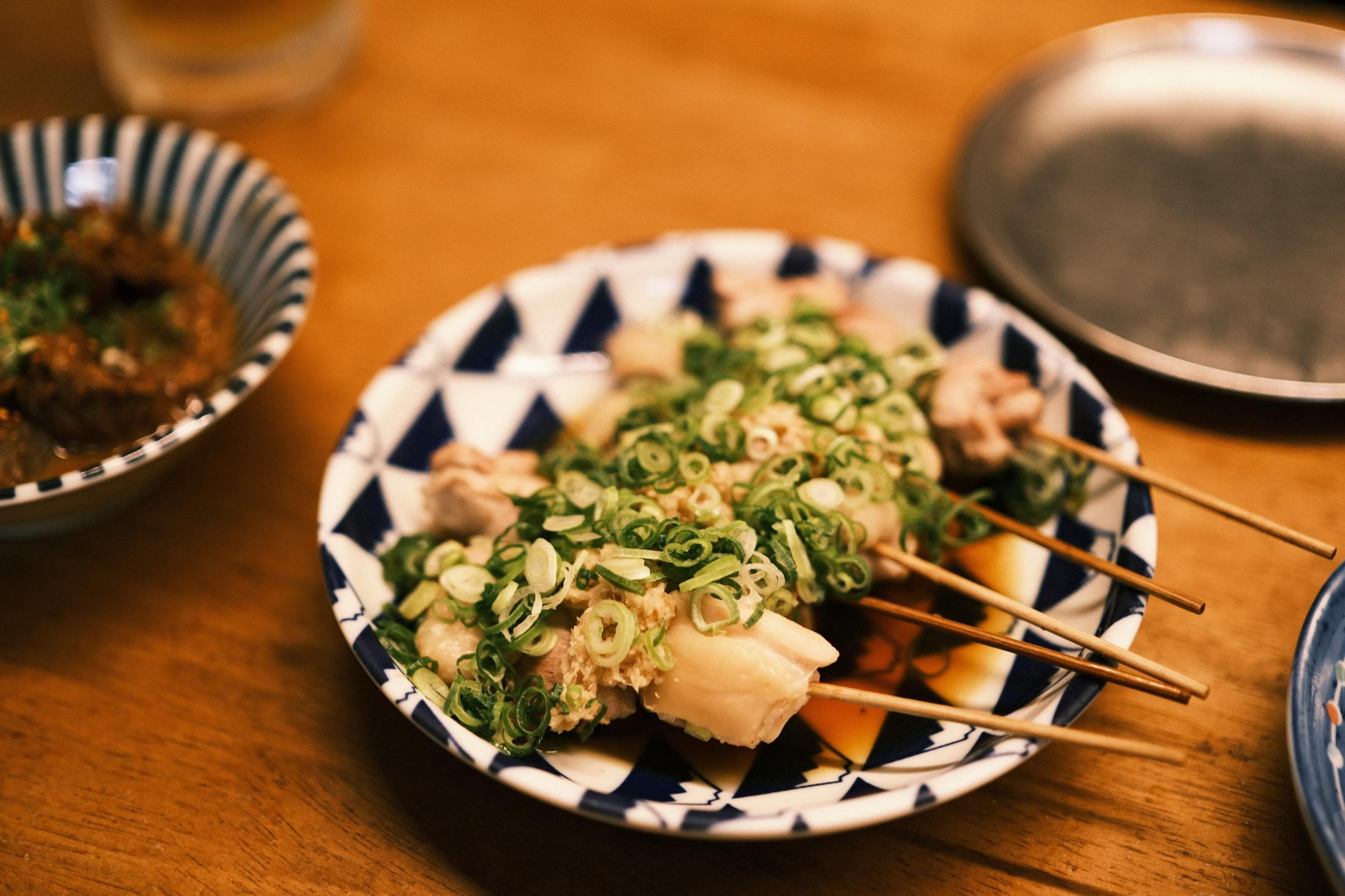
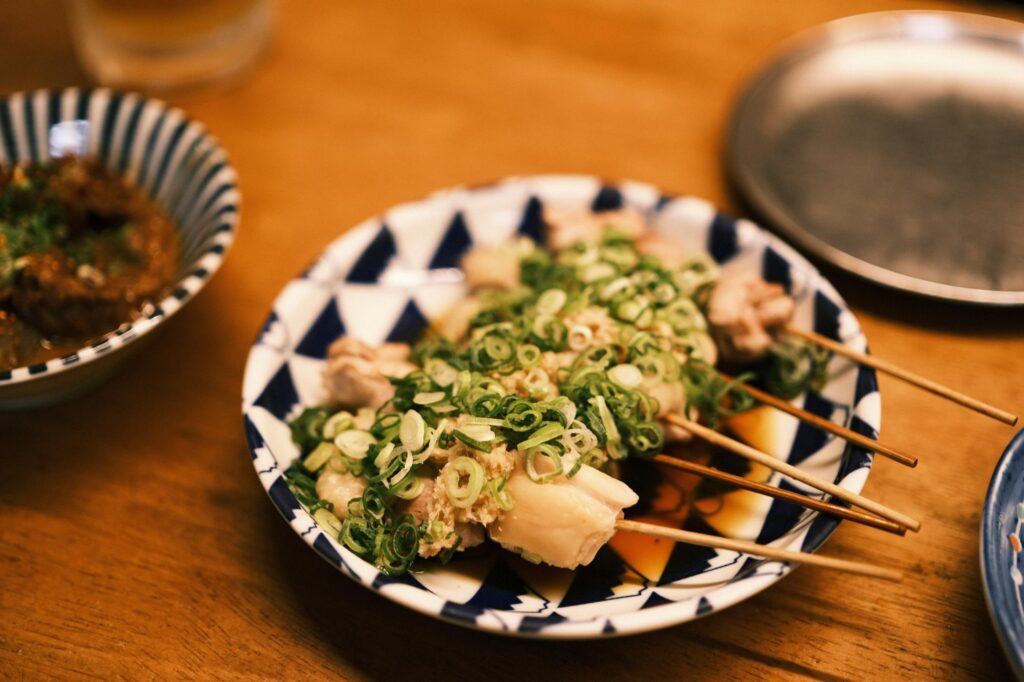
Yakitori skewers arrive in waves — and often in sequence. Leaner cuts first. Richer cuts later. Salt before sauce. It’s a subtle escalation.
By now, alcohol has softened your palate slightly. Your body can handle stronger seasoning. Smoke tastes deeper. Tare glaze feels richer.
This isn’t a coincidence.
It’s pacing.
A good izakaya kitchen reads the room. They stagger dishes intentionally so the table never feels overloaded. The meal builds gradually — like turning up the volume, notch by notch.
Fried Food Is Strategic, Not Impulsive
Karaage always feels like a spontaneous decision.
It isn’t.
Fried dishes often arrive mid-meal because that’s when you need them most. Alcohol has kicked in. Oil helps absorb it. Crunch resets the palate. It anchors the table.
Notice how karaage rarely appears as the very first dish in traditional pacing.
It shows up when the night needs structure.
Rice Comes Last for a Reason
In Western dining, rice or pasta might be the centerpiece.
In izakayas, rice and noodles close the evening.
Garlic fried rice. Ochazuke. Yakisoba.
These dishes are grounding. Comforting. Slightly heavier. They stabilize you before you leave. They signal winding down without abruptly ending the night.
It’s not dessert.
It’s a landing pad.
The Illusion of Chaos
What fascinates me most is that diners think they’re improvising.
“We’re just ordering whatever we feel like.”
Yes — but what you feel like follows a pattern shaped by alcohol, atmosphere, and centuries of social drinking culture.
Even the kitchen plays along. They pace skewers based on your drinks. They delay heavier items if you’re still on your first round. They sense when to send rice.
It’s choreography disguised as spontaneity.
So the next time your izakaya table looks like a beautiful mess of plates arriving at different intervals, don’t call it random.
You’re not following a course structure.
You’re following the rhythm of the night.
And once you start noticing that rhythm — how lighter bites ease you in, how grilled dishes build depth, how fried plates anchor the middle, and how rice gently lands the evening — you begin to appreciate izakaya dining on a completely different level.
That’s exactly the kind of experience we explore at Best Izakaya Singapore: not just where to go, but how to understand what makes a truly great izakaya night work. Because when you recognise the hidden logic behind the flow, you’re no longer just eating.
You’re part of the rhythm.