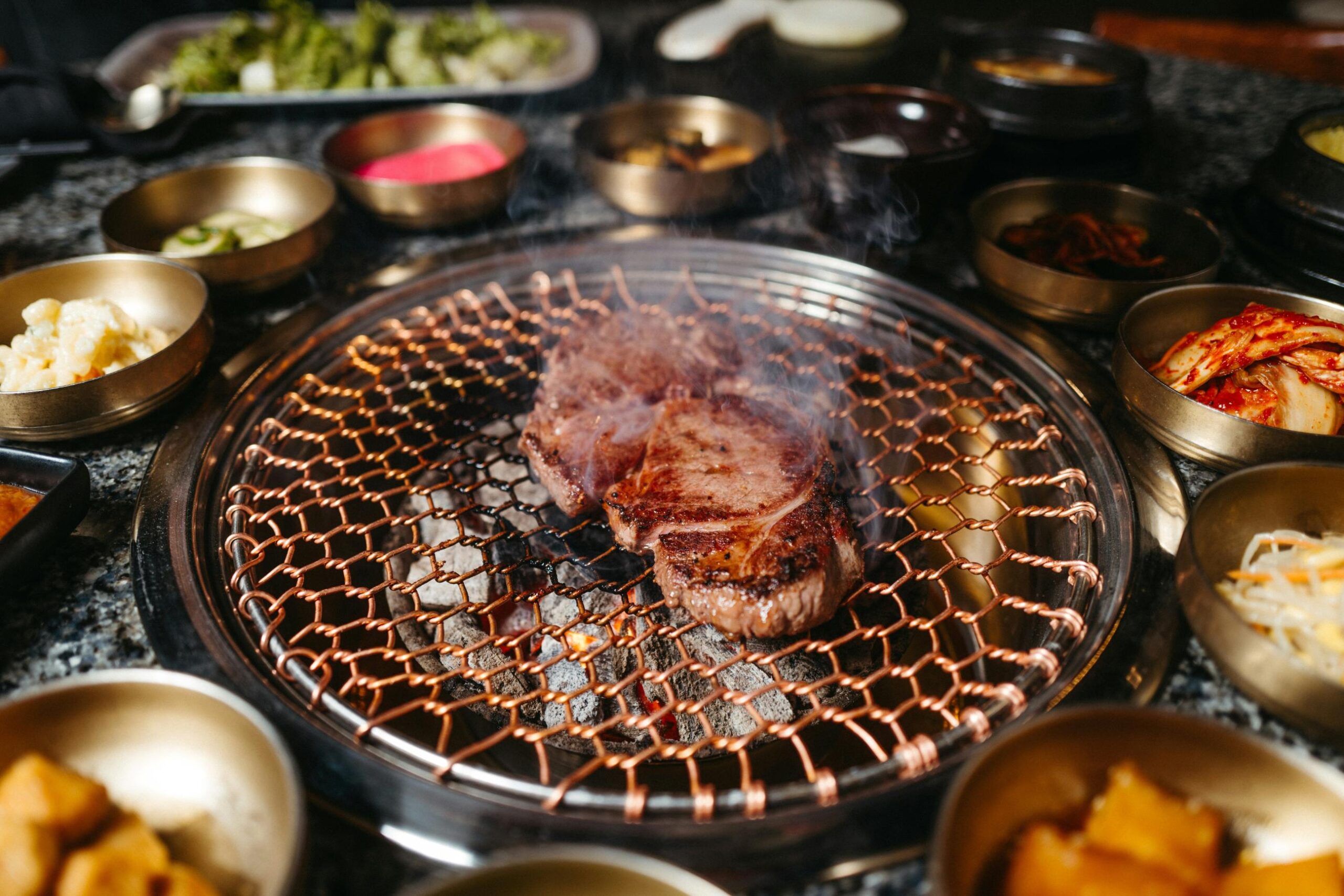
Yakiniku is an art form. It’s a celebration of premium grilled meat, a social ritual where the sizzle of the grill and the aroma of perfectly seared grilled beef fill the air, creating a multisensory experience. While the quality of the meat takes center stage, the careful selection of yakiniku condiments and dipping sauces plays an equally crucial role. These savory sides and sauces are masterfully crafted to elevate each bite, enhancing umami, balancing richness, and introducing fresh bursts of flavor. Instead of masking the taste, great yakiniku condiments—such as ponzu, garlic chips, or classic yakiniku sauce—amplify the natural essence of the meat and grilled vegetables, turning a delicious meal into an unforgettable one.
Understanding the purpose and power of yakiniku condiments is essential knowledge for anyone looking to maximize their dining experience at Singapore’s finest establishments. It’s the secret to transforming each bite from simply satisfying to truly sublime. Before we dive into the world of sauces and seasonings, if you need a refresher on the fundamentals of Japanese grilled meat, peeking at Understanding Yakiniku: Japanese Grilled Meat from Cut to Table is the perfect place to start.
If you want to learn more about Japanese cooking and discover new condiments, consider exploring our additional resources.
Introduction to Yakiniku
Yakiniku is more than just food—it’s a shared ritual centered around grilling meat and vegetables at the table. The word “yakiniku” combines “yaki” (grilled) and “niku” (meat), capturing this Japanese culinary tradition. Central to the experience is the yakiniku sauce, a blend of soy sauce, sugar, mirin, and sesame oil, which enhances the natural flavors of grilled meat and vegetables. Whether enjoyed in Japan’s finest restaurants or at home with a tabletop grill, yakiniku invites mindful dining and the joy of savoring premium cuts alongside perfectly paired condiments.
The Philosophy Behind Yakiniku Condiments
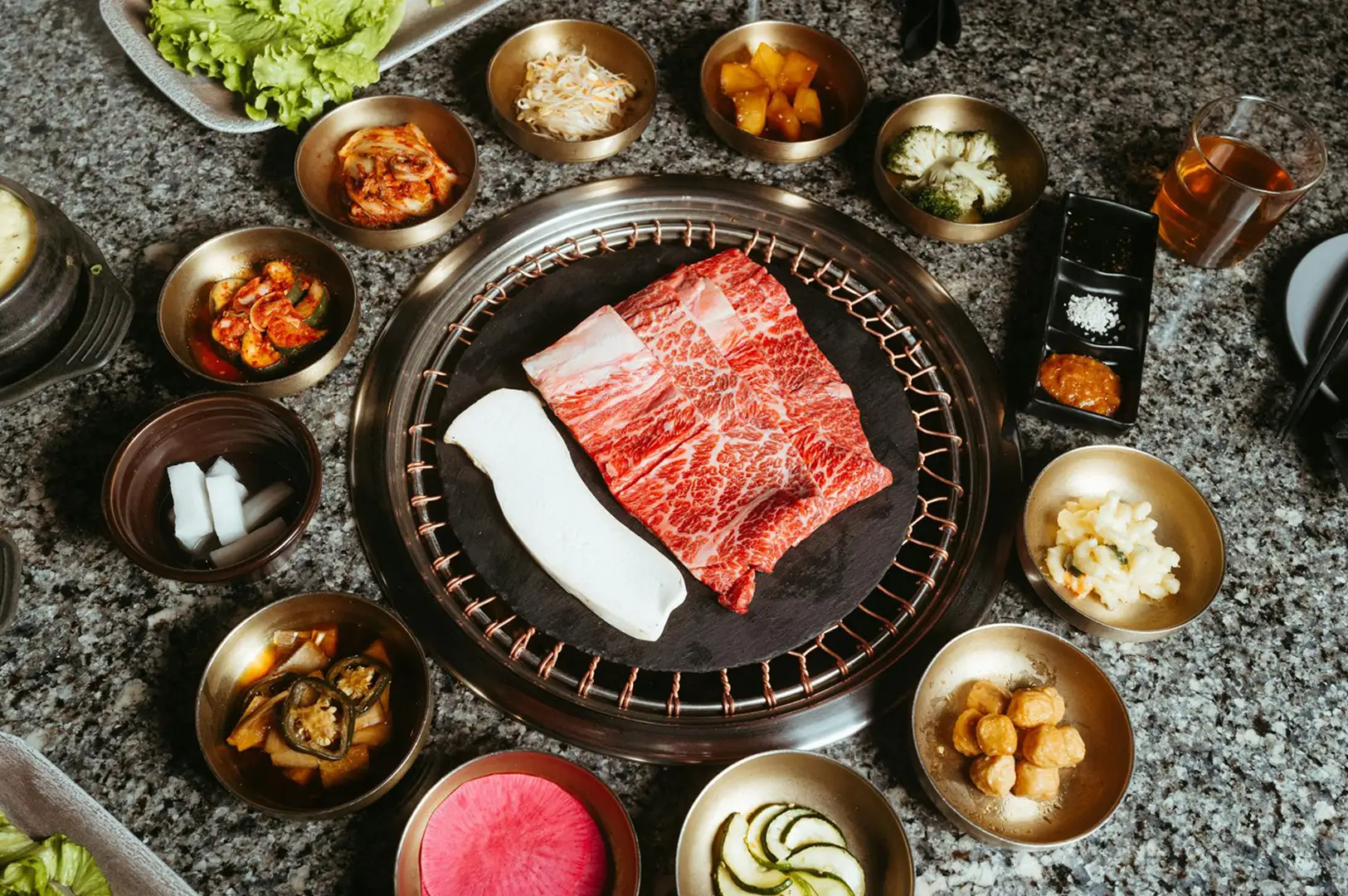
Japanese culinary philosophy is founded on the principle of balance, known as wa (和). It’s about respecting the integrity of each ingredient and thoughtfully employing elements like yakiniku condiments, dipping sauce, and yakiniku sauce to bring out their best qualities. In this tradition, yakiniku condiments are never heavy-handed sauces meant to cover up flaws; rather, they play a harmonious supporting role. Each seasoning, from a subtle dipping sauce to a punchy yakiniku sauce, is carefully selected to enhance umami, elevate the natural depth of meat and vegetables, and maintain the savory essence that makes grilled beef and other dishes in Japan so remarkable.
Cutting Richness: Tangy, acidic condiments slice through the buttery richness of fatty cuts, preventing palate fatigue.
Adding Brightness: A touch of citrus or a fresh herb can lift the deep, savory notes of the meat, making the flavors pop.
Providing Texture: Crispy, crunchy elements add another layer of sensory enjoyment to the tender meat.
Intensifying Umami: Certain ingredients amplify the inherent savory deliciousness of the meat, creating a deeper, more complex flavor profile.
Ponzu Sauce: The Citrus-Umami Masterpiece
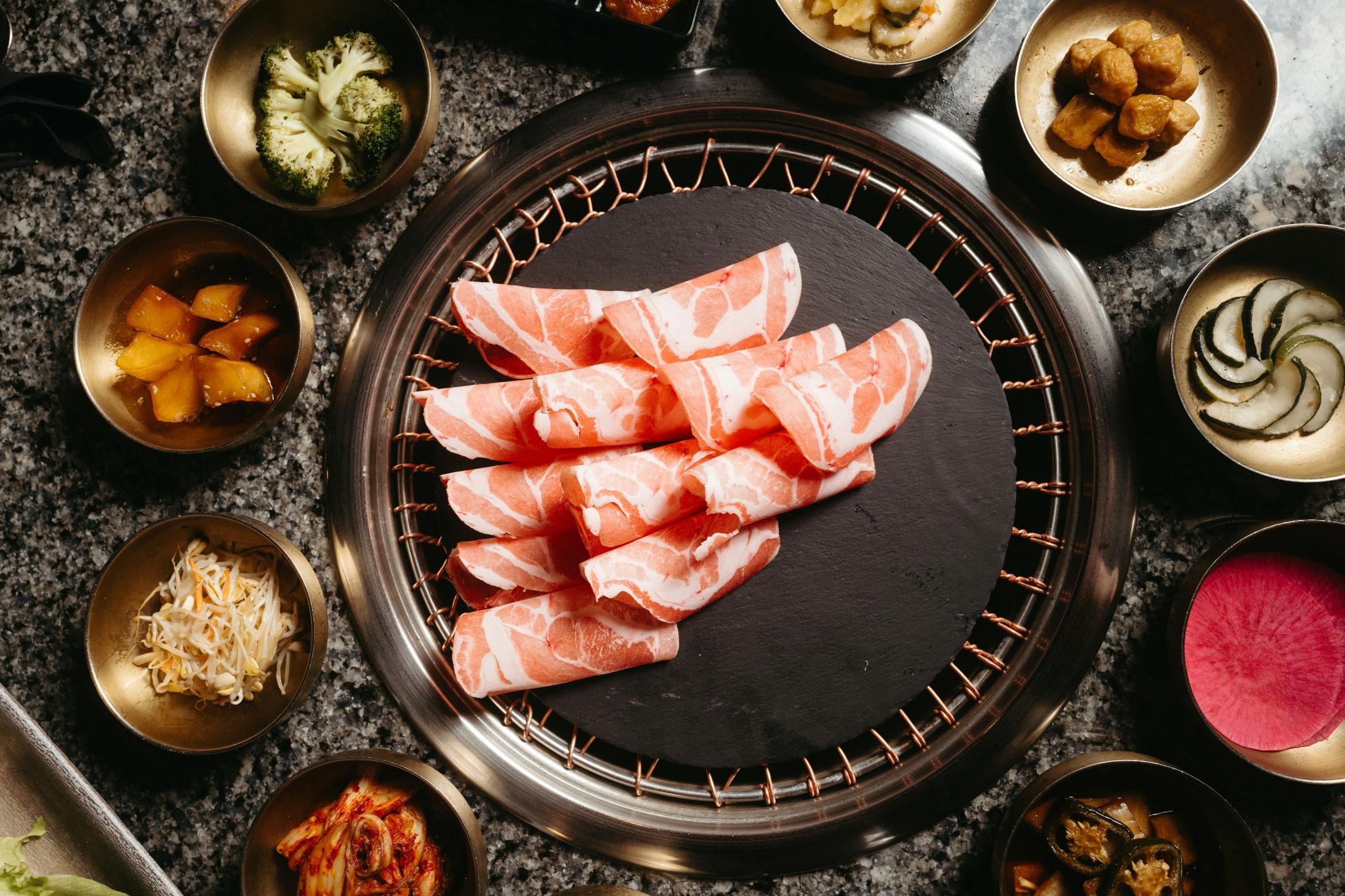
If there is one quintessential yakiniku condiment for grilled foods in Japan, it’s ponzu sauce—a staple yakiniku sauce found on nearly every yakiniku table. This versatile dipping sauce exemplifies balance, masterfully blending savory and tangy notes to create something truly special. Built from a foundation of soy sauce and brightened with Japanese citrus juice, ponzu sauce does more than add flavor; it transforms both grilled beef and vegetables, cutting through richness with zest while enhancing the umami of each bite. The subtle touch of citrus juice combined with the depth of soy sauce turns ponzu into the ideal partner for grilled meat or seafood, and it is also an excellent dipping sauce or marinade for fish, ensuring every piece you dip is packed with invigorating, palate-awakening flavor.
What is Ponzu Sauce?
Ponzu is a citrus-based sauce, and its foundation is typically a mix of soy sauce (shoyu), rice vinegar, and mirin. Some recipes also include water to adjust the sauce’s consistency or flavor, ensuring a balanced liquid base. What makes it magical is the addition of Japanese citrus juice. Common varieties include:
Yuzu: Highly aromatic with a distinct floral and tart flavor.
Sudachi: A small, green citrus with a sharp, lime-like tang.
Kabosu: Similar to yuzu but slightly less acidic and more herbaceous.
The resulting ponzu sauce yakiniku is a bright, refreshing, and deeply savory liquid that awakens the palate. Its acidity is perfect for cutting through the richness of heavily marbled meat, allowing you to enjoy more without feeling overwhelmed.
Ideal Pairings and Pro Tips
Fatty Cuts: Ponzu is the perfect counterpoint to rich cuts like Karubi (short rib) or Tontoro (pork jowl).
Tongue (Tan): The clean, springy texture of beef tongue is beautifully complemented by the bright notes of ponzu.
Seafood: A dip in ponzu enhances the natural sweetness of grilled prawns, scallops, or squid.
Pro Tip: Many high-end yakiniku restaurants make their own ponzu. Some even add a bit of dashi (broth) for extra umami or serve it with grated daikon radish (daikon oroshi) to create “ponzu oroshi,” adding a mild, peppery bite. If you prefer a thicker, more textured dip, you can leave the grated daikon in the ponzu sauce.
Garlic Chips: Crunchy Aromatic Enhancement
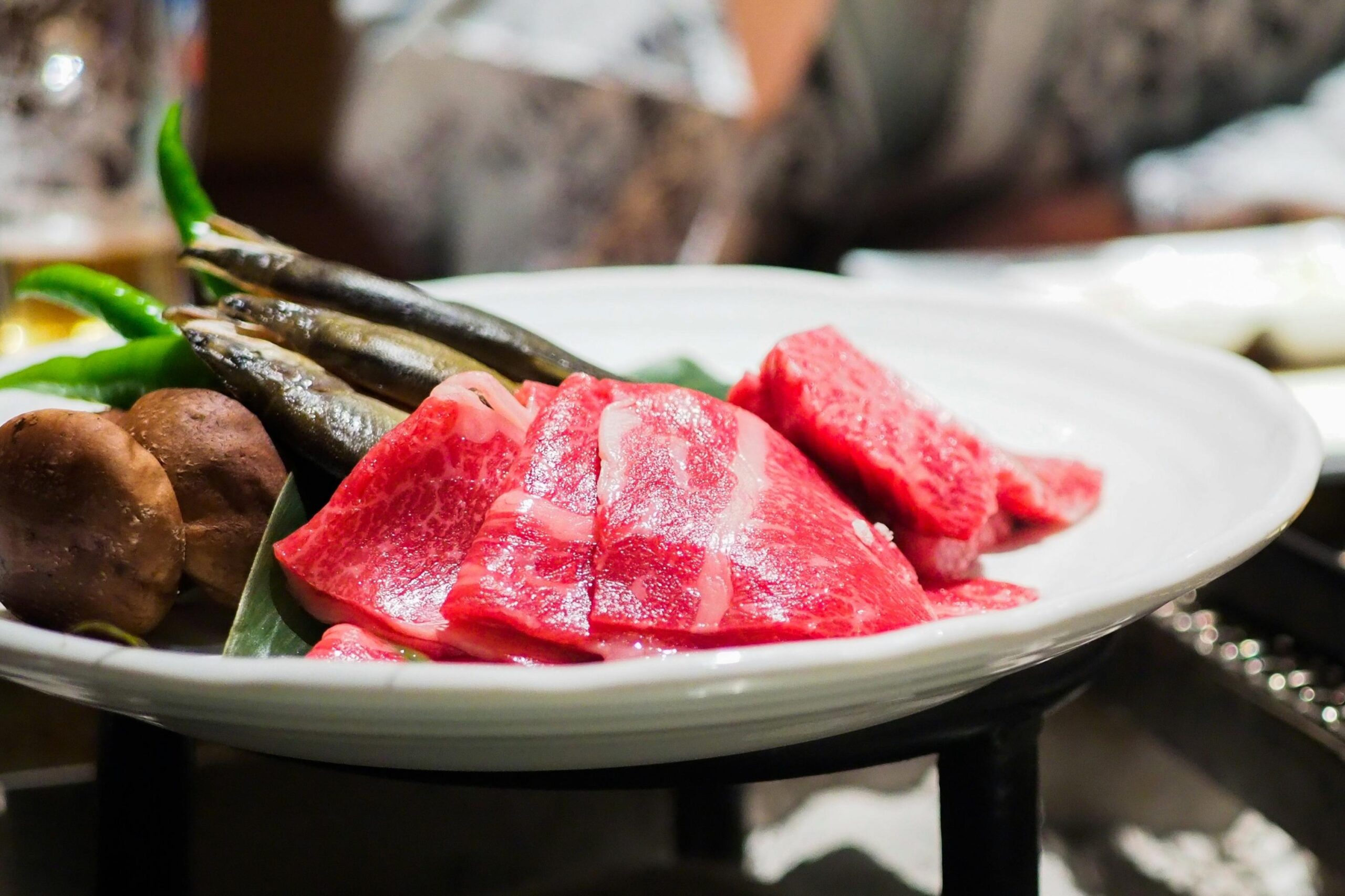
Simple yet brilliant, fried garlic chips are a textural game-changer in the world of yakiniku condiments, especially when enjoyed alongside grilled beef or other expertly prepared grilled meat.
Preparation and Purpose
Thin slices of garlic are slowly fried in oil until they are golden brown and perfectly crisp. This process mellows the raw, pungent bite of the garlic, transforming it into a nutty, aromatic, and savory crunch. The benefits are threefold:
Textural Contrast: The crispiness of the chips against the tender, yielding meat creates an incredibly satisfying mouthfeel.
Aromatic Depth: The toasted garlic aroma adds a fragrant layer that enhances the overall flavor experience.
Visual Appeal: The golden flakes sprinkled over a beautifully seared piece of meat are visually stunning.
Usage and Best Pairings
For the best experience, place a piece of grilled meat on your rice and sprinkle a few garlic chips on top just before taking a bite. This preserves their crunch. They pair exceptionally well with premium cuts like ribeye or sirloin, where the simple, clean flavor of the beef allows the garlic’s aroma to shine.
Grated Daikon: The Palate Cleanser
Daikon oroshi, or grated daikon radish, is the unsung hero of the yakiniku condiments family—an essential companion for dipping sauce lovers and grilled meat enthusiasts alike. This mound of white, snowy radish shows up on the yakiniku table to work its quiet magic in several important ways. Whether enjoyed alone, blended gently into a tangy dipping sauce, or served atop luscious grilled meat, grated daikon’s cool, refreshing character brings out nuanced flavors in every bite and ensures your yakiniku condiments are always working in harmony. For extra flavor and texture, some people sprinkle roasted sesame seeds on grated daikon, a common practice in Japanese cuisine that enhances both taste and complexity.
The Power of Refreshment
Digestive Aid: Daikon contains natural enzymes that help dissolve fats and aid in the digestion of rich, fatty foods.
Palate Cleanser: Its mild, peppery flavor and juicy texture effectively refresh your palate between different cuts of meat.
Flavor Enhancer: When mixed with ponzu or soy sauce, it absorbs the liquid and clings to the meat, delivering a burst of combined flavor.
Traditionally, a small bowl of grated daikon is provided alongside the dipping sauces. Its refreshing quality is especially welcome when enjoying heavily marbled A5 Wagyu, preventing the richness from becoming too cloying.
Fresh Lemon: Simple Brilliance
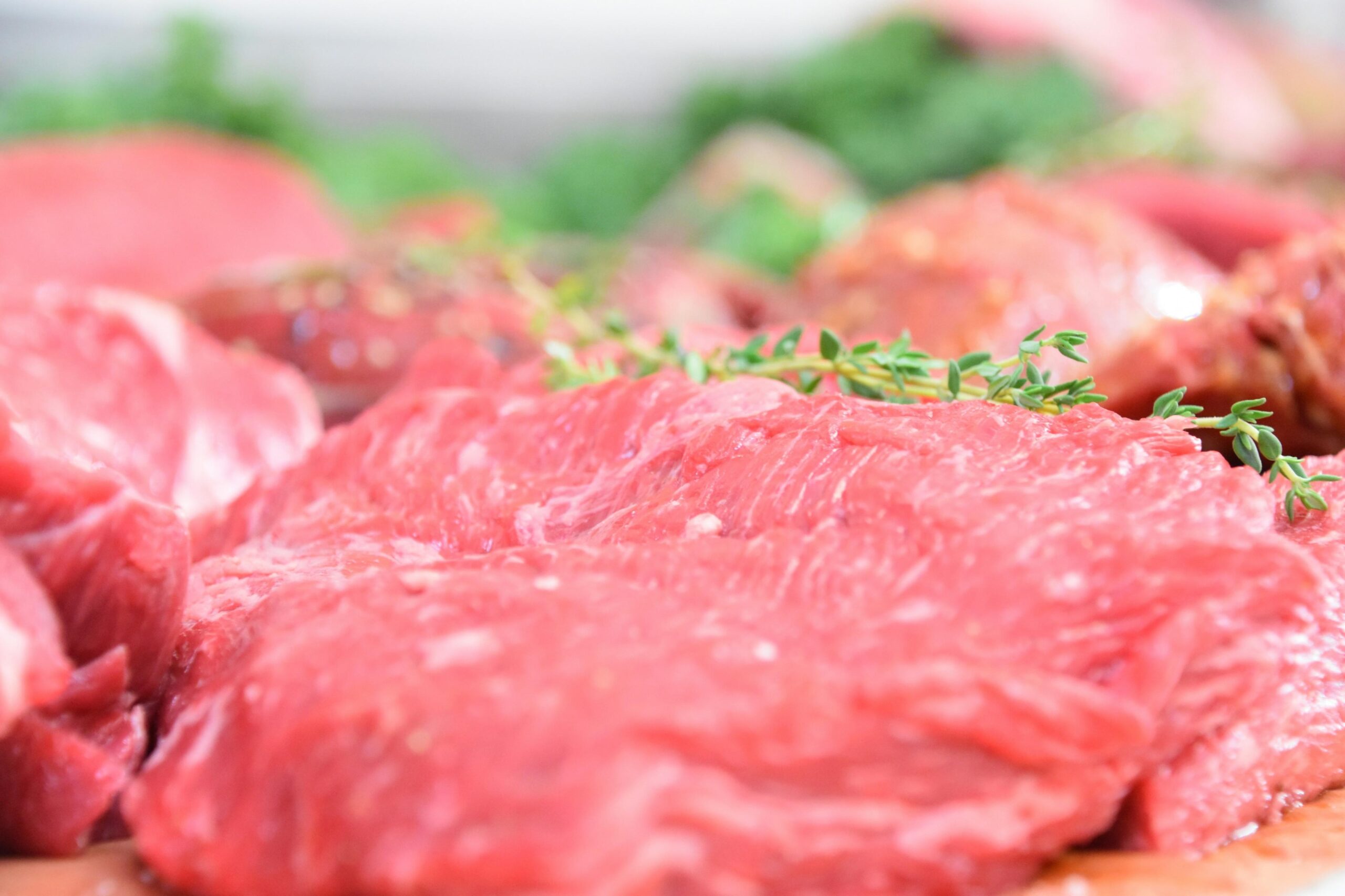
Sometimes, the simplest things are the most effective. A freshly cut wedge of lemon is a staple at any quality yakiniku restaurant for good reason—this essential condiment brings out the best in grilled meat, acting as both a refreshing dipping sauce and a natural enhancer. A typical serving of lemon at yakiniku restaurants is a wedge or slice, allowing diners to customize the amount of citrus juice they add to their food. The sharp citrus juice adds brightness and clarity, effortlessly lifting the rich flavors of beef, pork, chicken, and even grilled vegetables. Drizzling or squeezing lemon right over your piping hot grilled meat at the table is a classic Japanese approach, valued as much for its clean taste as for its versatility with a wide array of dishes.
Brightness, Versatility, and Health
Brightness: A small squeeze of lemon juice provides a sharp, acidic kick that instantly brightens the flavor of the grilled meat.
Versatility: It works with nearly everything, from lean cuts and chicken to rich pork and seafood.
Customization: It allows the diner to control the level of acidity, adding just enough to enhance without overpowering.
Health Benefit: The vitamin C in lemon also aids in the body’s absorption of iron from red meat.
For an elevated experience, some restaurants offer slices of yuzu or sudachi instead of lemon. These Japanese citrus fruits provide a more complex and aromatic citrus note that is truly amazing.
Grilled Beef Pairings: Matching Condiments to Cuts
Grilled beef is the centerpiece of any yakiniku meal, and pairing it with the right yakiniku condiments elevates its natural flavors. Thin cuts like sirloin or ribeye pair beautifully with citrus-kissed ponzu, blending bright citrus juice with savory soy sauce to balance richness. Thicker cuts such as brisket or flank steak are best complemented by a rich yakiniku sauce made from soy sauce, sugar, mirin, and sesame oil, enhancing the meat’s robust umami.
Additional condiments like wasabi add a sharp warmth, while a drizzle of sesame oil imparts a nutty aroma. Aged soy sauce also enhances grilled beef, especially when paired with grilled vegetables like asparagus, bell peppers, and onions that absorb the savory flavors.
Consider the cut’s thickness, marbling, and doneness when choosing condiments. Lean cuts benefit from light citrus brightness, while marbled pieces pair well with deeper, savory sauces. This mindful pairing creates a personalized yakiniku experience rich with flavor and variety.
Additional Yakiniku Condiments to Explore
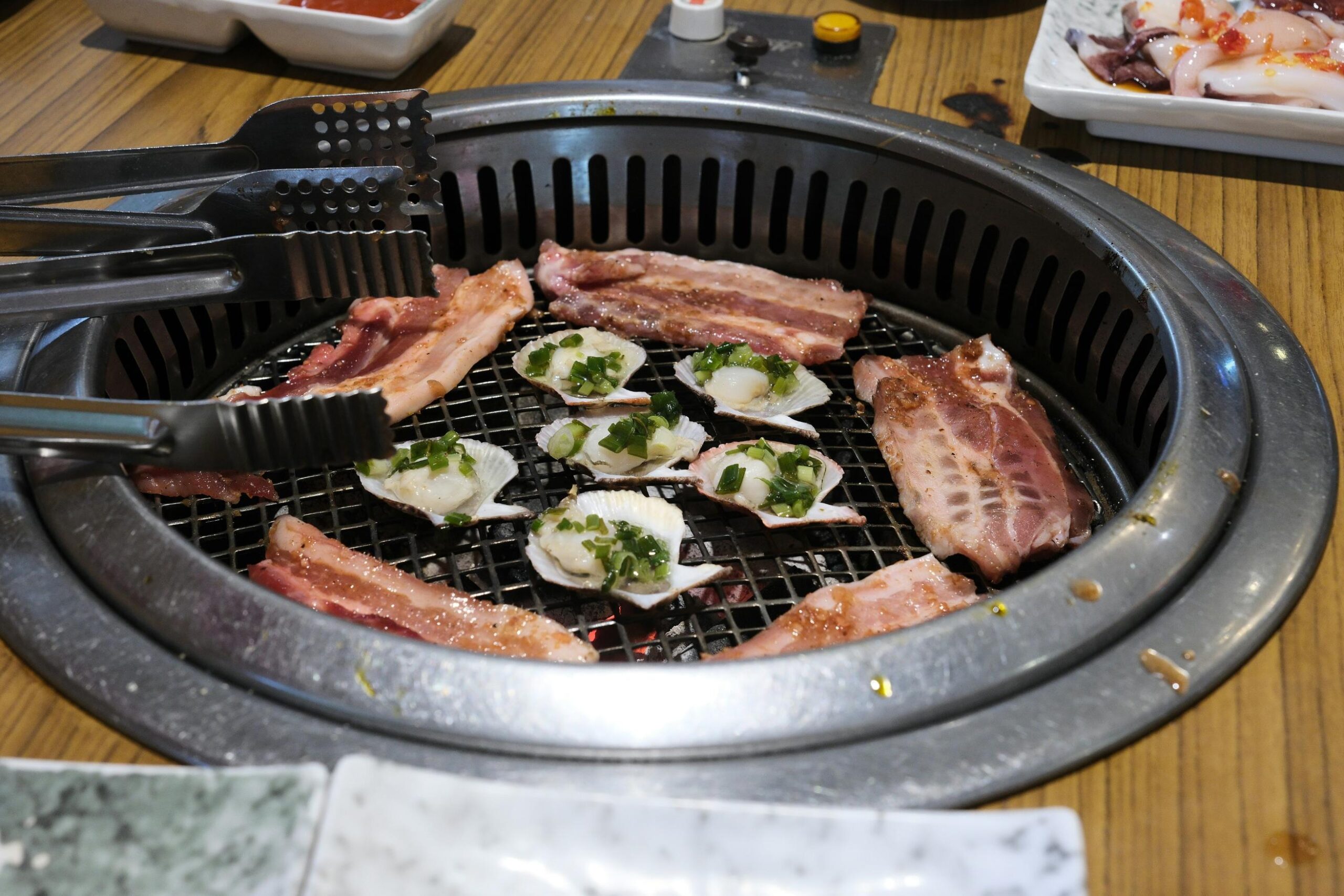
Beyond the core four, a wide array of yakiniku condiments, dipping sauces, and classic yakiniku sauces can elevate your meal. These flavorful accompaniments are designed to complement grilled meat, grilled vegetables, and even tofu, offering diners endless possibilities for customization and enjoyment.
Sesame Oil with Salt: A simple yet effective dip, often recommended for leaner cuts or organ meats to add a touch of richness and nutty flavor.
Toasted Sesame Seeds: Sprinkling toasted sesame seeds over grilled meats and vegetables adds depth and an authentic Japanese flavor, making your yakiniku experience more traditional and flavorful.
Wasabi: Real, freshly grated wasabi (not the green-dyed horseradish paste) offers a sharp, clean heat that pairs wonderfully with premium beef, cutting through the fat without lingering.
Scallions and Negi Salt: A mixture of finely chopped scallions (negi), salt, and sesame oil is a classic and hugely popular pairing for beef tongue.
Spicy Miso Paste (Kara Miso): This fermented soybean paste mixed with chili provides a complex, funky, and spicy kick that stands up well to robust cuts like Harami (skirt steak).
Yakiniku Sauce as Marinade: Yakiniku sauce is not only a delicious dipping sauce but also works excellently as a marinade for meats and vegetables before grilling, helping to tenderize and infuse them with rich, savory flavor.
How to Use Yakiniku Condiments Like a Pro
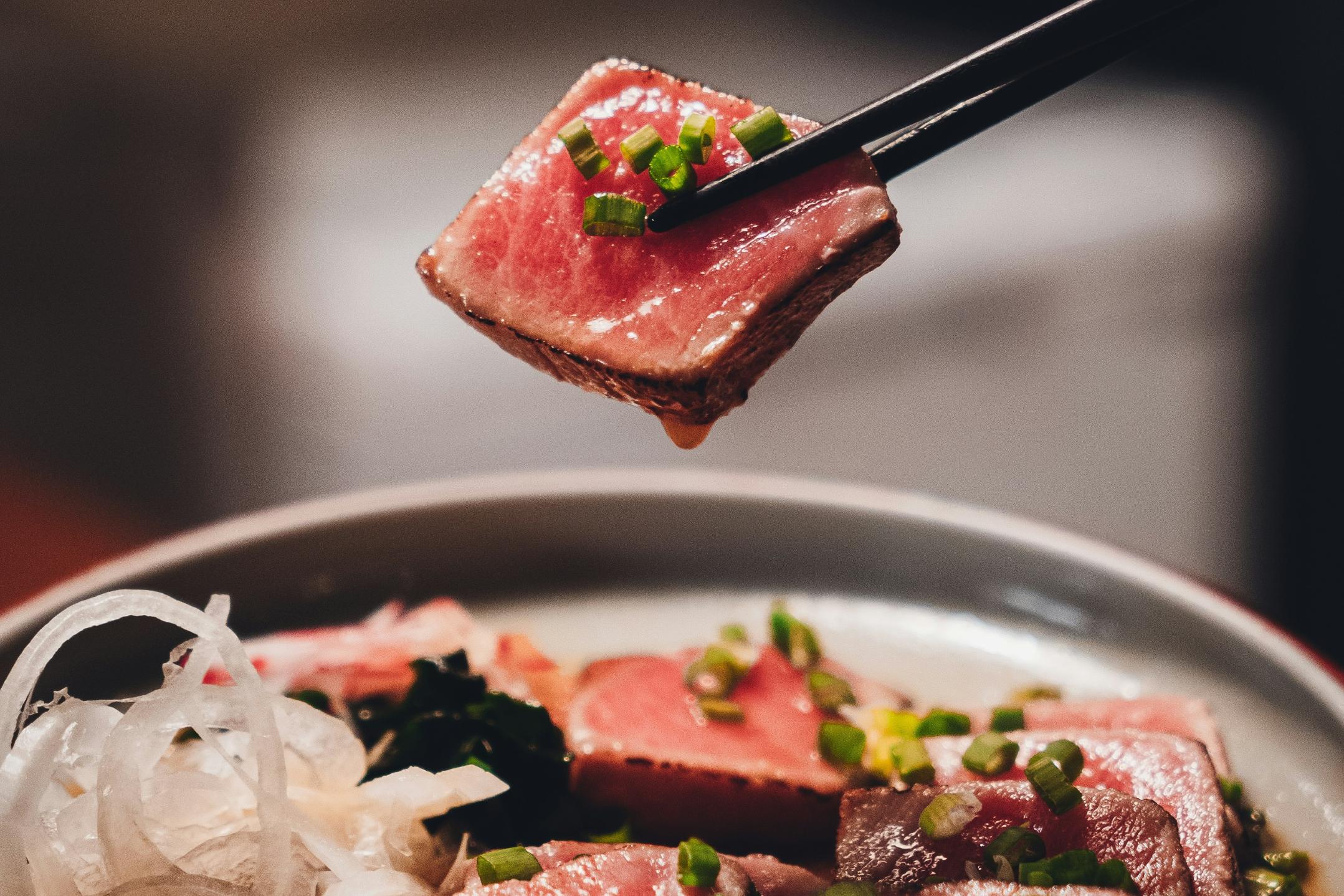
Taste the Meat First: For your first piece of a new cut, try it plain, straight off the grill and before any dipping sauce or yakiniku condiments touch it. This allows you to appreciate its natural flavor without any enhancement from a yakiniku sauce or other accompaniments. Once your condiments are ready, you can begin customizing your yakiniku experience.
Match Intensity: Pair delicate yakiniku condiments (like salt and lemon) with leaner cuts, and opt for more robust dipping sauces (like tare or spicy miso yakiniku sauce) with richer, more flavorful meats. Consider how each sauce or condiment interacts with the grilled meat’s texture and depth.
Consider Your Sequence: As you progress through your meal from lean to rich, vary your yakiniku condiments and dipping sauces to keep your palate engaged and the experience vibrant. Switching between sauces, citrus, or crunchy toppings helps highlight the wide array of flavors.
Use Restraint: The goal is to enhance, not dominate, the meat. A small dip into your favorite dipping sauce, a light drizzle of yakiniku sauce, or a sprinkle of crunchy topping is often all you need for the perfect bite. Some cuts of meat are best when marinated in yakiniku sauce before grilling for extra flavor.
Ask for Recommendations: Knowledgeable servers at Singapore’s best yakiniku restaurants are well-versed in how each yakiniku condiment or dipping sauce complements specific cuts. Don’t be shy—ask for pairing tips to unlock the full potential of your meal.
The Singapore Yakiniku Condiment Experience
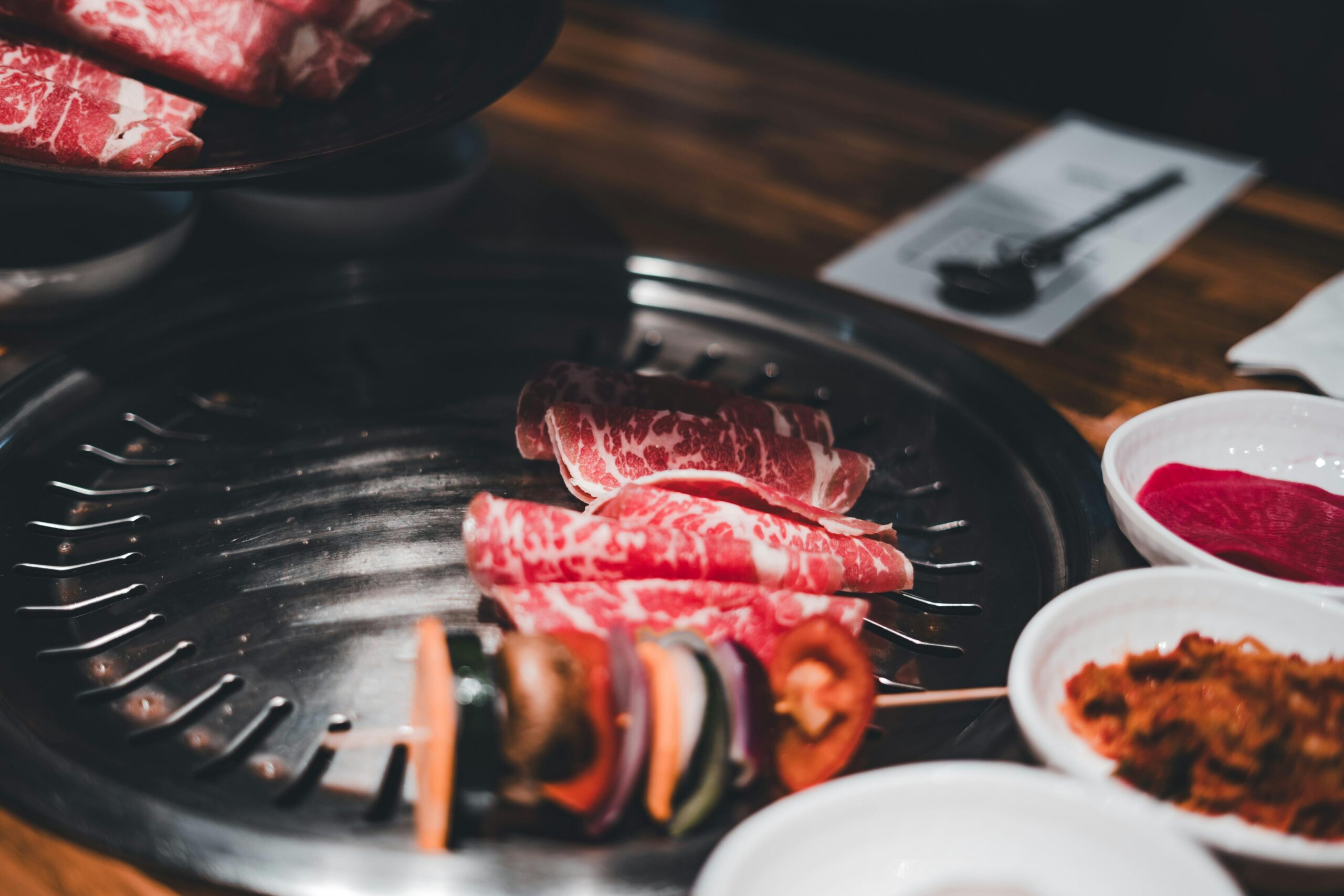
Singapore’s Japanese dining scene offers a rich variety of yakiniku condiments and dipping sauces. Top yakiniku restaurants feature both traditional and innovative yakiniku sauce recipes, some perfected over generations, others updated to suit diner preferences. Whether it’s a classic soy sauce-based dipping sauce, tangy ponzu, or a specialty yakiniku sauce with sesame oil and citrus juice, Singapore’s yakiniku condiments add variety and depth to every grilled meat and vegetable dish. This dedication to a complete condiment experience makes each meal uniquely customizable and memorable.
Creating Harmony on Your Plate
Think of your yakiniku experience as a composition of three essential elements: the carefully selected yakiniku condiments that bring brightness and depth; the expertly grilled beef or other grilled meat that provides rich, savory flavor; and the grilling technique itself, which showcases the chef’s skill and adds complexity to every bite.
The Meat: The foundation of the dish, providing the core flavor and texture.
The Grill: The technique that adds complexity through char, smoke, and the Maillard reaction.
The Condiments: The final touch that adds dimension, balance, and a personal signature to each bite. Choosing lighter condiments, such as citrus-based sauces, can help reduce the overall calories in your meal, making it easier to manage your calorie intake while still enjoying a flavorful experience.
When these three elements align, the experience is elevated from a simple meal to a harmonious culinary event.
Wrapping Up: Elevate Your Next Yakiniku Experience
The thoughtful selection of yakiniku condiments is what transforms a good yakiniku meal into an exceptional one. Every dipping sauce and perfectly crafted yakiniku sauce on the table is a reflection of deep cultural wisdom about flavor, balance, and the art of eating well. The next time you sit down at the grill, take a moment to appreciate the small bowls and saucers before you. These are not just side notes, but essential invitations to explore, experiment, and customize your journey—maximizing every bite with the right condiment or sauce.
Embrace the opportunity to play with different combinations. Discover how a squeeze of lemon can awaken a piece of chicken, or how ponzu can make a rich piece of Karubi feel light and refreshing. Your taste buds—and your Instagram feed—will thank you for it.
Many homemade yakiniku condiments are free from artificial additives and preservatives, making them a wholesome choice for your table. For best results, store any leftover sauces in the refrigerator and use an airtight container for storage after opening to maintain freshness and quality. Proper storage and handling after opening are essential to prevent spoilage and extend shelf life.
All recipes featured here have been tested by a recipe developer to ensure reliability and authentic flavor. If you try any of the recipes, please leave a rating or review—your feedback is greatly appreciated. Thanks for being part of our community! And while following along, remember to keep your screen active to prevent interruptions during your cooking experience.