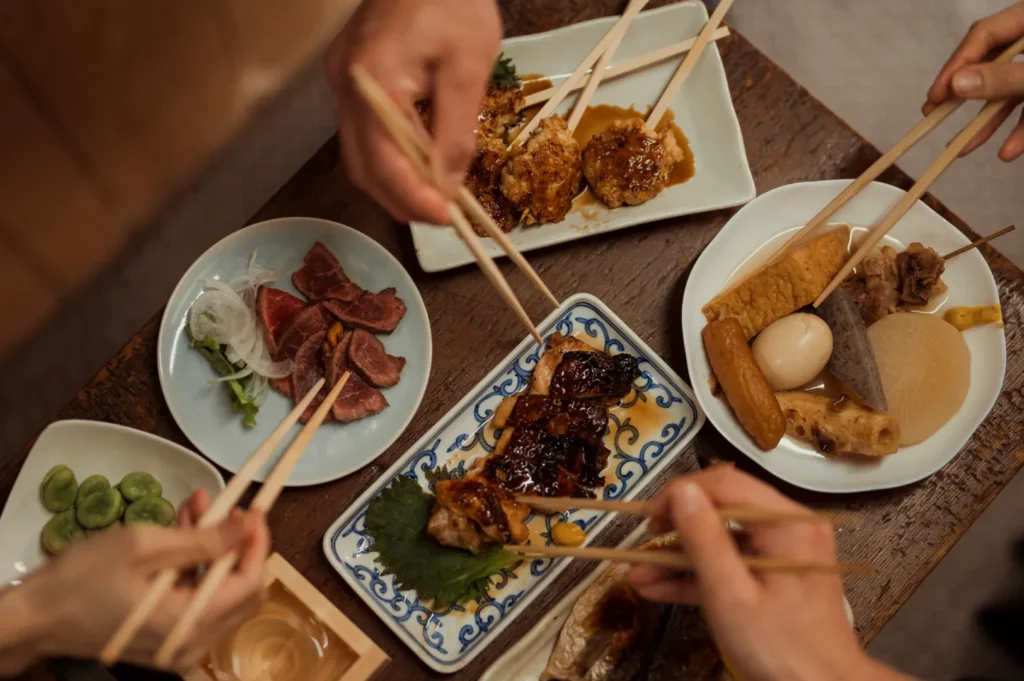
The printed menu is not always where the best order begins.
In many izakayas, the most relevant dishes of the night are not found in the main menu at all. They may appear on a chalkboard, a handwritten slip, a small counter card, or through a quiet recommendation from staff.
This is why regular diners often ask one simple question before ordering too much:
“What is good today?”
That question matters because izakaya dining is shaped by availability, freshness, and timing. The printed menu provides structure, but the daily specials often show what the kitchen is most focused on that evening.
That gap between what is printed and what is actually worth ordering is part of how izakayas work, which we explore more closely **here.**
Daily Specials Reflect Seasonal Sourcing
Japanese cooking pays close attention to seasonality. In an izakaya setting, this often appears through daily specials.
Seasonal sourcing may include:
- fresh fish available that day
- vegetables at peak condition
- limited shellfish or seafood
- regional ingredients in small quantities
- dishes suited to the weather or drinking pace
These items may not be practical to print on a permanent menu because they change too often. A handwritten special allows the kitchen to respond to what is actually available, rather than forcing the same dishes every night.
This is especially important for izakayas that rely on fish, grilled vegetables, or market-driven small plates.
Limited Quantities Are Part of the System
Daily specials are often limited.
This is not necessarily a weakness. In many cases, it reflects careful preparation.
A kitchen may only receive enough fish for a few orders. A seasonal vegetable may only be available in small volume. A chef may prepare a limited simmered dish or grilled item based on what came in fresh.
Once it sells out, it is removed from service.
This approach helps control quality and reduce waste. It also explains why specials can disappear before the end of the night, especially during peak hours.
Fresh Fish and Vegetables Often Appear First
For diners who want to understand an izakaya’s kitchen, daily specials are useful indicators.
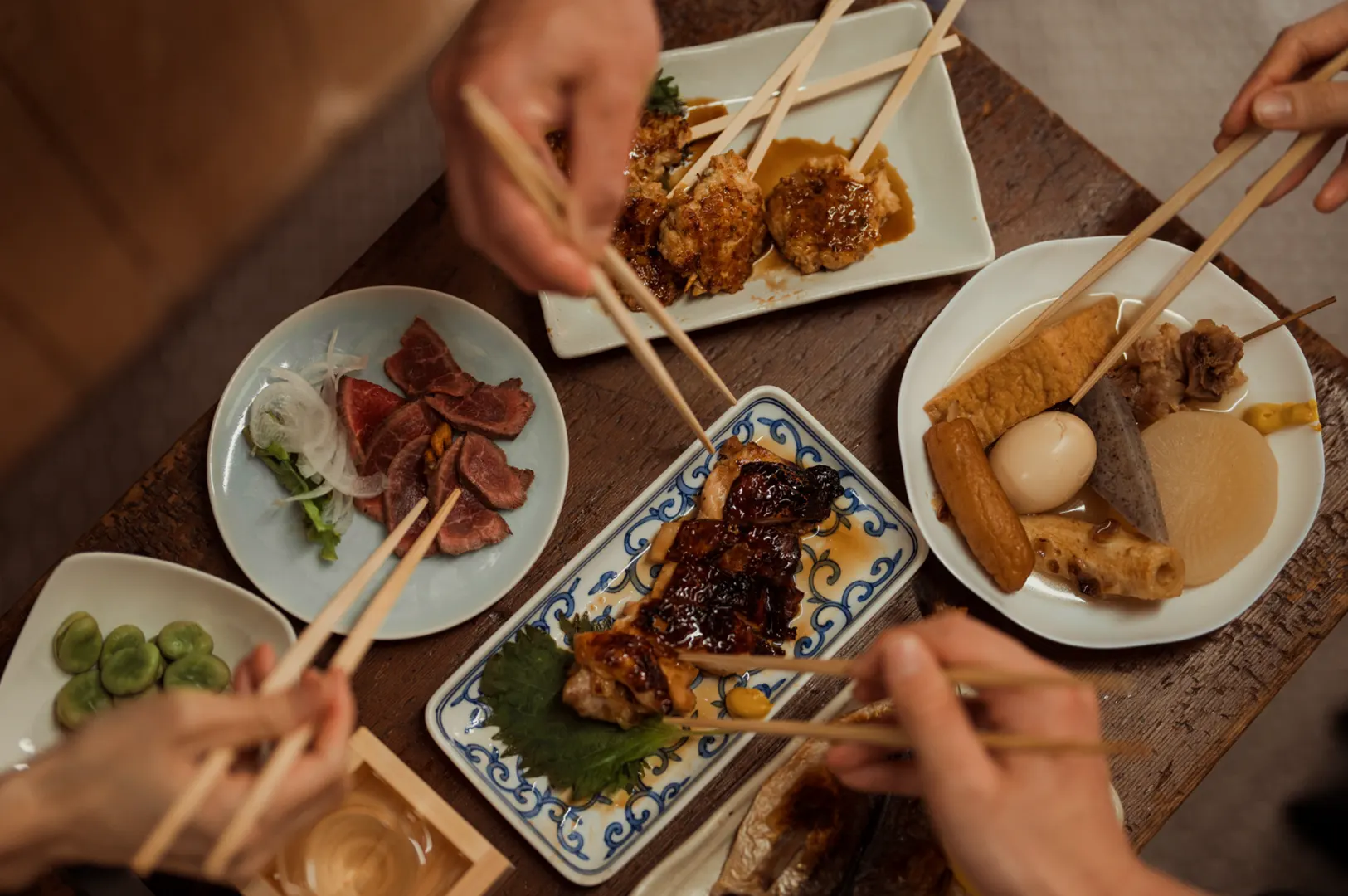
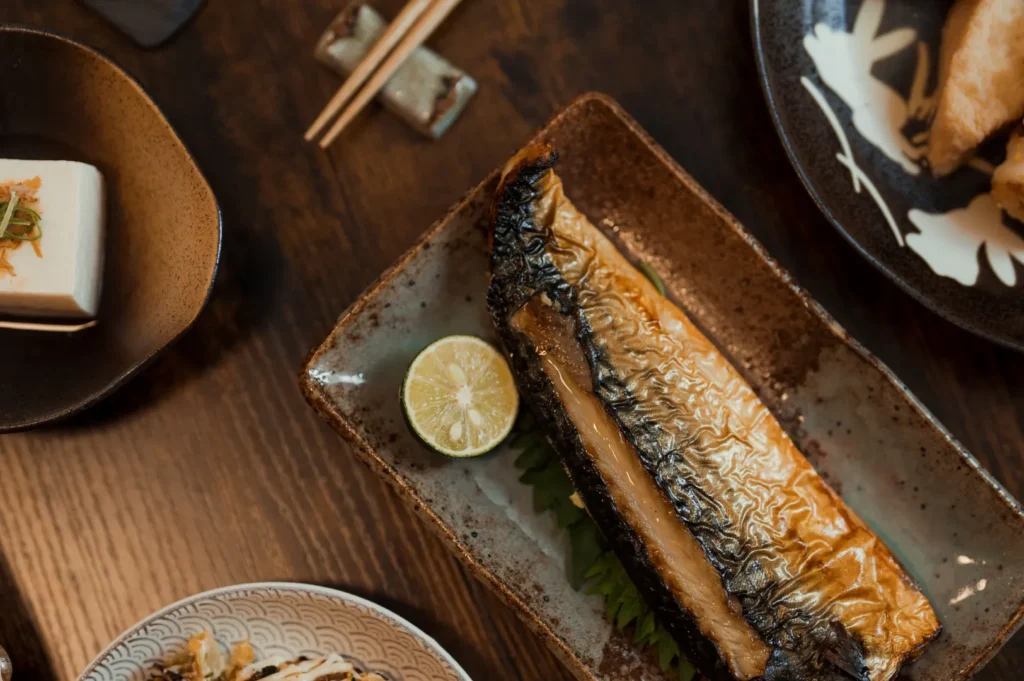
Fresh fish specials may show how closely the restaurant follows supply and quality. Vegetable specials may reveal how much attention the kitchen gives to lighter dishes, not only skewers and fried items.
These dishes often include:
- sashimi cuts
- grilled fish
- seasonal mushrooms
- eggplant or peppers
- simmered vegetables
- chilled side dishes
They may not always be the most visually dramatic items, but they often give the clearest view of the kitchen’s daily judgment.
Why Regulars Ask First
Regular diners understand that the printed menu is only part of the experience.
Asking “What is good today?” does three things:
- It opens a conversation with staff
- It reveals limited items before they sell out
- It helps diners avoid ordering only standard dishes
This does not mean the printed menu is unimportant. Core dishes provide consistency. Regulars return for familiar skewers, fried items, and rice dishes.
However, daily specials add context. They show what is fresh, limited, or worth prioritising on that specific visit.
Final Perspective
Daily specials matter because they connect the meal to the day.
They reflect sourcing, seasonality, kitchen judgment, and limited preparation. For diners, they offer a more accurate picture of what the izakaya can do that evening.
The printed menu tells us what the restaurant usually serves.
The daily specials tell us what the kitchen wants us to notice tonight.