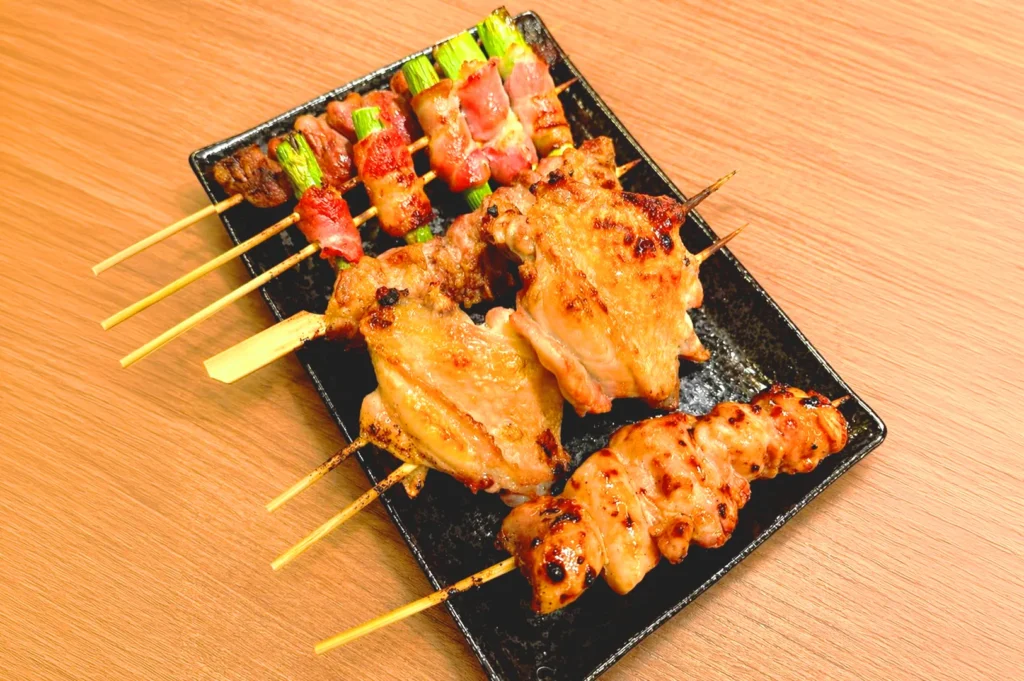
Multiple dishes sold out — and service still worked.
At first glance, this sounds like a problem. In most dining settings, running out of menu items signals poor planning or operational gaps. Guests expect availability, especially during peak hours.
In an izakaya, the situation is different.
Limited quantities, seasonal sourcing, and manual preparation mean that certain dishes are expected to sell out. On some nights, more than one item disappears from the menu earlier than anticipated.
Yet service continues, often without disruption.
Understanding how this works provides useful insight into how izakaya kitchens are structured.
Why Sell-Outs Happen
Izakaya kitchens typically operate with finite daily preparation.
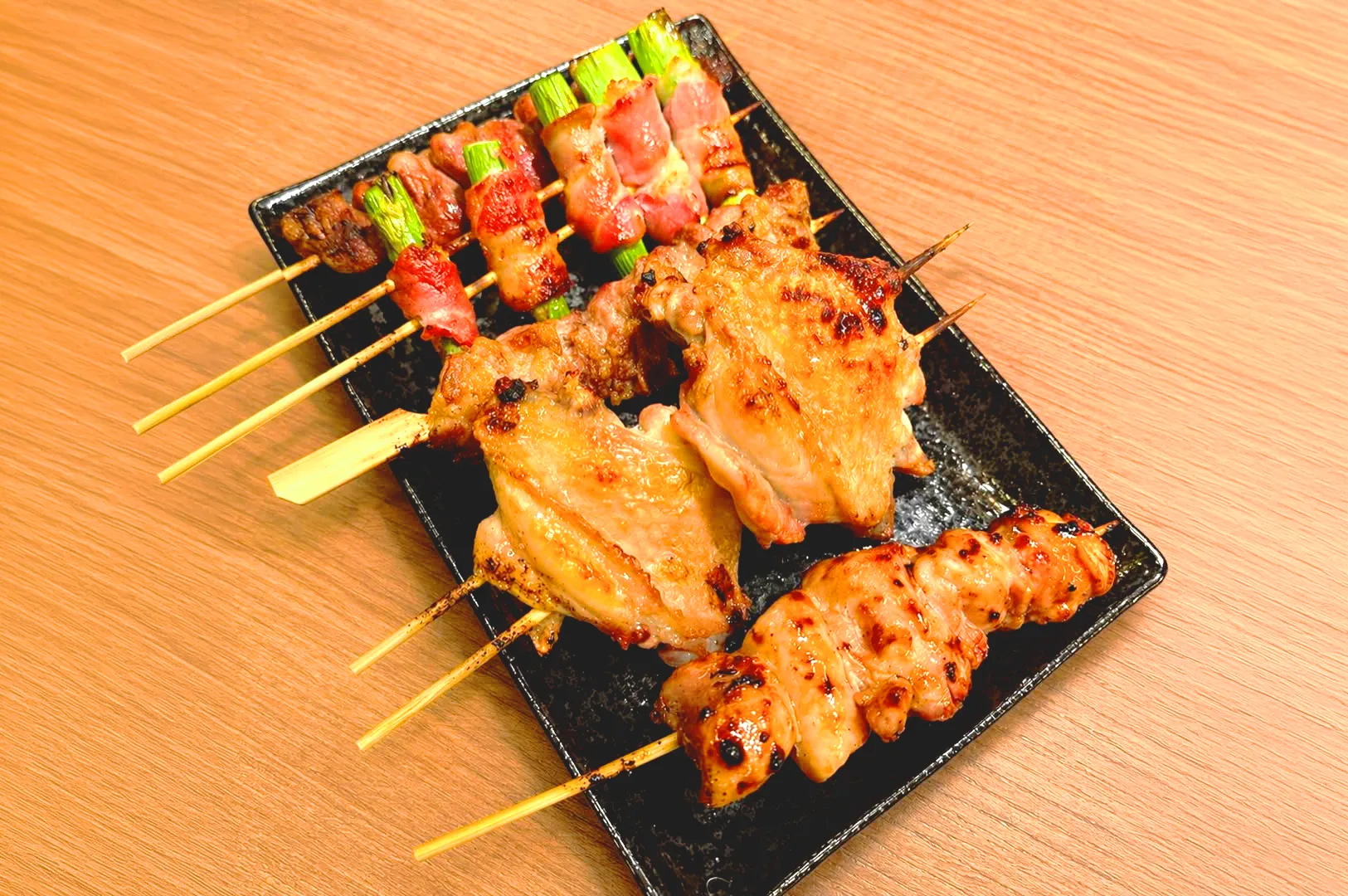
Skewers are hand-threaded. Cuts are portioned in advance. Some items depend on fresh deliveries or limited stock. Unlike large-scale kitchens, izakayas do not always replenish mid-service.
As a result, high-demand items — such as chicken thigh, specific offal cuts, or seasonal dishes — may sell out during peak periods.
This is not always a planning issue.
In many cases, it reflects:
- Demand exceeding projections
- Preference for freshness over excess stock
- Intentional limitation to maintain consistency
From an operational standpoint, it is often preferable to sell out than to extend service with lower-quality substitutes.
Menu Flexibility as a Design Feature
Izakaya menus are intentionally broad.
They include multiple categories:
This structure allows the kitchen to remain flexible when specific items become unavailable.
If one cut of chicken sells out, alternatives remain within the same category. If multiple skewers are no longer available, the menu still offers a range of dishes that can sustain the meal.
The menu is not designed around a single “must-have” item.
It is designed to support substitution without disrupting the overall experience.
Substitution Strategy During Service
When multiple items are no longer available, kitchens rely on category-based substitution rather than direct replacement.
For example:
- Chicken thigh → chicken shoulder or negima (chicken with scallion)
- Premium skewers → standard cuts with different seasoning (shio or tare)
- Limited seasonal dish → alternative small plate
Staff may guide diners toward these alternatives, often based on:
- Current grill capacity
- Available stock
- Table pacing
The goal is not to replicate the exact dish, but to maintain balance across the meal.
In well-run izakayas, this adjustment happens quickly and with minimal explanation.
Maintaining Table Rhythm
The primary priority during service is table rhythm.
Izakaya dining is structured around staggered ordering and gradual dish arrival, following the natural flow of ordering at an izakaya. Even when items are unavailable, the kitchen focuses on ensuring that:
- Food continues to arrive in intervals
- The table is neither overloaded nor empty
- The sequence of dishes remains balanced
If a popular item sells out, the kitchen compensates by adjusting timing and suggesting alternatives that fit the current stage of the meal.
This prevents disruption.
From the diner’s perspective, the absence of a specific dish becomes less noticeable when the overall flow remains intact.
Operational Trade-Offs
Running out of multiple items involves trade-offs.
Advantages:
- Maintains quality by avoiding overextension
- Reinforces freshness and limited preparation
- Encourages menu exploration
Limitations:
- May affect first-time diners expecting full availability
- Requires staff coordination for substitutions
- Can create temporary decision delays
Most izakayas prioritize consistency and pacing over complete availability.
Final Perspective
The absence of menu items during service is not always a negative indicator.
In izakaya operations, it is often a byproduct of:
- Controlled preparation volumes
- Demand-driven consumption
- A flexible, category-based menu design
More importantly, effective kitchens are able to absorb these shortages without disrupting the dining experience.
When multiple dishes sell out, and service continues smoothly, it reflects a system built around adaptability rather than rigidity.
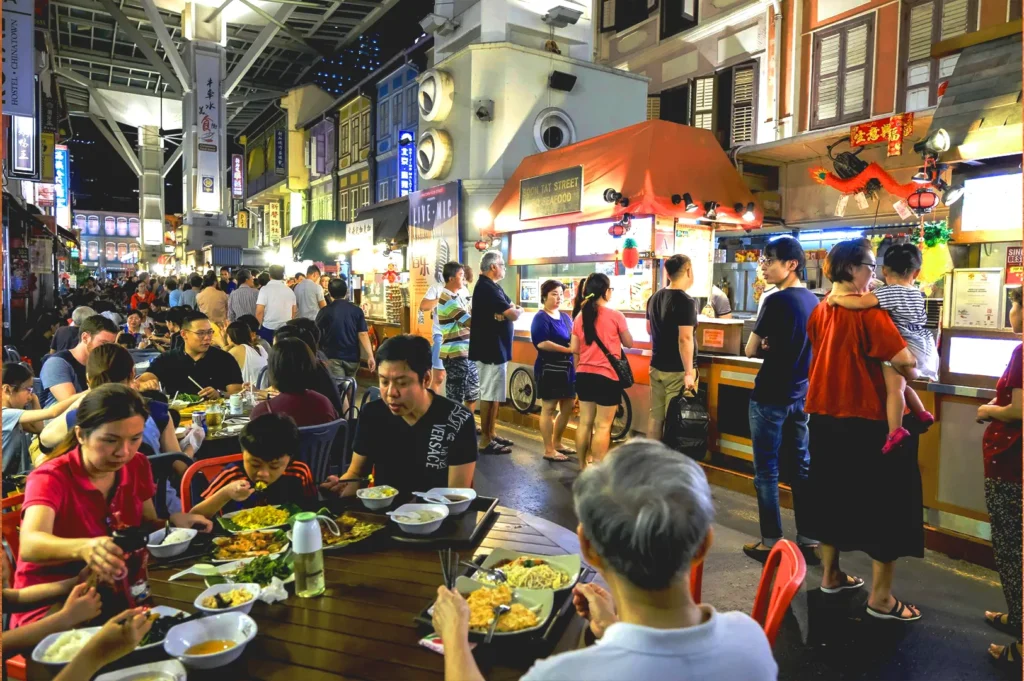
In this context, what matters is not whether every item is available, but whether the overall meal continues to function as intended.
And once you see it, it’s something that shows up again and again on bestizakaya.com.sg.