
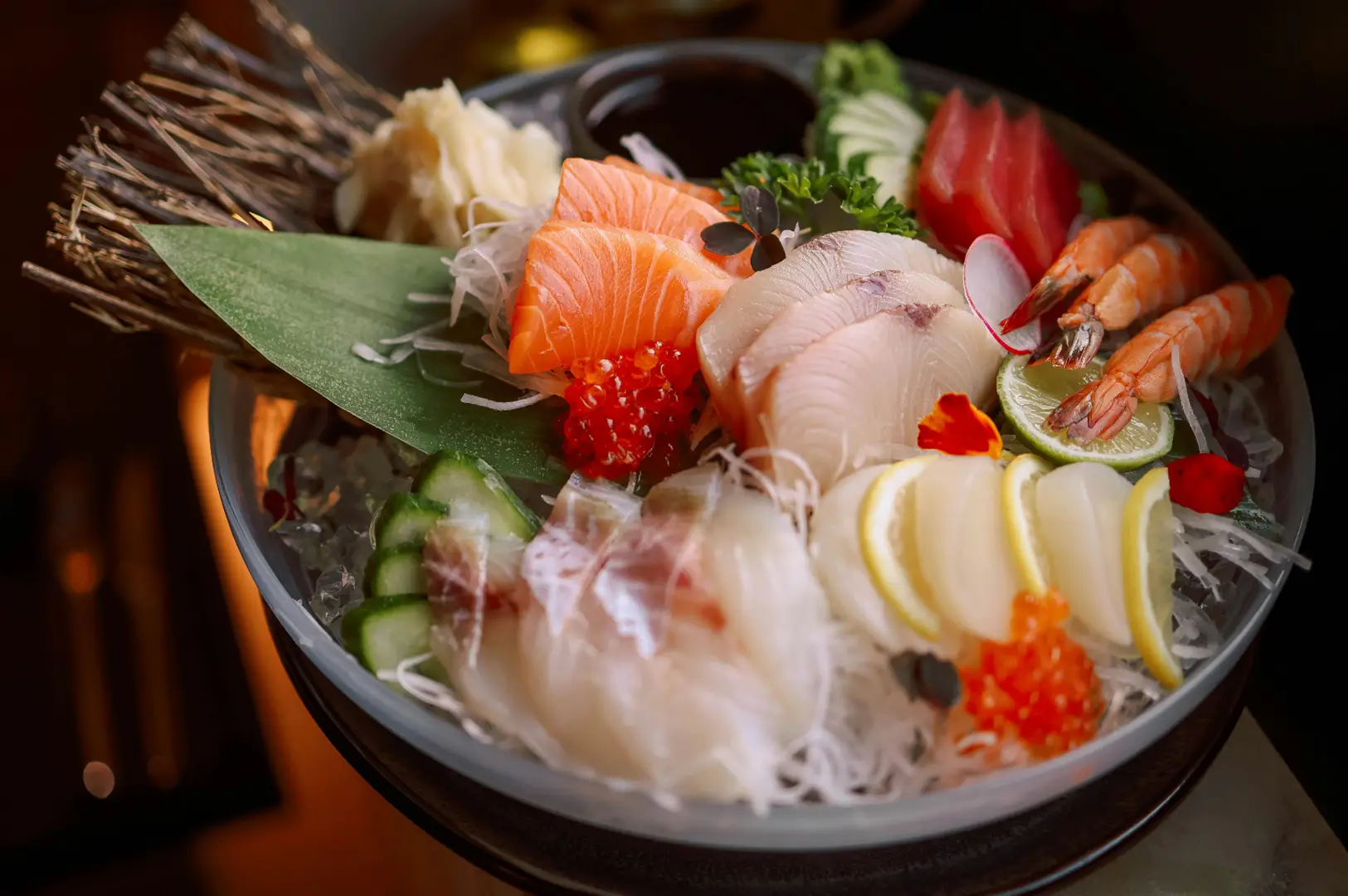
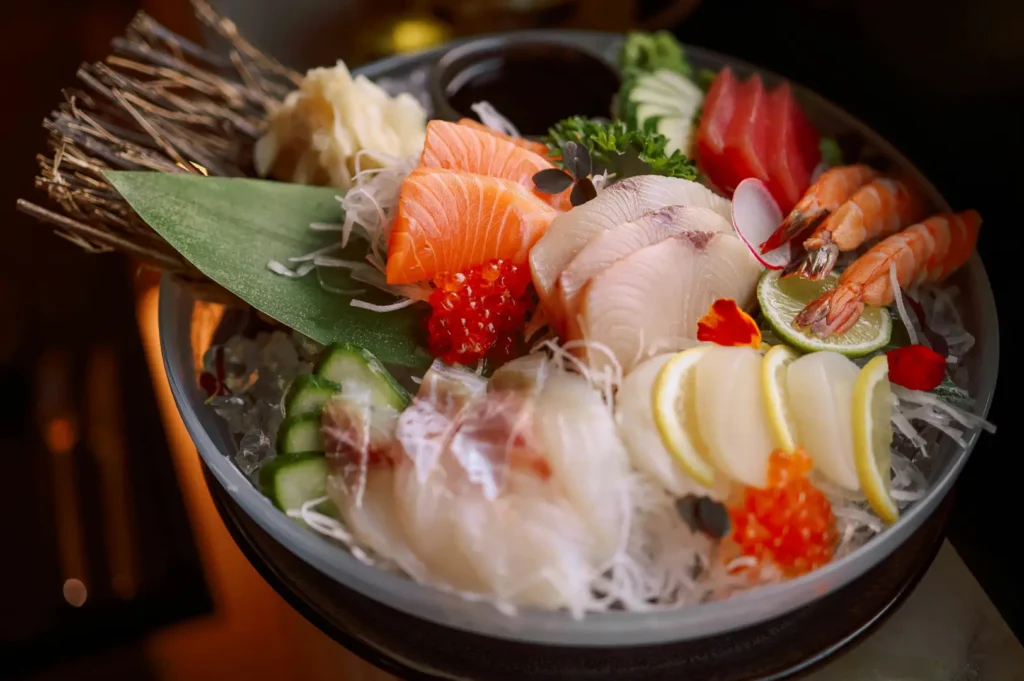
Here is a question nobody asks when the sashimi platter lands: can the fish actually be too cold?
We see chilled salmon, tuna and scallop, and immediately think, good. Fresh. Safe. Pass the chopsticks.
But cold is not a flavour guarantee. Fish can be safely handled and still arrive so intensely chilled that you notice the temperature before anything else.
That is worth talking about.
Cold Can Turn Down the Flavour
Ever taken a bite of sashimi and thought, “Why can I barely taste this?”
Temperature might be part of the answer. Deep chilling can make certain aromas and flavours less noticeable. A fatty piece of tuna, for example, might seem less rich when very cold. Salmon’s familiar richness may also feel subdued.
That does not mean you should ask for warm sashimi. Absolutely not. It means serving temperature affects the experience, even when the fish itself has not changed.
Think of an assorted platter. The salmon, maguro and hotate may share one plate, but they should not all feel identical in your mouth.
Texture Has Something to Say Too
Now pay attention to the bite.
Salmon often has a softer, richer feel. Tuna varies considerably by cut. Hotate can be tender, with a delicate sweetness.
Very cold fish may seem firmer. If a piece is still partly frozen, the texture can feel noticeably different from properly thawed seafood.
That is not automatically a sign of poor quality. Freezing can be part of responsible raw-fish handling. But a piece that feels icy in the centre can distract from the texture you expected.
My advice? Notice what is happening before reaching for extra soy sauce. More seasoning will not explain every disappointing bite.
Food Safety Is Not Optional
Here is the important part: do not leave sashimi sitting out to warm up.
Raw seafood needs appropriate sourcing, refrigeration and hygienic handling. Some fish also requires freezing for parasite control, depending on the species and applicable requirements. Restaurants manage these steps; diners cannot judge them simply by looking at a chilled plate.
A cold plate can help limit warming during service. It does not prove that every earlier handling step was safe.
And neither a pleasant smell nor a beautiful colour can guarantee raw seafood is safe to eat.
What I Would Notice Next Time
When a sashimi platter arrives, I would pay attention to three things: how the pieces feel, whether their flavours come through, and whether the different fish actually taste different.
I would not try to diagnose the kitchen from one bite, either. Fish species, cut, seasoning and individual preference all play a role.
And if you’re wondering how different restaurants handle sashimi beyond that first bite, this is a good place to start when comparing seafood selections, serving styles and the kind of meal you’re after.
If something seems partly frozen or otherwise concerning, ask the staff rather than experimenting with the temperature yourself.
So yes, sashimi can feel too cold to enjoy fully.
But colder does not automatically mean better, and warmer does not automatically mean safer.
The real question is whether the fish tastes like itself.