A perfect tamagoyaki requires skill, patience, and a lot of practice — but it looks so simple.
At first glance, it’s just a rolled omelet. A few eggs, a touch of seasoning, and a clean roll. How difficult could it be?
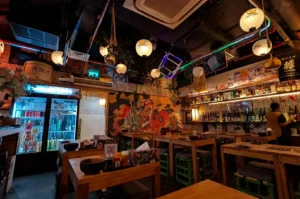
Yet, when you’ve spent enough time in an izakaya, watching a chef prepare tamagoyaki with measured hands, you begin to see it differently. Beneath the gentle fold of each layer, there is a quiet mastery at play — an art that, while unassuming, demands nothing less than precision.
The Art of Making Tamagoyaki
The tamagoyaki you see in an izakaya is a far cry from the hurried scrambled eggs you might make at home. Here, it’s all about timing and balance.
First, the eggs are prepared. It may seem like a straightforward step, but the balance of sweetness and saltiness — and the smoothness of the texture — is something that is perfected over time. The seasoning must be just right, not too overpowering, yet enough to give the eggs that satisfying umami that lingers gently in the mouth.
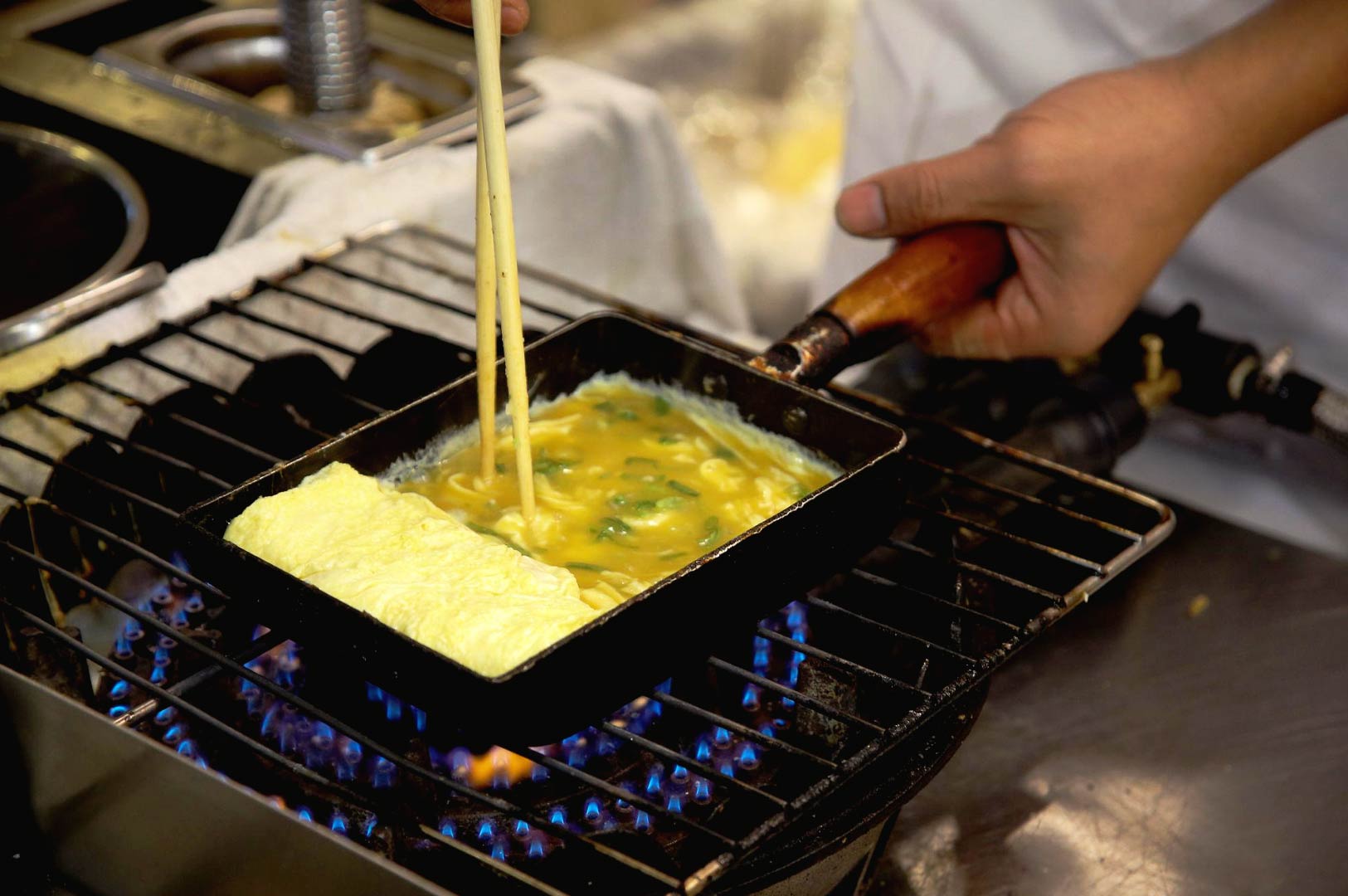
Next comes the pan. Temperature control is everything. The heat must be just low enough to allow each layer of egg to cook through without browning, but hot enough to form delicate edges. Too high, and the egg becomes rubbery. Too low, and the egg will not set properly. And that’s just the beginning.
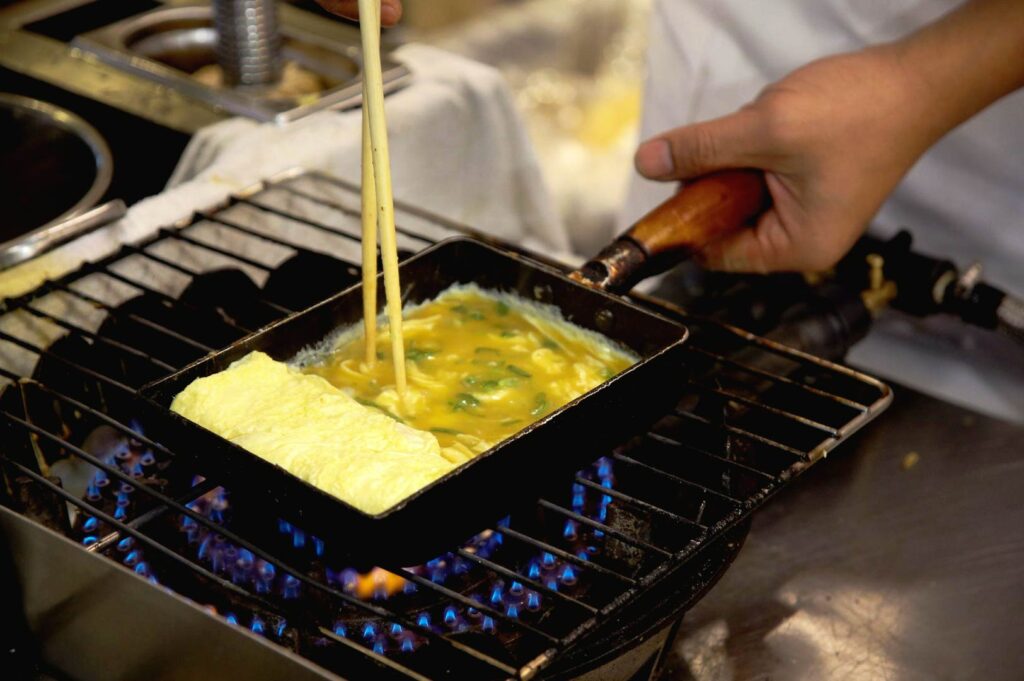
The real challenge is the rolling technique. A skilled chef will pour a thin layer of egg mixture onto the pan, let it set just enough to form a base, and then roll it with expert timing. But it’s not simply about rolling. It’s about judging the exact moment to fold and pour again. Each roll must be tight, but not too tight. The layers must form perfectly, one atop the other, without breaking or losing their texture.
The Quiet Difference Between “Good” and “Great”
A tamagoyaki that’s cooked well enough will serve its purpose. It will taste fine — light, fluffy, comforting. But a great tamagoyaki? There’s something distinct., much like how izakaya food goes beyond just bar snacks to reflect skill and tradition.
It’s the texture, the way it feels when you bite into it — soft but not wet, fluffy but not too airy, with a subtle sweetness that complements the natural flavor of the eggs without overpowering them.
But it’s more than just the taste.
A great tamagoyaki has a finish. When a chef finishes the roll, they don’t simply drop it on the plate. It’s placed with care, slightly tilted, the golden hue gleaming under the light. There’s a rhythm to it — a reverence for the simplicity of the dish, the way it should be presented, the texture preserved.
The Test of a Chef’s Technique
In an izakaya, tamagoyaki is often a quiet test of a chef’s ability. It is deceptively simple, but requires immense technical ability and patience. The difference between a “good” tamagoyaki and a “great” one lies in the details: the slight adjustments made with each pour of the egg, the attention to temperature, the precise roll.
It’s not something that can be rushed. It’s a dish that demands respect for the process. A chef might cook dozens of tamagoyaki in a single night, and each one must be as close to perfect as possible. Even after years of experience, it remains a challenge to produce that delicate balance with consistency.
Yet, there is also a kind of poise in making tamagoyaki. The kitchen is often bustling, the grill sizzling, orders flying, yet a tamagoyaki chef remains calm, focused, ensuring every roll is as flawless as the last. It is a moment of stillness within the bustle, a ritual that serves as a reminder of the quiet precision that underpins much of Japanese cuisine.
A Humble Masterpiece
What makes tamagoyaki so special is not just its taste but the discipline behind it. A seemingly simple dish that requires both humility and precision, tamagoyaki tells a story of patience, practice, and respect for ingredients.
In the world of izakayas, where flashy dishes and complex presentations often dominate, tamagoyaki stands as a testament to the quiet, uncelebrated skill of the chef. It’s not about the ingredients themselves, but about how they are treated — and how they come together in a dish that represents both tradition and mastery.
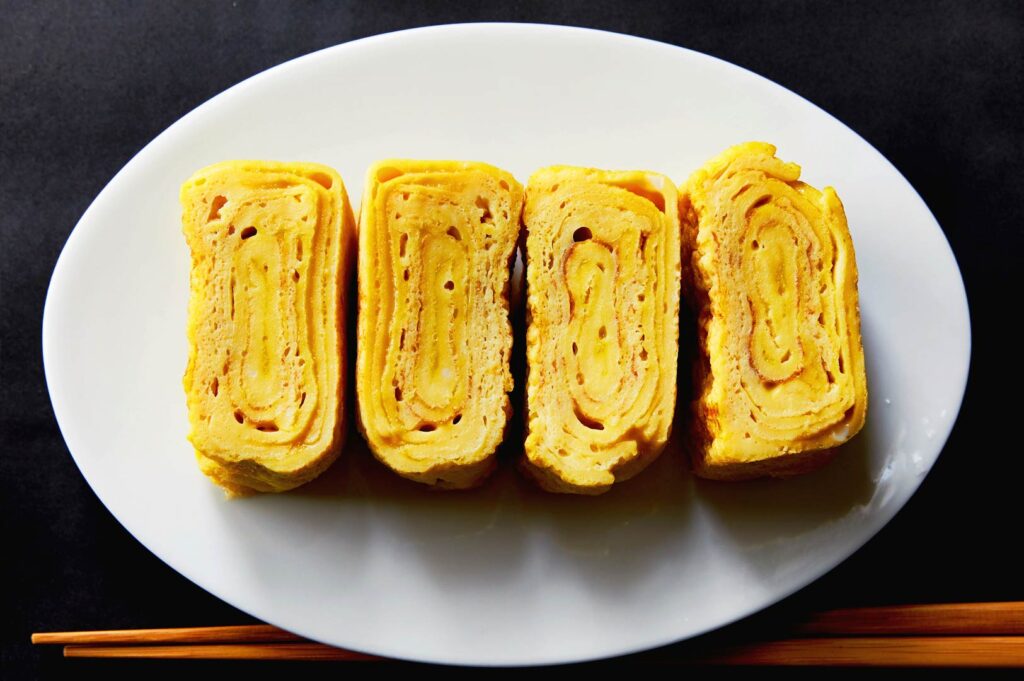
So the next time you order tamagoyaki, take a moment. Notice the layers, the softness, the balance. It’s a small dish that holds more than just flavor. It carries the quiet dedication of the chef who made it — a dedication that may have taken years to perfect.
And perhaps, just for a moment, you’ll taste the difference between “good” and “great.”