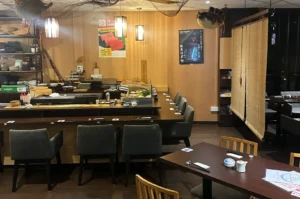
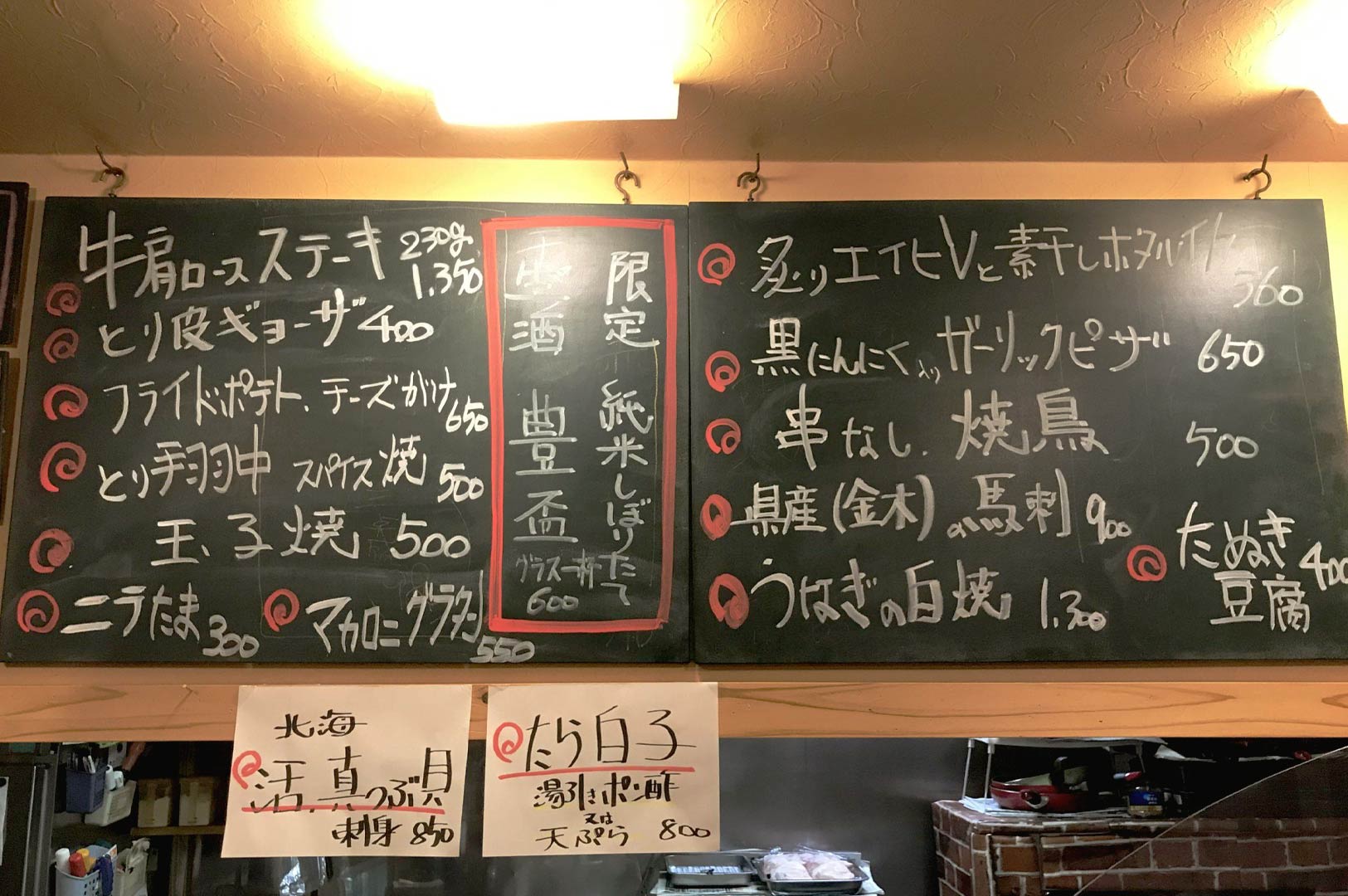
Half the items weren’t available.
You open the menu, already planning your order. A few skewers, maybe something grilled, something fried. Easy.
Then it starts.
“Chicken thigh?”
“Sold out.”
“Okay… liver?”
“Also finished.”
“…grilled fish?”
“Not in today.”
Pause.
You look back at the menu like something went wrong.
The Menu Isn’t the Plan
Here’s the first thing to understand.
In most restaurants, the menu is fixed. It tells you exactly what you can order, and the kitchen follows that.
In an izakaya, the menu is more flexible.
It’s a reference. A framework. Not a promise.
What’s actually available depends on:
- what was prepared that day
- what has already sold out
- what ingredients came in fresh
So yes, the menu might list 20 items.
But at 8:30 PM? You might realistically be choosing from 12.
Why Items Disappear
There are two main reasons this happens: a pattern commonly seen when izakaya dishes sell out during service.
First: limited preparation.
Skewers are prepped in batches. Fish is portioned in advance. Once those are used up, the kitchen doesn’t always replace them mid-service.
Second: seasonality and sourcing.
Some dishes depend on what’s available that day. If the quality isn’t right, they don’t serve it. Even if it’s printed on the menu.
From a diner’s perspective, this can feel inconsistent.
From a kitchen perspective, it’s control.
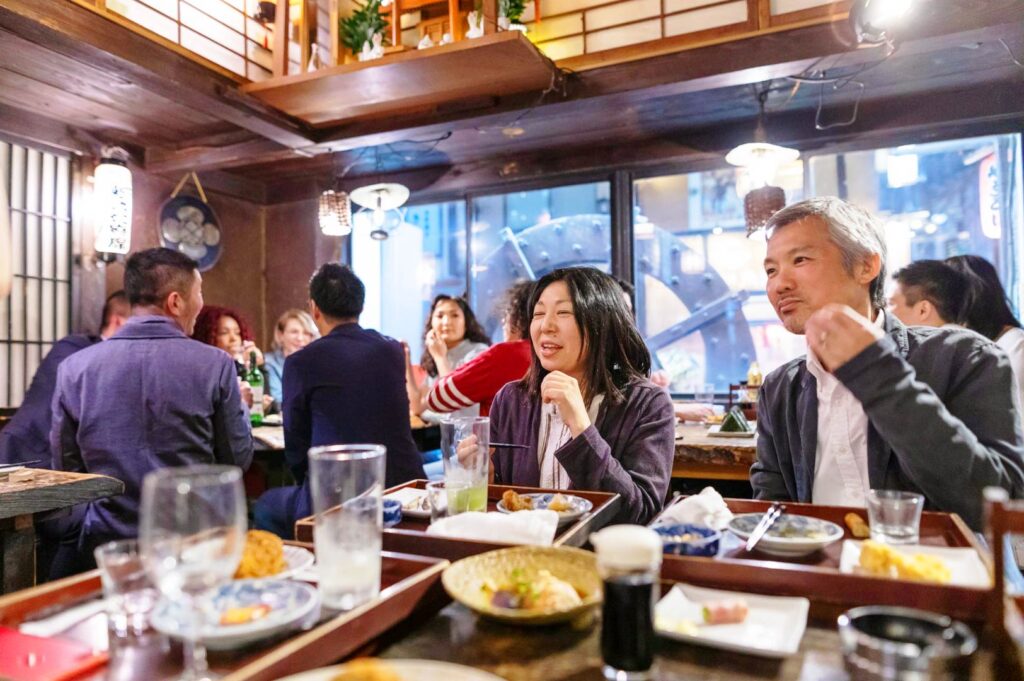
The Real Menu Happens at the Table
Once a few items are unavailable, something shifts.
The staff starts guiding.
“We recommend this instead.”
“This cut is better tonight.”
“Chef suggests trying this.”
At this point, the experience becomes less about selecting from a list and more about responding to what’s actually available.
This is normal in izakayas.
It’s also where the meal often improves.
Different Reactions at the Table
Not everyone handles this the same way.
First-time diners often try to “fix” the situation. They look for direct replacements.
No thigh? Find another similar skewer.
No fish? Move to something else on the list.
Regular diners approach it differently.
They adjust quickly.
“What’s good today?”
“What do you recommend?”
Instead of replacing, they adapt.
This shift makes ordering faster — and usually more aligned with what the kitchen is doing well that night.
Why This System Works
At first, it might seem inefficient.
Why not just keep everything available?
Because consistency matters more than completeness.
Stocking more means:
- holding ingredients longer
- risking quality drops later in the night
- increasing waste
Most izakayas prioritize freshness and control. That often means accepting that some items will sell out.
The trade-off is clear:
- fewer options
- better execution
What It Means for the Experience
When the menu doesn’t match what’s available, the meal becomes more flexible.
You stop trying to follow a plan.
Instead, you:
- adjust based on what’s left
- rely more on staff recommendations
- order in smaller decisions
This naturally aligns with how izakaya dining is meant to work — gradual, responsive, and paced.
Final Takeaway
If you encounter a menu where several items are unavailable, it’s not necessarily a negative signal.
It usually reflects:
- limited daily preparation
- demand-driven sell-outs
- active kitchen control
In izakayas, availability changes throughout the night.
The menu remains the same.
But the experience evolves.
You’ll start noticing this pattern more often here.