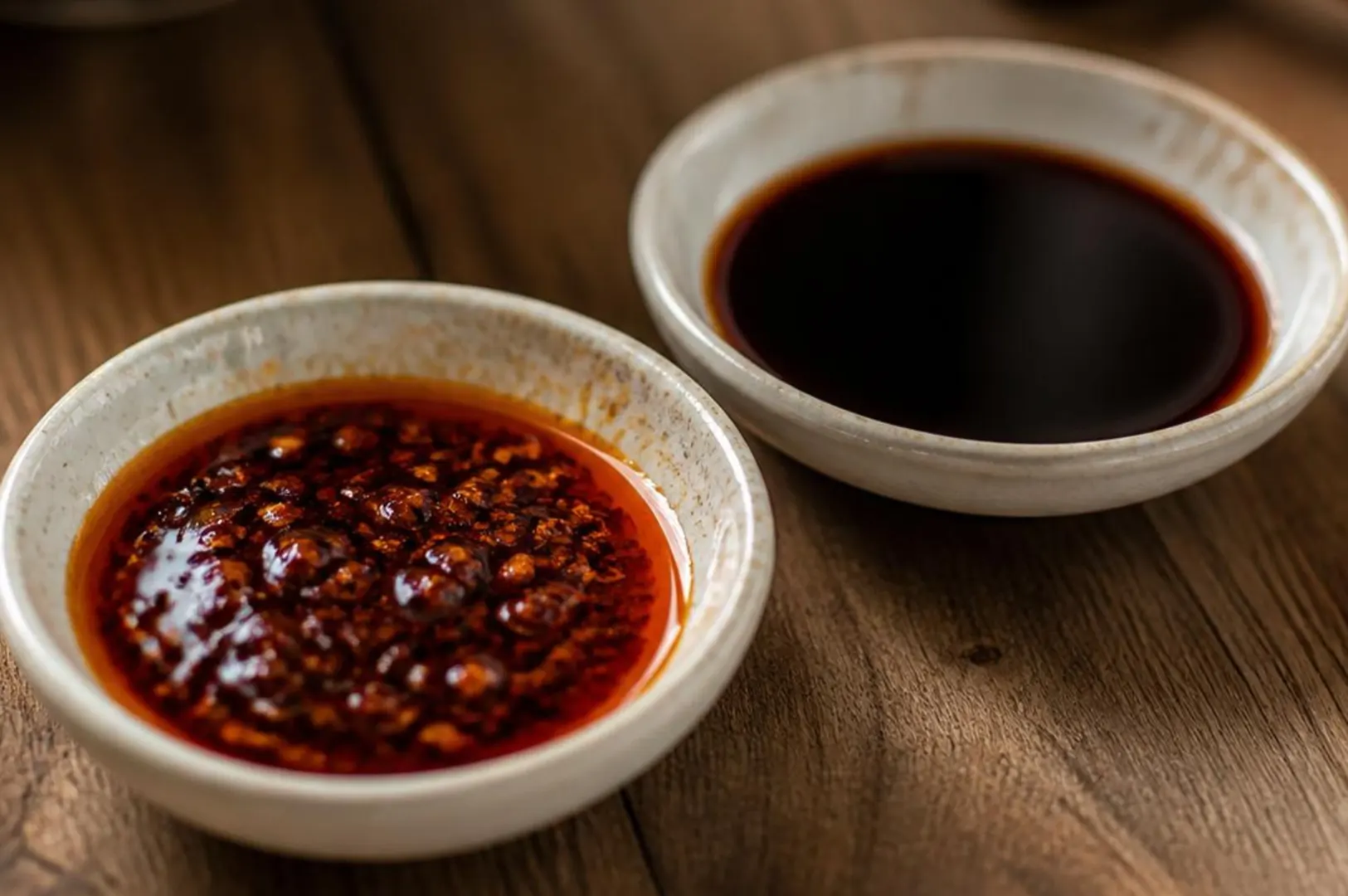
The chilli oil is always the giveaway.
You can serve yakitori with tare, that glossy sweet-savoury sauce built for grilled meat. You can add shichimi, lemon, maybe a neat little dab of yuzu kosho. Very proper. Very Japanese.
Then someone at the table asks, “Got chilli?”
There it is.
Singapore has entered the chat.
And honestly? This is where izakaya dining gets interesting. Not because every dish needs to become spicy. Please, no. But because the way Singapore diners reach for heat says a lot about how izakayas adapt here without losing their core rhythm.
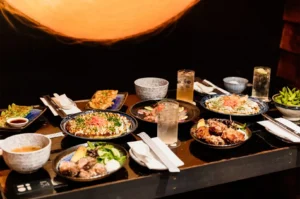
That small dish on the side becomes part of the conversation, much like how condiments tell you how to eat in an izakaya without needing much explanation.
Singapore Diners Expect Heat
We are used to food with kick.
Sambal. Chilli padi. Laksa heat. Mala oil. Even cai fan chilli has opinions.
So when a Singapore diner sits in an izakaya, that instinct does not disappear. It follows the skewer. It follows the karaage. It follows the grilled squid.
That does not mean the food is lacking.
It means local diners often look for a second layer: something sharper, hotter, more immediate.
A good izakaya understands this without panicking.
Japanese Condiments Work Differently
Japanese condiments are usually about precision.
Tare adds sweetness and depth. Shio, or salt, keeps grilled items clean. Yuzu kosho brings citrus heat. Shichimi, a seven-spice blend, adds warmth. Grated daikon softens richness. Lemon cuts fat.
These are not random extras.
They guide the bite.
Chilli oil does something louder. It gives heat, aroma, and sometimes a little roasted bitterness. Used well, it can lift fried food or add punch to grilled meat.
Used badly, it turns everything into the same dish.
That is the line.
Spice Should Support, Not Hijack
Here is my rule: taste first.
Always.
Try the skewer the way the kitchen sent it out. Notice the tare. Notice the salt. Notice whether the fat has been balanced with lemon or miso.
Then decide if chilli makes sense.
Karaage? Sure, a little chilli oil can work. Grilled chicken skin? Maybe, if you want more punch. Delicate fish? Careful. Sashimi? Usually no. If the dish is subtle, do not bully it.
Spice should add momentum, not erase the chef’s work.
Kitchens Adapt Quietly
The best Singapore izakayas do not need to turn into fusion restaurants to suit local palates.
They adapt in smaller ways.
A chilli option on the side. A slightly bolder dipping sauce. Staff who know when to offer spice and when to say, “Try it first.” Menus that keep Japanese classics intact but understand the room they are serving.
That balance matters.
Too much adaptation, and the izakaya loses focus. Too little, and it feels detached from Singapore diners.
The Table Tells the Story
So yes, chilli oil beside tare says everything.
It shows a Japanese dining format meeting a Singapore appetite in real time.
The best version is not forced. It is not gimmicky. It is one table, one skewer, one small dish of chilli on the side.
Taste first.
Then adjust.
That is where the fun starts.