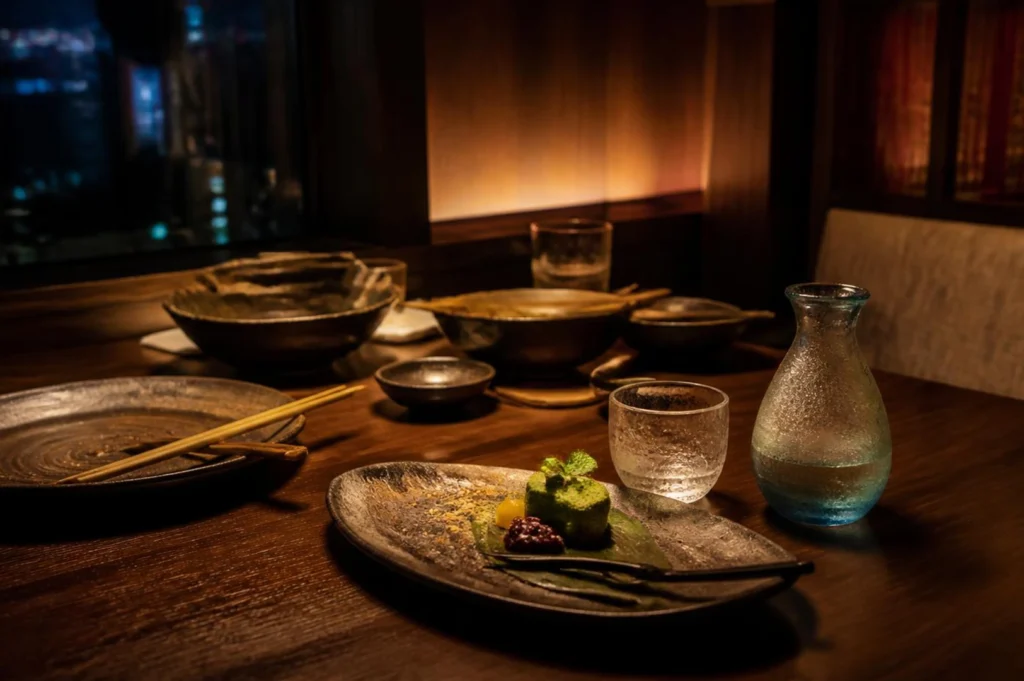
There is a moment after an izakaya meal that many diners recognise.
The plates are cleared, the final drink is finished, and the group starts deciding whether the evening should end there.
Often, it does not.
In Japan, this idea connects with shime (締め), a closing dish ordered after drinking. Traditionally, this may be a comforting bowl of ramen, rice, or noodles that signals the end of the night.
Singapore’s version is less fixed.
Instead of ending with another savoury dish, many diners continue the evening with dessert. A late-night sweet stop has become part of how people extend conversations after dinner.
The Connection Between Izakaya And Late-Night Desserts
Izakaya dining is not structured around a single main course. Diners usually order gradually, sharing small plates, grilled dishes, and drinks throughout the evening.
This slower pace creates room for another stop after the meal.
The purpose is not simply to add another item to the night. It is about continuing the social experience after the main dining session has finished.
For those planning an after-dinner route in Singapore, SG Dessert Lover’s late-night dessert Singapore guide** offers another reference point for finding dessert options beyond regular dining hours.
Why The Final Bite Matters
The closing dish plays a different role from the main meal.
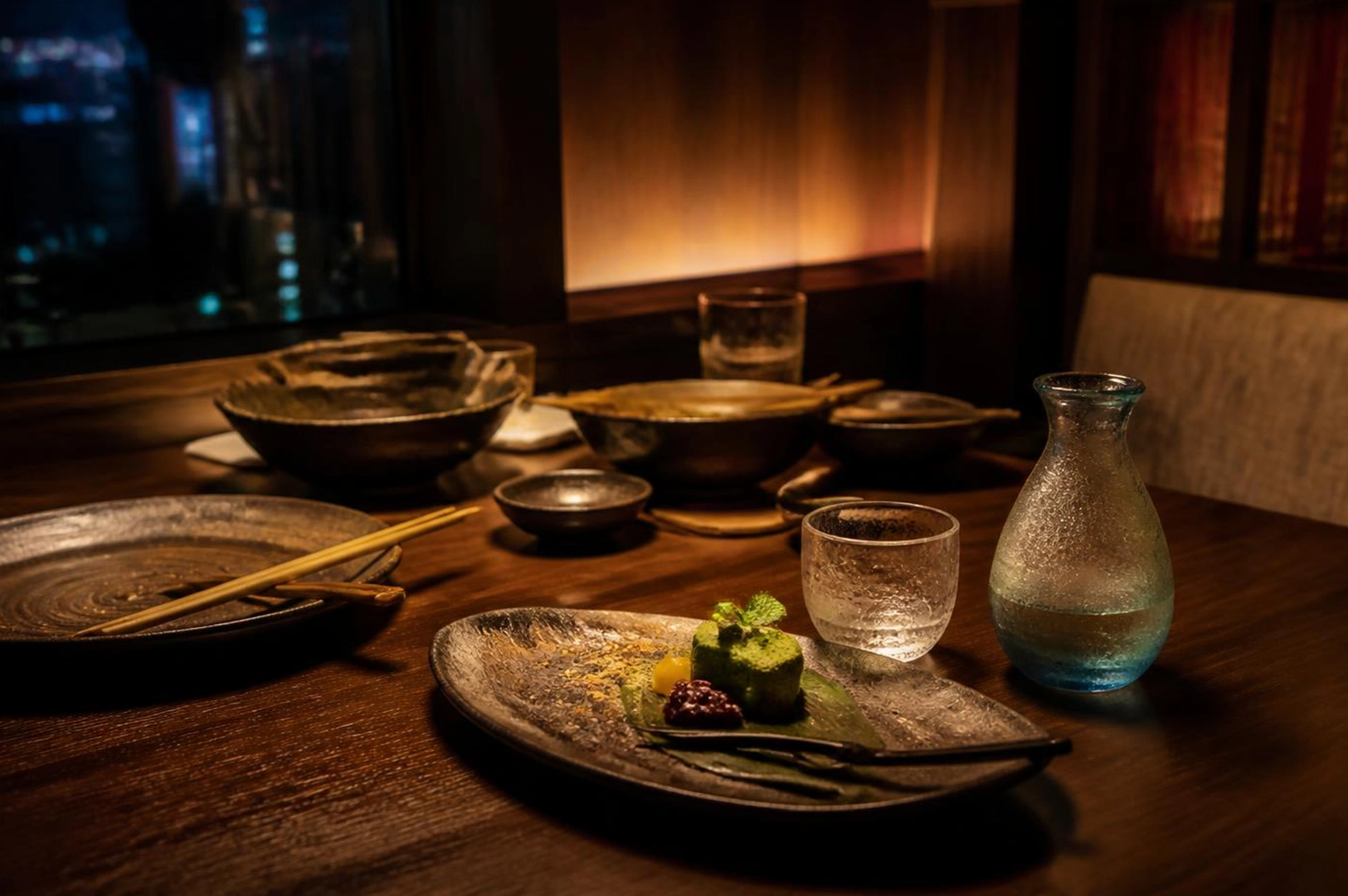
During an izakaya visit, attention is often placed on dishes such as yakitori, sashimi, grilled seafood, and shared plates. Dessert comes later, when the pace becomes more relaxed.
This is why a final sweet dish works naturally after Japanese dining.
It provides a simple ending to the evening, similar to how shime completes a drinking session in Japan.
Singapore’s Growing After-Dinner Food Culture
Singapore has a strong culture of eating after dark. From supper spots to dessert shops, many diners treat the hours after dinner as another opportunity to explore food.
This habit fits naturally with the izakaya experience.
A night out may begin with drinks and small dishes, continue with conversation, and finish somewhere else with dessert before heading home.
The restaurant is only one part of the journey.
Understanding The Modern Izakaya Evening
The modern izakaya experience extends beyond what is served on the table. It includes the pace of dining, the people sharing the meal, and what happens after the final order.
For Singapore diners, the connection between izakaya and late-night desserts reflects a wider food culture built around staying a little longer.
The last bite may not be the centre of the evening, but it often becomes the part that completes it.