The bowl arrived after everyone had already said they were full.
That is usually how the end begins.
Someone had asked for the bill too early. Someone else had checked the time, then placed the phone face down, as if that would delay the night a little longer. Outside, Singapore was still warm, the pavement holding the day’s heat even after rain. Inside, the table had gone quiet in the way tables do when nobody is ready to leave, but everyone knows they should.
Then the garlic fried rice came.
Not grand. Not dramatic.
Just a small bowl placed in the centre, steam rising between empty glasses and used chopsticks.
And suddenly, goodbye had to wait.
The Last Dish Has a Different Purpose
The first dishes of an izakaya night usually arrive with energy.
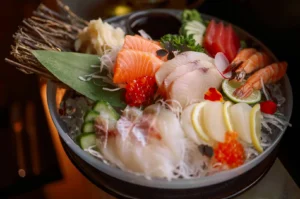
Skewers, karaage, sashimi, tamagoyaki. They invite reaction. Someone reaches across the table. Someone pours another drink. Someone says, “Try this one,” before the plate has properly settled.
But the final dish asks for something else.
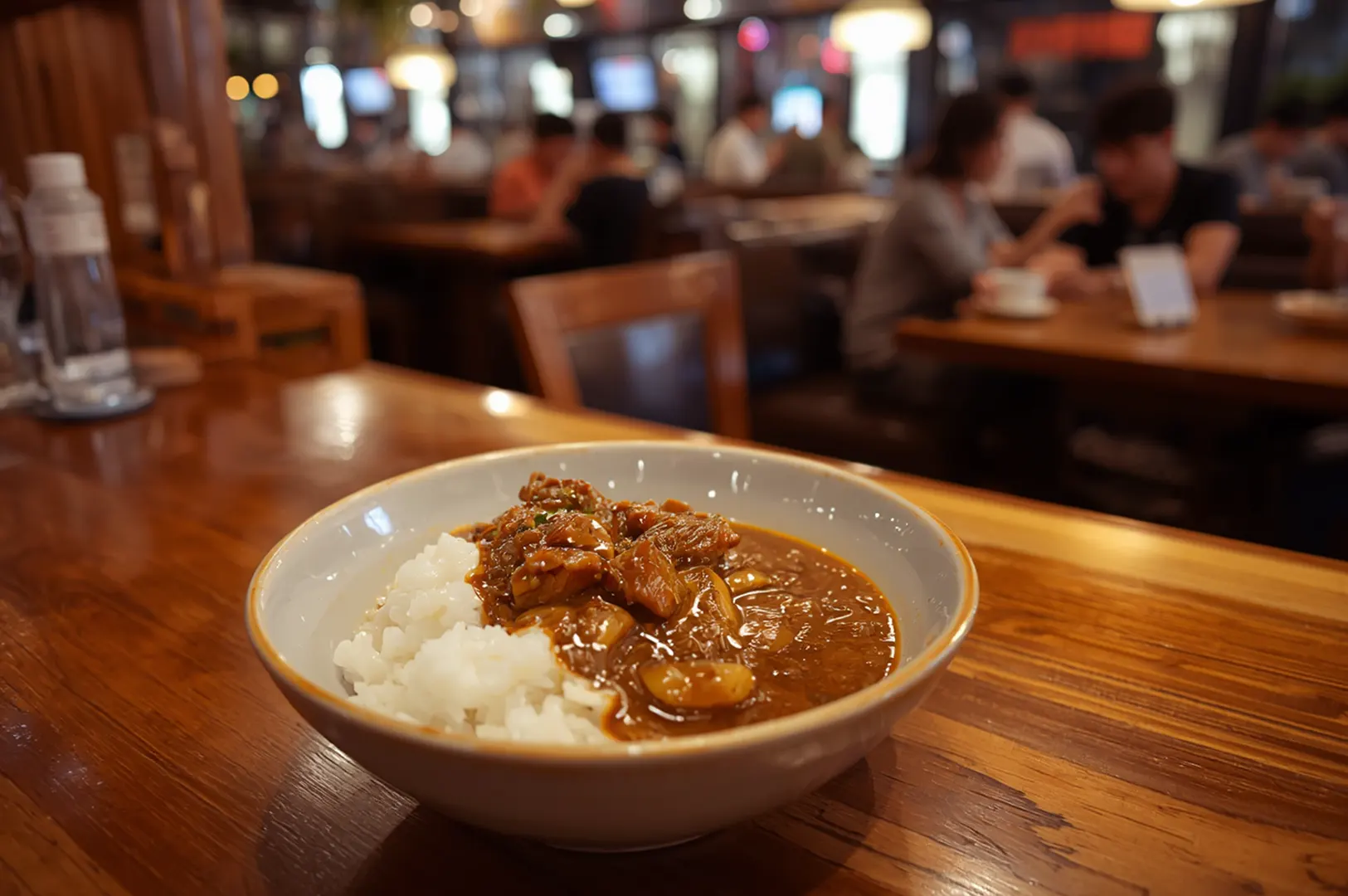
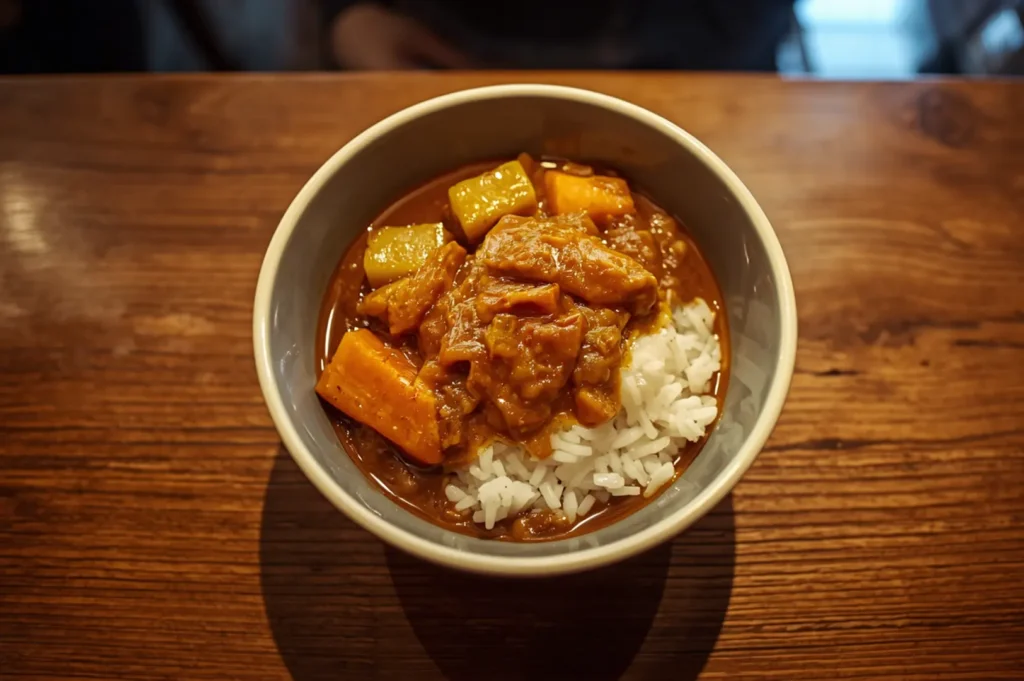
Rice, ramen, curry, or ochazuke does not push the night forward. It slows it down.
That is also why certain closing dishes, especially curry, make more sense at the end of an izakaya night — a rhythm we explore further in why curry is often ordered last at an izakaya.
After salt, smoke, fried edges, cold drinks, and repeated small bites, the table needs something steadier. Not more excitement. Not another decision. Just a dish that gives the evening somewhere to rest.
That is why rice often feels right at the end.
It gathers the meal without competing with it.
Why Rice Settles the Table
In many izakayas, the meal is built in fragments.
A few skewers. A fried dish. Something cold. Another drink. One more small plate because someone saw it on the next table.
It is enjoyable because it keeps changing.
But by the end, that variety can leave the body looking for balance. Rice and noodles answer that quietly. Garlic fried rice brings warmth and savoury weight. Ochazuke softens the palate with tea or broth. Curry rounds off the sharper flavours. Ramen gives the night a fuller close.
These dishes are not simply fillers.
They help the table return to itself.
The Moment Everyone Takes One More Bite
There is always someone who says they cannot eat anymore.
Then the bowl arrives, and they still take one spoonful.
This is the small truth of the closing dish. It does not demand appetite. It invites participation.
A shared bowl at the end of the night gives everyone a reason to remain seated for a few more minutes. The conversation becomes less hurried. The last drink is finished slowly. The table stops planning what comes next.
For a little while, nobody has to leave first.
That matters more than it seems.
A Softer Ending
I have noticed this in Singapore izakayas most clearly near last order, when the room begins to thin and the staff move with a quieter rhythm.
The night does not end all at once.
It loosens.
A bowl arrives. Chopsticks return to hand. Someone laughs softly at something already said earlier. The bill waits.
And when the meal finally ends, it does not feel cut short.
It feels completed.
Not because there was nothing more to say, but because the table had been given one last warm pause before goodbye.