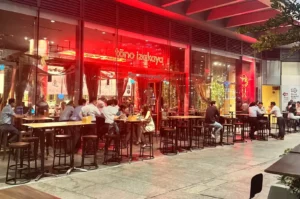
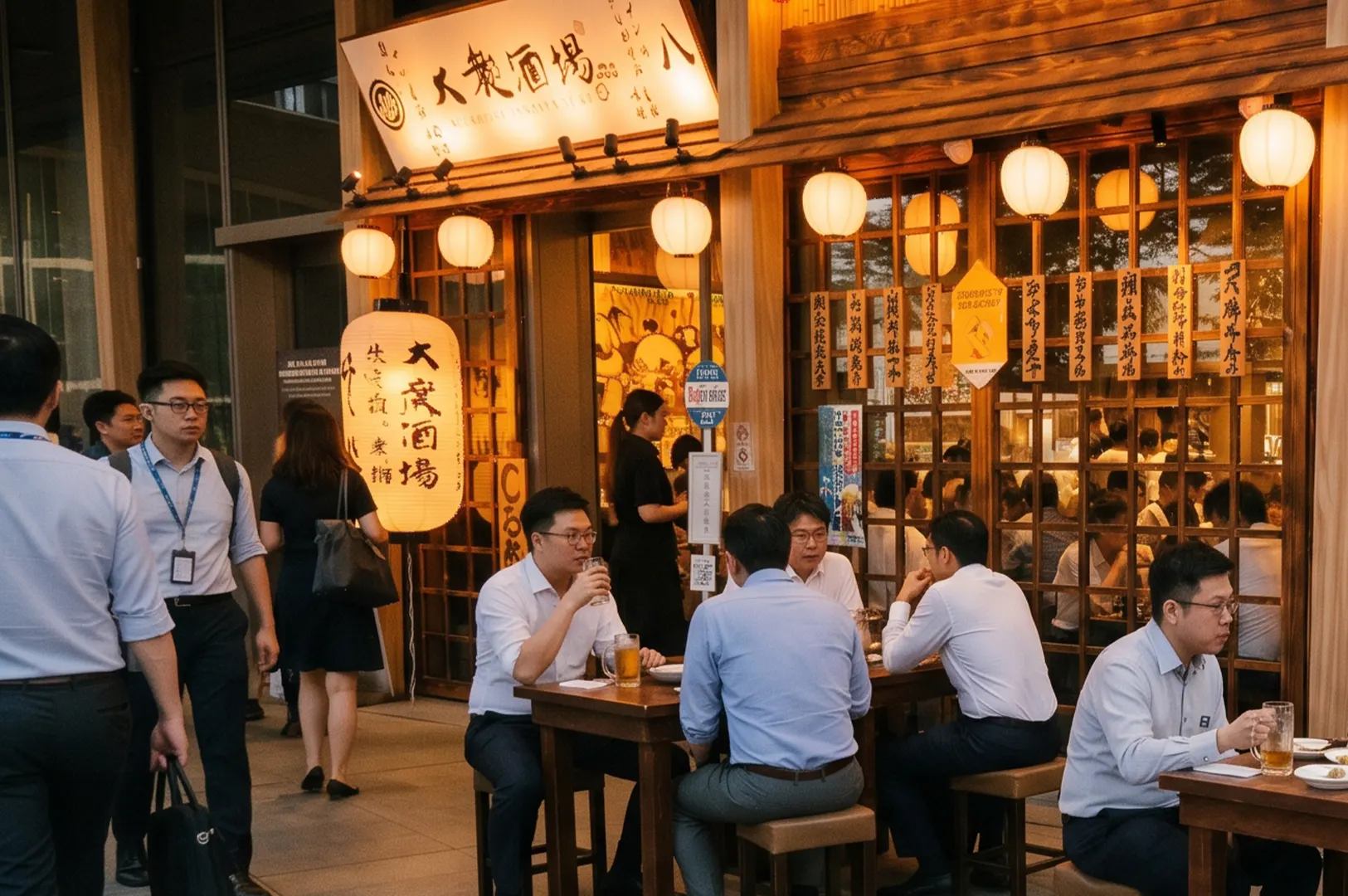
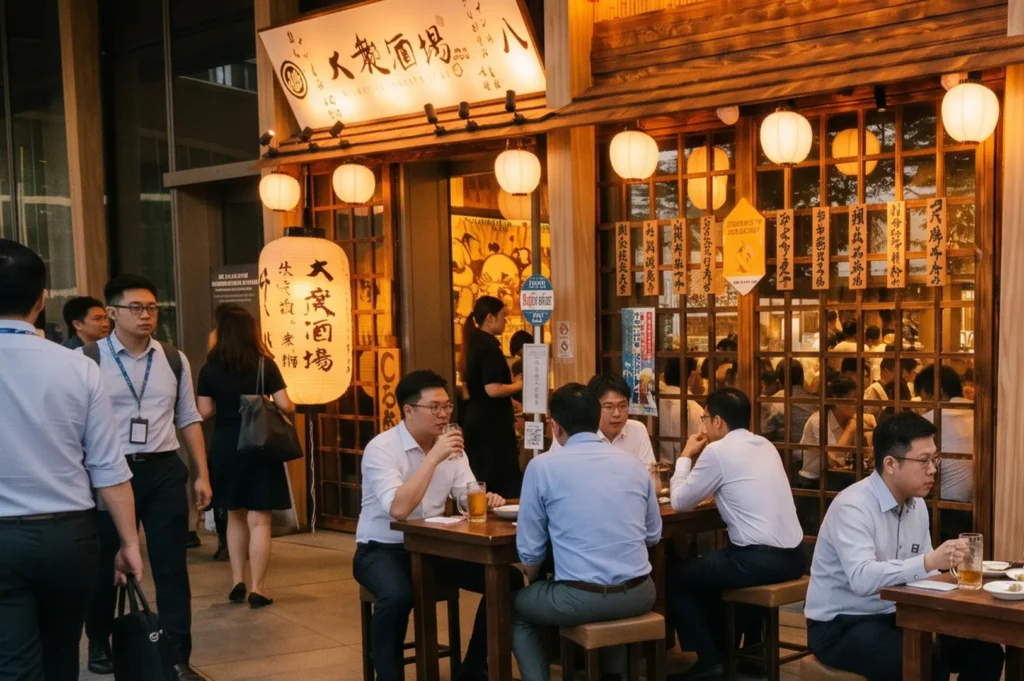
At 6:30PM, an izakaya in Tanjong Pagar can still feel slightly like the office.
Laptop bags sit under chairs. Sleeves are rolled up. Someone is checking one last message while the first highballs arrive. Menus get opened quickly because everyone is hungry and nobody wants to think too hard.
Come back three hours later and the same room can feel completely different.
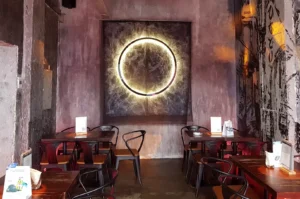
The tables have not moved. The lights have not changed.
The people have.
6:30PM Still Belongs to the Workday
Early evening has a particular kind of energy.
People arrive in small waves from nearby offices. The first order is often practical: sashimi for the table, a few skewers, something fried, perhaps oden if the weather or mood calls for it.
There is purpose to the ordering. Drinks arrive. Food follows. Conversations still circle around meetings, deadlines, and what happened that afternoon.
Places like Niningashi suit this moment well. Its broader menu and busier evening rhythm fit groups that want to sit down, order quickly, and let dinner gather momentum.
At this hour, an izakaya can feel like a bridge between work and whatever comes next.
Then Nobody Seems Quite as Urgent
Somewhere between the first and second round, the room changes.
Menus stop being passed around so often. Nobody is calculating quite so carefully what the table still needs.
Another sake appears. Someone orders grilled fish. A few more pieces of oden arrive even though nobody was especially hungry anymore.
Another round changes the table because nobody is ordering to solve hunger anymore; they are ordering because staying feels easier.
That slower second half of the evening is often what separates the best izakayas in Singapore from places that simply serve Japanese food, and our wider city view follows that same shift in mood from first drink to final round.
The evening becomes less efficient.
That is not a problem. It is usually the point.
By 9:30PM, restaurants such as KAMOSHITA or HEARTH can make particular sense. Both reward a slower pace, whether the table is lingering over oden and sake or sitting close to charcoal cooking that cannot be hurried.
You begin noticing things that were easier to miss earlier.
The sound between conversations. The pause before another pour. The table beside you leaving while yours stays.
The Same Counter Can Become Another Place
Time changes counter seating in subtle ways too.
At 6:30PM, you may be watching dishes move rapidly from kitchen to table.
Later, there can be more space between those movements. Someone who arrived recently may still be studying the menu while the person beside them has been there for two hours.
Both are having dinner in the same room.
They are simply at different points in the night.
That is why an izakaya atmosphere is difficult to describe as one fixed thing. Noise, pace, appetite, and conversation keep shifting as the evening moves.
The restaurant changes because its diners do.
At 6:30PM, most people have just arrived from somewhere else.
By 9:30PM, some have stopped thinking about where they need to go next.
The workday has finally loosened its grip.
And for a little while, staying feels easier than leaving.