Walk into any yakiniku restaurant in Singapore, and you’ll face a menu of tantalizing choices. On one side, you have familiar, comforting cuts. On the other hand, you see terms like “A5 Wagyu” and “Chateaubriand,” accompanied by prices that can be three to five times higher. This often leads to the central question of the night: are those premium yakiniku cuts really worth the splurge?
To appreciate the difference, you first need to understand the heart and heritage behind Japanese grilled meat—the craftsmanship of butchery, the culture of yakiniku dining, and the subtle art of choosing and grilling each cut. If you’d like to ground yourself in the essentials, start with this main guide, Understanding Yakiniku: Japanese Grilled Meat from Cut to Table, where we explore the foundations of this beloved culinary tradition.
Understanding the difference between premium and regular yakiniku meats is more than just a matter of budget. Knowing the various beef cuts and their unique characteristics—such as tenderness, marbling, and texture—can greatly enhance your yakiniku experience. It’s about knowing what you’re paying for in terms of flavor, texture, and experience. This guide will demystify the world of Japanese grilled meat, helping you navigate the menu like a pro, understand the different cuts available, and decide when to save and when to savor.
Introduction to Japanese Yakiniku
Yakiniku is a refined Japanese culinary tradition where diners grill thinly sliced beef, pork belly, and seasonal vegetables over charcoal or electric heat. This hands-on experience combines personal cooking with a lively atmosphere, central to yakiniku dining.
Originating in the Meiji era, yakiniku was shaped by Korean immigrants who brought grilling techniques and flavors that blended into a unique Japanese style. Today, it features premium wagyu beef alongside pork, chicken, and vegetables like kabocha squash.
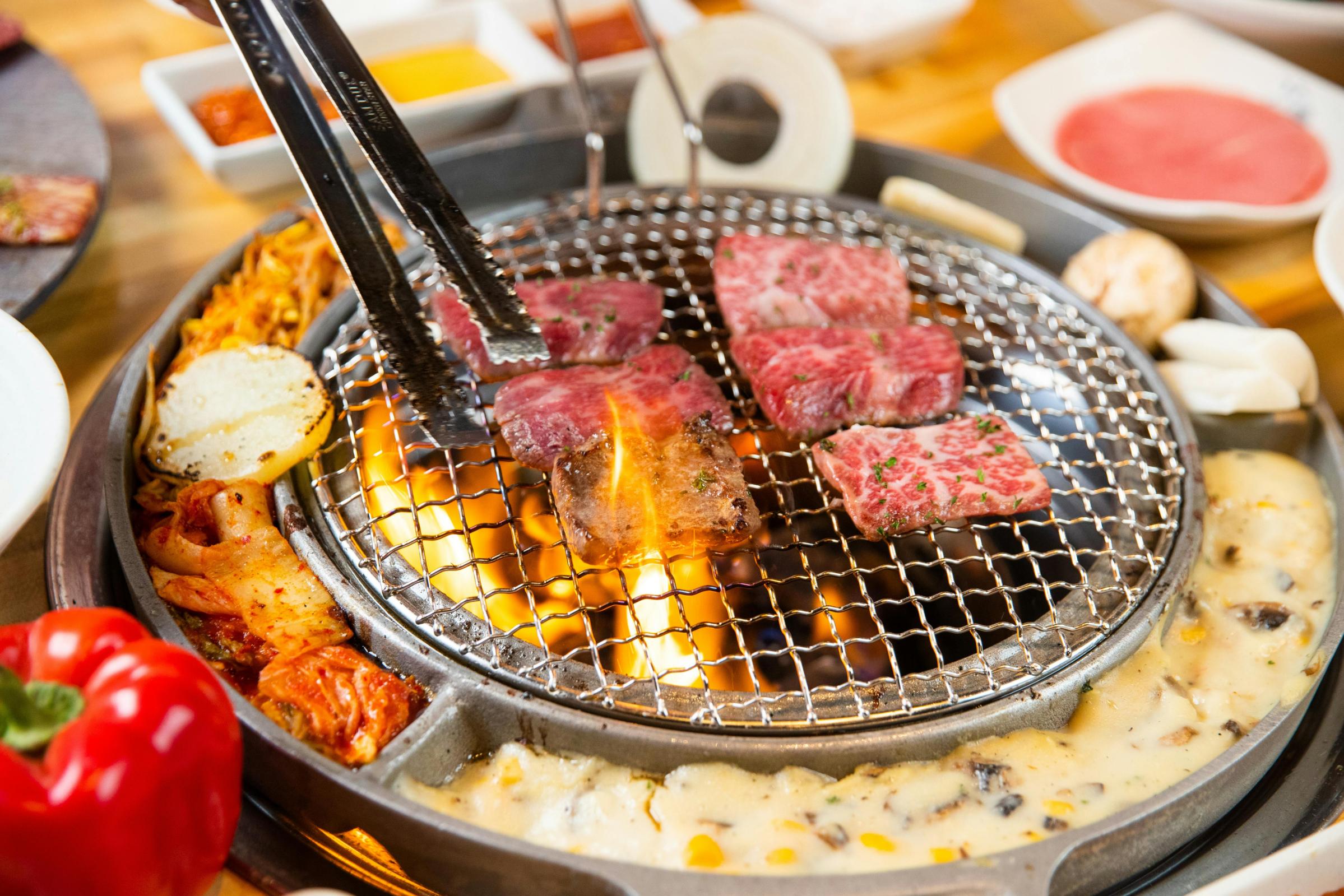
Diners select from curated meats and vegetables, grilling bite-sized pieces on a mesh grill over intense heat that seals in flavor and tenderness. After grilling, pieces are dipped in signature yakiniku sauce, soy sauce, or sesame oil, enhancing each bite.
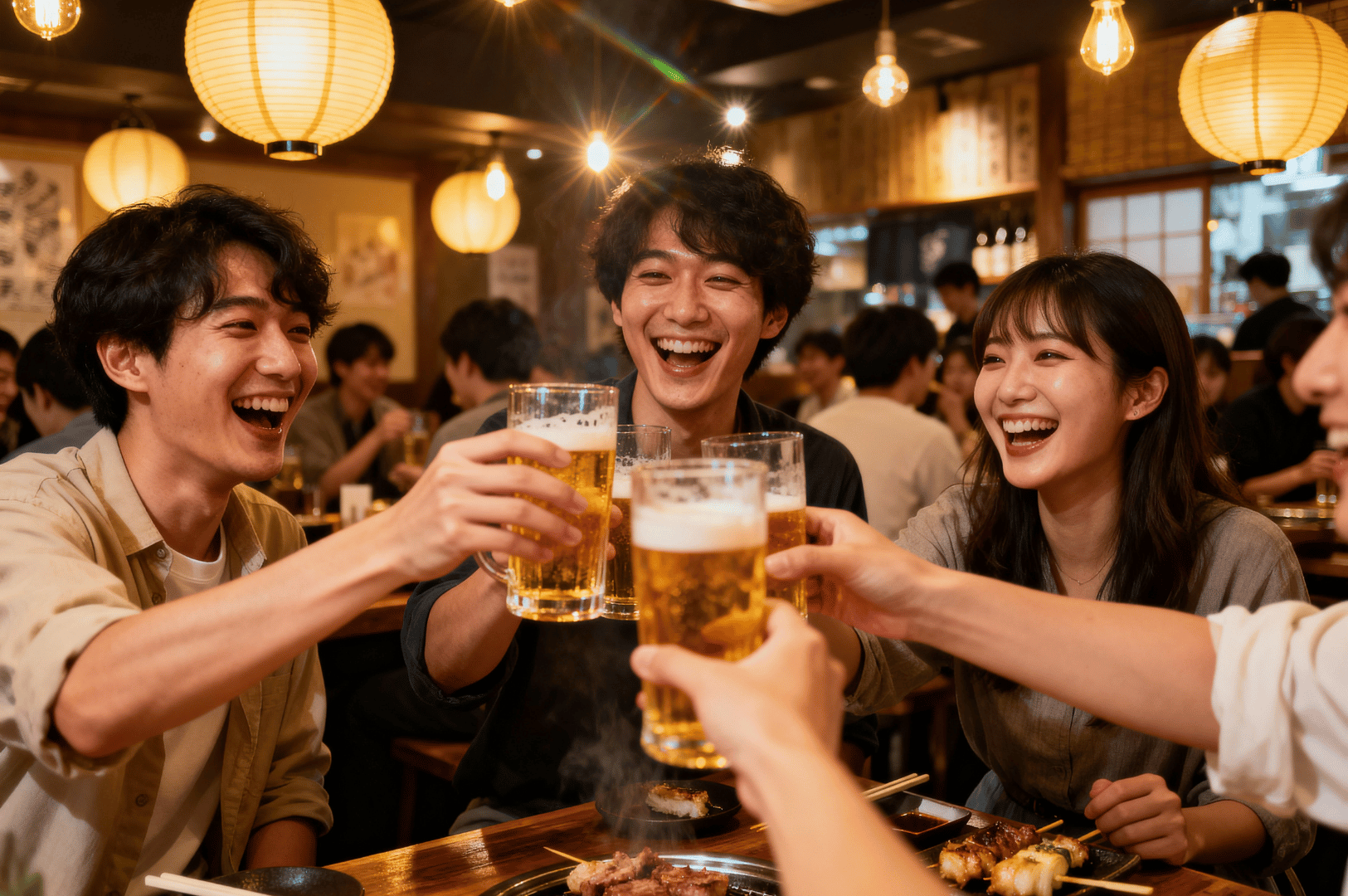
More than a meal, yakiniku is a social event where friends and family gather around the grill, sharing stories and laughter. Whether a seasoned fan or newcomer, yakiniku offers a memorable cultural and culinary experience.
Understanding Yakiniku Cut Classifications: Focus on Thinly Sliced Beef
Not all yakiniku cuts are created equal. The classification of these meats depends on a few key factors that directly influence both their quality and price.
Part of the Animal: Different muscles on the cow do different amounts of work. Cuts from less-exercised areas, like the loin or rib, are naturally more tender.
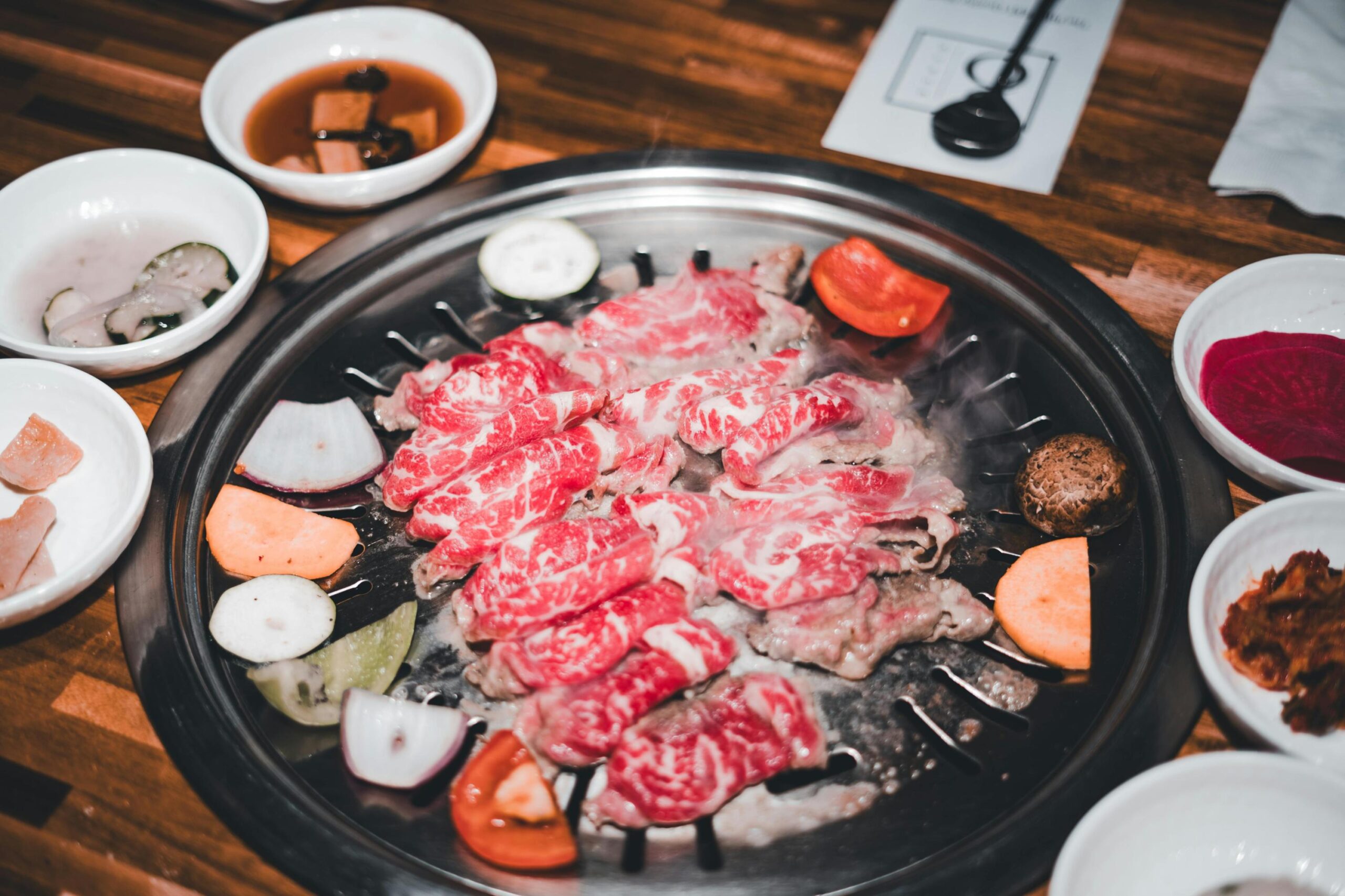
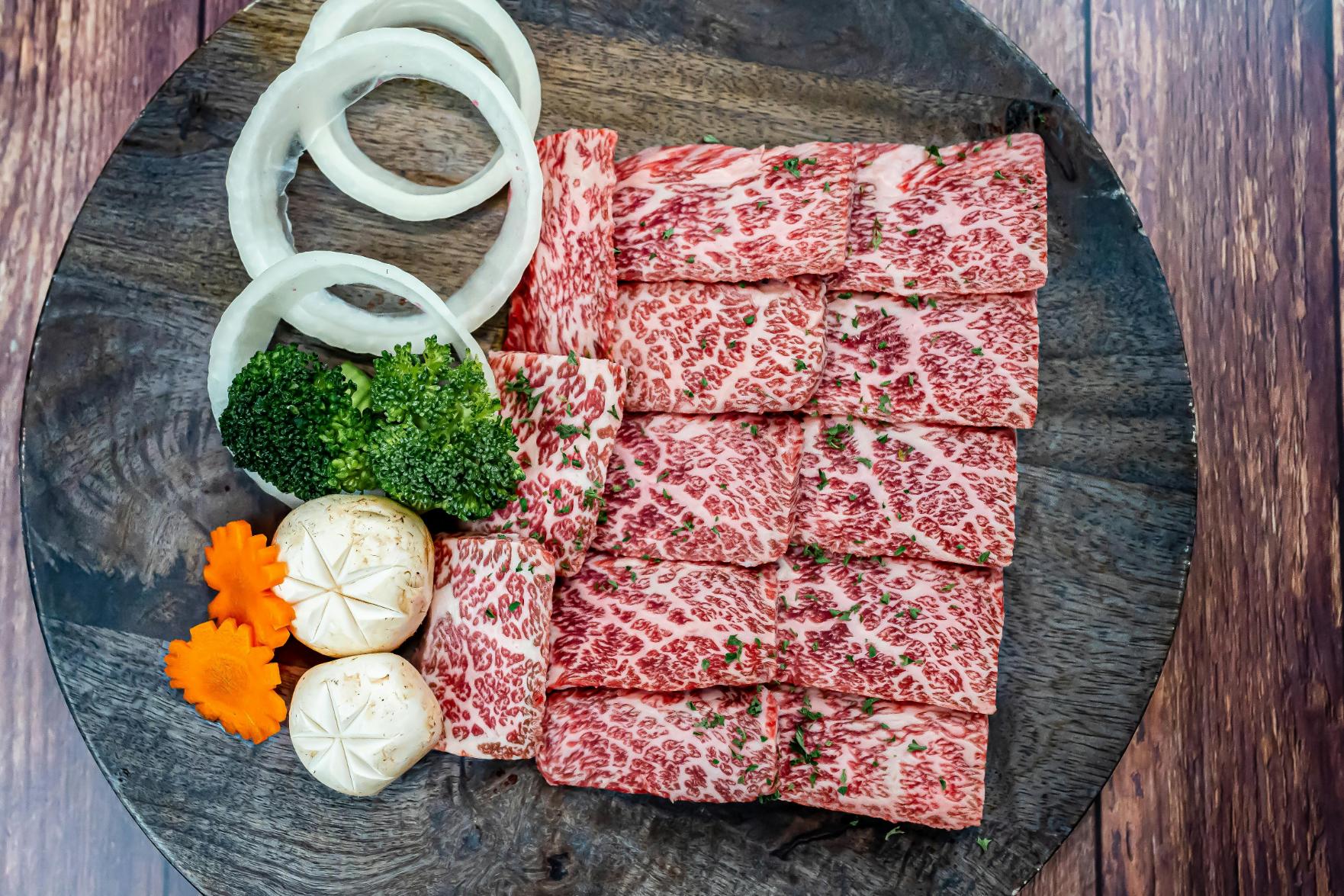
Marbling Quality: This is the most critical factor. The fine, web-like pattern of intramuscular fat is called sashi in Japanese. Higher marbling melts during cooking, infusing the meat with incredible flavor and creating a melt-in-your-mouth texture.
Preparation: A “premium” label often reflects the skill involved. This includes meticulous butchering techniques, precise slicing, and sometimes aging processes that enhance flavor and tenderness.
Essentially, a premium cut is one that comes from a prized section of a high-quality breed, boasts superior marbling, and has been expertly prepared by the chef.
Premium Yakiniku Cuts: The Top Tier of Grilled Meat
When you see “premium” on a menu, it almost always refers to high-grade beef, particularly premium Wagyu. Wagyu, which translates to “Japanese cow,” refers to specific Japanese cattle breeds known for their genetic predisposition to intense marbling. A5 beef represents the highest possible quality rating in Japan, scoring top marks for marbling, color, texture, and fat quality. These premium cuts are typically served raw at the table, allowing diners to cook them themselves and enjoy the interactive, communal yakiniku experience.
Here are some of the stars you’ll find in the premium section:
Premium Karubi (上カルビ): While karubi (short rib) is a standard cut, jo-karubi (premium) and tokujo-karubi (special premium) are on another level. Sourced from the most marbled part of the rib, these slices are exceptionally rich and buttery.
Zabuton (ザブトン): Meaning “cushion,” this is a rare cut from the chuck eye roll area. It’s intensely marbled and shaped like a small, square pillow, offering a beefy flavor profile with a velvety, tender texture.
Misuji (ミスジ): The “oyster blade” or “top blade” cut is prized for its signature line of soft tendon running through the center, which melts away on the grill. It delivers a unique combination of rich, beefy flavor and extreme tenderness.
Chateaubriand (シャトーブリアン): The crème de la crème, this is the center-most, thickest cut from the tenderloin. With practically no connective tissue, it is unbelievably tender and has a subtle, elegant flavor. It’s the definition of luxury in the world of yakiniku meats.
A Note on Specialty Organ Meats (Horumon)
While often affordable, some organ meats are considered premium due to their rarity and unique textures. Items like premium thick-cut tongue (atsu-giri tan) or sweetbreads can be highly sought-after delicacies that command a higher price.
Regular Yakiniku Cuts: Quality on a Budget
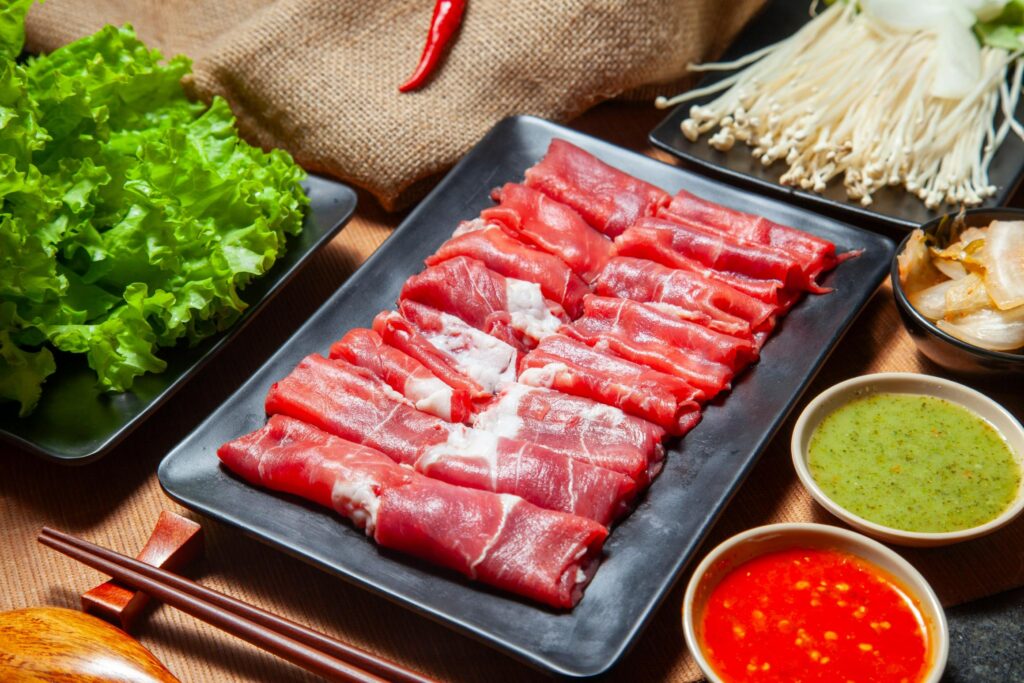
“Regular” does not mean low quality. These are the workhorse cuts of the yakiniku world—flavorful, satisfying, and more wallet-friendly. They form the foundation of a great Japanese grilled meat experience.
Standard Karubi (カルビ): The classic, everyday short rib cut. It has good marbling and a robust, beefy flavor that is perfect for pairing with rice and a sweet tare sauce.
Rosu (ロース): This refers to loin cuts, which are leaner than karubi. Rosu offers a more straightforward beef flavor and a firmer, yet still tender, texture. It’s an excellent choice for those who find premium cuts too rich.
Harami (ハラミ): Skirt steak. Technically an organ meat (from the diaphragm), it eats like a steak. It has a wonderfully rich, beefy taste and a satisfying chew. It’s a favorite among regulars for its fantastic flavor-to-price ratio.
Kashira (カシラ): Meat from the pig’s temple or cheek. It’s a lean and flavorful pork cut with a firm, slightly chewy texture that becomes deliciously juicy on the grill.
Price Differences: What You're Actually Paying For
Why does a plate of A5 Zabuton cost three to five times more than a plate of Harami? The price gap is driven by several tangible factors.
Marbling Score (BMS): The Beef Marbling Standard is a key determinant of price. A5 beef has a BMS of 8-12, while regular cuts have much lower scores.
Breed and Origin: True Japanese Wagyu from prized regions like Kobe or Matsusaka is the result of centuries of careful breeding and strictly controlled rearing methods.
Scarcity: A single cow yields only a very small amount of a cut like Chateaubriand or Misuji, making them naturally rare and expensive.
Aging Process: Some restaurants invest in dry-aging, a process that concentrates the meat’s flavor and improves tenderness but results in significant weight loss, adding to the cost.
Preparation Skill: The chef’s ability to expertly trim and slice each piece to maximize its texture and flavor is a hidden cost built into premium offerings.
When Premium Cuts Are Worth It
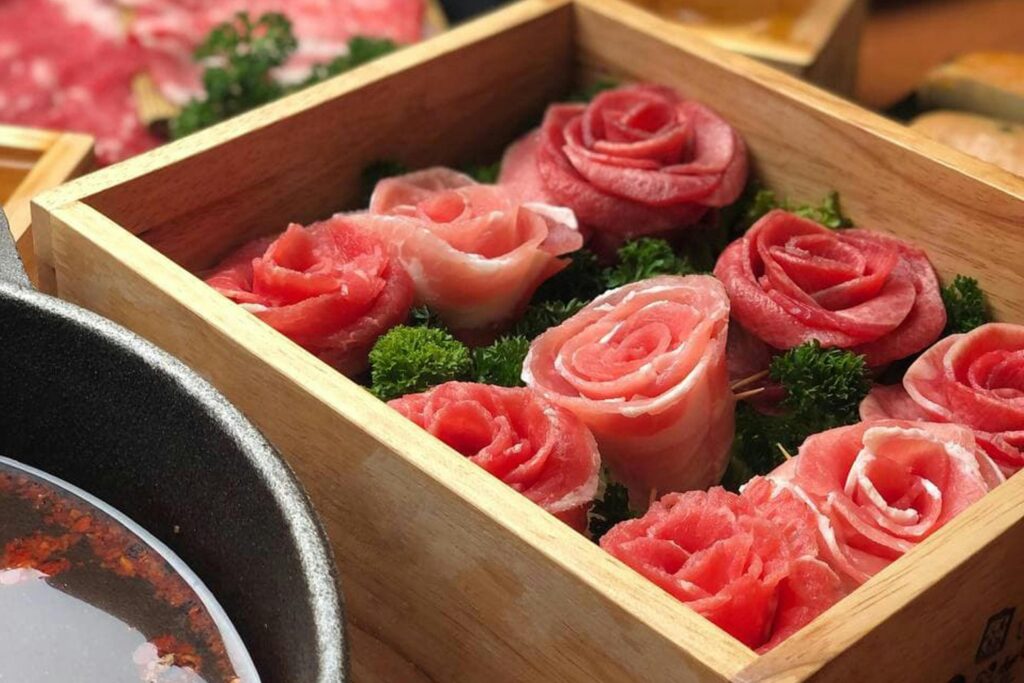
Splurging on premium cuts can be an unforgettable experience in the right context.
Special Occasions: For an anniversary, birthday, or major celebration, the luxurious, melt-in-your-mouth quality of A5 Wagyu makes the meal feel truly special.
A First-Time “Wow” Experience: If you’re introducing someone to high-end yakiniku, a single plate of a premium cut will instantly demonstrate what makes Japanese beef world-famous.
Educational Tasting: Ordering a premium cut alongside its regular counterpart (e.g., premium Karubi vs. standard Karubi) is a fantastic way to understand the impact of marbling on taste and texture.
You Prioritize Texture: If your idea of heaven is meat that dissolves on your tongue with minimal chewing, then premium, high-fat cuts are exactly what you’re looking for.
When Regular Cuts Are the Smart Choice
You don’t need to break the bank to have an amazing yakiniku experience. Regular cuts are often the better choice.
Casual Weeknight Dining: For a spontaneous yakiniku dinner, flavorful and affordable cuts like Harami and Rosu deliver all the satisfaction without the hefty price tag.
Large Group Gatherings: When you’re ordering for a big table, focusing on regular cuts allows everyone to eat their fill without the bill spiraling out of control.
You Prefer a Stronger “Beef” Flavor: Extremely high-marbled beef tastes more of rich, buttery fat. If you prefer a more classic, robust meat flavor, leaner cuts like Rosu or Harami are superior.
You’re a Sauce Lover: If your favorite part of yakiniku is dipping the grilled meat into savory tare and pairing it with garlic-infused rice, the nuanced flavor of a premium cut might be lost. Regular cuts are the perfect vehicle for delicious sauces.
If you end up with leftovers from regular yakiniku cuts, store them safely in an airtight container in the refrigerator. You can repurpose these leftovers in stir-fries, rice bowls, or even sandwiches for a flavorful meal the next day.
The Balanced Approach: Mixing Premium and Regular
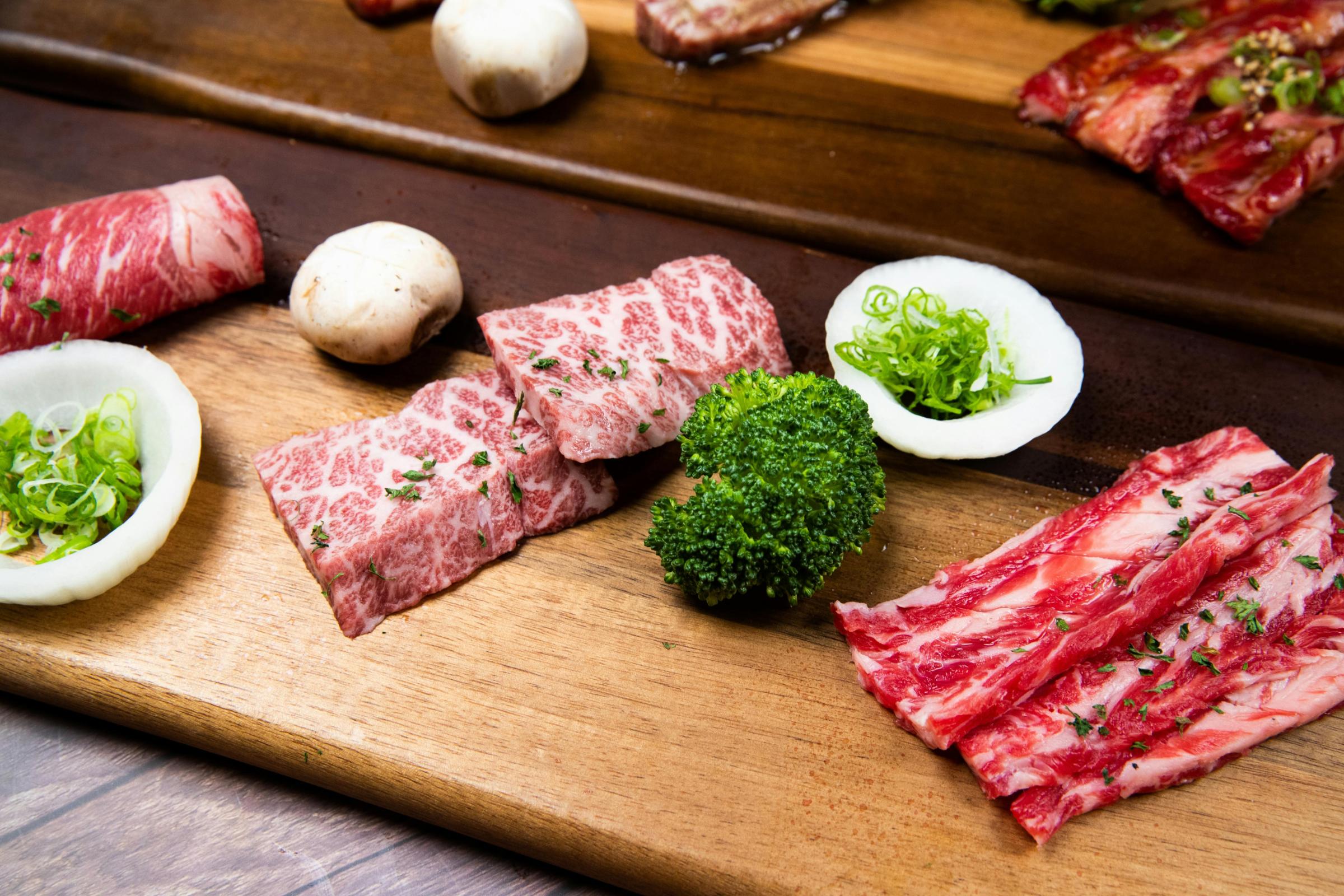
The smartest way to dine is to get the best of both worlds. A mixed strategy ensures a dynamic and cost-effective meal.
Start Lean, Finish Rich: Begin with lighter, salt-seasoned regular cuts like Rosu or Harami. Move on to the richer, sauce-marinated regular cuts like Karubi.
Order One “Star” Plate: Choose just one premium cut to be the centerpiece of the meal. A single plate of A5 Zabuton, shared among the table, is enough for everyone to savor the experience.
Balance with Pork and Chicken: Don’t forget other proteins! Juicy pork belly (butabara) and tender chicken thigh (tori momo) are delicious and affordable additions.
Fill Up with Sides: Use rice, soups, and vegetable sides to round out the meal and balance the richness of the meat. When assembling your yakiniku spread, consider a variety of grilling ingredients—meats, vegetables, and sides—to create a balanced and satisfying experience.
How to Maximize Value at Any Price Point
Master Your Cooking Technique
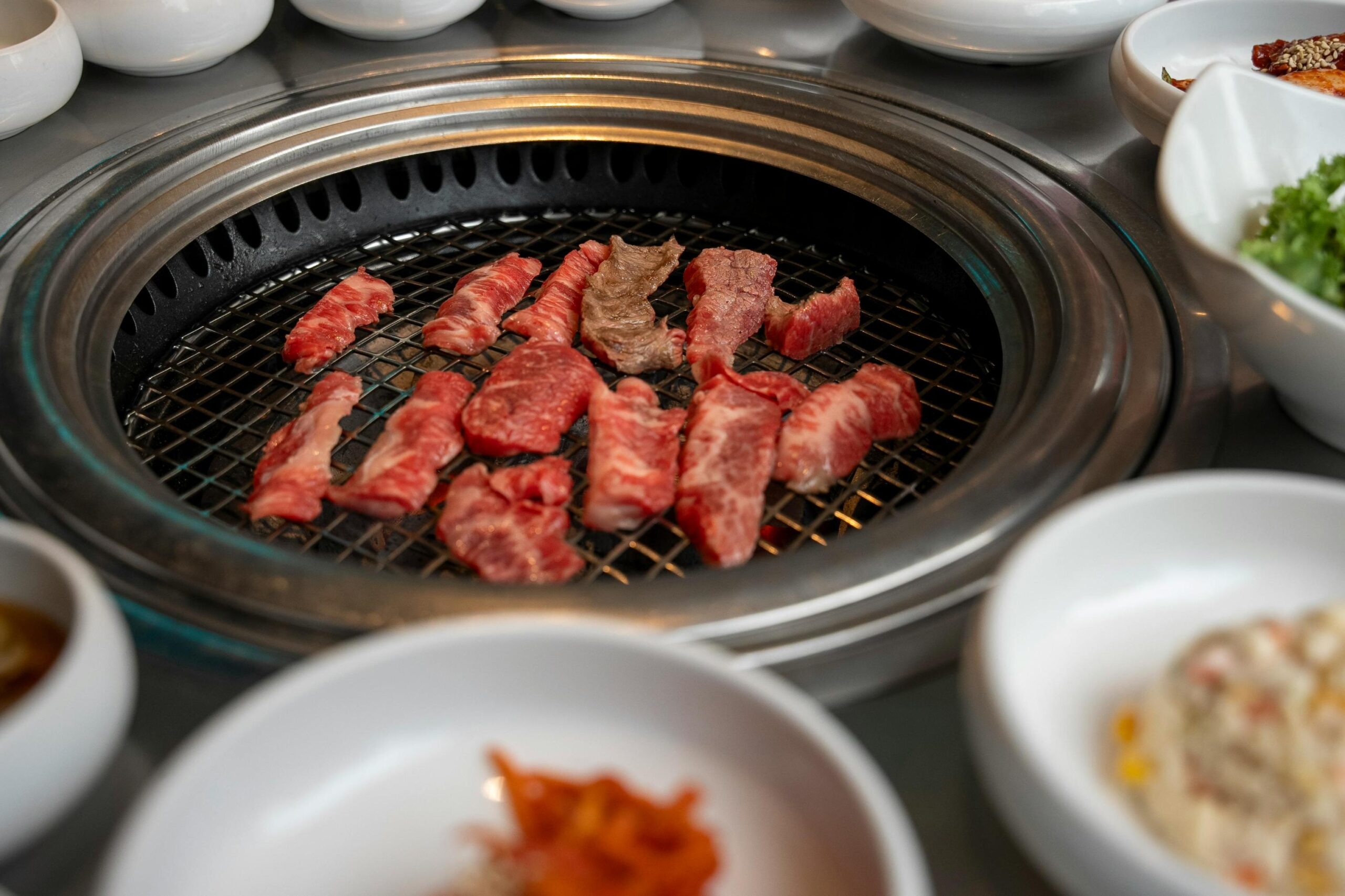
Don’t ruin an expensive piece of meat with poor grilling! Fatty, premium cuts should be cooked quickly on a hot grill—just 10-30 seconds per side is often enough to get a sear while leaving the inside practically raw. Make sure the grill is properly heated before you start cooking; placing meat on a cold or lukewarm grill can ruin the texture and flavor. Overcooking melts away the precious fat. Leaner cuts can handle slightly more time.
Order Strategically
Follow the lean-to-rich progression to avoid overwhelming your palate early on. Balance heavy meat dishes with refreshing sides like kimchi or a crisp cabbage salad. For incredible value, look for lunch sets, which often feature a high-quality selection of meats at a fraction of the dinner price. Alternatively, consider ordering course meals, which provide a structured selection of yakiniku meats and sides at a fixed price for a more comprehensive dining experience.
Regional and Seasonal Considerations in Singapore Yakiniku Restaurants
The Singapore yakiniku scene is unique. Most premium beef is imported from Japan, and transport costs contribute to the high price. However, many restaurants also offer high-quality Australian Wagyu, which provides a similar marbled texture at a more accessible price point. Also, keep an eye out for seasonal specials, which might feature unique vegetables or limited-time meat promotions. In Singapore, yakiniku restaurants often serve a wide variety of grilling ingredients, including seafood, prawns, mushrooms, onions, lettuce, and other vegetables, allowing diners to enjoy these alongside premium and regular meats.
The Verdict: Is Premium Worth It?
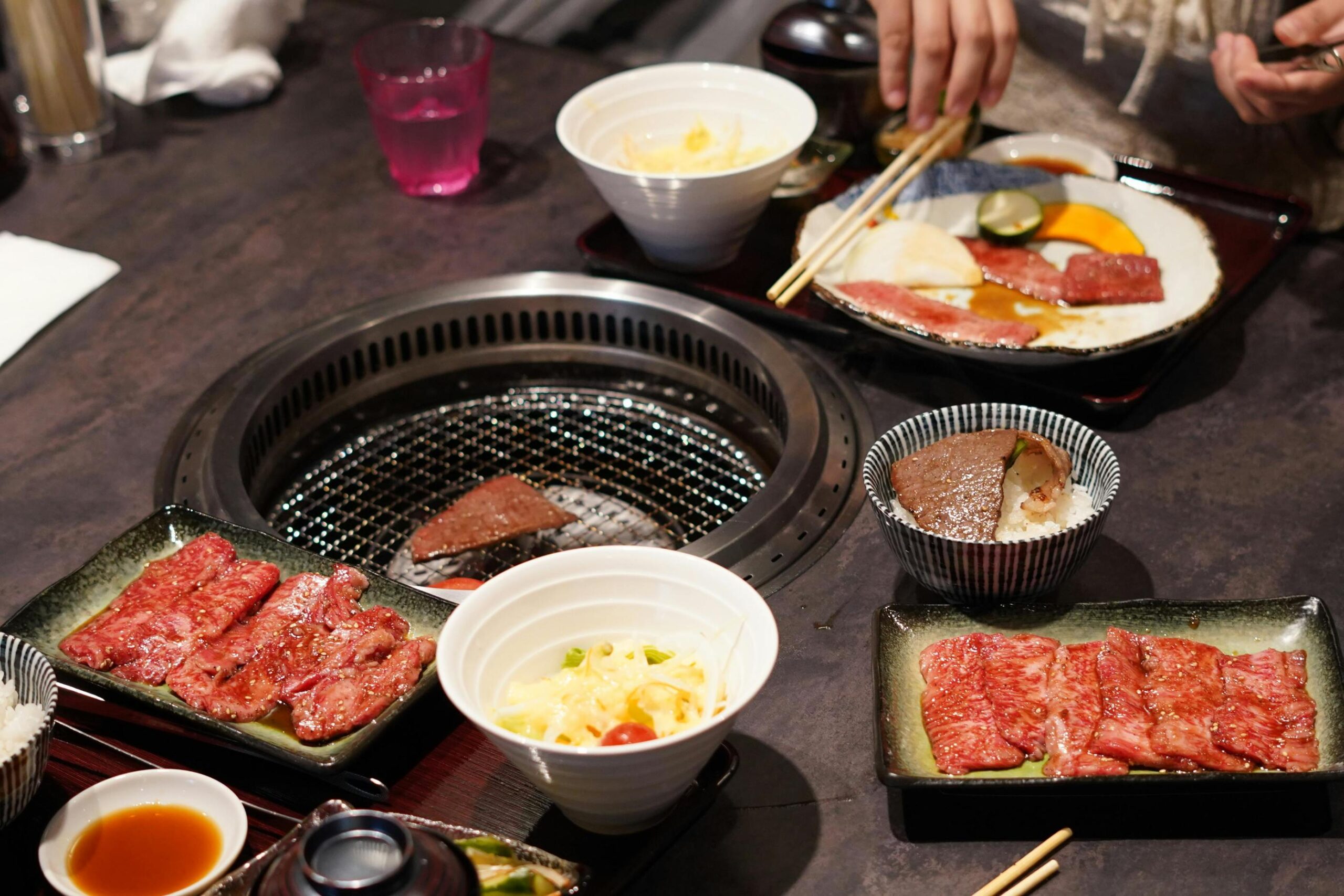
Ultimately, the “worth” of premium yakiniku is subjective. It depends on the occasion, your budget, and your personal taste. For some, the sublime, buttery texture of a premium Wagyu cut is a culinary peak worth every penny. For others, the robust flavor of a perfectly grilled piece of Harami dipped in tare sauce is just as satisfying.
Yakiniku, often referred to as Japanese barbecue, draws inspiration from both Japanese and Korean barbecue traditions. The influence of Korean BBQ is especially notable, with dishes like bulgogi—marinated and grilled meat—highlighting the connection between the two cuisines. While traditional yakiniku restaurants use charcoal grills, modern venues frequently offer electric grills for convenience and safety. Condiments play a crucial role in the yakiniku experience, with sauces and garnishes featuring ingredients like lemon juice, sesame seeds, and sugar to enhance the flavors of the grilled meats. For best results, try dividing your sauce in half: use one half for marinating the meat and reserve the other half for dipping after grilling.
The beauty of yakiniku is that it accommodates both philosophies. A great dining experience isn’t measured by the price of the meat but by the quality of the ingredients, the warmth of the company, and the joy of grilling together. Whether you choose regular, premium, or a little of both, the goal is the same: to enjoy a delicious meal and create lasting memories.
By understanding yakiniku meats and the qualities that distinguish premium cuts from regular ones, you can make informed choices that suit your palate and occasion, ensuring every yakiniku experience is both satisfying and memorable.