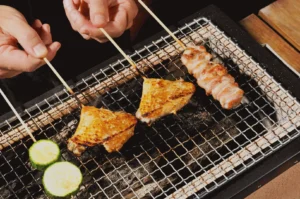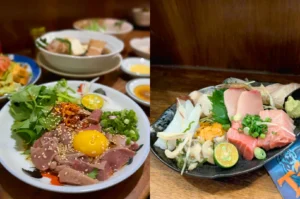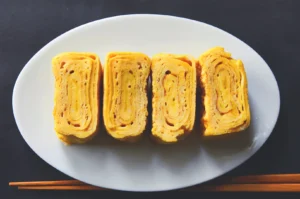
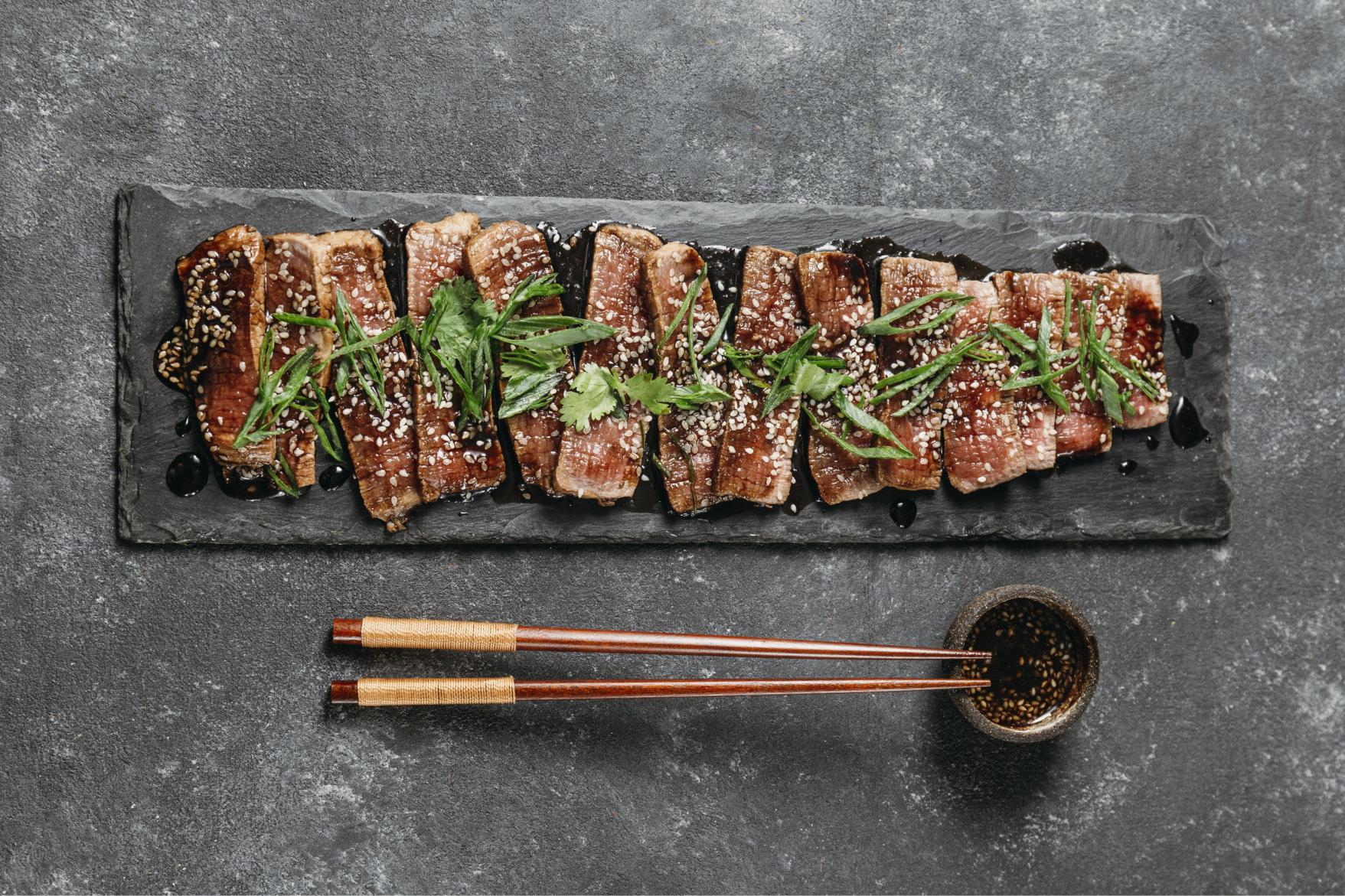
Yakiniku, meaning “grilled meat,” is a celebrated Japanese BBQ dining experience where diners gather around a grill embedded in the table to cook premium cuts of meat, seafood, and vegetables. This interactive, communal feast is more than just food—it’s a joyful social ritual that brings friends and families together to savor the art of grilling, then dipping the cooked meat and vegetables into sauces before they are eaten directly for maximum flavor.
Click here to explore Japanese Izakaya Reviews.
Introduction to Yakiniku
Originating from Korean grilling techniques, Japanese yakiniku has evolved into a refined art focusing on premium cuts like wagyu beef, cooked to highlight natural flavors. In yakiniku restaurants across Japan, Singapore, and beyond, diners select from a variety of meats, including wagyu, pork, and chicken, as well as fresh seafood and vegetables. The grill at the table serves as the centerpiece, where guests cook their selections to perfection, then dip them in flavorful sauces before eating. This interactive and communal ritual celebrates the joy of Japanese BBQ and the appreciation of quality ingredients.
History & Cultural Background of Yakiniku and Japanese BBQ Restaurants
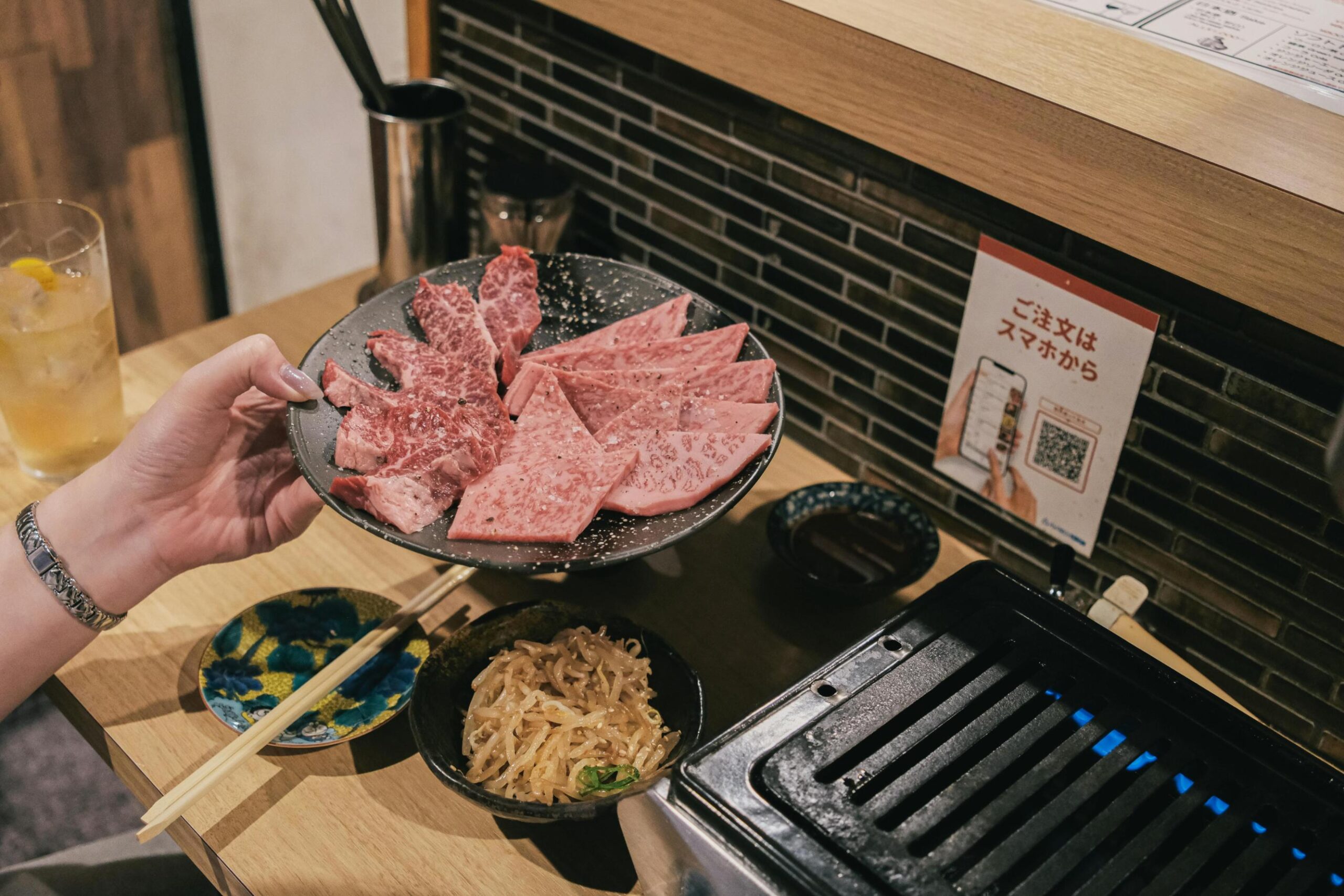
The modern style of yakiniku restaurants is derived from Korean cuisine introduced to Japan post-WWII by Korean immigrants. The term ‘yakiniku‘ refers to the Japanese style of grilling meat, which has evolved from its Korean origins. Over time, it developed into a distinctly Japanese style, focusing on premium cuts like wagyu beef, cooked simply to highlight natural flavors. Japanese yakiniku restaurants emphasize fresh ingredients and house-crafted sauces, making the dining experience both social and sophisticated. Today, yakiniku is a staple in Japan and popular worldwide.
For interesting, authentic Japanese dining and premium sake, be sure to check out: Nomiya Izakaya & Sake Bar: Chinatown’s Hidden Gem for Authentic Japanese Dining and Premium Sake.
Premium Cuts and the Wide Array of Ingredients in Japanese Yakiniku
A hallmark of premium Japanese BBQ is the variety of expertly prepared cuts and ingredients. Yakiniku restaurants offer various cuts of meat, including specialty and premium options, alongside a wide array of meats, seafood, and vegetables, ensuring something for every palate.
Wagyu Beef and Essential Cuts
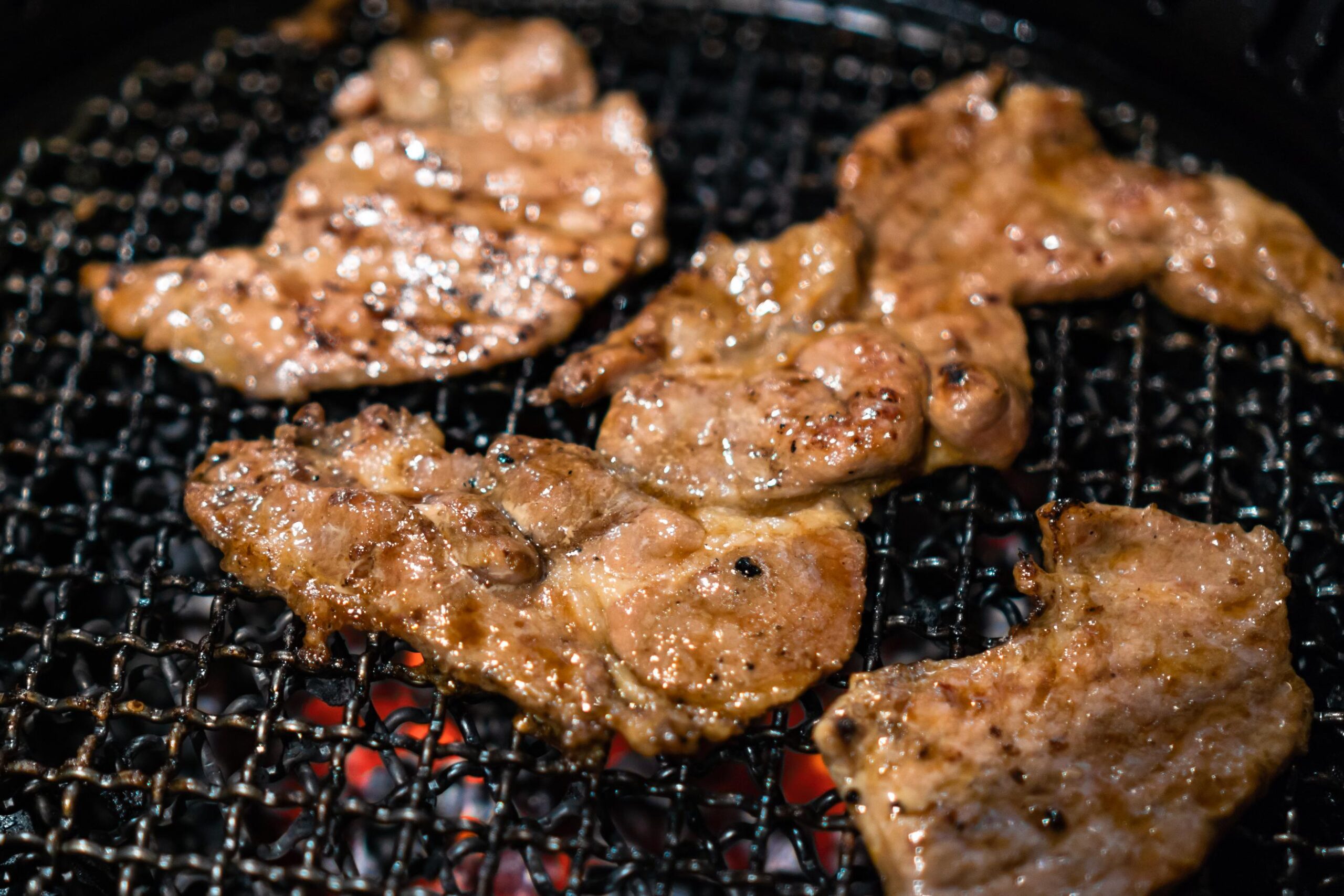
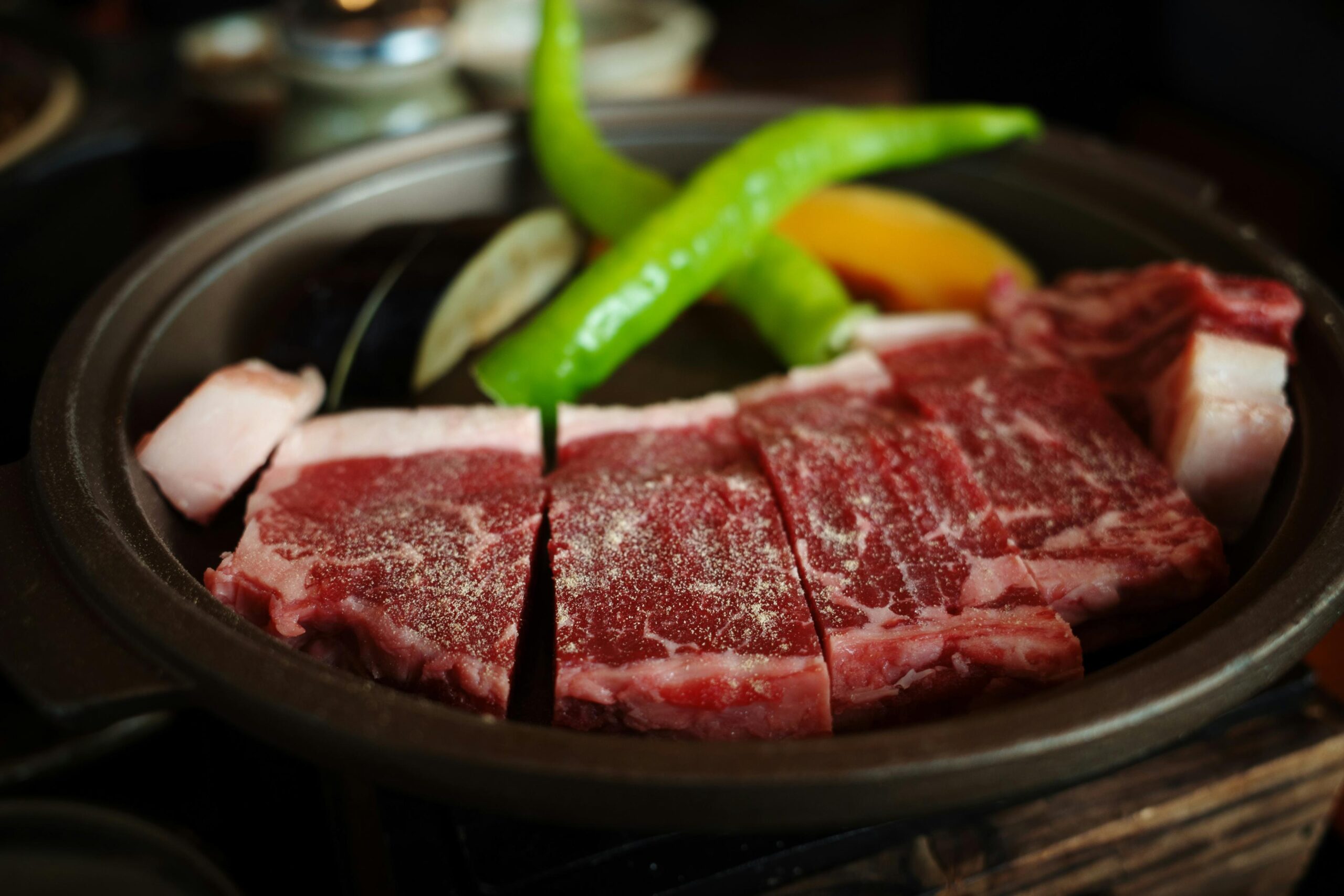
- Wagyu Beef: Renowned for its exquisite marbling and tender texture, wagyu beef is the star of premium Japanese BBQ. Cuts like A5 sirloin, ribeye, and karubi (short rib) deliver rich flavor and buttery juiciness. Some premium yakiniku experiences offer a head-to-tail selection, allowing diners to sample a curated range of cuts from the head to the tail of the animal, highlighting the quality and variety of wagyu.
Karubi (Short Rib): Known for its rich marbling and melt-in-mouth quality, karubi is often pre-marinated in a sweet-savory tare sauce, enhancing its natural beef taste.
Rosu (Loin): Leaner than karubi, rosu offers a delicate, beefy flavor with fine marbling, perfect for those who prefer tender yet lighter cuts.
Harami (Skirt Steak): With a robust beef flavor and slight chewiness, harami is versatile and absorbs marinades well, making it a popular choice.
Gyutan (Beef Tongue): Thinly sliced and seasoned with salt, gyutan offers a crisp, springy texture and is traditionally served with lemon, a must-try dish at yakiniku restaurants.
When preparing vegetables or sides for yakiniku, it’s common to serve portions such as half an onion or a half wedge of squash, making it easy to grill and share among diners.
Pork, Chicken, and Other Meats
Pork Belly: Juicy and flavorful, pork belly slices caramelize beautifully on the grill. Some diners prefer seasoning with salt or dipping in miso-based sauces for added depth.
Tontoro (Pork Jowl): With rich marbling similar to beef karubi, pork jowl offers a tender, juicy alternative for pork lovers.
Chicken: Often served as tender chicken thigh, it grills quickly and absorbs sauces well, rounding out the meat options.
Seafood and Vegetables
Seafood: A variety of fresh seafood, like prawns, squid, and scallops, adds a lighter, flavorful dimension to the feast. These are cooked briefly to retain their natural juices. Seafood not only provides a contrast to the richness of the meats but also adds a delightful texture and taste that complements the smoky flavors from the grill. Some yakiniku restaurants may also offer other seafood options such as oysters, clams, or fish fillets, allowing diners to enjoy a diverse selection of ocean delicacies.
Vegetables: Grilled vegetables such as shiitake mushrooms, king oyster mushrooms, cabbage, sweet potatoes, and bell peppers provide essential balance and texture to the meal. These vegetables are often lightly seasoned or brushed with sesame oil to enhance their natural sweetness and umami. The variety of vegetables ensures a refreshing palate cleanser between meat courses and adds nutritional value to the meal. Additionally, some restaurants may include seasonal vegetables like asparagus, corn, or zucchini, which can be grilled to tender perfection, offering a colorful and healthy accompaniment to the rich flavors of yakiniku.
Mastering the Yakiniku Grill: Techniques and Equipment
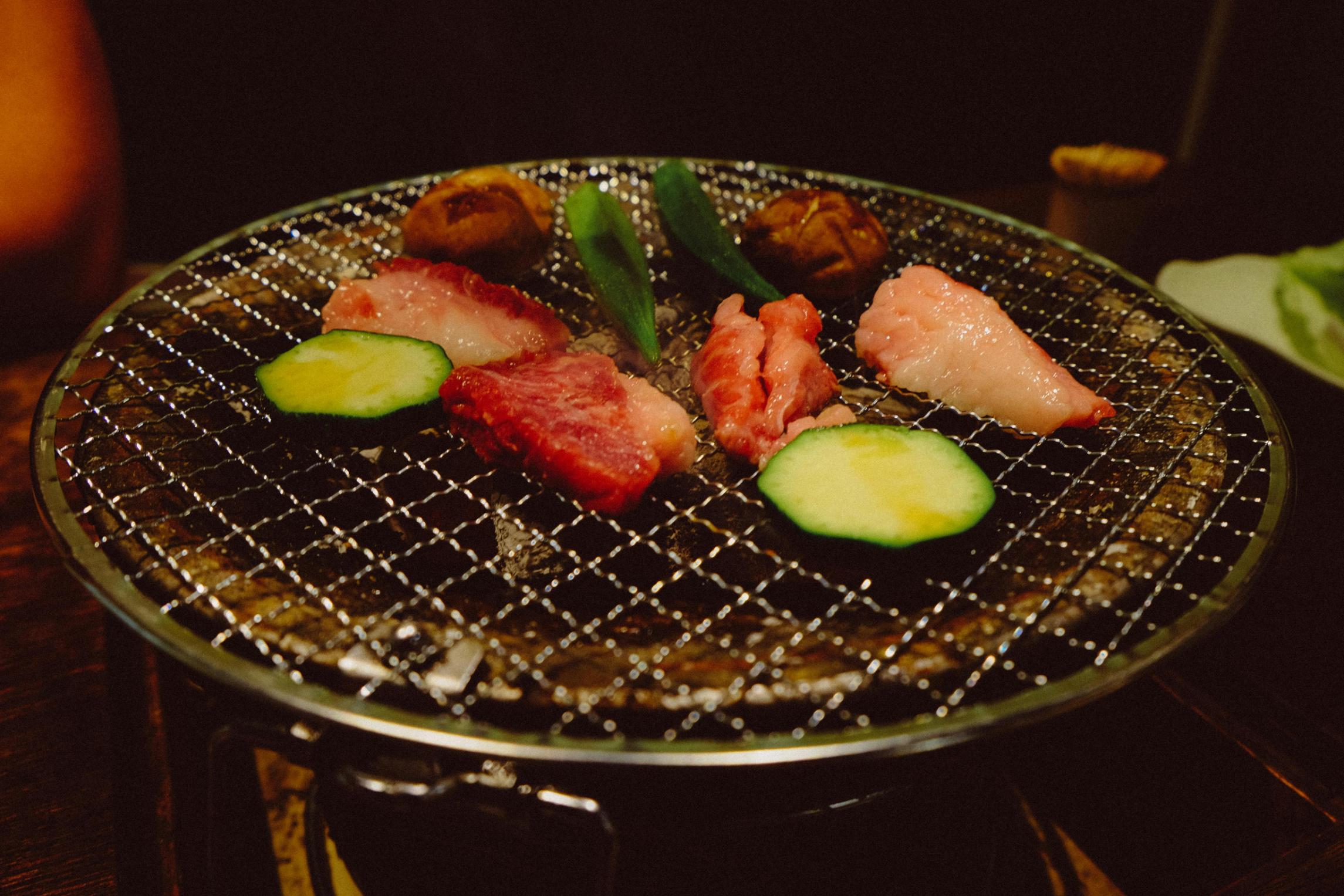
The essence of yakiniku lies in the hands-on grilling experience, whether at a restaurant or at home.
Types of Grills
Charcoal Grills: Preferred in top yakiniku restaurants, especially those using binchotan charcoal, which imparts subtle smokiness and intense heat for perfect searing.
Gas Grills: Common in busy venues, offering consistent and adjustable heat for even cooking.
Electric Grills: Popular for at-home yakiniku or lunch specials (Mon–Fri), electric grills provide a smoke-free, convenient way to enjoy Japanese BBQ with precise temperature control.
Grilling Tips for Perfection
Preheat the grill thoroughly.
Avoid overcrowding; cook a few slices at a time to maintain heat.
Flip meat only once, especially thin slices, to lock in juices.
Use hotter center zones for meat and cooler edges for vegetables.
Remove meat as soon as it reaches the desired doneness to preserve tenderness and flavor.
Essential Tools and Utensils for Yakiniku
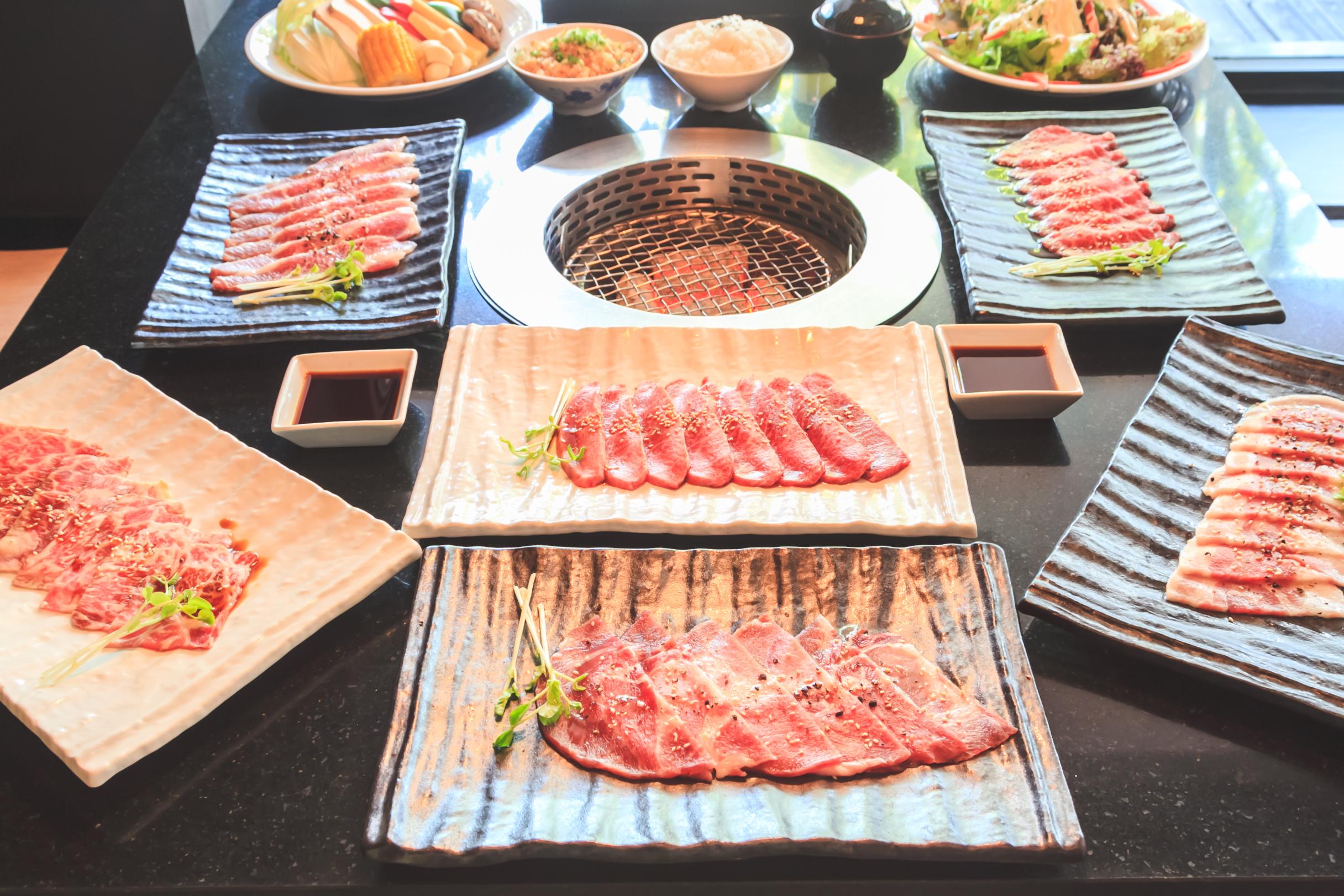
There is something about the quiet ritual of Japanese barbecue that settles into memory like smoke into fabric—lingering, warming, becoming part of you. The art reveals itself not merely in the wagyu’s marbling or the pork belly’s tender yield, but in the tender choreography of preparation, in the weight of well-chosen tools that feel right in your hands. Whether gathered around glowing coals in Singapore’s hidden yakiniku corners or creating sanctuary at your own table, these implements become extensions of the experience itself, each one carrying its own quiet significance.
Electric Grills:The soft hum of an electric grill creates its own gentle soundtrack, a modern meditation replacing the ancient crackle of charcoal. At places like Yakiniku-GO, these tabletop companions glow with patient warmth, their surfaces becoming stages where beef and vegetables dance in their own time. There is something deeply satisfying about this smokeless simplicity, the way it invites unhurried conversation while meat slowly surrenders to heat. At home, such a grill transforms an ordinary evening into something ceremonial, making space for the slow pleasure of tending to what you will soon share.
Tare Sauce:In the small ceramic dish, tare waits like liquid memory—soy sauce, sake, and mirin flowing together with whispers of garlic and sesame oil’s golden warmth. This is where tradition pools, where each dip carries forward generations of careful balance. The sauce clings to beef tongue with familiar embrace, painting vegetables with sweetness that speaks of patient fermentation and time-honored proportions. To taste it is to understand something essential about Japanese hospitality, the way simple elements combine to honor what they touch.
Meat Slicers:The blade moves through wagyu like a calligrapher’s brush through silk, each pass revealing the meat’s inner landscape in translucent sheets. There is poetry in this precision, the way uniform thickness allows heat to penetrate evenly, how paper-thin slices catch marinades like morning dew on petals. In the hands that know their craft, the slicer becomes an instrument of respect, ensuring each piece receives the care it deserves before meeting flame.
Grilling Tongs and Forks:Long handles keep hands safe from zealous heat while allowing the delicate ballet of turning meat to unfold with grace. The weight of good tongs feels substantial, purposeful, their grip confident yet gentle enough to cradle a fragile shiitake or lift tender beef without tearing. These become the conductor’s baton in the symphony of grilling, orchestrating the precise moment when one side yields to the next, when perfection meets its brief and perfect window.
Cutting Boards:The cutting board bears witness to preparation’s quiet moments, its surface marked by the gentle violence of knives meeting ingredients. Here, vegetables surrender their rigid forms while wagyu awaits its transformation, the board’s broad expanse holding space for the alchemy of readiness. Easy to clean yet substantial enough to anchor the work, it becomes foundation for the meal’s beginning, where intention takes physical shape.
Serving Dishes:Small plates and dishes gather like a constellation around the grill’s warm center, each one holding its own small treasure—perhaps a puddle of tare, a nest of pickled vegetables, or slices of beef arranged like fallen leaves. This multiplicity creates its own rhythm, the gentle choreography of reaching, selecting, combining that makes each bite a conscious choice. The table blooms with options, inviting exploration and the quiet joy of variety.
Cooking Gloves:Heat-resistant gloves transform hands into brave explorers, able to venture close to flame and iron without fear. They carry an almost ceremonial weight, these protectors that allow intimacy with fire, enabling the gentle adjustments and careful tending that transform good grilling into something transcendent. In their embrace, hands become confident, able to dance with danger and emerge unscathed.
Miso Soup Bowls:Steam rises from traditional bowls like incense, the warm, earthy comfort of miso providing gentle counterpoint to grilled meat’s intensity. These vessels hold more than soup—they cradle warmth itself, their weight in hands a reminder of comfort’s simple forms. The first sip carries you deeper into the meal’s embrace, preparation for richer flavors while honoring the essential nourishment that grounds every feast.
Sesame Oil and Garlic:These ancient allies wait in their small vessels, ready to anoint and enliven whatever passes beneath the brush’s touch. Sesame oil carries nutty depth while garlic whispers its pungent promises, together creating marinades that penetrate and transform. A light brushing, a gentle mixing, and suddenly vegetables glow with new possibility while beef develops its deeper character through their patient alchemy.
BBQ Brush:The brush moves across meat’s surface like a painter adding final touches, carrying tare or sesame oil with gentle precision. Each stroke ensures even coverage, that every surface receives its due measure of flavor and moisture. In steady hands, it becomes an instrument of care, the final gesture before heat works its transformation, ensuring that what emerges will be jeweled with taste and glistening with intention.
To gather these elements around your table is to create more than a meal—it becomes an evening that settles into memory with particular warmth. Whether savoring the careful presentations of a renowned yakiniku establishment or crafting your own unhurried feast at home, the right tools transform cooking into ritual, eating into communion. In their quiet presence, every meal becomes celebration, every bite a small acknowledgment of the craft that brought it into being.
Sauces, Seasonings, and Condiments: Enhancing the Yakiniku Taste
Yakiniku’s flavor is elevated by a variety of carefully crafted sauces and seasonings.
Yakiniku Tare: A signature dipping sauce blending soy sauce, mirin, sake, sugar, garlic, and sesame oil, balancing sweet and savory notes.
Shio (Salt) Seasoning: Simple salt, pepper, and sesame oil seasoning highlights premium cuts’ natural flavor.
Additional Condiments: Lemon wedges for gyutan, ponzu sauce for cutting richness, and garlic chips or grated daikon allow diners to customize each bite.
Meats may be served plain or pre-marinated; starting with plain cuts is recommended to appreciate the pure taste of premium Japanese BBQ.
Enjoying Yakiniku: Dining Experience and Etiquette
To fully appreciate the yakiniku dining experience:
Begin with drinks like Japanese beer or sake to toast the meal.
Start with lighter, salt-seasoned cuts such as beef tongue and loin.
Progress to richer, marinated cuts like karubi and harami.
Include sides like steamed rice, miso soup, cabbage, and pickled vegetables to balance flavors.
Experiment with condiments to enhance the taste and savor each dish.
The chef plays a crucial role in selecting premium ingredients and curating the overall yakiniku experience, ensuring each dish is authentic and of the highest quality.
This flow ensures a balanced feast and maximizes the joy of sharing grilled delights around the table.
Solo Dining: The Yakiniku Experience for One
Yakiniku now offers a refined solo dining experience, with individual stations designed for intimate enjoyment of Japanese grilling. Solo diners can savor premium cuts like wagyu beef, pork belly, and chicken, alongside fresh vegetables. This personalized setting allows for mindful grilling and tasting, complemented by traditional accompaniments such as sesame oil and miso, turning each meal into a quiet celebration of Japanese culinary craftsmanship.
At-Home Yakiniku: Crafting a Premium Japanese BBQ Feast
You can recreate the yakiniku experience at home with the right tools and ingredients.
Use an indoor electric grill or a portable gas stove with a grill plate.
Source quality pre-sliced meats from Japanese or Korean butchers.
Prepare a variety of dipping sauces, including yakiniku tare and sesame oil blends.
Include fresh vegetables and sides like rice and miso soup.
Ensure proper ventilation and set the table with plates, chopsticks, and dipping bowls.
Grill the meat and vegetables in batches, savoring each perfectly cooked slice dipped in sauce, and enjoy a crafted dining experience in your own home.
Halal and Angus Options in Yakiniku
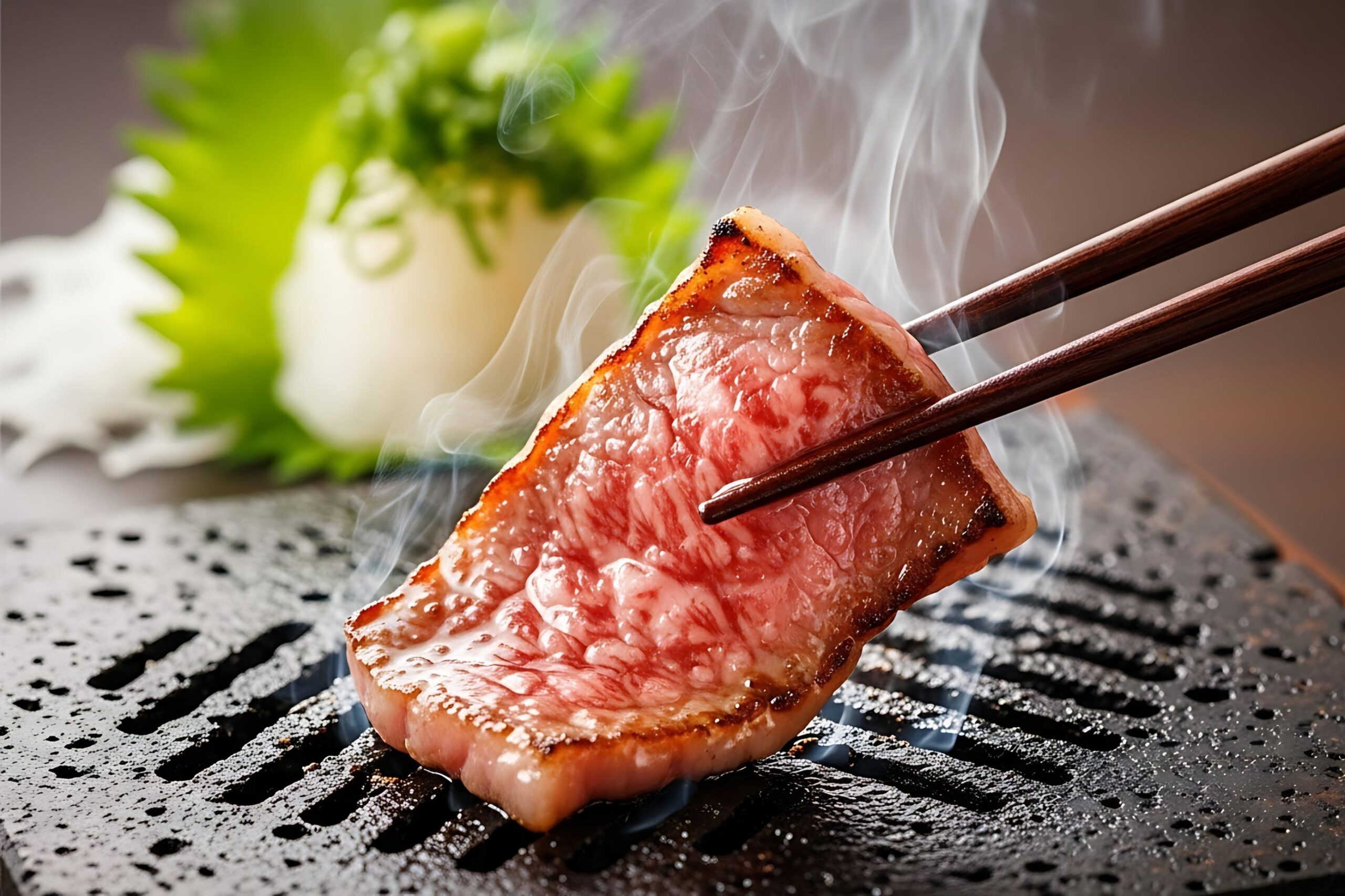
Yakiniku restaurants now offer halal-certified meats and Angus beef to cater to diverse tastes. Halal options ensure authentic Japanese barbecue while respecting dietary needs. Angus beef, prized for its marbling and tenderness, provides a premium Japanese BBQ experience. These establishments feature a curated selection of cuts including beef tongue, chicken, and pork, prepared for grilling on electric or charcoal grills. Guests can enjoy a full range of yakiniku flavors—from succulent meats to fresh seafood—delivering a satisfying and authentic dining experience.
Finding the Best Yakiniku Restaurants and Buffets in Singapore
When choosing a yakiniku restaurant or buffet in Singapore, consider:
Grill Quality: Charcoal or high-grade electric grills ensure even cooking and authentic flavors.
Menu Variety: Look for a wide array of premium cuts, including wagyu beef, beef tongue, pork belly, chicken, seafood, and vegetables.
Fresh Ingredients and Sauces: Quality produce and well-crafted sauces elevate the dining experience.
Atmosphere and Service: A lively, attentive environment with knowledgeable chefs enhances enjoyment.
Pricing and Specials: Weekday (Mon–Fri) lunch specials or buffet menus offer great value. Always check the buffet menu and price options, including different rates for weekdays and weekends, as well as premium add-ons like Wagyu beef.
Customer Reviews: Reading a recent review can provide insights into the buffet menu, food quality, and service, helping you gauge taste, value, and overall satisfaction.
Yakiniku is a multisensory feast—savor the sizzle, aroma, and taste of perfectly grilled meat shared with good company. Whether at a premium Japanese restaurant or at home, this artful dining experience promises joy and delicious memories.
For budget-friendly Japanese restaurants: discover the affordable Japanese dining in Singapore.
Final Taste
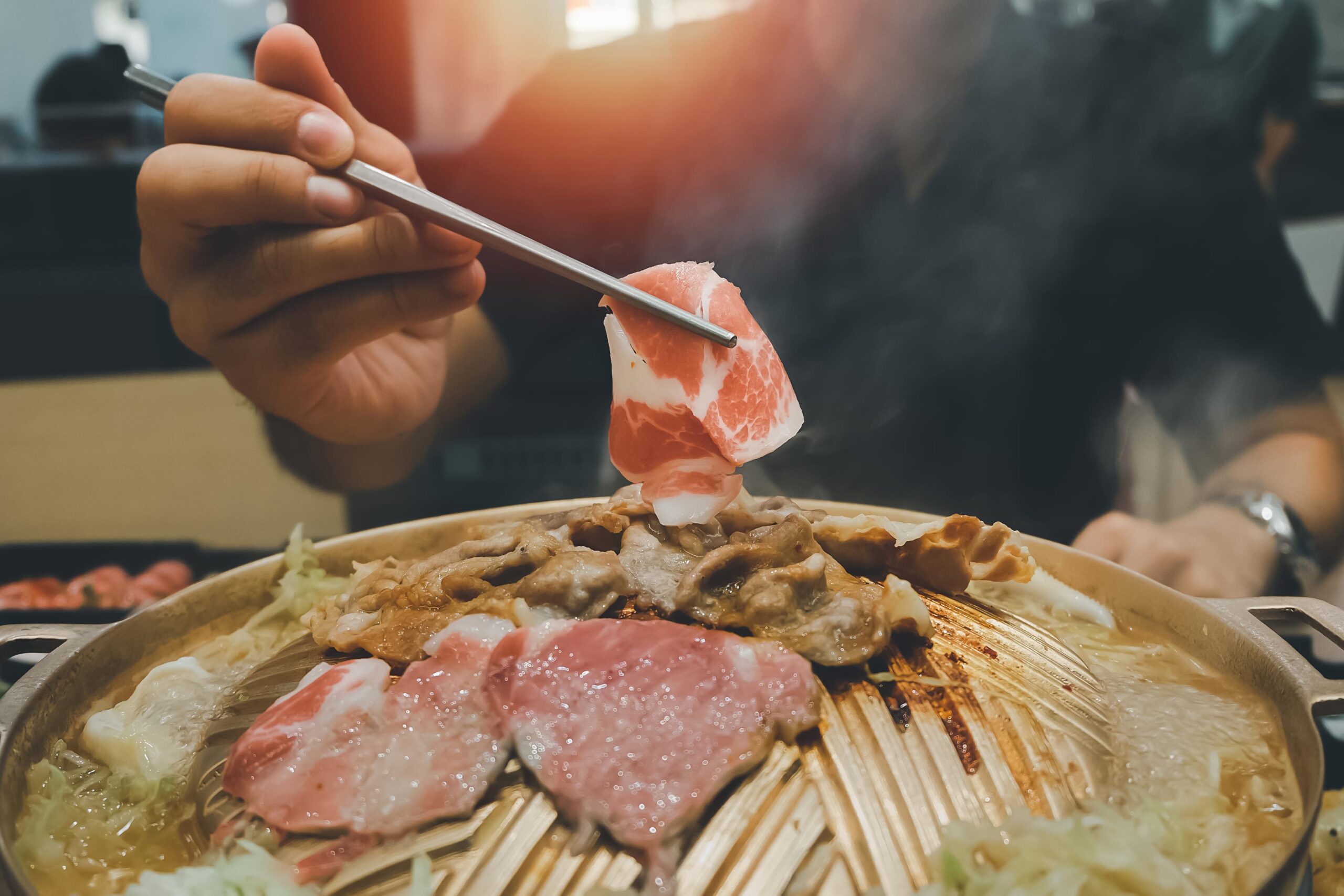
Yakiniku offers more than just a meal; it is a celebration of quality ingredients, skilled preparation, and communal enjoyment. From the rich marbling of wagyu beef to the fresh variety of seafood and vegetables, every element is crafted to delight the senses. Whether you choose to dine at a specialized yakiniku restaurant or recreate the experience at home with electric grills and homemade sauces, the essence remains the same: savoring premium Japanese BBQ in a warm, interactive setting. With its rich history, diverse cuts, and flavorful sauces, yakiniku continues to captivate food lovers worldwide, making every bite a moment to cherish.
A major innovation in yakiniku dining occurred in March 1980, when ventilated barbecue systems were introduced, greatly enhancing the restaurant experience.
For more insights and recommendations on the best Japanese dining experiences, kindly visit bestizakaya.com.sg and explore a world of exquisite flavors and top-notch grills.