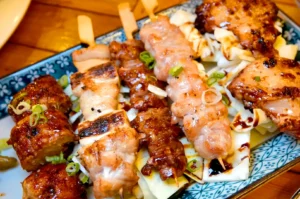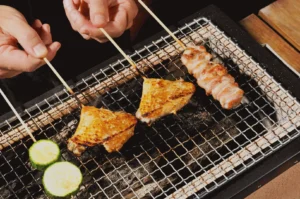
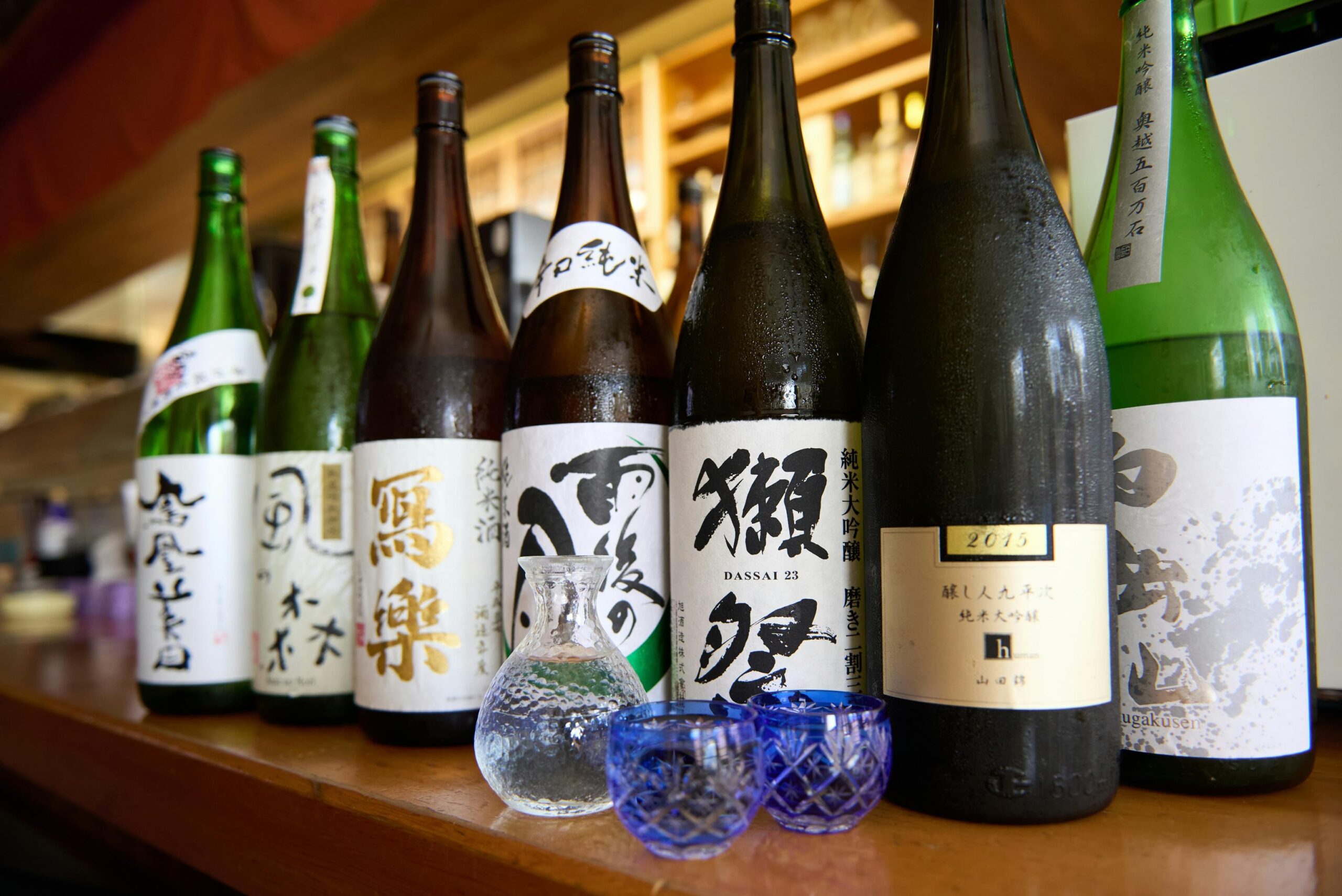
The evening begins not with sound, but with a feeling. It’s the subtle shift in the air as you step from the cool street into the warm, wood-scented embrace of an izakaya. Laughter fills the room, blending with the sizzle of the grill. The light is soft and golden, catching the steam from a bowl of soup and glinting off the dark bottles lined up behind the counter. Before a word is spoken or a menu opened, the space reveals its purpose: this is a place to settle, reconnect, and share.
At the heart of this experience is Japanese sake, a cornerstone of Japanese culture and tradition. This Japanese rice wine, brewed from only rice, water, yeast, and koji mold, is not just a drink—it’s a quiet rhythm that shapes the evening. The brewing process, characterized by multiple parallel fermentation, uses techniques like rice polishing and careful management of rice starch conversion, resulting in diverse types of sake ranging from sweet sake to dry sake, clear sake to cloudy. Its presence transforms a meal into a shared memory, harmonizing flavors, rituals, and emotions.
Before the First Pour: The Rituals of Japanese Sake in an Izakaya
An izakaya evening begins with stillness. The weight of the day lifts as you settle into your seat, the low hum of conversation and clink of ceramic dishes grounding you. A warm towel, the oshibori, is placed before you—a gesture to wipe away the day and mark the beginning of shared time.
In this quiet moment, a bottle of sake is chosen. Each bottle carries with it a story of sake production, from its rice polishing ratio to the brewing process and its alcohol content. The label often hints at the sake’s origins, its sake meter value, and whether it is labeled junmai, indicating it contains no added alcohol and is brewed with only rice. Whether it’s a special designation sake crafted with high-grade rice or a more common variety, the focus is less on the bottle itself and more on the connection it’s about to create.
The bottle arrives at the table, cool to the touch, alongside small, mismatched cups called ochoko. This first quiet gesture signals the start of rituals that have been practiced for centuries through the art of sake.
The First Pour: A Gesture of Community in the Sake Brewing Process
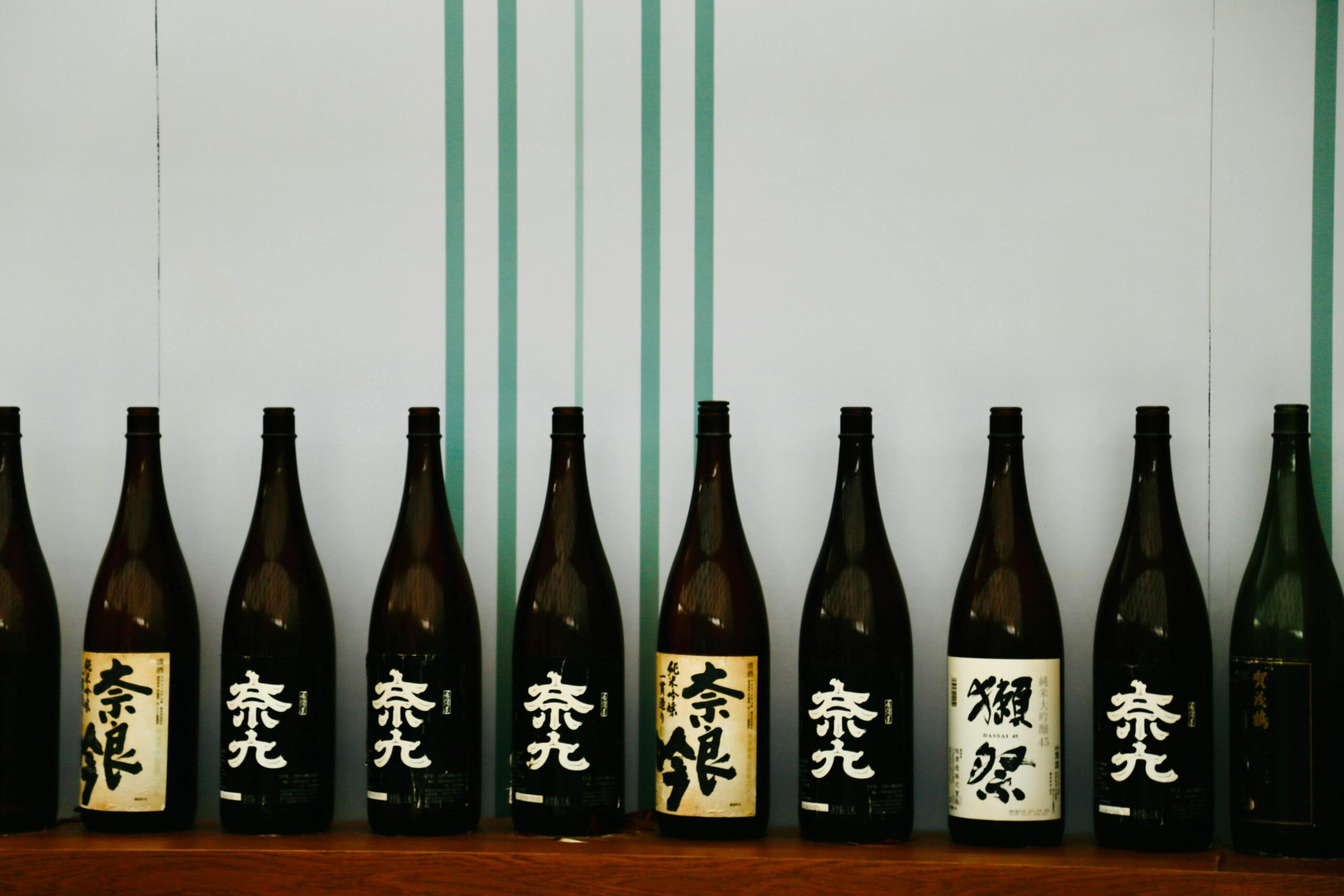
The first pour is an act steeped in tradition and care. In the sake brewing process, every detail matters, from the careful rice polishing to fermentation at low temperatures. Similarly, how sake is poured reflects attention and respect. The first pour is rarely for oneself. Instead, it is a gesture for another—a friend, family member, or colleague. This is oshaku, symbolizing humility and connection.
When pouring, the bottle is cradled with both hands, and the recipient lightly supports their cup with one hand beneath it. The simplicity of this act goes beyond politeness, dissolving barriers and creating a sense of “we.” It reflects the communal spirit that defines Japanese sake culture.
After all cups are filled, no one drinks immediately. Glasses are raised in a collective kanpai (cheers). This moment, synchronized by the ritual of waiting, unites the group. It’s a reminder that most sake is more than a drink—it’s a shared experience.
Mid-Evening: Sake as the Evening’s Undercurrent
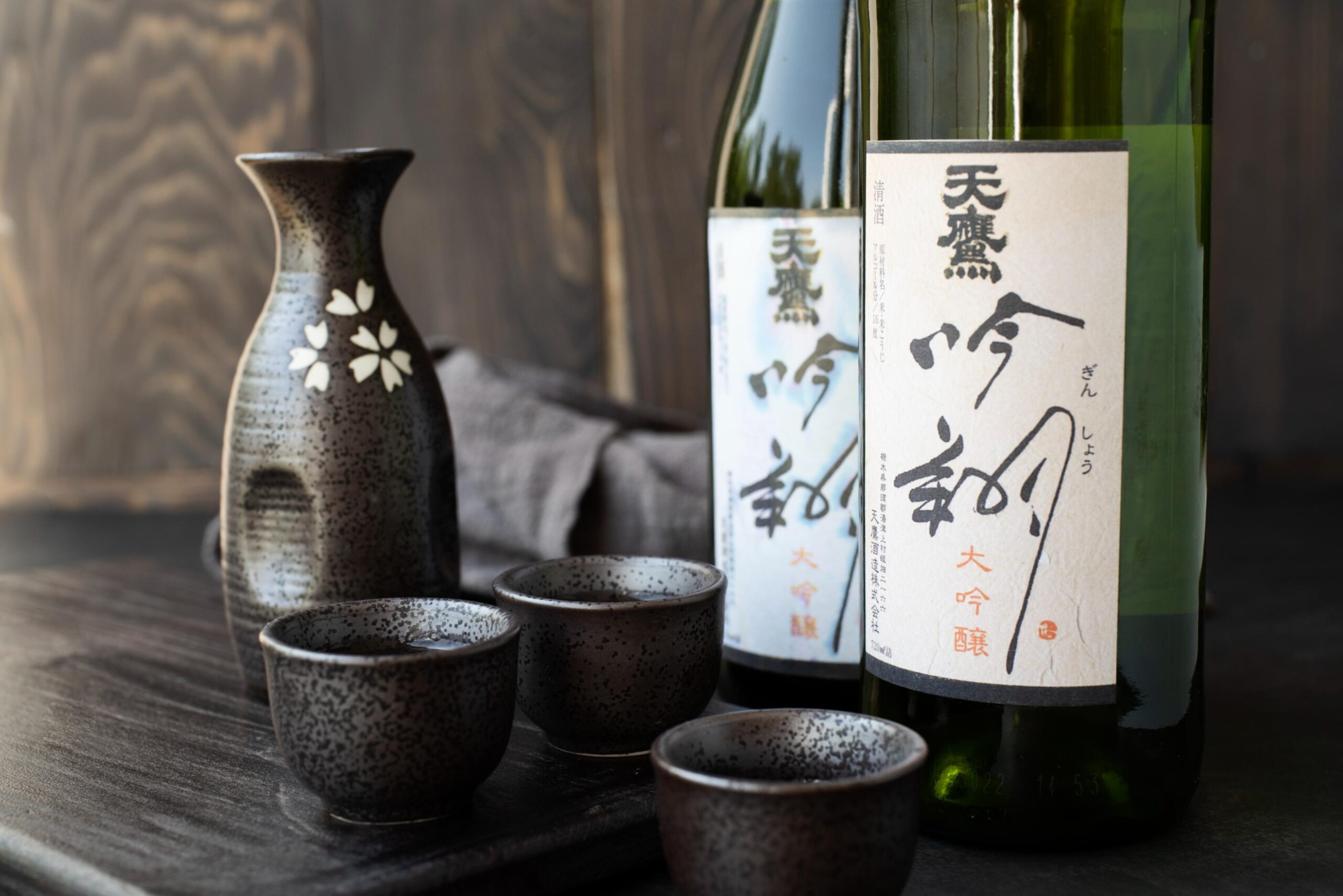
As the night progresses, sake recedes into the background, no longer the center of attention but a steady presence. Each sip reveals its complex flavors, shaped by the brewing process and the sake rice itself. The balance between sweetness and dryness, influenced by the sake meter value, complements the variety of dishes arriving at the table.
Sake and Food Pairing: Enhancing Flavors with Sake Rice and Polishing Ratio
The pairing of food and sake is integral to the izakaya experience. Light appetizers like vinegared dishes or salty edamame often accompany the first round. These dishes harmonize with sake’s refreshing taste, enhancing both the food and drink. The flavors of steamed rice, rich umami, and even hints of fruit—sometimes including subtle notes reminiscent of strawberry—or sweetness from the sake create a dance of contrasts and complements.
Unlike wine or beer, sake’s versatility allows it to pair effortlessly with many types of Japanese cuisine. Whether served chilled, warm, or even as hot sake, the temperature control reflects the brewery’s skill, elevating the drinking experience.
The Role of Sake Rice and Rice Polishing in Sake Brewing
The type of rice used in sake, often referred to as sake rice, plays a critical role in its flavor profile. High-quality sake uses rice with a lower rice polishing ratio, where the outer layers of the rice grain, containing fats and proteins that can cause off flavors, are removed to reveal the starchy core. This rice polishing process directly impacts the sake’s clarity, flavor, and aroma, giving rise to high-grade sake and special designation sake.
In recent years, many breweries have refined their production methods to optimize the use of more rice and improve the balance of sweetness and dryness, while minimizing off flavors. This careful attention to polishing and fermentation is essential to producing the best sake.
The Half-Empty Bottle: The Heart of the Evening and Alcohol Content
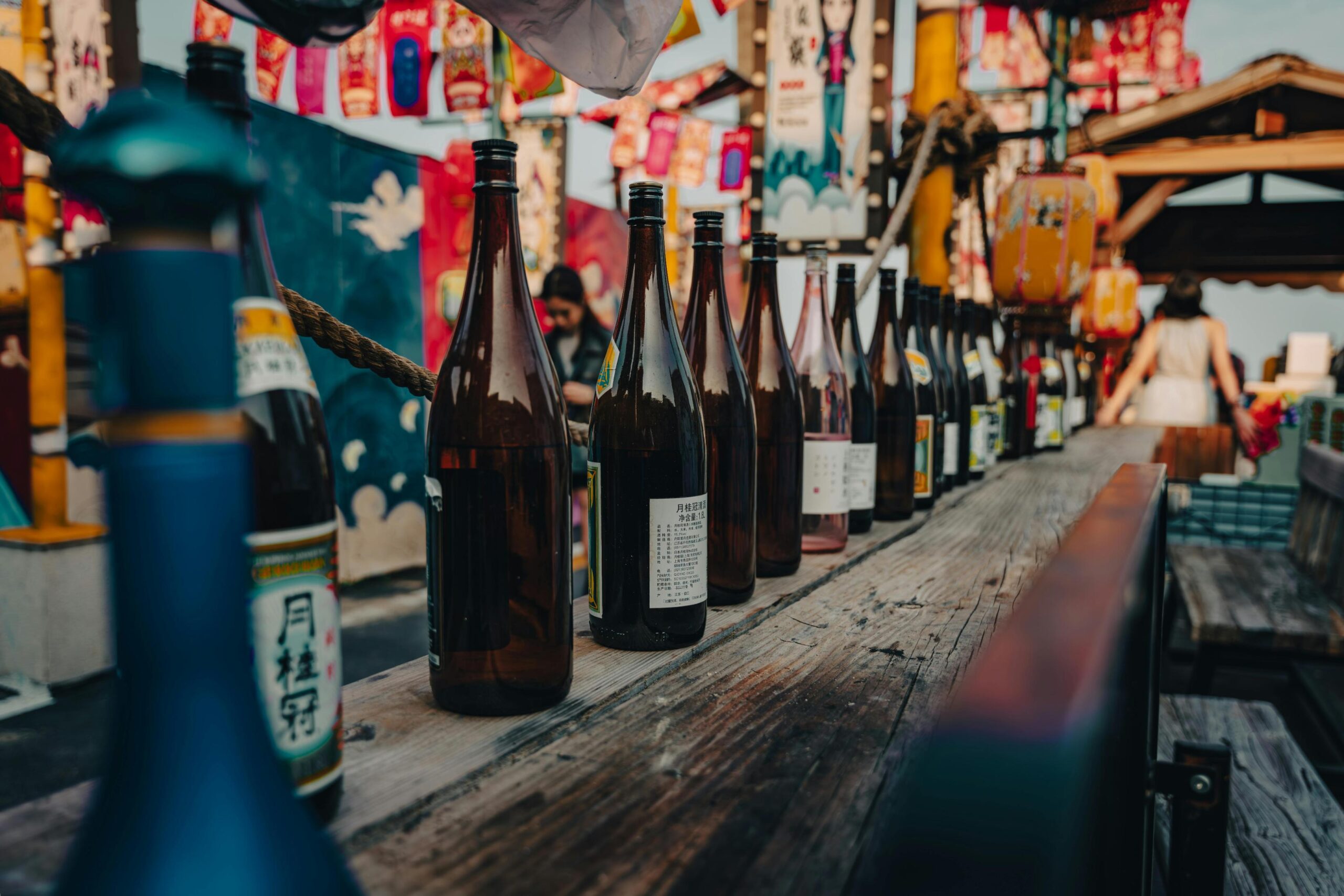
Midway through the evening, when the bottle is half-empty, the energy shifts. Initial excitement softens into a warm intimacy. The izakaya becomes a cocoon of shared stories, laughter, and moments of comfortable silence. The sake’s alcohol content warms not just the body but the connection between friends.
Quiet Gestures and the Dance of Refilling in Sake Culture
As the night deepens, the ritual of pouring continues quietly. With careful observation, someone notices an empty cup and refills it without a word. These small, unspoken gestures reflect the core of Japanese culture—thoughtfulness, attentiveness, and care for others.
The sake bottle, once a focal point, now blends into the scene, much like the wooden barrels that were once central to traditional sake production. Its role shifts from drink to companion, facilitating the natural flow of conversation.
Late-Night: Sake and Reflection on Brewing Process and Production Methods
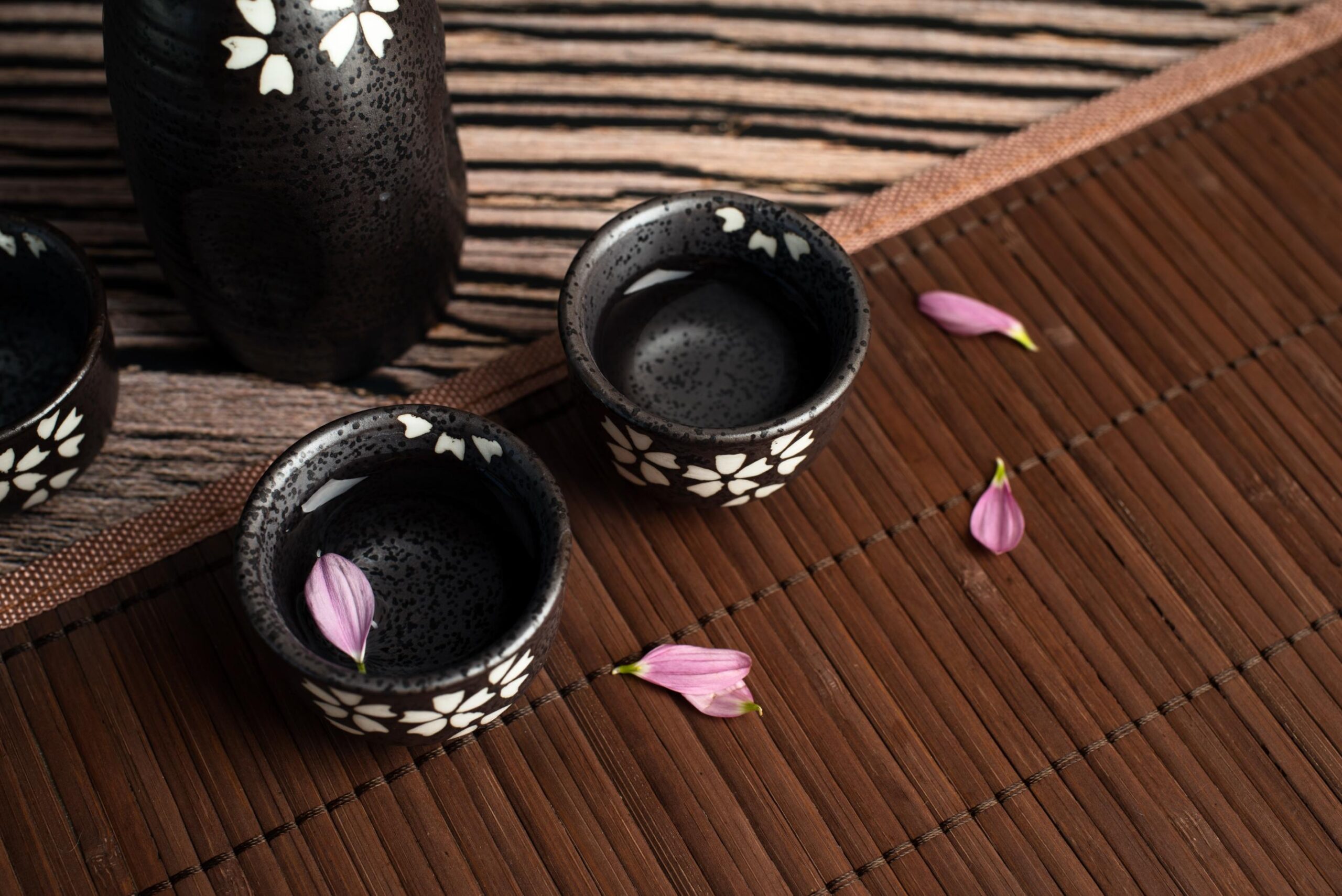
As the evening winds down, the bottle empties, and the food plates disappear. The final drops of sake, whether clear sake or a richer, sweeter type, are shared equally. This quiet conclusion reinforces the evening’s communal spirit.
In this moment, sake embodies the essence of Japan’s alcohol traditions—not simply as a drink, but as a bridge between people. The brewing process, from fermenting rice starch to managing specific gravity and sake meter readings, has resulted in more than a beverage. It’s a catalyst for connection, reflection, and warmth.
The Significance of Sake in Japanese Culture and the Variety of Other Types
Sake teaches without preaching. The rituals of pouring, sharing, and savoring remind us to slow down, pay attention, and appreciate the presence of others. From the production methods to the careful use of brewer’s alcohol or minimal sugar for balance, sake represents intentionality. It’s a counterpoint to the rush of modern life, offering a moment of grace and connection.
While distilled spirits are popular worldwide, sake remains unique as a brewed beverage made primarily from only rice. Its diverse styles, including other types like nigori and namazake, expand the experience for enthusiasts.
An Invitation to See Japanese Sake Differently and Explore Many Breweries
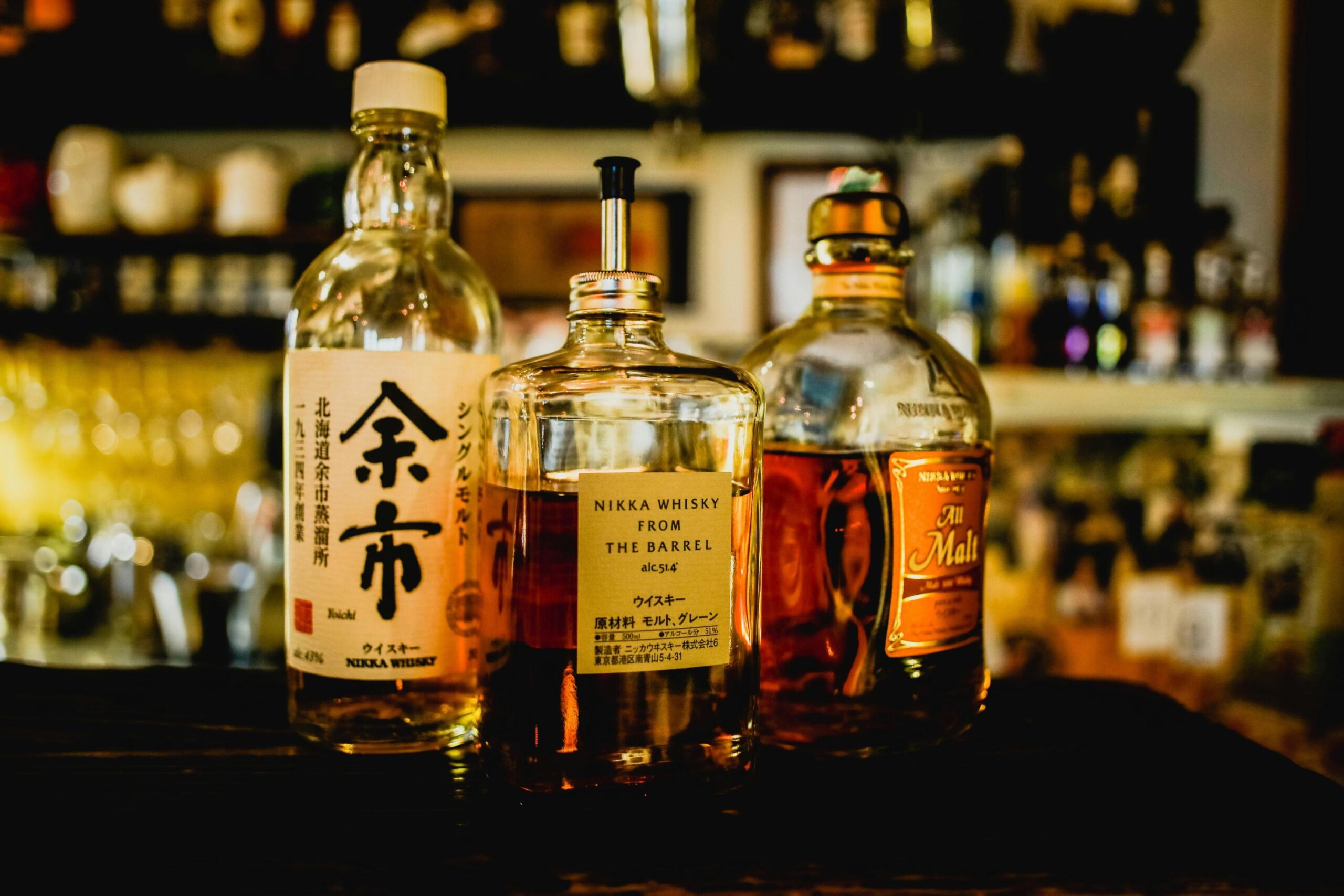
The next time you enjoy Japanese sake, whether at an izakaya or elsewhere, take note of the small, quiet rituals surrounding it. Observe the pouring, the waiting, the way sake facilitates conversation and connection. Think about the rice polishing ratio, the fermenting process, and the care that went into every step of its creation.
If you’re curious to learn more, many breweries offer tours where you can see the brewing process firsthand and sample a range of sake styles. For those who want to explore or purchase sake conveniently, a quick shop online or local specialty store can provide access to the best sake from various regions.
In these seemingly small moments, you’ll uncover the true heart of sake: a profound act of sharing, patience, and presence. Whether you’re a first-timer exploring sweet sake, a connoisseur savoring dry sake, or simply curious about the brewing process, sake offers a world of discovery—and connection.