A drink minimum is not just a rule at the bottom of a menu.
At Fortune Centre, it helps explain what kind of meal a diner is entering. Some Japanese restaurants in the building operate like casual dining rooms. Others are closer to bars with food support. In that middle space, the drink order becomes part of the structure, not an optional extra.
We see this clearly in places such as Sakedokoro Eizaburo, where dinner is built around a two-drink minimum, and Nobu-ya, where the experience is strongly drinks-forward. These policies can surprise first-time diners, but they are not arbitrary. They help protect the rhythm of an izakaya.
For readers comparing Fortune Centre options, this detail clearly separates a casual meal from a tavern-style evening before the first order is placed at the restaurant table.
Drink Minimums Define the Format
An izakaya is not simply a restaurant that serves Japanese food.
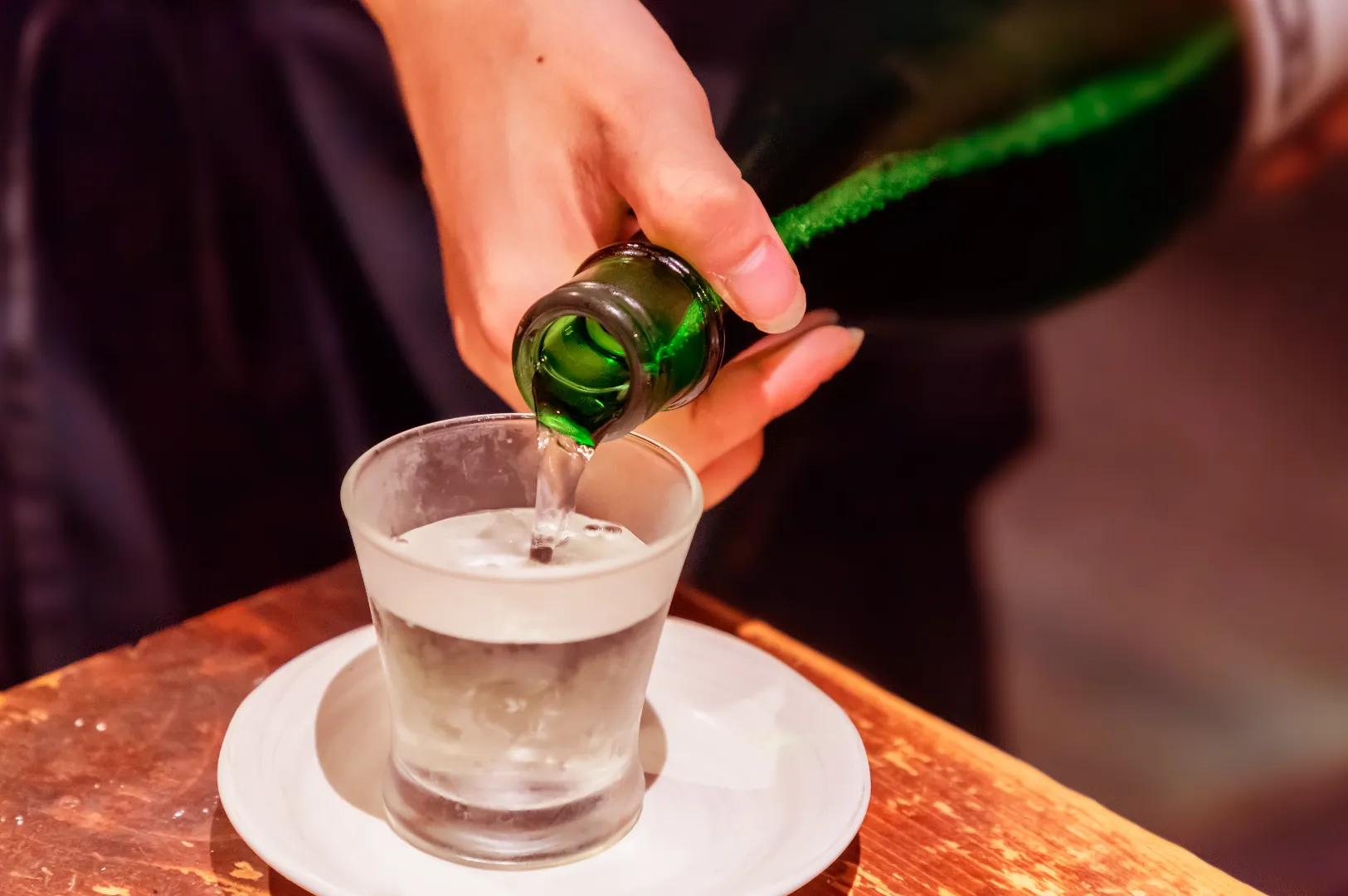
It is a drinking space where food supports the table over time. Beer, highballs, sake, shochu, and sometimes non-alcoholic drinks create the pacing. Dishes then arrive in rounds: skewers, fried items, sashimi, stews, rice, or noodles when needed.
A drink minimum signals that the venue expects diners to participate in that rhythm.
This does not mean everyone must drink alcohol. In many cases, non-alcoholic options count. The important point is that the table is not using a bar-style izakaya only as a short food stop.
Food Pacing Changes Around Drinks
When drinks lead the meal, food behaves differently.
Diners may start with a first round, then order small dishes gradually. Yakitori can arrive one set at a time. Fried items help support the glass. Seafood or stewed dishes may slow the table down between rounds.
This is different from a standard dinner format, where each person expects a main dish and a clear ending.
At Fortune Centre, this matters because the same building contains lunch bowls, casual skewers, umeshu tastings, and slower sake-led meals. The drink rule helps diners understand which mode they are entering.
Non-Drinkers Should Check Before Sitting
Drink minimums can still work for non-drinkers, but they require clarity.
Before committing to a table, diners should ask whether tea, soft drinks, mocktails, or other non-alcoholic options qualify. This is especially useful for mixed groups where some people want sake or highballs, while others prefer not to drink.
Checking early prevents confusion when the bill arrives.
Bar Rules Are Part of the Experience
A drink minimum may feel restrictive if a diner expects a normal restaurant meal.
But in a drinks-led izakaya, it helps sustain the environment: longer seating, smaller dishes, repeated orders, and steady service flow.
Final Perspective
Fortune Centre’s izakaya scene works because not every venue follows the same logic.
Some places suit quick skewers and donburi. Others are built around drinks, conversation, and gradual ordering.
Understanding drink minimums helps diners choose correctly. It also explains why certain rooms feel more like true izakayas than simple Japanese dining spots.


