There is a particular quality of silence that exists only in certain dining rooms in Japan. It is not an empty silence, nor the nervous hush of a library or museum. It is a textured silence, filled with the anticipation of care. At Kappo Shunsui, a Michelin Guide-recognized restaurant located at 17 Hongkong Street 01 in Singapore, this silence envelops you from the moment you arrive, setting the tone for an unforgettable course meal.
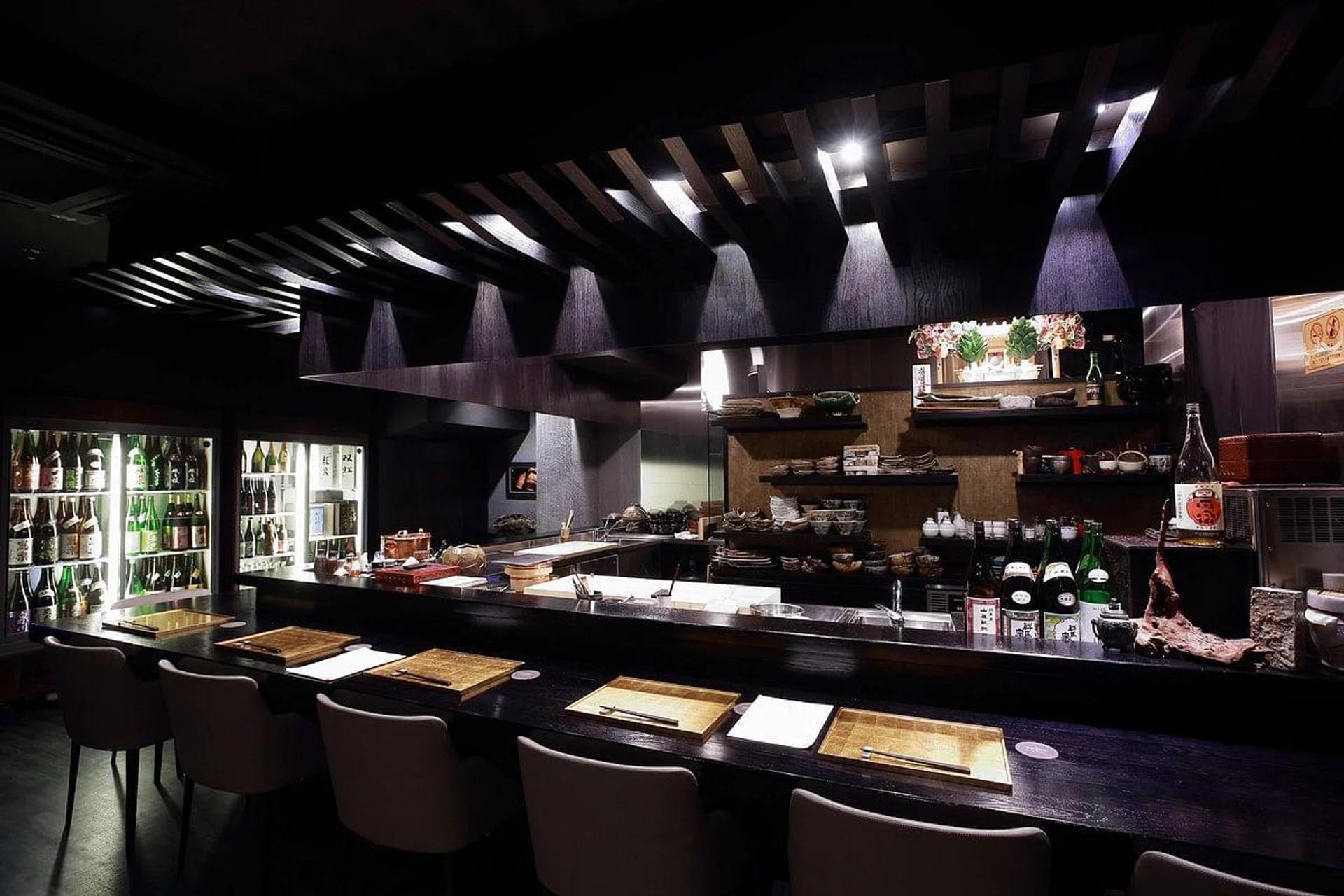
Arriving at the entrance of 17 Hongkong Street, you feel this shift before crossing the threshold. The doorway is unassuming, almost hidden, tucked within the bustling city. Stepping inside feels less like entering a restaurant and more like entering a secret realm. The dim, warm lighting highlights the natural wood counter and linen noren, signaling the start of an intimate journey through kappo-style cuisine.
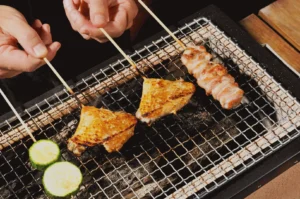
I remember settling into my seat at Kappo Shunsui on a humid Tuesday evening, the city noise lingering on my shoulders. The air inside smelled faintly of dashi, grilled golden eye snapper, and the earthy savory aroma of uni sea urchin. My shoulders dropped, and the space invited me to simply arrive, leaving behind the rush of the outside world.
Kappo Shunsui: Pacing as Hospitality in a Relaxed Interior
At Kappo Shunsui, the first gift is not the food but the removal of urgency. This Michelin Guide-recognized restaurant, awarded The MICHELIN Plate for consecutive years, slows the pulse and allows diners to immerse themselves in the rhythm of the dinner or lunch meal.
Silence, Spacing, and the Art of Waiting in an Intimate Setting
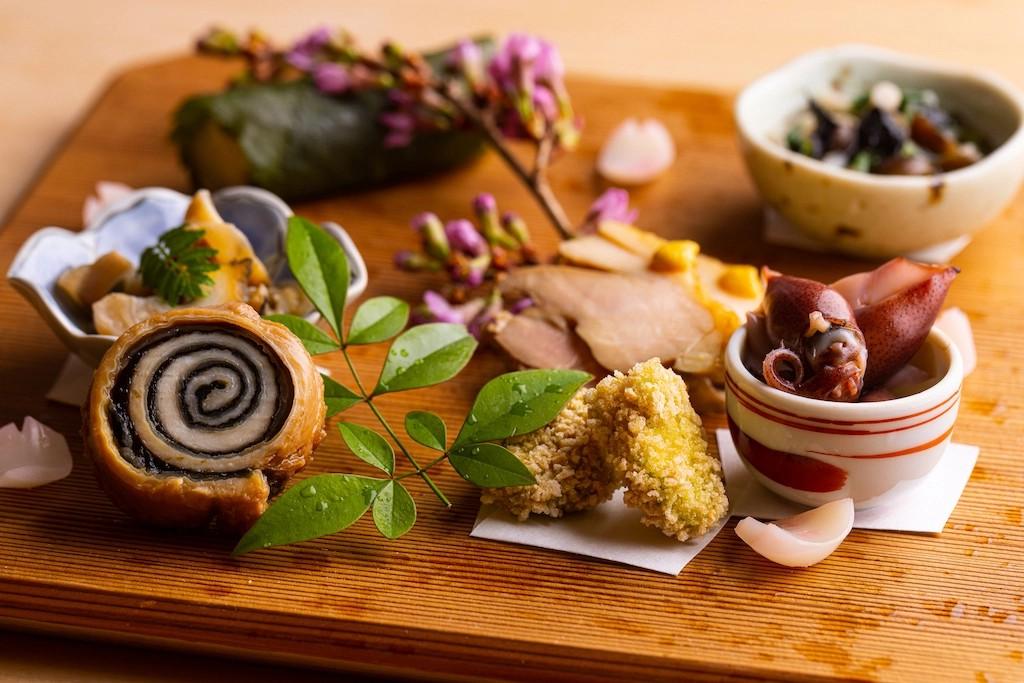
The counter at Kappo Shunsui serves as a stage for the chef, yet it is understated in its presentation. Chef Kazu Oyama, known for his keen eye and mastery of kappo-style cuisine, moves with graceful precision. The space between guests is thoughtfully measured, offering intimacy without intrusion. Conversations are soft, and the room’s silence becomes a blank canvas where the sound of the meal—slicing sashimi, the bubbling of a hot dish, or the graceful shuffle of tabi-clad feet—paints a meditative backdrop.
Waiting here is not an inconvenience but a deliberate luxury. Each pause between courses is intentional, allowing guests to savor every bite, from the refreshing appetiser to the overflowing ikura that crowns a delicate bowl of rice. It signals that the kitchen is working at the pace of the ingredients, whether preparing fresh seaweed or a grilled trio of eel, beef, and uni sea urchin.
Observing Service and the Course Experience at Kappo Shunsui
Service at Kappo Shunsui is an art form in itself. The staff moves invisibly, refilling sake cups or replacing a dropped napkin with quiet elegance. This observant style of hospitality ensures that diners feel profoundly cared for. The choreography of the service enhances the overall dining experience, allowing you to fully relax and indulge.
Each course is presented with thoughtful explanation, guiding diners through the origins and nuances of the seasonal ingredients. The servers’ knowledge enriches the experience, making every dish more than just a meal but a story told through flavor and texture. This attentive approach invites guests to engage their senses fully, appreciating the harmony of taste, aroma, and presentation.
The pacing of the meal is deliberate yet unhurried, respecting the natural rhythm of enjoyment. Between courses, subtle moments of silence or soft conversation create a space for reflection, allowing the flavors to settle and the anticipation for the next dish to build. This measured tempo is a hallmark of the kappo dining style, emphasizing mindfulness and presence.
Throughout the omakase course, diners can observe the seamless interplay between kitchen and front-of-house staff. This synergy ensures that every element—from the temperature of the hot dish to the freshness of the sashimi—arrives at its peak. The service at Kappo Shunsui thus becomes an invisible thread weaving together the culinary narrative, elevating the meal into a cohesive and memorable experience.
The Connection of Open Kitchens and Culinary Craftsmanship
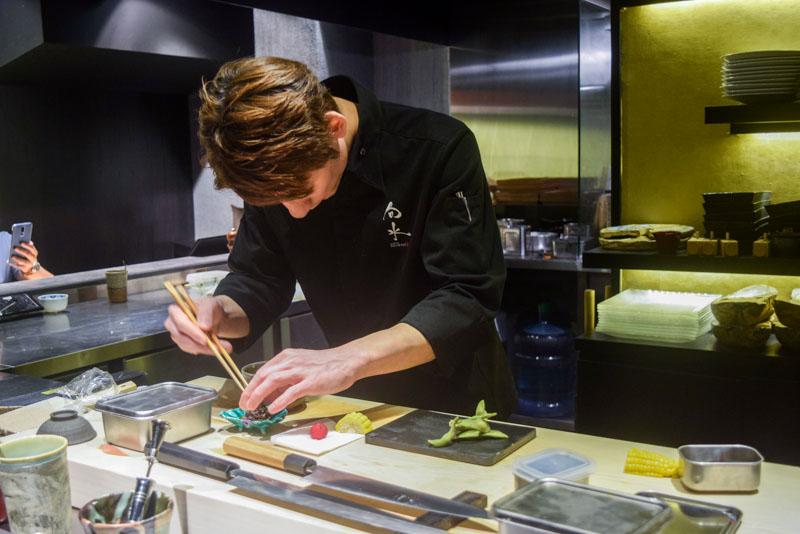
The open kitchen at Kappo Shunsui removes the barrier between the chef and the guest, fostering a personal connection. Chef Kazu Oyama prepares each dish with an economy of motion, highlighting seasonal ingredients like hairy crab, uni sea urchin, and bluefin tuna fatty belly. There is no performative flair—only the steady focus of a craftsman honoring his ingredients.
Precision without performance defines the experience. Whether it’s a dish of grilled golden eye snapper or a small bowl of caviar-topped sashimi, each creation arrives at the peak of its flavor and texture. The pacing of the evening feels like a synchronous dance between chef and diner, where every course, from appetiser to dessert, is perfectly timed.
Michelin Guide Dining: A Shunsui Meal to Remember and Related Concepts
Recognized by the Michelin Guide, Kappo Shunsui is part of the esteemed Shunsui Group, which includes Kyuu by Shunsui, a popular izakaya concept at Cuppage Plaza, and Sushi Kyuu by Shunsui located in Orchard. While Kyuu by Shunsui emphasizes lively, casual dining, Kappo Shunsui offers a more introspective experience, where diners are immersed in the kappo meal’s quiet rhythms.
Signature Dishes: From Overflowing Ikura to Liquid Nitrogen Ice Cream
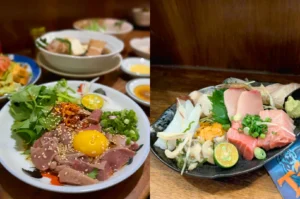
A highlight of the evening is the shunsui course, featuring signature dishes like the overflowing ikura bowl, sashimi of fresh bluefin tuna fatty belly and uni sea urchin, and the indulgent rice dish topped with succulent seafood. Each bite is a celebration of Japan’s culinary artistry. Cooked dishes, such as a steaming hot dish of hairy crab or a tender grilled eel, showcase the chef’s ability to balance flavors with precision.
The dessert course provides a playful end to the meal, with creations like matcha-inspired sushi ice cream prepared with liquid nitrogen, offering a refreshing contrast to the evening’s richness. Every detail, from the appetiser to the main course and dessert, reflects the thoughtful care that defines Kappo Shunsui.
How Kappo Shunsui Transforms Its Guests
Diners at Kappo Shunsui don’t just eat; they transform. The calming atmosphere, attentive service, and deliberate pacing encourage a collective shift in energy. Phones are tucked away, voices lower, and guests find themselves immersed in conversations or savoring each bite.
This transformation happens naturally. The patience of the kitchen inspires patience in the guest, and the care taken in presenting each dish inspires diners to handle the ceramics with similar respect. In this atmosphere, guests become more present, more grateful, and more connected to their surroundings.
A Timeless Dining Experience at 17 Hongkong Street
By the midpoint of the meal, time at Kappo Shunsui seems to stretch and expand. Without the usual markers of a rushed dinner, the evening becomes fluid and full, allowing every bite—from the sashimi to the cooked dishes—to linger on the palate. The interior and location on Hongkong Street further enhance its charm, offering a serene escape within Singapore’s bustling dining scene.
As the evening concludes, a warm cup of tea signals the end with the same grace as the beginning. Walking out into the night, diners carry the quiet of Kappo Shunsui with them, feeling recalibrated and refreshed.
Discovering the Essence of Japanese Dining and Shunsui Group’s Offerings
Dining at Kappo Shunsui reveals that restraint and care lie at the heart of Japanese hospitality. Every detail, from the precise plating of uni sea urchin and overflowing ikura to the calming atmosphere, is crafted with intention. The evening is not about rushing through courses but about savoring each moment, allowing the food and the experience to nourish both body and spirit.
If you’re curious about exploring more of the Shunsui Group’s offerings, including the lively Kyuu by Shunsui at Cuppage Plaza or the relaxed Sushi Kyuu by Shunsui in Orchard, or want to dive deeper into Japanese culinary traditions, we invite you to immerse yourself in their world. At Kappo Shunsui, every meal is an invitation to slow down, observe, and appreciate the art of dining.