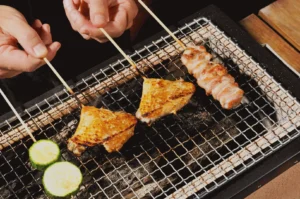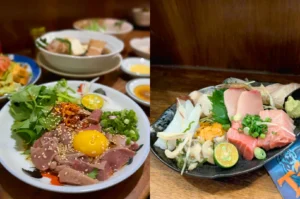
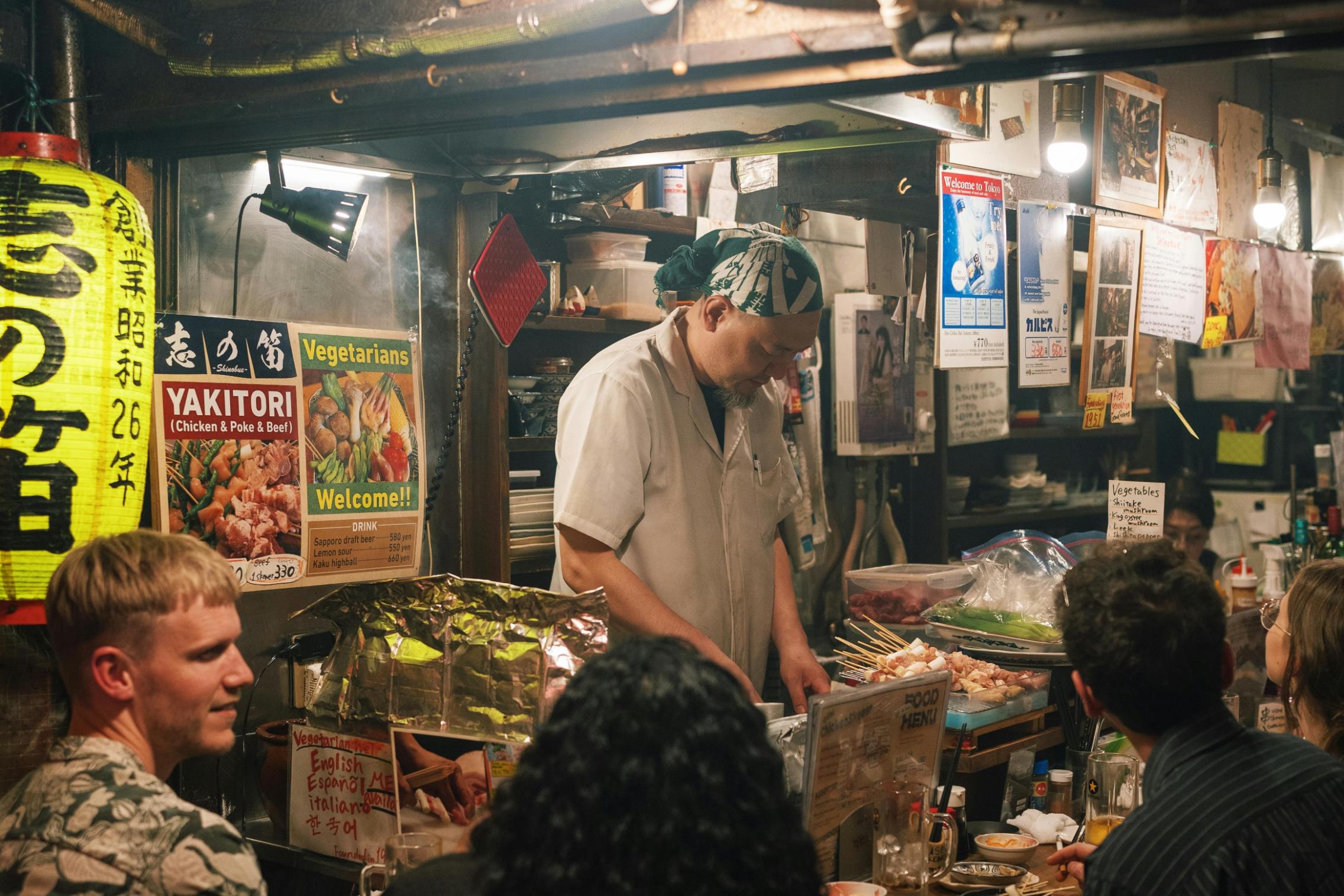
Picture this: you duck into a bustling izakaya on a Friday night in one of the major cities like Tokyo or Singapore. The air is thick with laughter, the clinking of glasses filled with sake, and the sizzle of something delicious being grilled. You’re ready to eat some classic Japanese food; maybe some deep fried karaage, a bowl of miso soup, or fresh sashimi. But then, the server hands you a menu, and nestled among the à la carte favorites is a surprise: an izakaya omakase option. Wait, what? It’s a crazy twist—finding omakase in an izakaya setting is both unexpected and seriously impressive.
That’s right. The casual, lively world of the izakaya is now embracing the refined, chef-led omakase experience. Many izakayas now offer omakase courses to highlight seasonal ingredients and rare specialties. This growing interest in izakaya omakase offers food lovers a unique opportunity to enjoy a curated meal featuring fresh ingredients and seasonal seafood, all served in a relaxed atmosphere. Let’s explore how this exciting trend is reshaping Japanese dining.
What Are Izakaya and Japanese Restaurants All About?
Izakayas are Japanese pubs known for their casual vibe and social spirit. The name itself comes from i (to stay) and sakaya (sake shop), highlighting their roots as places to enjoy drinks alongside delicious food. Unlike formal sushi restaurants or high-end Japanese cuisine establishments, izakayas cater to locals and tourists alike with an emphasis on sharing plates and lively conversation.
The menu in an izakaya is a playground of flavors, designed to cater to a variety of tastes. You’ll find everything from grilled yakitori skewers and plump prawns to tempura and light vegetable dishes. The food is fresh, often featuring seasonal vegetables and high-quality fish, with sushi rice prepared nicely for sushi and nigiri. The atmosphere is vibrant, and the service is friendly, making it a perfect spot for casual dinners or drinks after work.
Japanese Food and Cuisine: Tradition Meets Innovation
Japanese cuisine is celebrated worldwide for its focus on quality, freshness, and presentation. From the rich flavors of miso soup to the delicate sweetness of fresh uni served atop a bowl of perfectly cooked rice, each dish is crafted to delight the mouth and nourish the body. The omakase experience embodies this philosophy by trusting the chef to select the best ingredients and cook a meal that showcases their skills. The main difference between omakase and standard dining is the surrender of choice to the chef, which allows for creative meal pairings.
In the izakaya omakase setting, diners can expect a blend of traditional and innovative dishes. Omakase meals typically progress from lighter appetizers to richer, savory dishes, often incorporating palate cleansers between courses. The second course might be a light sashimi platter, followed by grilled fish or a deep fried delicacy like tempura. The meal often concludes with a sweet dessert and a comforting bowl of miso soup, rounding out the dining experience beautifully.
Fresh Ingredients and Seasonal Seafood: The Heart of Omakase
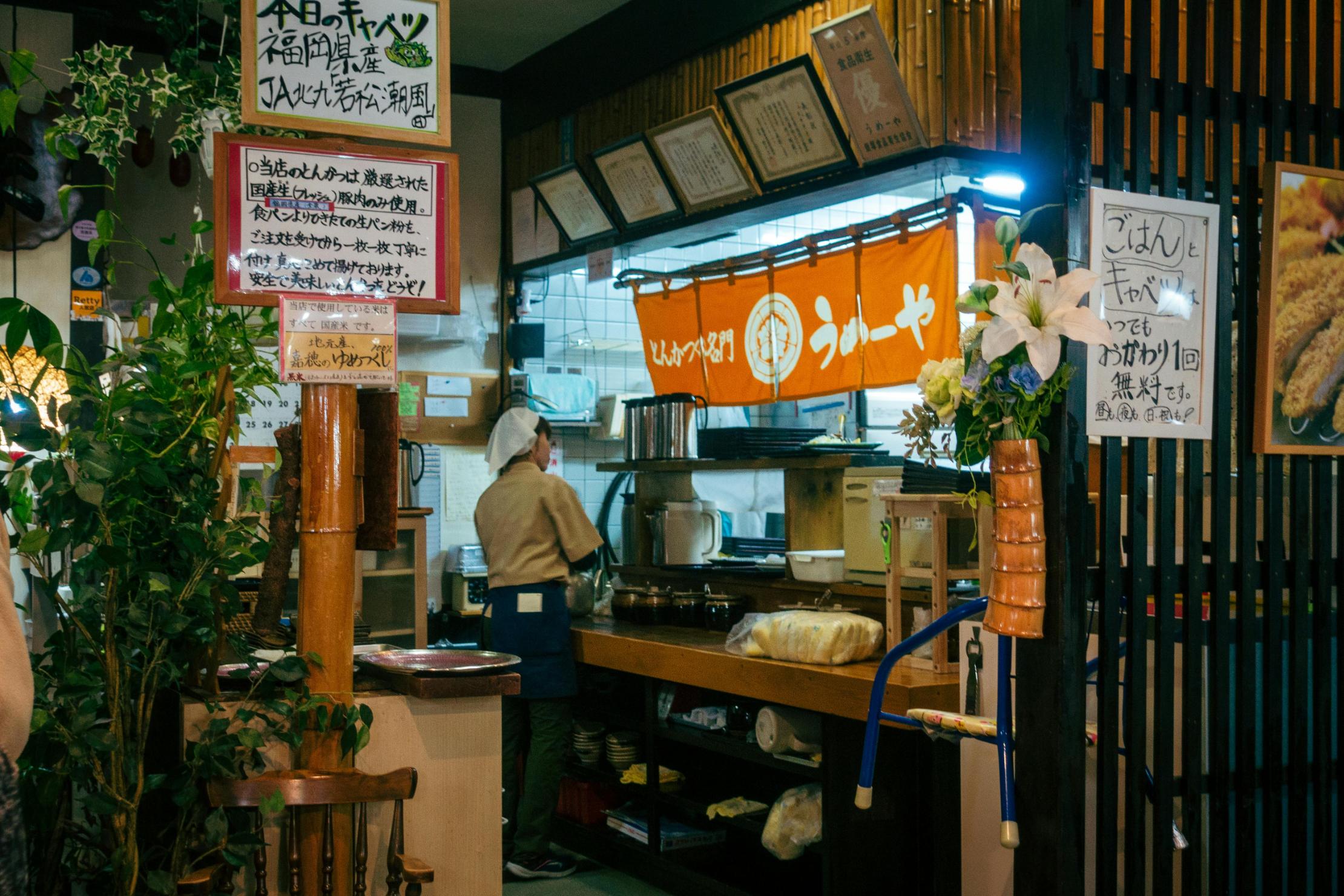
At the core of any omakase experience is the chef’s commitment to sourcing fresh ingredients. In an izakaya omakase, the menu is built on shun, featuring ingredients at their peak freshness, with seasonal changes that highlight the best of each period. Whether it’s plump prawns, fresh uni, or crisp vegetables, the quality of the ingredients defines the meal. Many izakayas and Japanese restaurants in major cities like Tokyo, Singapore, and Bangkok import seafood directly from Japan’s renowned markets, such as Toyosu Market, ensuring guests receive the finest offerings.
The chef’s creativity shines as they adapt their menu daily based on what’s fresh and available. Omakase courses in izakayas are often pre-priced, making them more accessible to beginners who want to experience this style of dining. This dynamic approach keeps the omakase experience exciting and ensures that every dish is delicious and perfectly suited to the season. Guests can expect to be surprised and delighted with each course, from the first bite of sushi to the final spoonful of dessert.
Apparently, izakaya omakase experiences have gained a reputation for their intimate settings and direct chef interaction. Dining at an izakaya omakase commonly occurs at a counter, allowing for direct interaction with the chef, which enhances the personalized and engaging nature of the meal.
Omakase Experience in Major Cities: A Culinary Journey
In major cities around the world, the izakaya omakase trend is gaining momentum. Restaurants in Singapore, Tokyo, and beyond are redefining what it means to eat Japanese food by combining the casual, social atmosphere of an izakaya with the artistry and precision of omakase dining.
Reservations are often recommended, especially on busy nights like Sunday, as these experiences are becoming increasingly popular among both locals and tourists. The omakase menu is thoughtfully crafted to cater to diverse palates, offering a rich variety of protein sources including seafood, fish, and sometimes ramen or rice dishes. The service is attentive, and the chef often interacts with guests at the counter, sharing insights about each dish and ingredient. It’s important to note that the omakase experience can vary significantly between Japan and other countries, with some places offering set menus instead of the traditional chef’s choice format.
Diners often share their experiences and post a review after visiting these omakase restaurants, providing valuable insights for others seeking the best izakaya omakase experiences.
Why You Should Try Izakaya Omakase on Your Next Trip
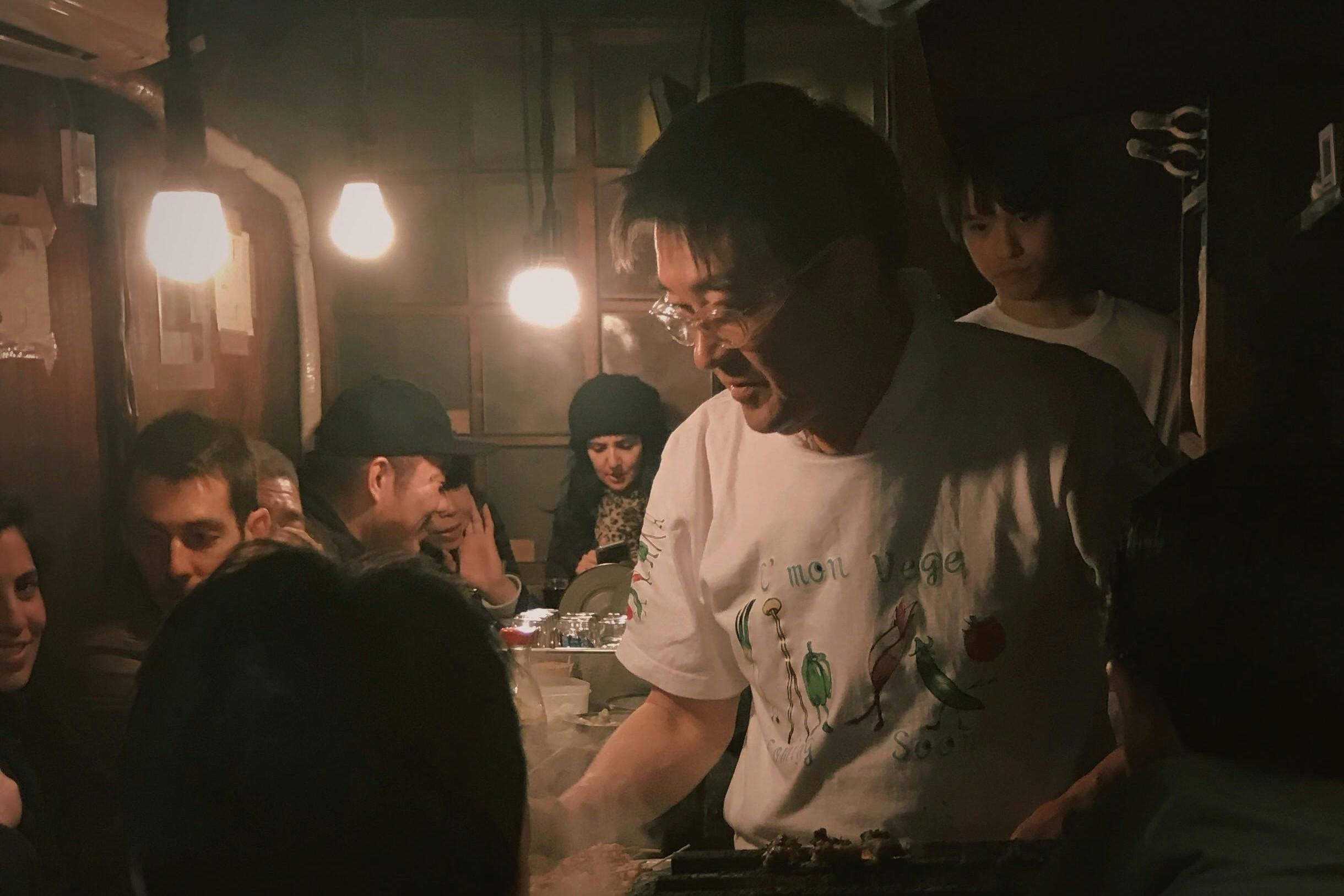
If you’re planning a trip to Japan or exploring Japanese restaurants in your city, don’t miss the chance to try an izakaya omakase. Japanese cuisine is gaining popularity in Southeast Asia due to its emphasis on freshness and quality, and the focus on fresh, high-quality ingredients especially appeals to health-conscious consumers. The ramen boom in Southeast Asia also reflects how Japanese cuisine adapts to local tastes, while the visual appeal and elegant presentation of dishes contribute to its widespread popularity. Izakaya omakase is an affordable way for customers to enjoy quality Japanese cuisine without the formality of a traditional sushi restaurant.
Whether you’re a seasoned food lover or new to Japanese cuisine, the izakaya omakase offers something for everyone. Expect to savor plump prawns, fresh uni, and a variety of dishes that blend tradition with modern flair. While some may have doubt about whether the experience will match their expectations, the meal is supposed to deliver both authenticity and creativity. The dinner is served with a side of lively atmosphere and excellent service, making it a memorable dining adventure.
So next time you walk into an izakaya and see the omakase option on the menu, don’t hesitate. Trust the chef, enjoy the flow of dishes, sip on sake, and indulge in a culinary experience that’s as rich in flavor as it is in culture. It’s a delightful way to eat, drink, and celebrate the vibrant world of Japanese cuisine.
For those interested in exploring more about the best omakase experiences in Singapore, click here to discover top recommendations and insider tips.