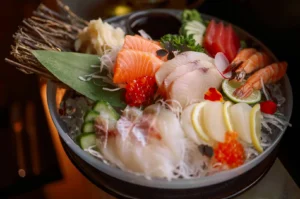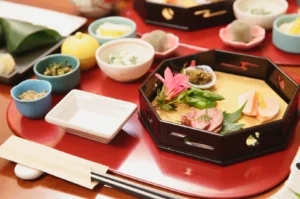
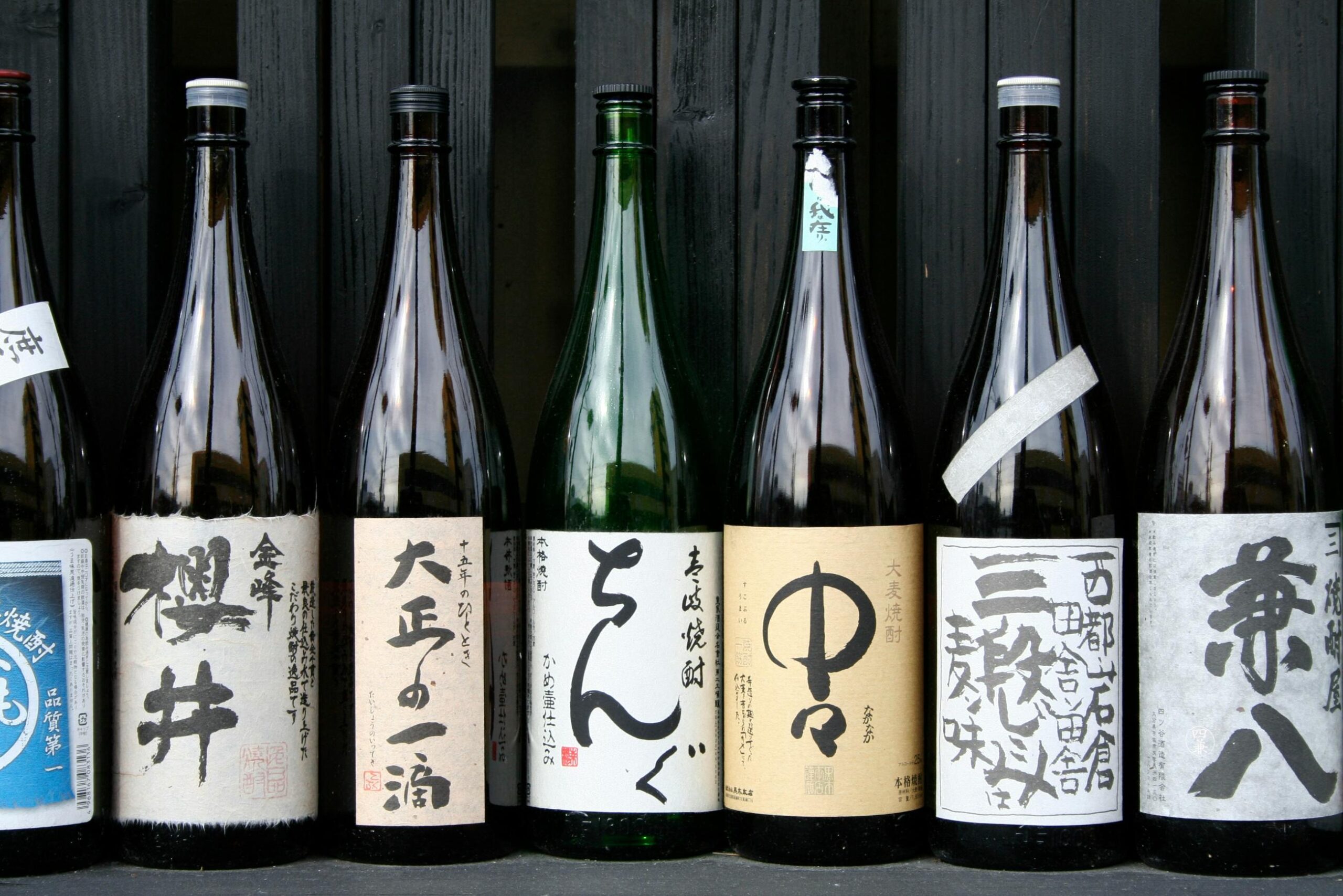
Step off a bustling street and into a Japanese izakaya, and you’ll feel the world shift in small, deliberate ways. A noren curtain parts. The lighting softens. Conversation hums warmly, drawing you in. A damp oshibori towel, warm or cool, depending on the season, is placed in your hands. And for a moment, you aren’t rushing or thinking; you’re simply arriving.
We experienced this recently at Tatemichiya Izakaya in Shibuya, on a drizzly Thursday just after 6pm. The standing counter was already filling up, and each time the noren lifted, a faint echo of Shibuya Crossing slipped in before the door closed again. That quick shift — from neon rush outside to warm, amber calm inside — felt like stepping into a different rhythm entirely.
Soon after, a small ceramic flask appears at the edge of the table, accompanied by tiny cups, ochoko. No one lectures you about what’s inside. No one asks about stats. The point isn’t to analyze. The point is to begin the evening, one sip at a time.
Yet almost every first-timer quietly asks the same thing: “Is sake very strong?” It’s a fair question, and one that’s often overcomplicated.
A Brief Look at Sake at Tatemichiya Izakaya, Shibuya
At Tatemichiya Izakaya in Shibuya, the sake program reflects the same unpretentious confidence as the space itself. The selection isn’t encyclopedic, but it’s deliberate: a tight rotation of approachable junmai and junmai ginjo labels, with both chilled and warm options available.
On our visit, the house junmai was clean, lightly dry, and subtly rice-forward, served properly chilled in small ceramic ochoko. At approximately ¥500–¥700 per glass, it was accessible enough to order without hesitation, which in a standing izakaya, matters. The presence of alcohol (around 15%) felt integrated rather than sharp, especially alongside grilled skewers.
What stood out most was the pacing. Refills were offered attentively but never pushed. Warm sake was gently heated, not scalding, preserving aroma instead of flattening it. Storage appeared refrigerated, and bottles were handled with care.
There was no theatrical explanation, no hard sell on premium labels. Just steady, well-served sake that supported the rhythm of the room.
And in a space like Tatemichiya, where conversations are close and time moves quickly, that balance is exactly what it should be.
Sake Alcohol Content and Japanese Sake Brewing: Tradition Meets Atmosphere
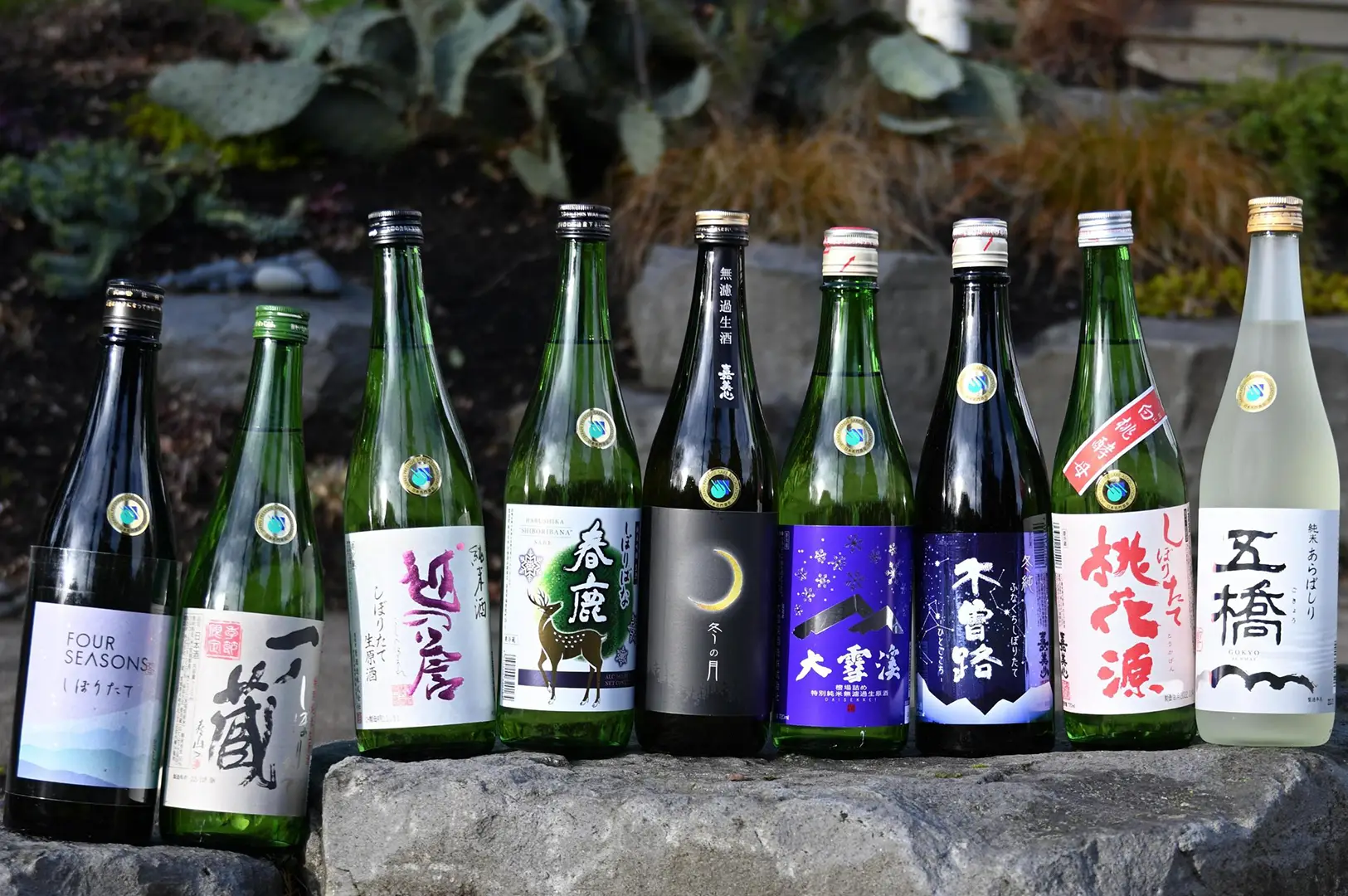
To fully appreciate how sake fits into an izakaya, it’s helpful to understand its roots. Traditional sake brewing is an ancient art, dating back to the Edo period, when brewing methods were refined under the Tokugawa Shogunate. Japanese rice wine, commonly called nihonshu, is brewed using polished steamed rice, water, koji mold, and sake yeast, following a meticulous fermentation and temperature control process often conducted at low temperatures to preserve delicate flavors.
In practical terms, most sake falls between 13% and 16% ABV — slightly stronger than wine, far gentler than whisky. What makes it feel different isn’t just percentage, but portion size. Ochoko cups naturally moderate intake. You sip. You pause. You eat. The pacing is built into the vessel itself.
Some are served as cloudy sake (nigori), leaving rice sediment for a creamy texture, while others, like clear sake, are filtered for a clean finish. Unpasteurized sake, known as namazake, retains its fresh, bold flavors and is often chilled. These intricate processes result in sake’s complex flavors, which range from dry to fruity, with notes of fruit such as melon, apple, banana, and even strawberry. These flavors pair seamlessly with the wide array of dishes found in izakayas.
For those unsure where to begin, we typically recommend starting with a junmai ginjo: balanced, aromatic, and food-friendly. It’s forgiving without being simplistic.
Sake Yeast, Brewing Techniques, and Quality: How Brewers Shape the Best Sake
The role of sake yeast in making sake is crucial, as it drives fermentation and influences the final taste and alcohol content. The yeast converts sugars extracted from the polished rice into alcohol, typically resulting in an alcohol content between 13% and 16%, though some undiluted sake can reach up to 20%.
Unlike beer or wine, sake undergoes a unique multiple parallel fermentation process, where starch is converted into sugar and then immediately fermented into alcohol in the same vat.
Brewers carefully control fermentation conditions, including temperature control at low temperatures, to enhance aroma and flavor complexity.
Some sakes have distilled alcohol added to adjust flavor and aroma, but Junmai sake contains no added alcohol.
A common misconception is that added alcohol automatically means lower quality. In reality, it depends on intention and execution. Context matters as it does with most things in Japanese cuisine.
Sake culture is deeply tied to the izakaya experience, where different styles of sake are enjoyed alongside grilled skewers, sashimi, and shared plates late into the evening. For readers interested in exploring how sake fits into Singapore’s Japanese dining scene, this Best Izakaya Singapore guide highlights some of the city’s most memorable spots for sake pairing, casual drinking culture, and traditional izakaya dining.
Sake Alcohol Content in the Context of Food and Drink in Japan
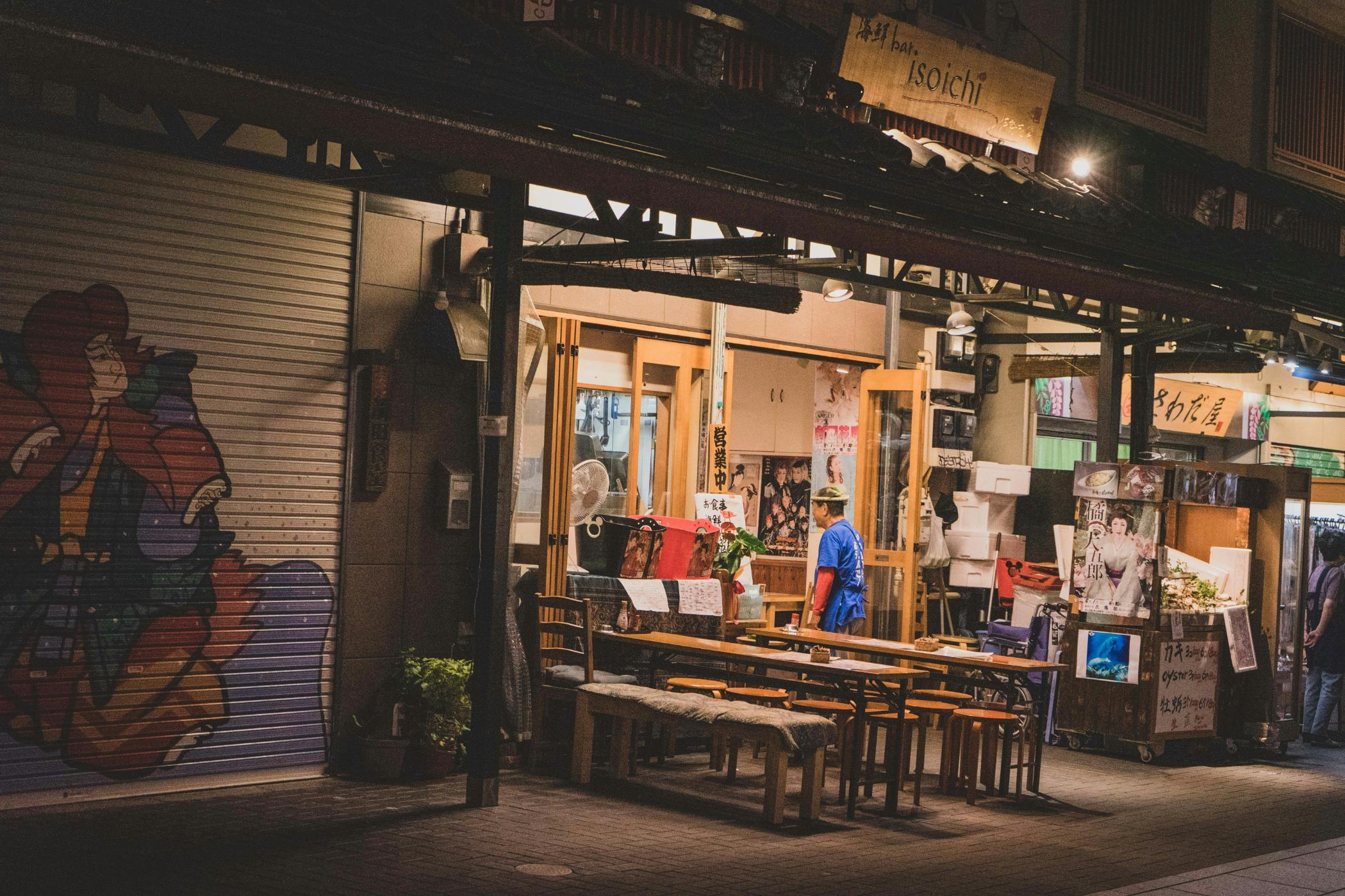
In an izakaya, the meal isn’t served in one grand wave—it arrives steadily in rounds, an intentional pacing that mirrors the gradual warmth of sake.
We’ve found that alternating sips of sake with grilled skewers naturally slows consumption, something first-timers often underestimate. Because sake feels smooth, it can creep up quietly if you treat it like a shot (which it isn’t meant to be).
This balance is rooted in sake production methods that prioritize harmony. While most sake has a moderate alcohol content, its impact is rarely abrupt. Whether it’s poured as hot sake on a cold evening or served chilled in summer, sake’s role is to enhance the meal and support the table’s mood.
Sake Consumption and Etiquette: The Social Rhythm of Tokyo and Beyond
If you’re looking to understand how Japanese sake fits into an izakaya, the key is to stop focusing on numbers and start observing cues.
One small detail many people miss: you don’t pour for yourself. You pour for others. The first time we encountered this, it was gently corrected by a server who refilled our companion’s cup first, a subtle reminder of shared rhythm.
Early in the evening, the first pour marks a transition—from the stress of the day to the ease of shared time.
The ritual of never filling your own cup underscores the communal nature of the drink.
And no — you don’t have to finish your cup in one go. Slow sipping is the norm. The goal is continuity, not intensity.
In some places, sake is served in a masu, a wooden box traditionally used for measuring rice grain.
Edo Period Traditions, War, and the Evolution of Sake Breweries
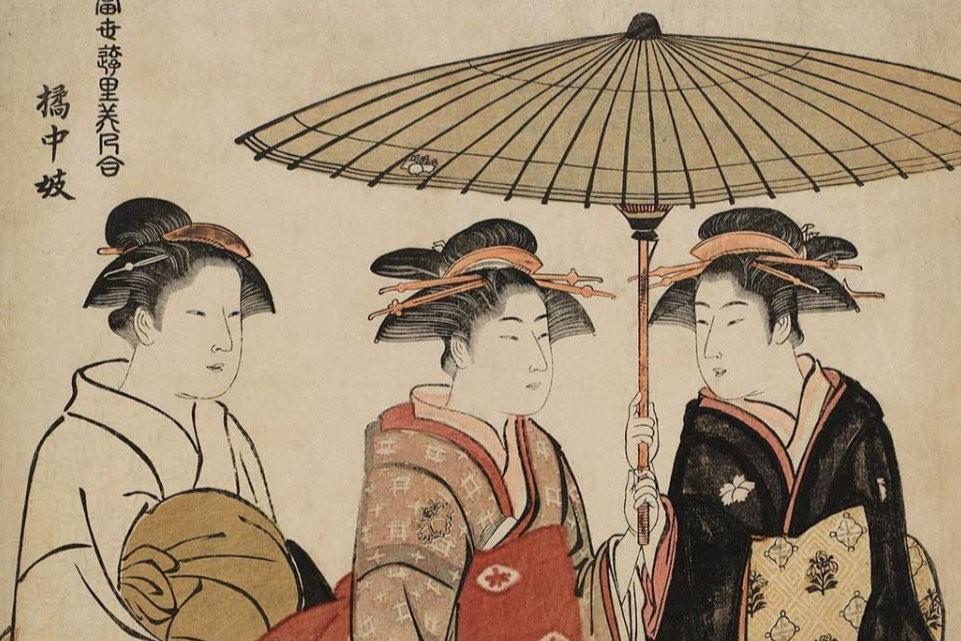
Many of the customs practiced in izakayas today echo traditions established during the Edo period, when sake was produced in large quantities to meet growing demand. The war periods, especially in the early 20th century, affected sake production, leading to innovations in brewing methods and restrictions on rice use. Brewers had to use more rice efficiently, sometimes adding distilled alcohol to stretch supplies.
Today, sake breweries across Japan continue to refine these methods, with some experimenting with modern techniques while others preserve ancient traditions. The result is a diverse range of sakes, from fruity, aromatic varieties to dry, understated ones. The quality of sake has improved over the years, with the best sake often coming from breweries that balance tradition with innovation.
Why Sake Alcohol Content Matters Less Than Atmosphere in an Izakaya
While technical details like alcohol content and rice polishing ratios matter in sake production, they take a backseat in an izakaya.
Here’s the honest truth: by the midpoint of the evening, no one is discussing ABV. The conversation has shifted. The skewers keep arriving. The bottle empties gradually, almost unnoticed.
In these settings, sake serves as a social lubricant, gently loosening tongues and bringing people closer without overwhelming the senses.
If you’re looking for the best sake to enjoy in an izakaya, think less about the specifications and more about the atmosphere it creates. The true pairing isn’t just with food—it’s with conversation and connection.
In these settings, sake serves as a social lubricant, gently loosening tongues and bringing people closer without overwhelming the senses. The subtle variations in sake alcohol content become secondary to the warmth of the company and the flow of dialogue. Whether the sake is a delicate clear sake or a richer cloudy sake, its role is to complement the mood rather than dominate it.
Moreover, the tradition of pouring sake for others emphasizes attentiveness and respect, reinforcing bonds over the course of the evening.
In recent years, the popularity of izakayas has grown beyond Japan’s borders, bringing this cultural approach to sake drinking to the world stage. Yet, the essence remains the same: the sake’s alcohol content is less about potency and more about participation in a timeless social dance.
So, next time you find yourself in an izakaya, let go of the urge to analyze the numbers on the bottle. Instead, savor the moments—the clink of cups, the ebb and flow of conversation, and the gentle warmth that sake brings to the night.
Sake as the Thread of the Evening
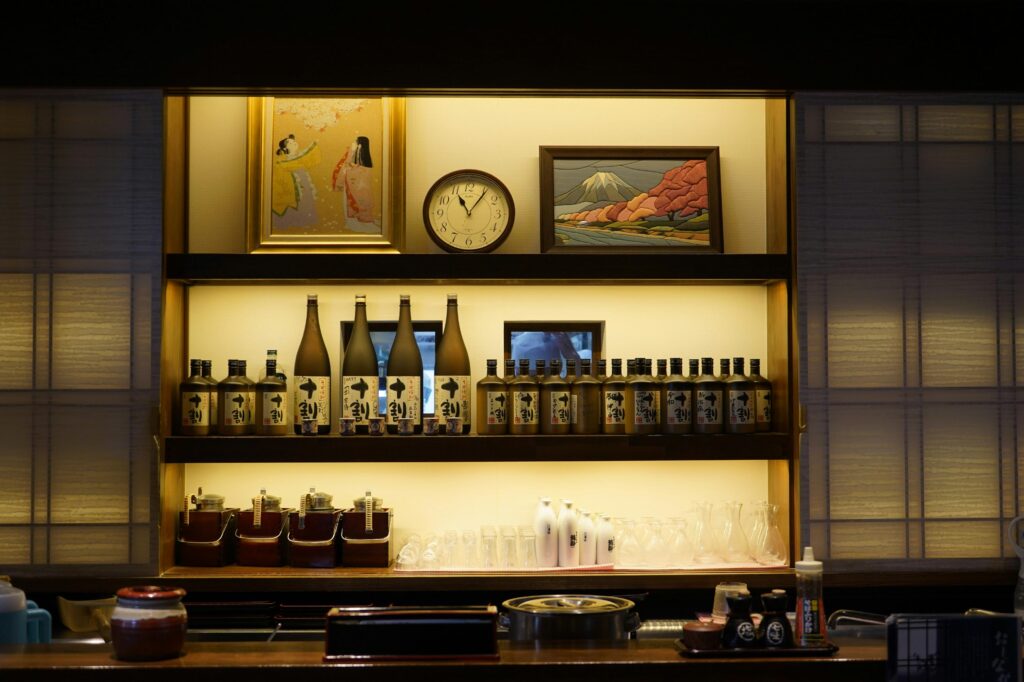
In an izakaya, Japanese sake isn’t a performance; it’s a companion. It blends into the rhythm of the night, supporting laughter, conversation, and shared meals. Whether you’re drinking hot sake, chilled sake, or something in between, the point isn’t to measure its strength but to notice its presence.
We’ve found that the most memorable izakaya evenings weren’t defined by what we ordered, but by how naturally the room softened over time. That quiet transition, from structured dinner to shared laughter, is where sake truly belongs.
The brewing methods, the polished rice, and the traditions rooted in the Edo period all contribute to sake’s ability to create an unforgettable evening. But ultimately, the izakaya doesn’t ask you to analyze. It asks you to sit, sip, and let the night unfold.